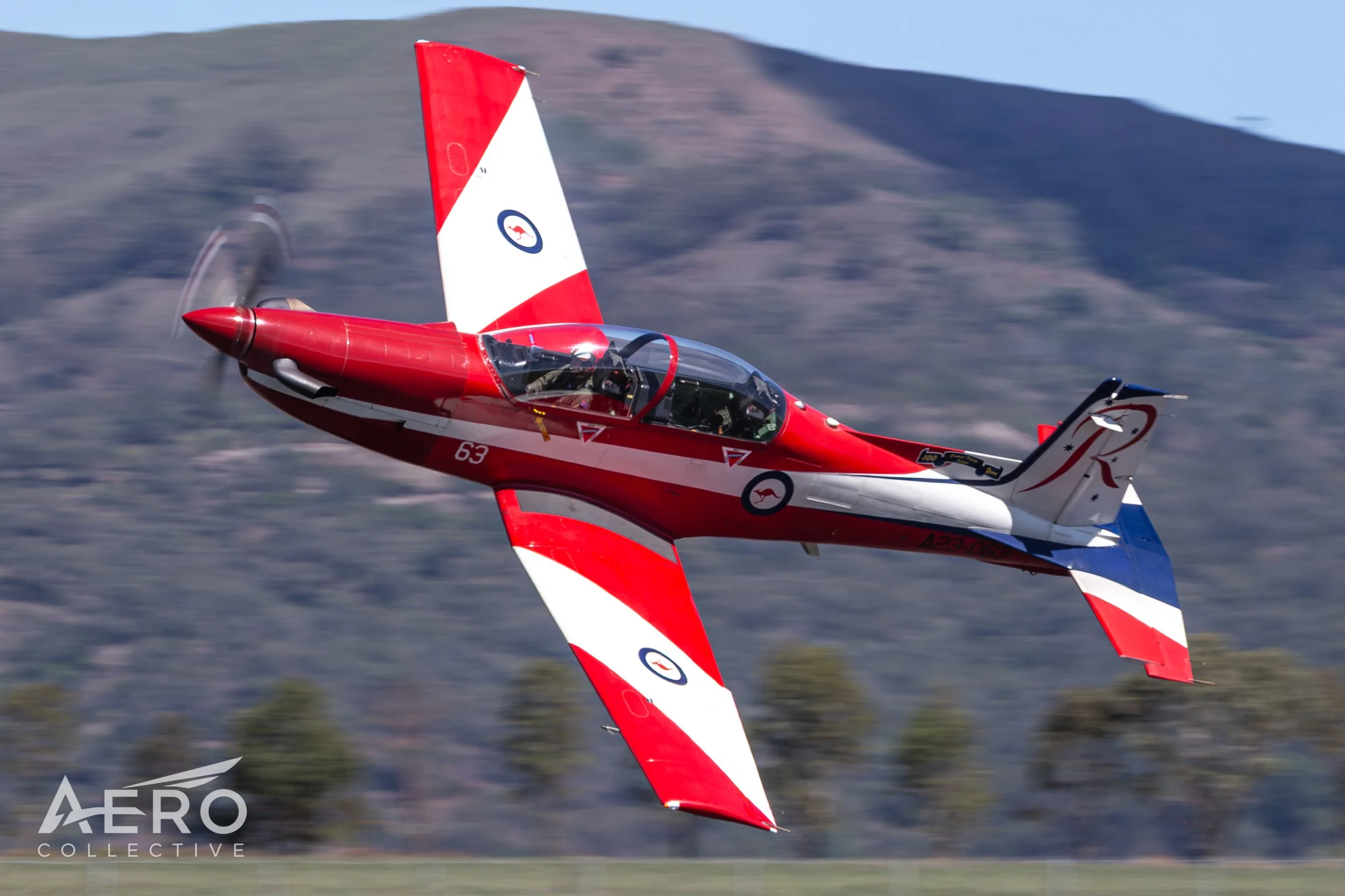
Warbirds Over Scone 2026
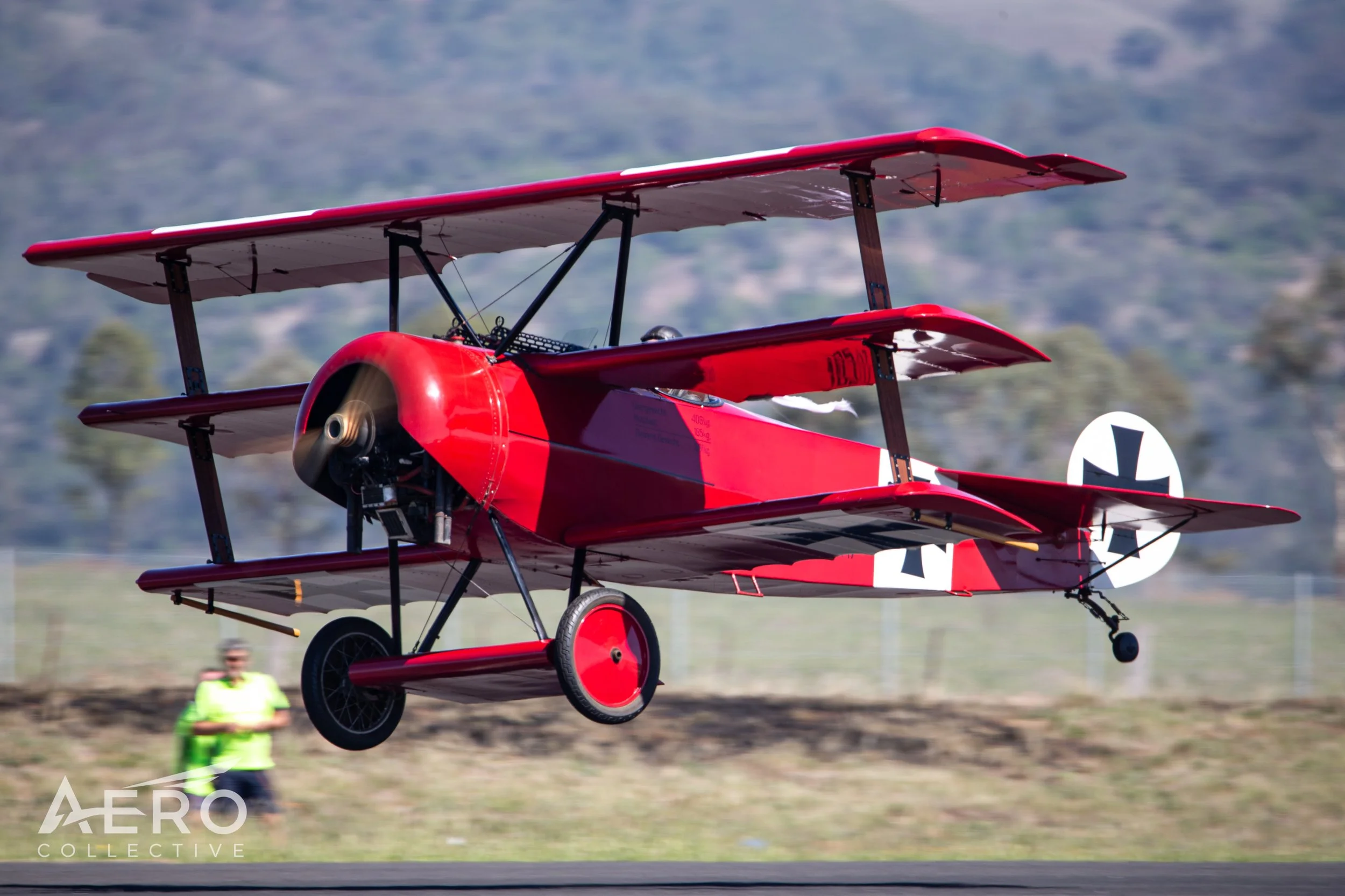
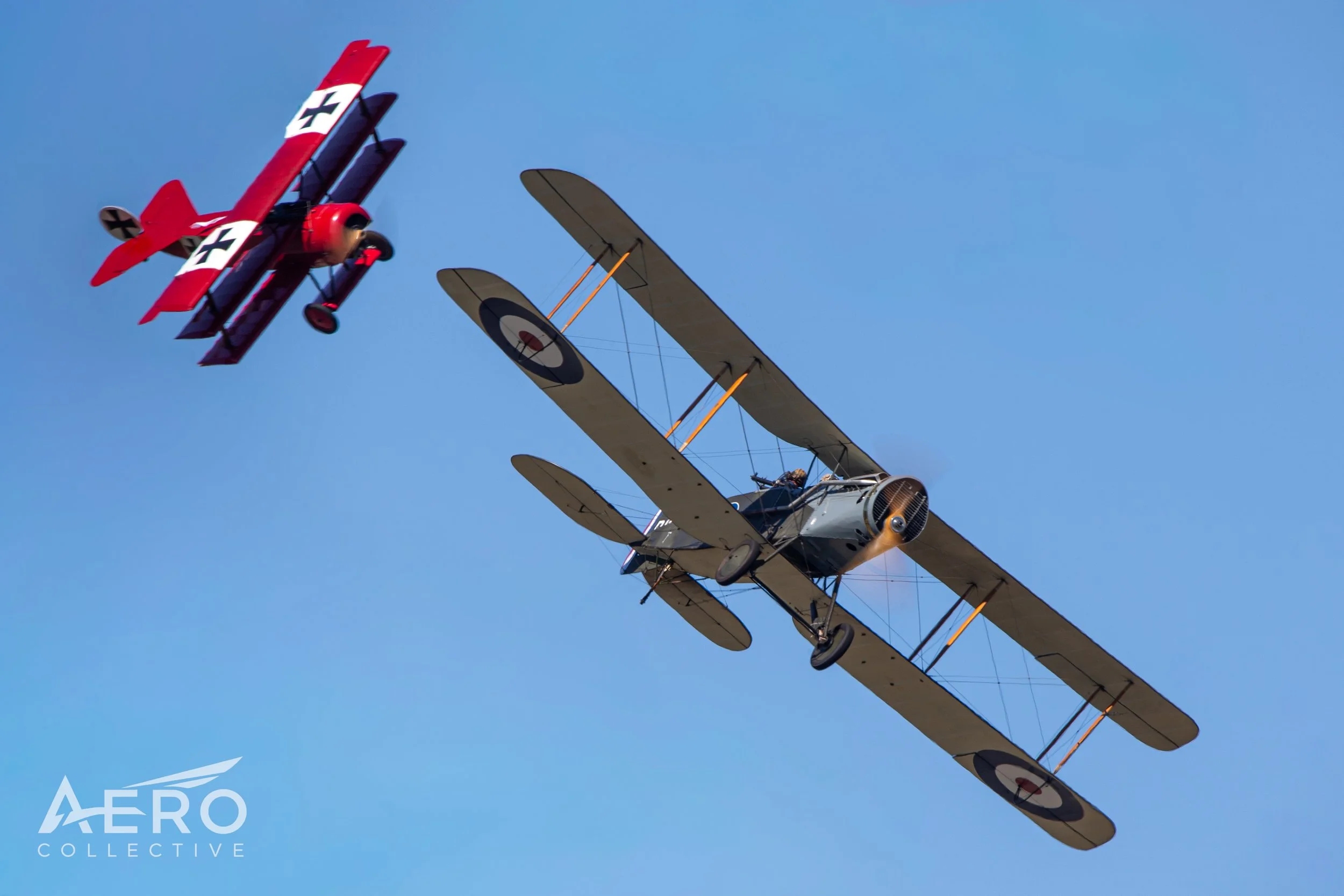
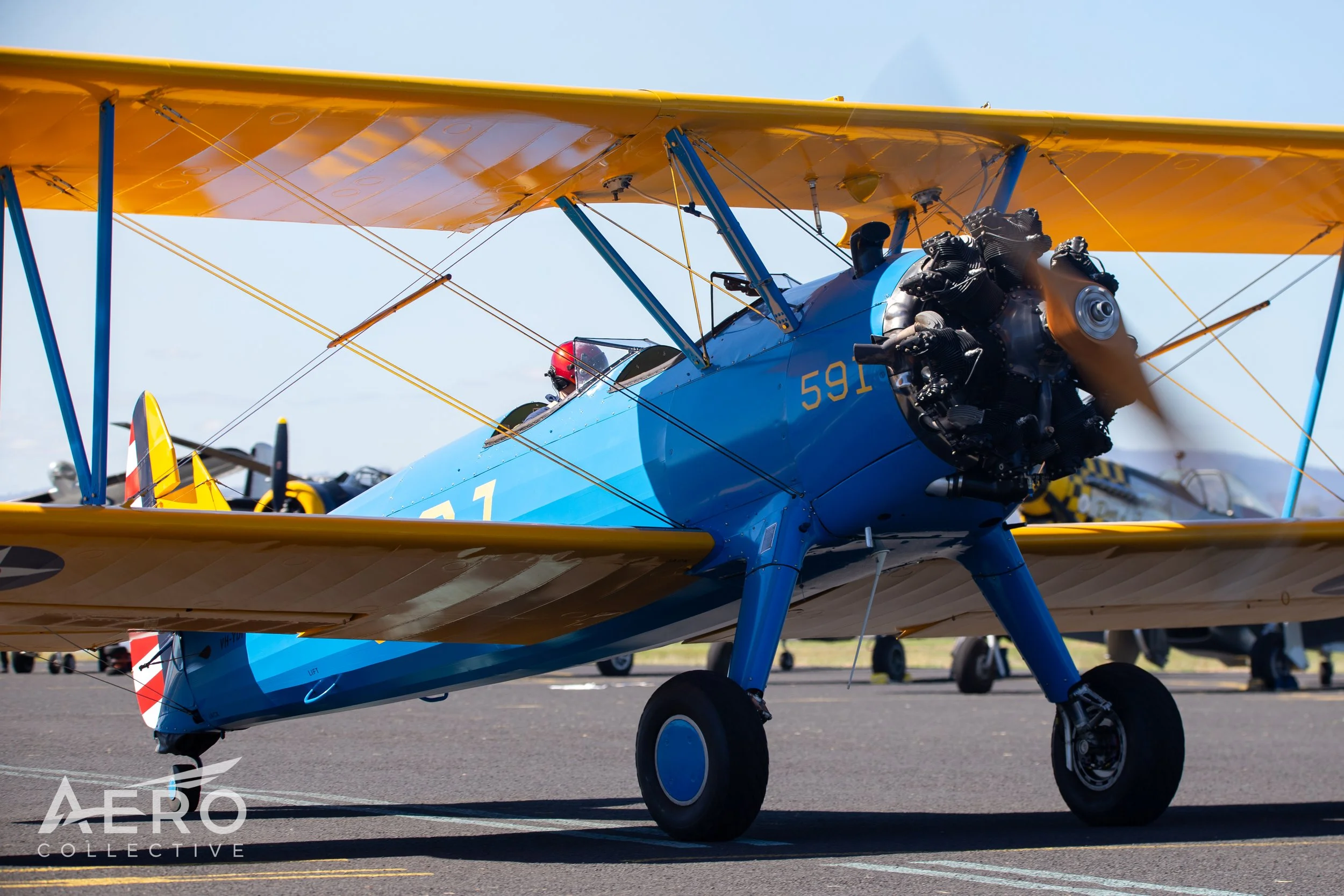
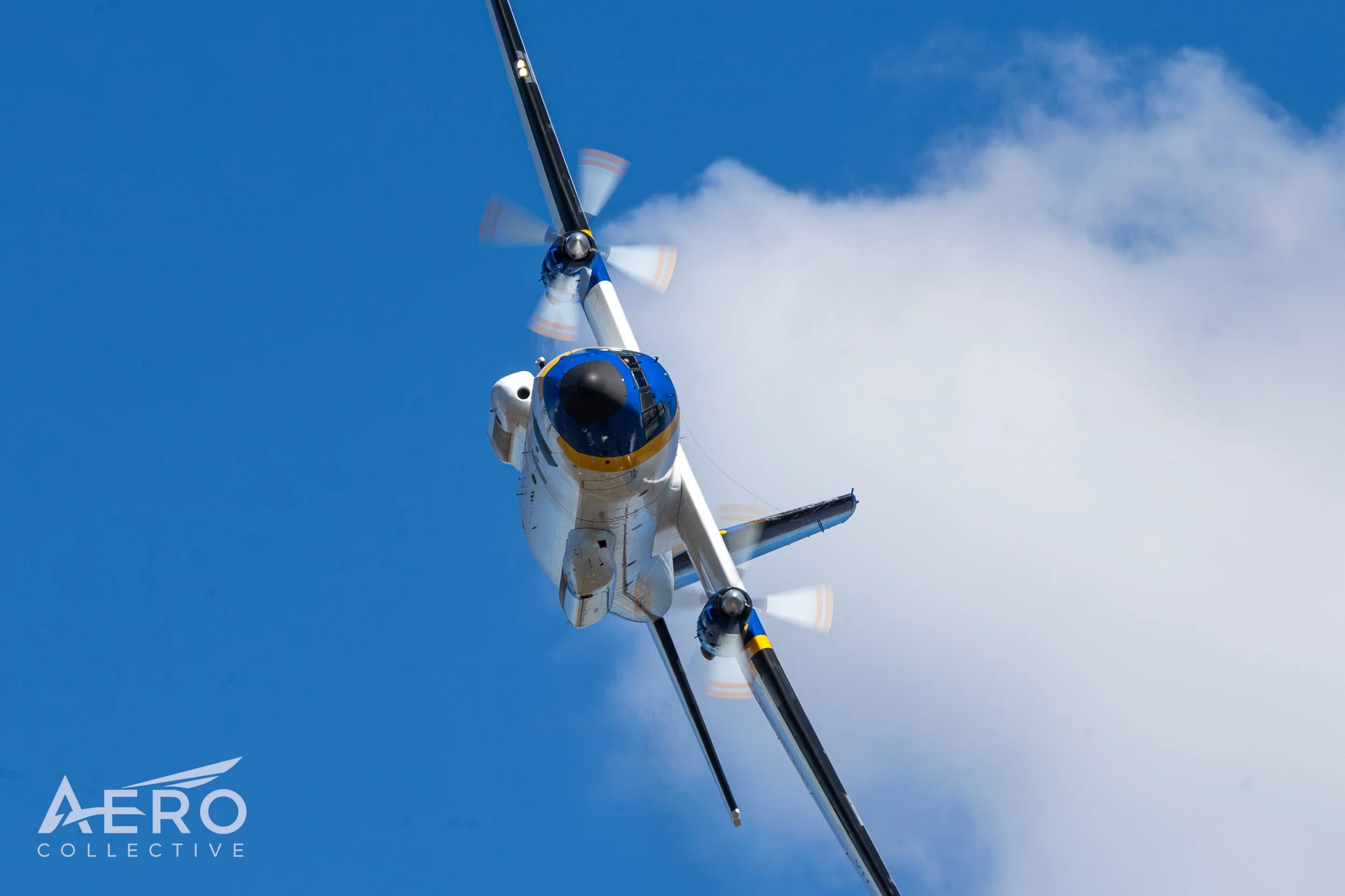
Warbirds Over Scone 2026 delivered exactly what it promised: a bigger, louder, and more ambitious show than ever. Across 28–29 March, Scone Airport in the Upper Hunter Valley turned into a hub of living aviation history, with one of the largest gatherings of historic aircraft seen in the Southern Hemisphere to date.
While many know it today as Warbirds Over Scone, the event’s history stretches back to 1983, when it was first held as the Scone Airshow. That original show quickly became a staple of the regional calendar, drawing strong crowds and a wide mix of aircraft to the Upper Hunter. Over time, like many events of its kind, it went through periods of growth and revival, but the core idea remained the same: to bring aviation to the region and put on a show worth travelling for.
The modern iteration, now branded as Warbirds Over Scone, builds on that legacy and continues to deliver an action-packed show with everything from classic radial-powered warbirds to high-energy aerobatic displays.
This year’s lineup didn’t disappoint. Billed as Australia’s largest collection of P-40’s since the Second World War, seeing them fly together more than lived up to expectations. The sound alone was worth the trip. Over the weekend, Supermarine Spitfires flew alongside multiple P-51 Mustangs, P-40 Kittyhawks, a Hawker Sea Fury and an F4U Corsair, backed up by a mix of trainers, warbirds, and early jets.
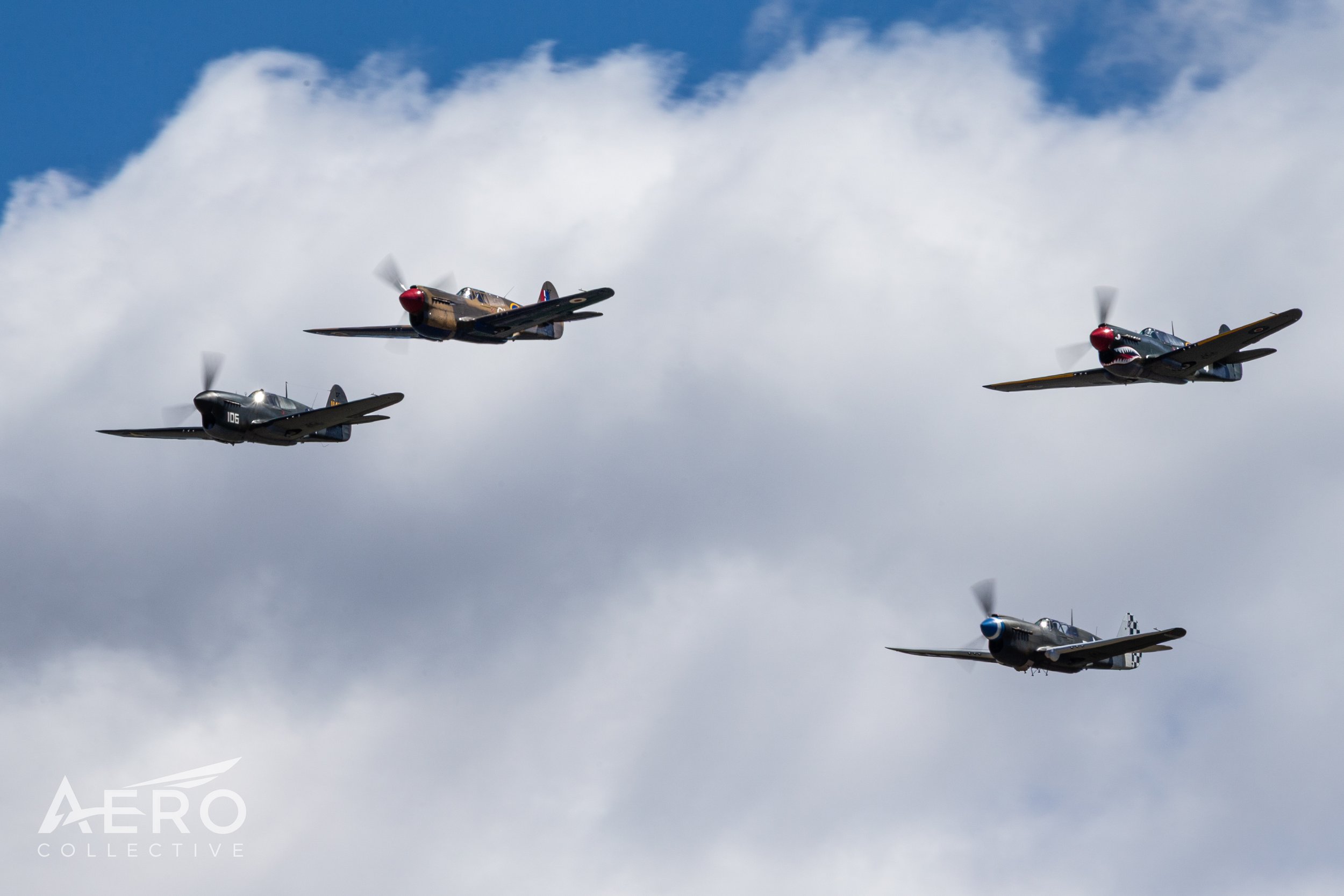
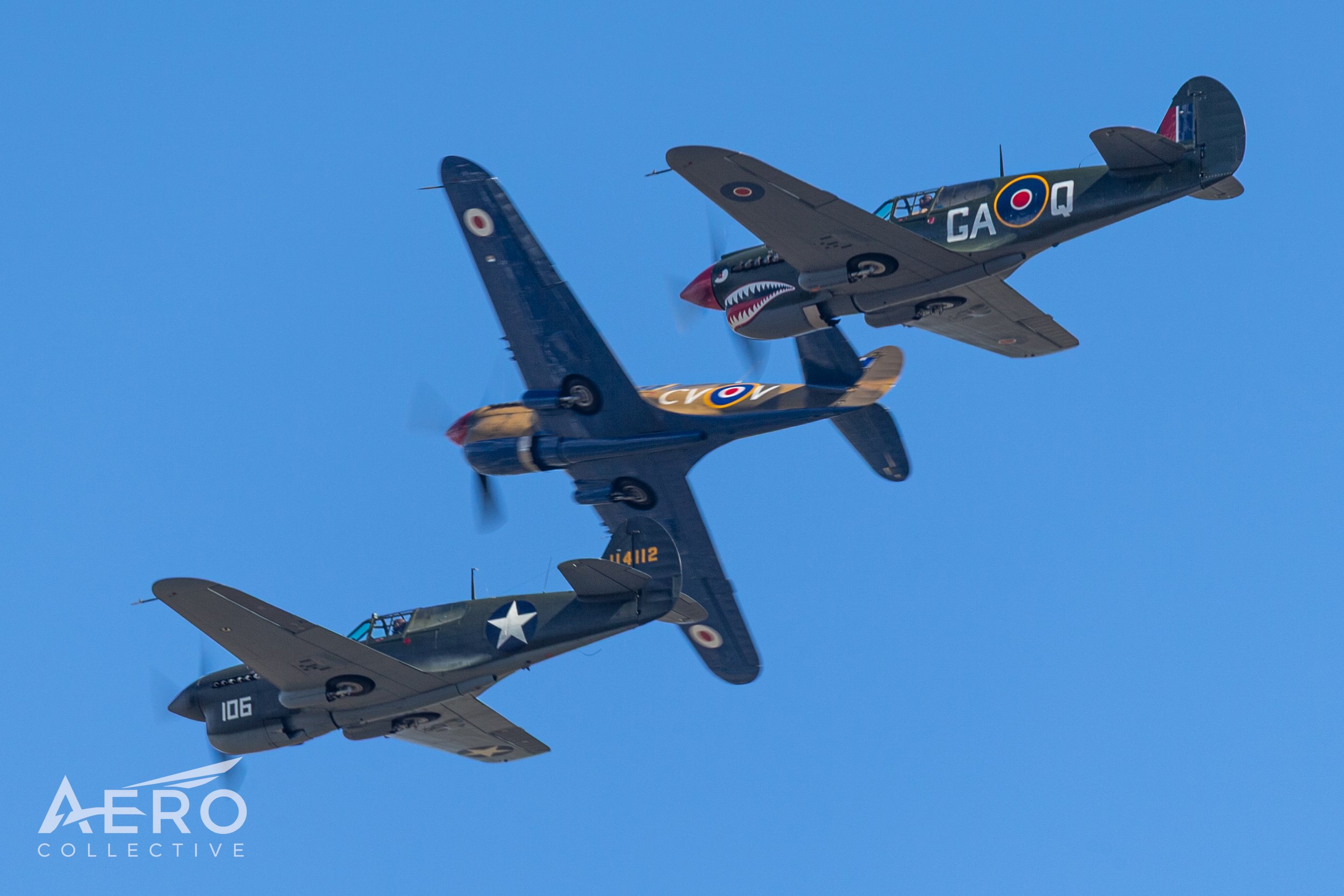
The flying program itself kept a strong pace right through the day. Running from late morning into the afternoon, there was very little downtime, with one act rolling straight into the next. High-energy aerobatics sat alongside more tame warbird demonstrations, giving the show a bit of variety without losing its focus. The Paul Bennet Airshows team brought their fleet of high-powered aerobatic biplanes, warbirds, and their Dehaviland Vampire.



On the ground, there was just as much going on. The flight line pass gave people the chance to get up close to the aircraft at the beginning of the day, before flying activities commenced. Around that, there were aviation exhibits, market stalls, and a wide range of food vendors, along with helicopter rides and other attractions running across the weekend.
Scone continues to prove itself as an ideal location for this kind of event. Set in the Upper Hunter Valley, it offers a sense of space that’s hard to replicate at larger metro airshows. There’s room for the aircraft to operate properly, and for spectators to spread out and actually enjoy the show without feeling boxed in. Even with strong crowds across the weekend, things felt manageable, and the overall atmosphere stayed relaxed. Access into the event was straightforward, with parking and transport handled efficiently, and fly-in options available for visiting pilots.
What stands out most about Warbirds Over Scone is how it has managed to reconnect with its roots while still evolving. From its beginnings as the Scone Airshow in 1983 to its current form, the event has always been about putting aircraft in the air and giving people a reason to look up. The 2026 show stayed true to its roots, offering crowds the same warbird experience it’s grown renowned for.
For those attending, Warbirds Over Scone delivered. The combination of a strong aircraft lineup, a well-paced flying program, and a relaxed regional setting made for an event that felt both substantial and easy to enjoy. As it continues to grow, Warbirds Over Scone will carry on cementing its place alongside the likes of the upcoming Warbirds Over Wanaka as one of the biggest and best warbird shows in the Southern Hemisphere.