HARS December Tarmac Weekend
Article by Cooper Needham
Images by Cooper Needham
The 2025 HARS Tarmac Weekends came to a close this December with a three day spectacular down at Shellharbour Airport in Wollongong. Drawing aviation enthusiasts and families for a memorable celebration of the remarkable historic aircraft, the Historical Aviation Restoration Society left nothing to be desired over the three days. Beginning on the second Friday of every month, HARS Tarmac Weekends hold a consistent place in an aviation enthusiast calendar, offering visitors close-up access to remarkable aircraft, flying displays, and behind-the-scenes insight into heritage aircraft operations.
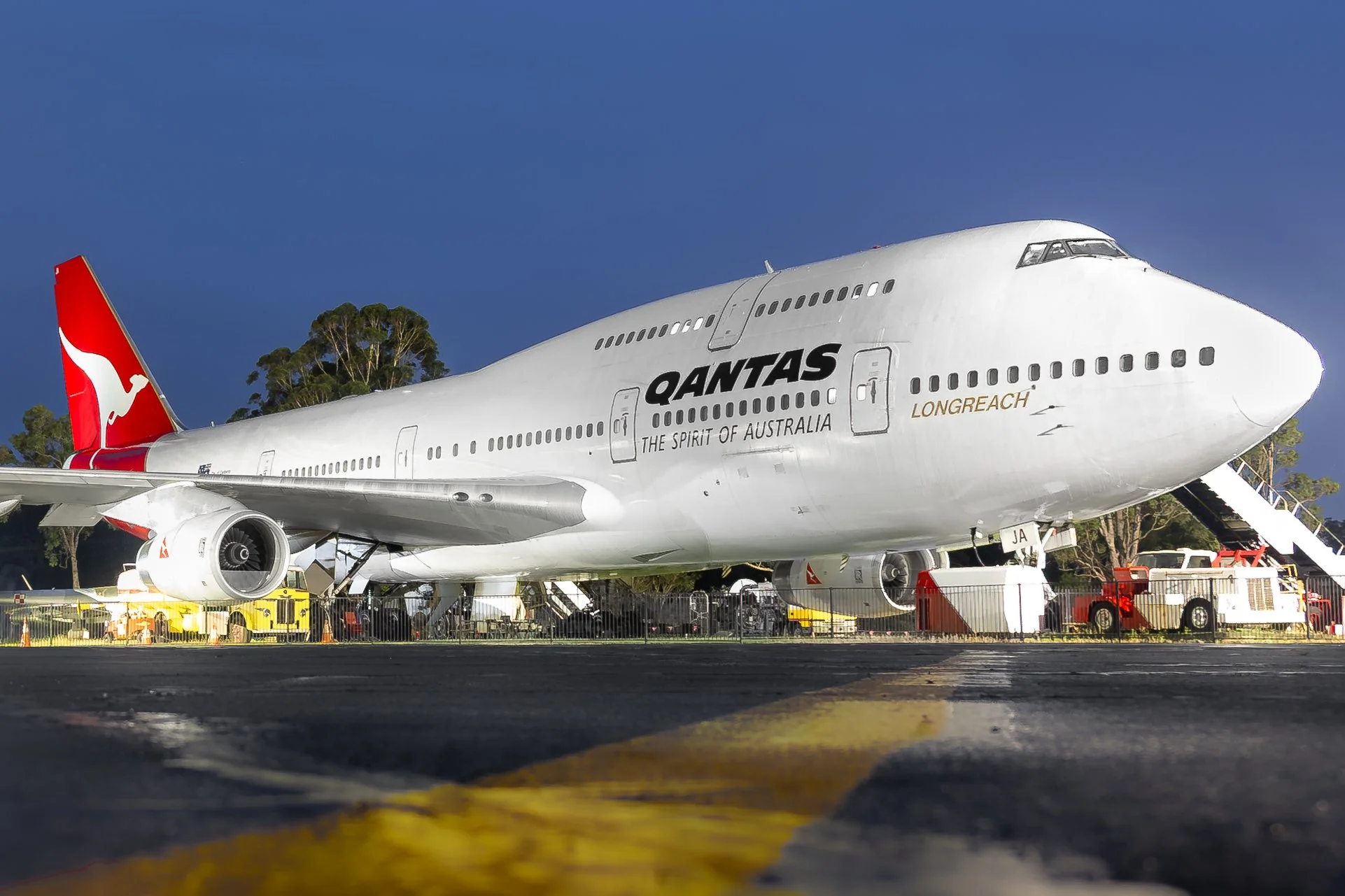
Unfortunately, unfavourable weather conditions on Friday prevented much of the planned flying. As thunderstorms rolled in, the Douglas DC-3 conducted an engine run, a highlight in an otherwise dull day. Although the DHC-4 Caribou wasn’t able to fly, visitors were still able to experience the museum and tour the various classic aircraft that call HARS home, including an ex-Qantas 747, VH-OJA.
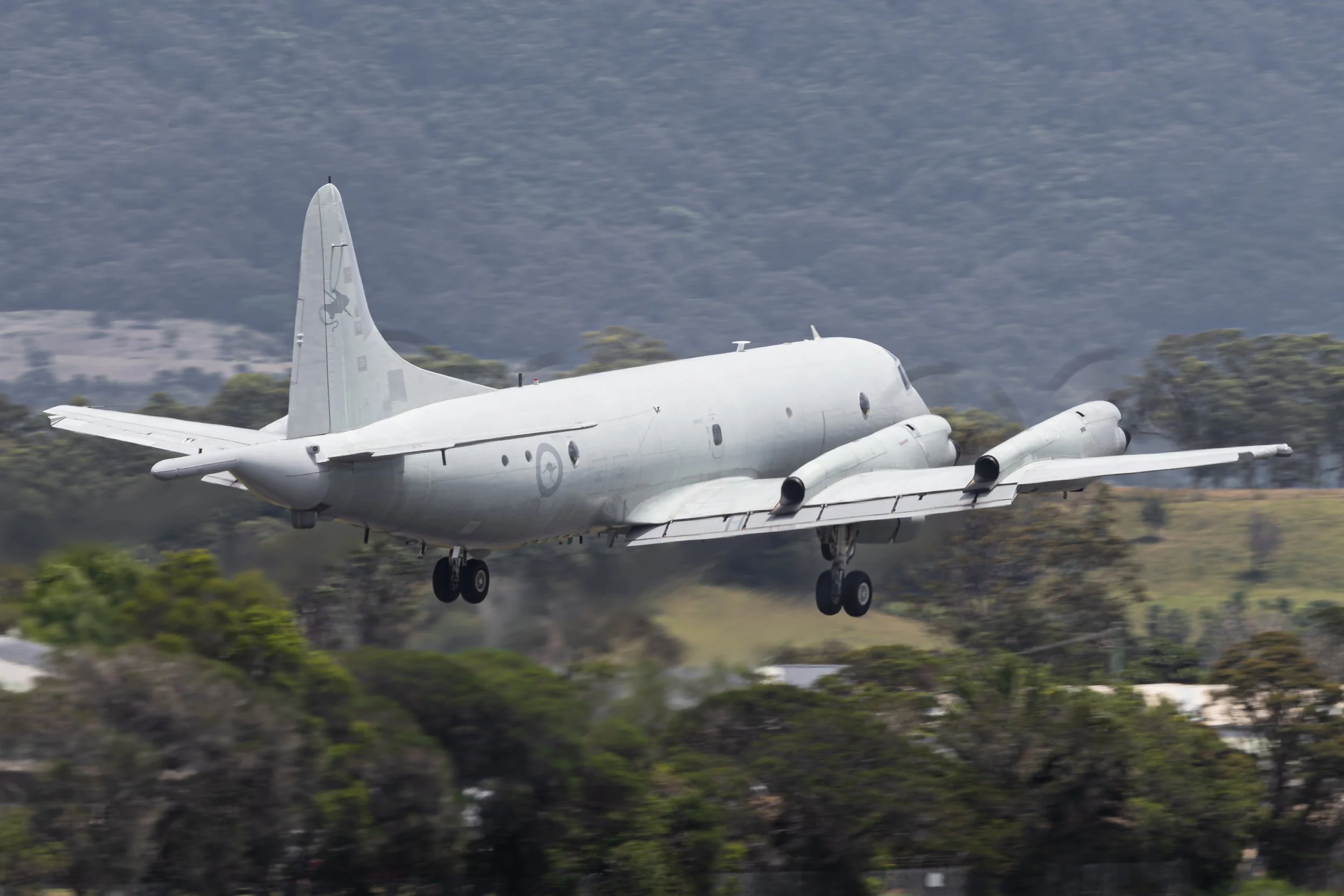
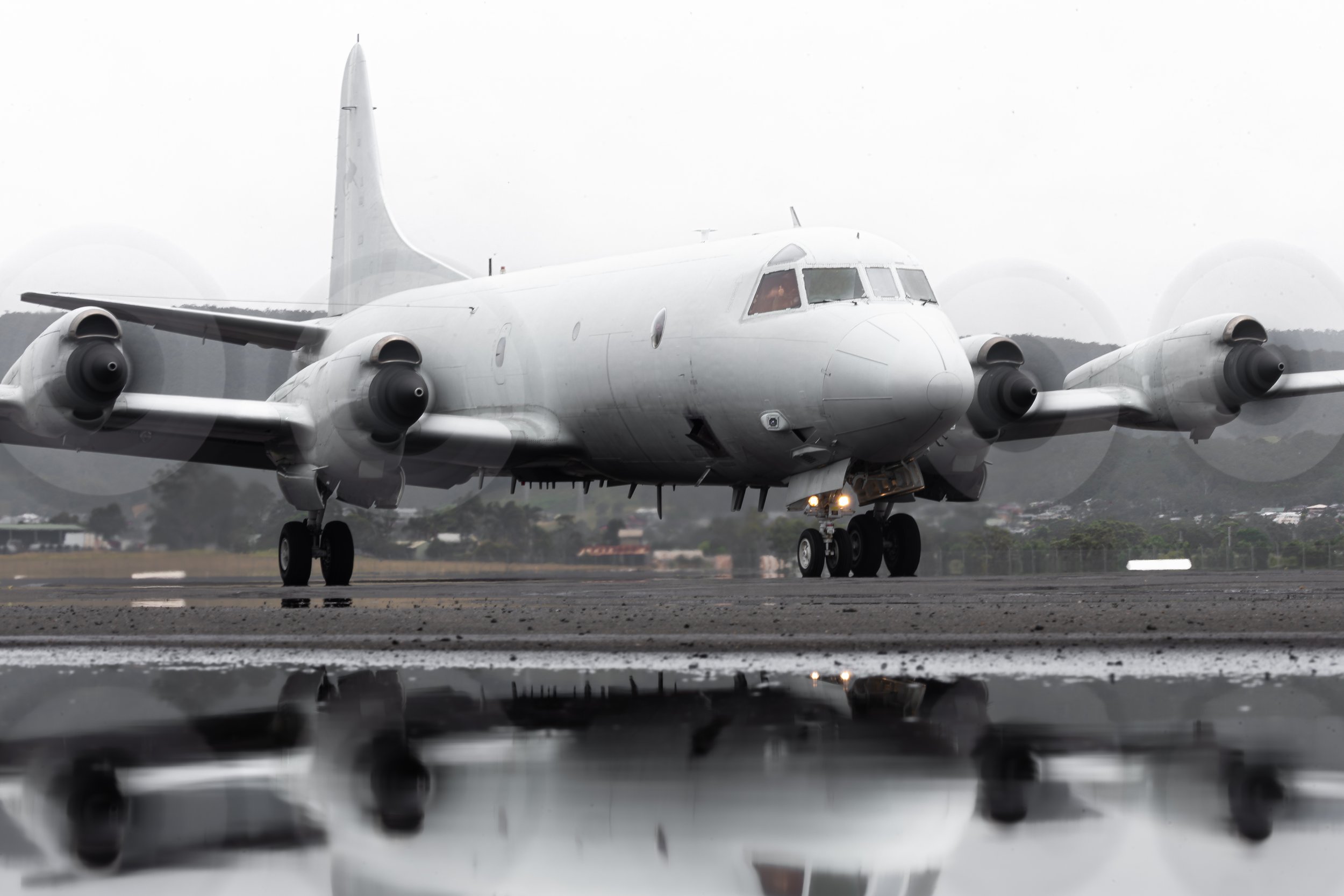
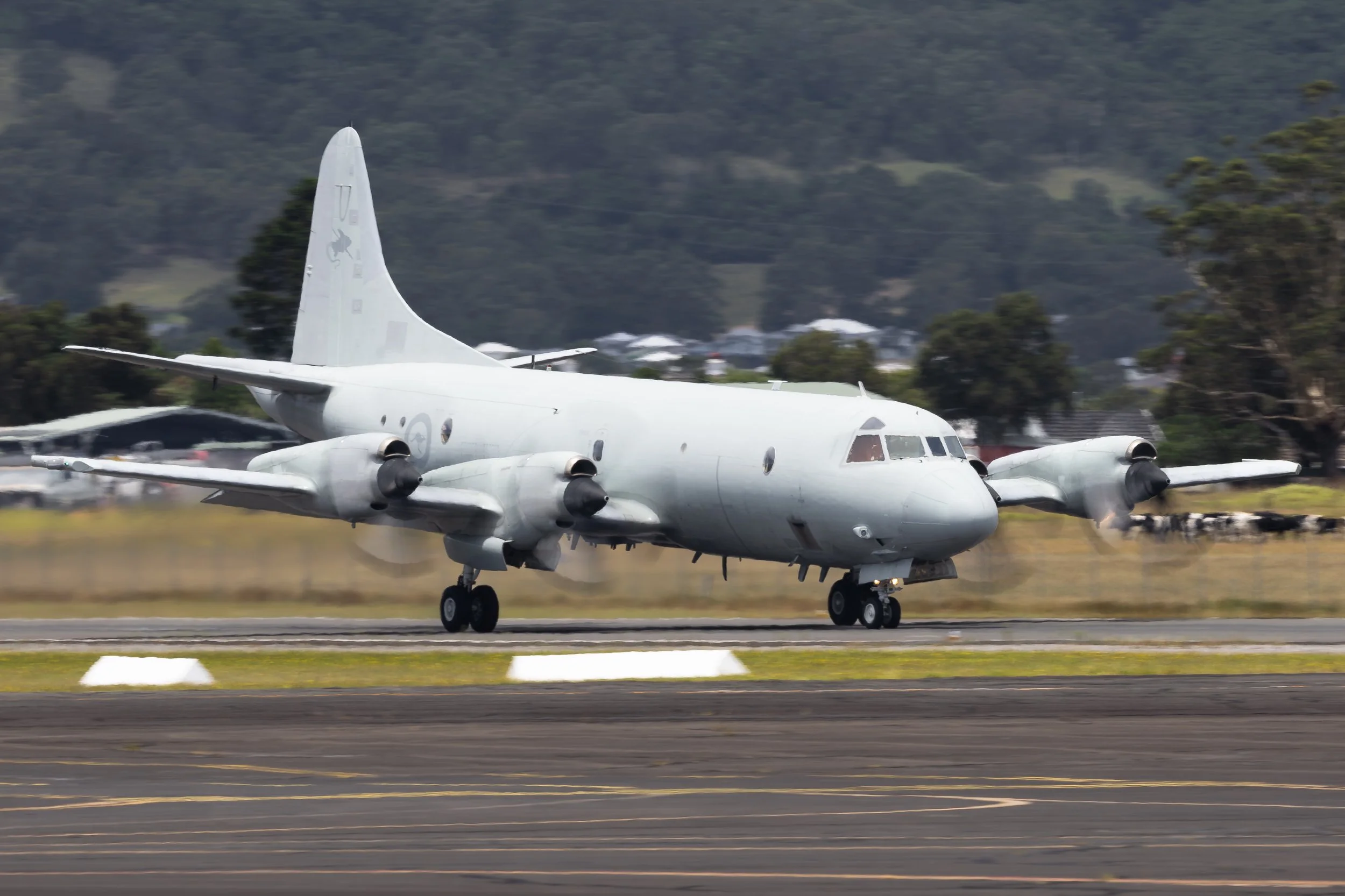
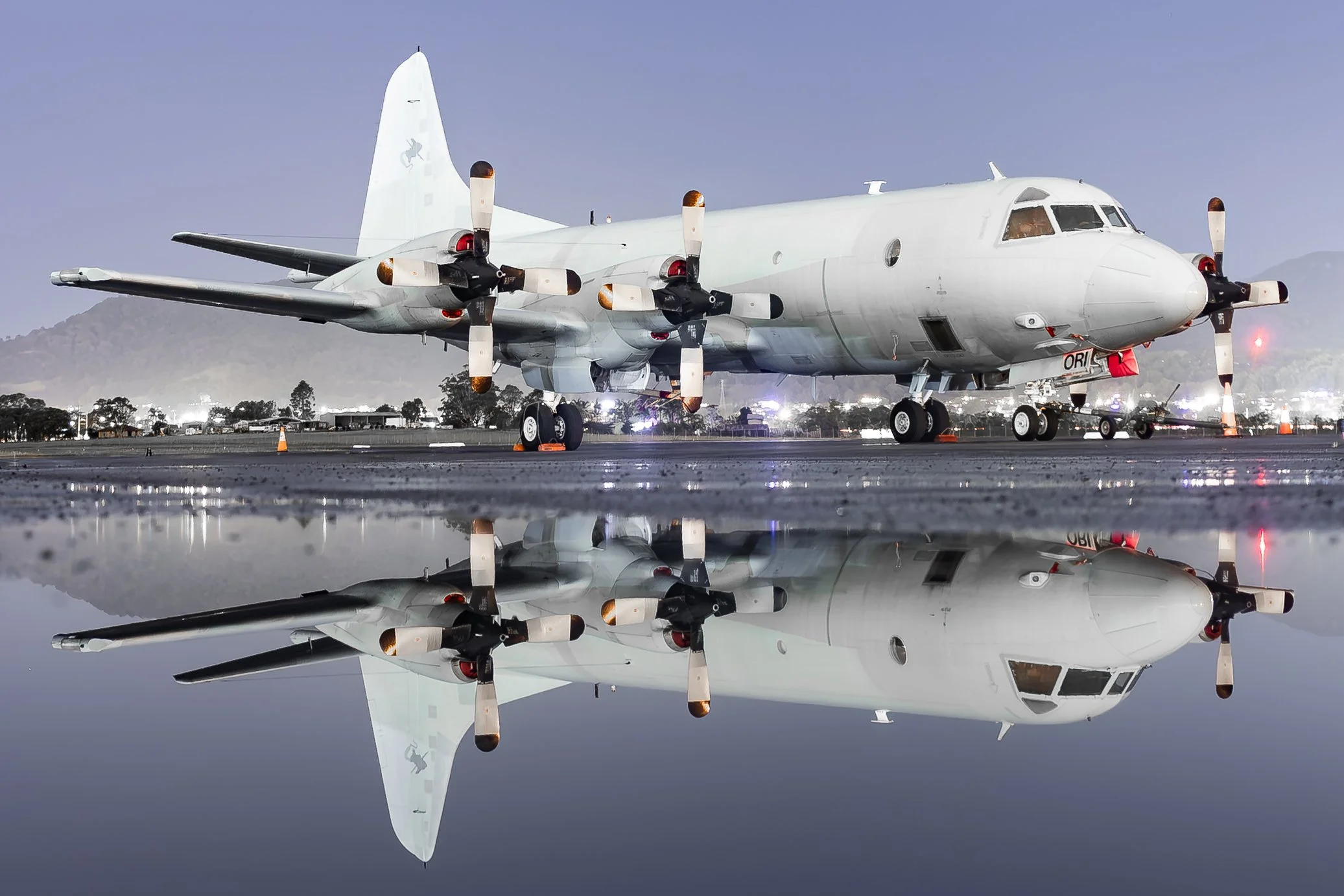
Saturday saw five HARS aircraft taking to the skies and another conducting taxi tests. First to start up was the Lockheed P-3C Orion. An ex-RAAF aircraft, that conducted over 16,000 flying hours for the nation before being acquired by the museum in 2017. Notably, it took part in the search for lost airliner MH-370, spending 350 hours looking for the jet. On this day however, three flights were planned. With a top speed of 411 knots, making it one of the fastest turboprop aircraft, the Orion was incredible to watch power down the runway. The three flights each lasted about 20 minutes, and the access offered by HARS to the general public is unparalleled.
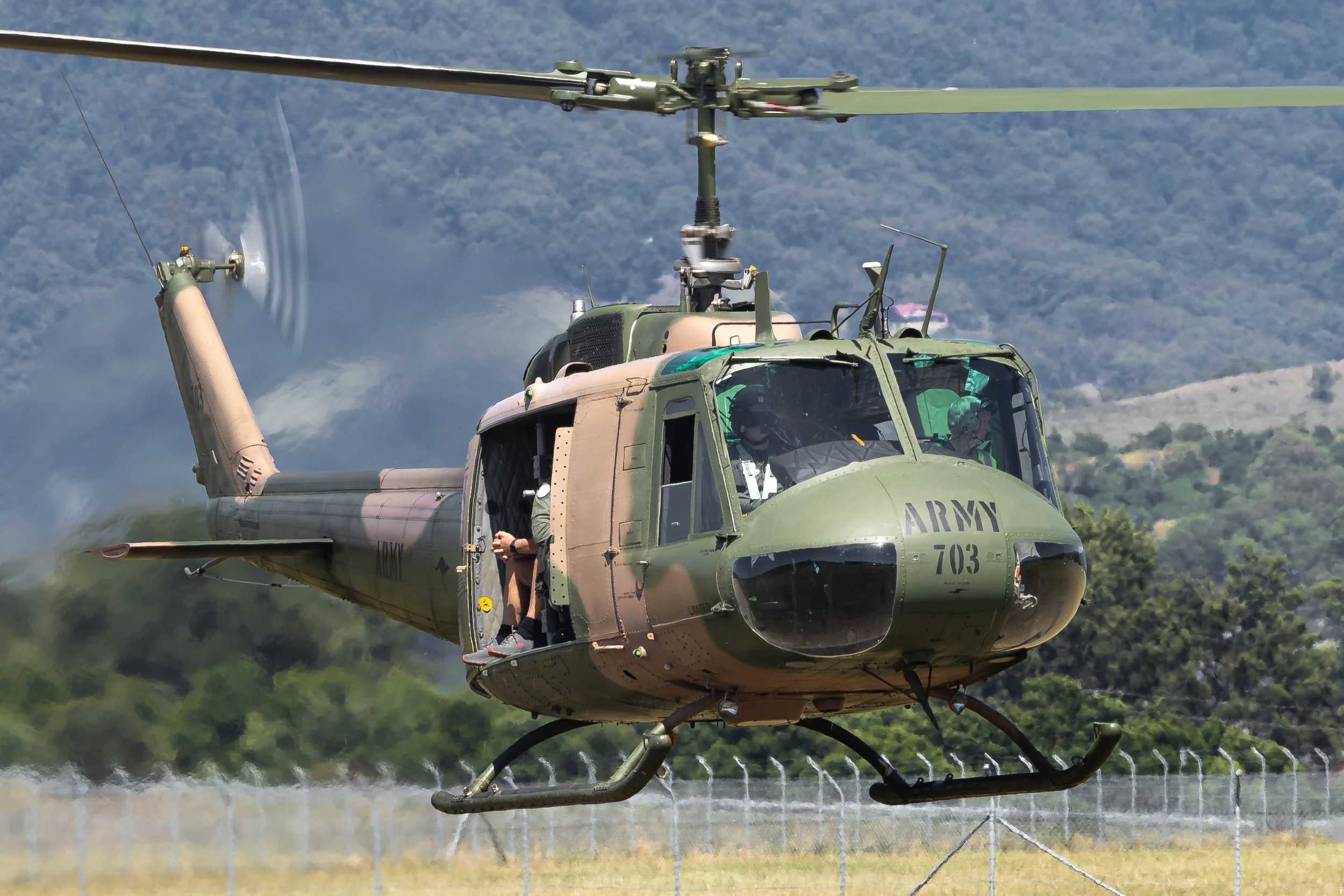
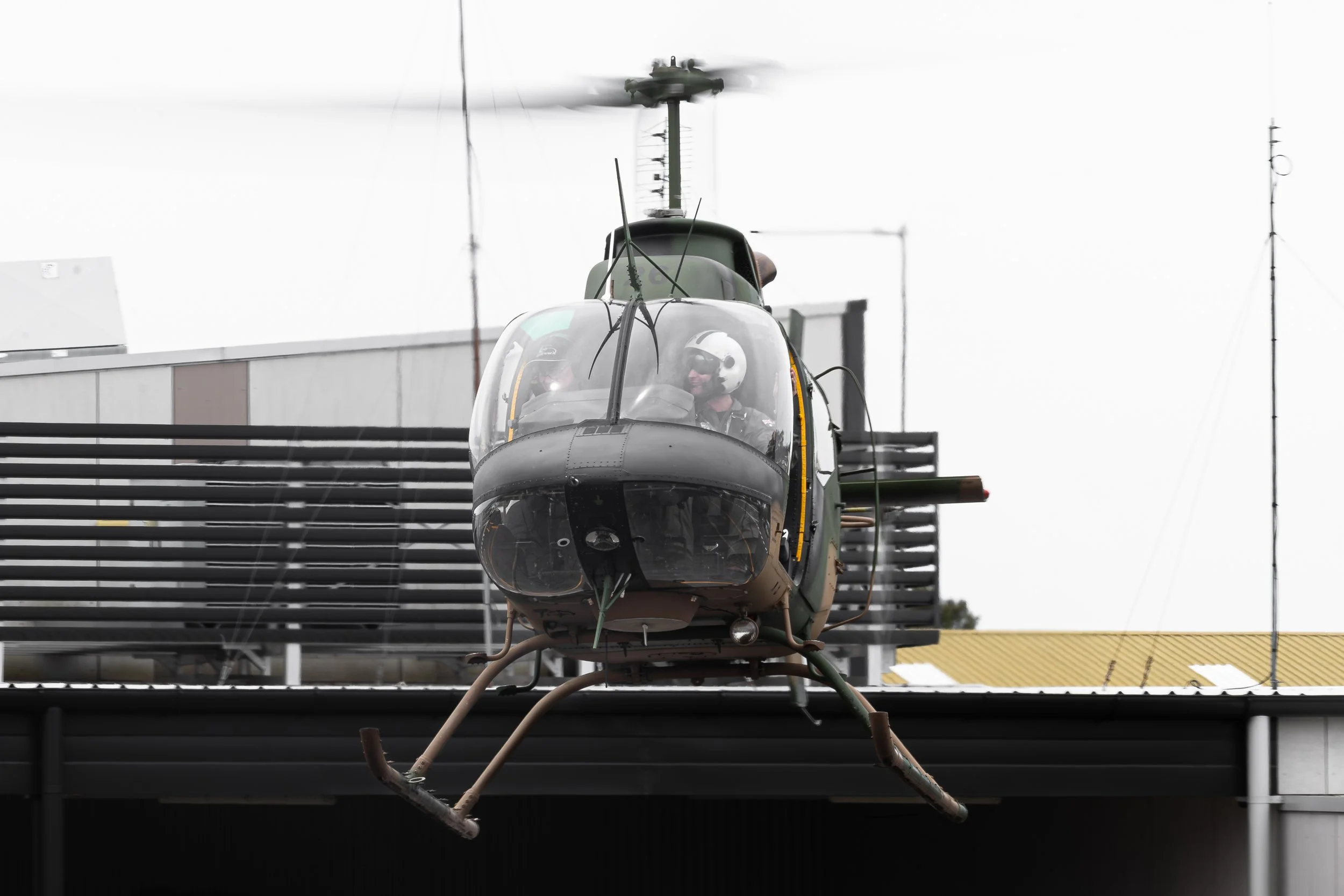
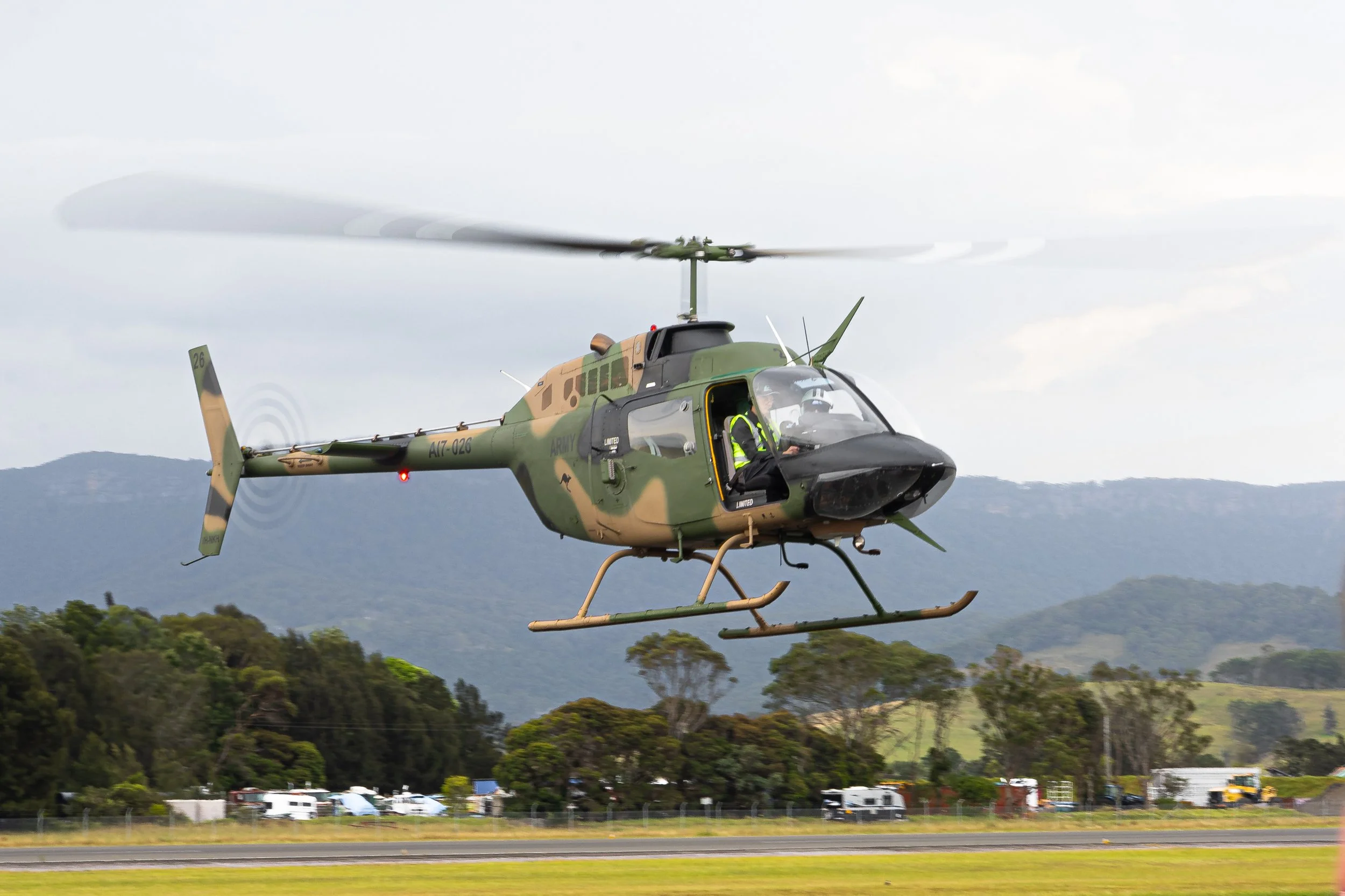
During the Orion's first start up, one of HARS’ two airworthy Hueys finished the short hop up from HMAS Albatross, Nowra, to sit on display throughout the day. Alongside it, a civilian owned Kiowa, also rocking an Australian Army scheme, was shown to the public. Departing later in the day, the two Hueys conducted a few low level circuits together before returning to Nowra.
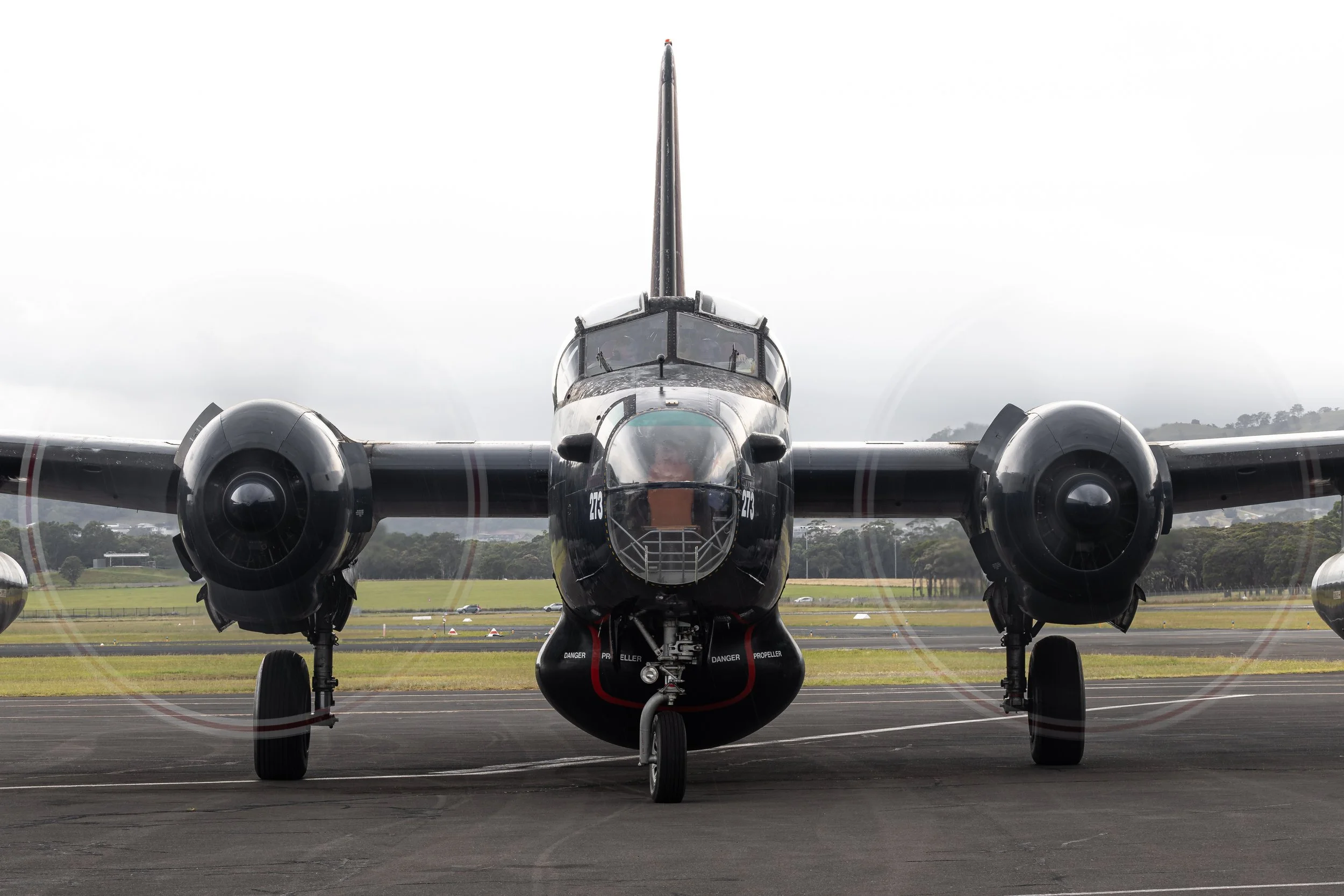
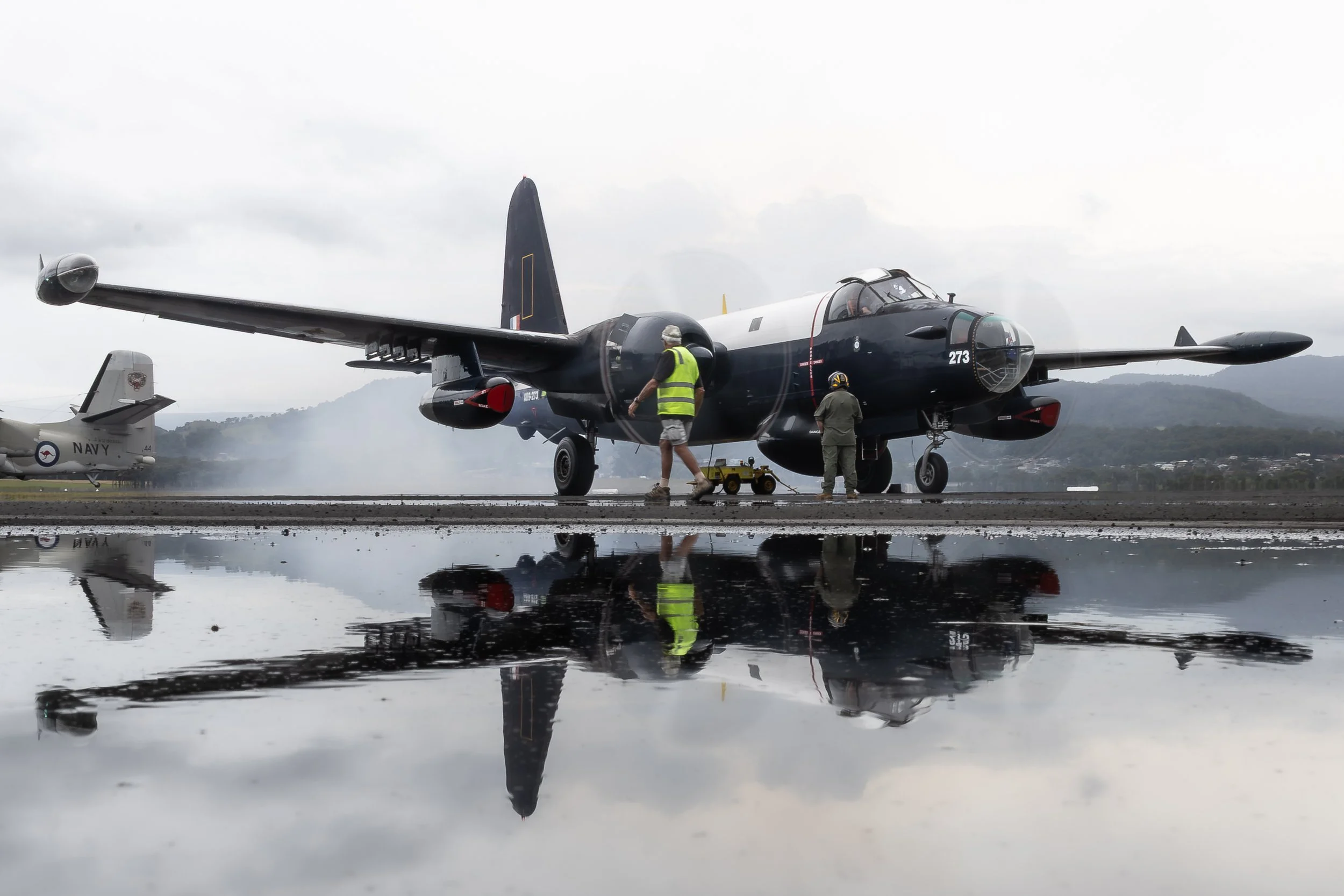
Just after midday, it was heard that the P-2V Neptune would shortly be starting its engines. 63 years young, A89-273 (VH-IOY) is the only airworthy Neptune in the world. With its iconic two jet two propeller engine setup, the Neptune has a massive presence on the tarmac. Loud and assuming, #273 logged approximately 5,500 hours with the RAAF between 1962 and 1977. The aircraft was then placed into storage before being acquired by HARS in 1996. After two years of heavy maintenance, she was declared airworthy in January 1998. Now, #273 lives at Shellharbour, flying occasionally for Tarmac Weekends and airshows across NSW and the country
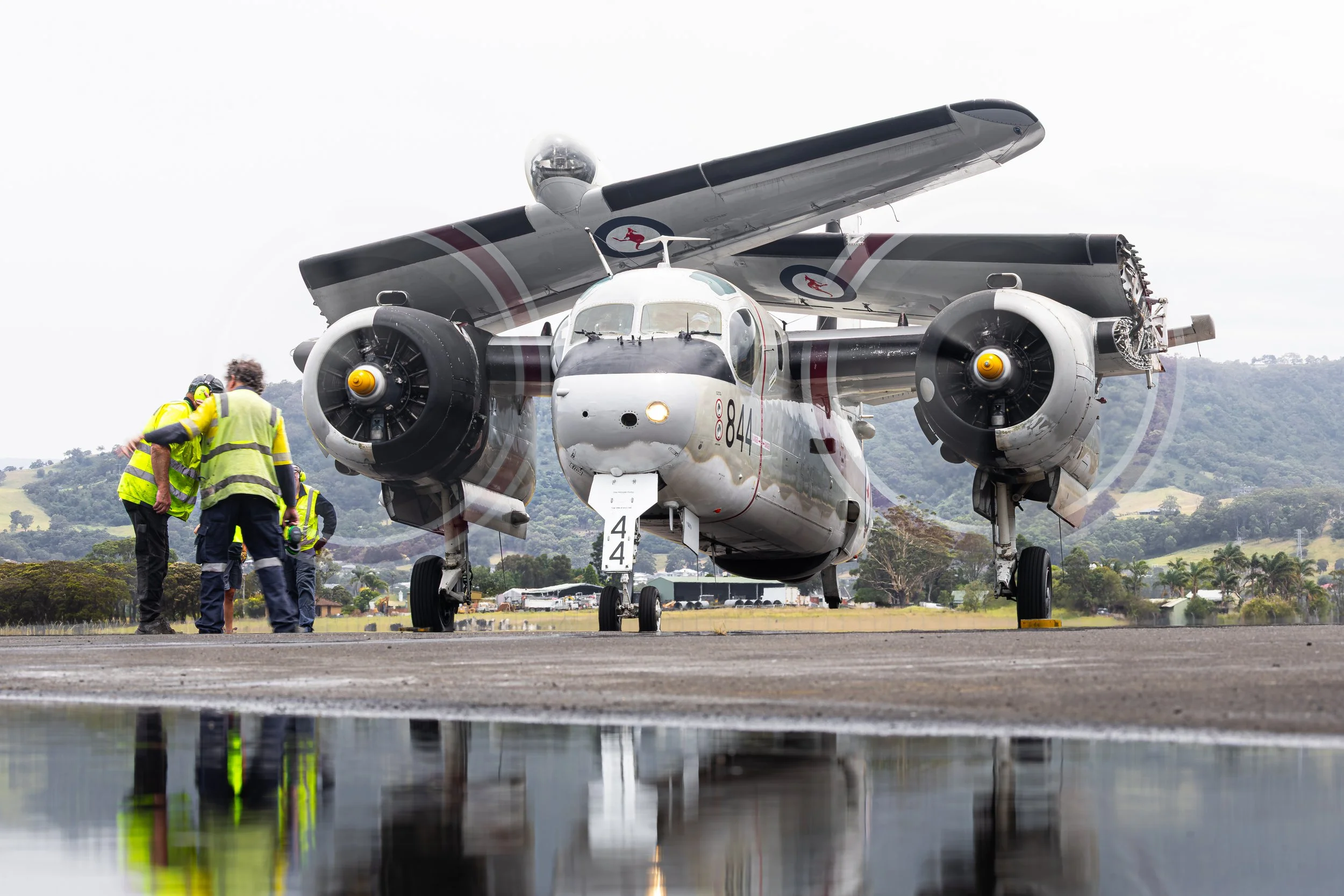
The second radial present on Saturday was the Grumman S-2 Tracker. numbered “844”, the ex- RAN Fleet Air Arm aircraft is another staple of HARS, flying for the first time after its retirement in 2019. It conducted one flight for the day, and on return showcased its iconic “folding wings”, designed for the tight quarters of aircraft carrier operations. From 167 to 1984, the RAN Fleet Air Arm operated 32 S-2E/G aircraft on HMAS Melbourne. 16 S-2G’s were quickly acquired after 9 S-2E’s were lost in a hangar fire at HMAS Albatross. Tracker 844 was one of these quickly acquired aircraft, having been previously owned by the US Navy.
The sunday featured more minimal flying than the saturday. With the upcoming 90th anniversary of the Douglas DC-3, the HARS crew took to the skies for a handful of circuits.
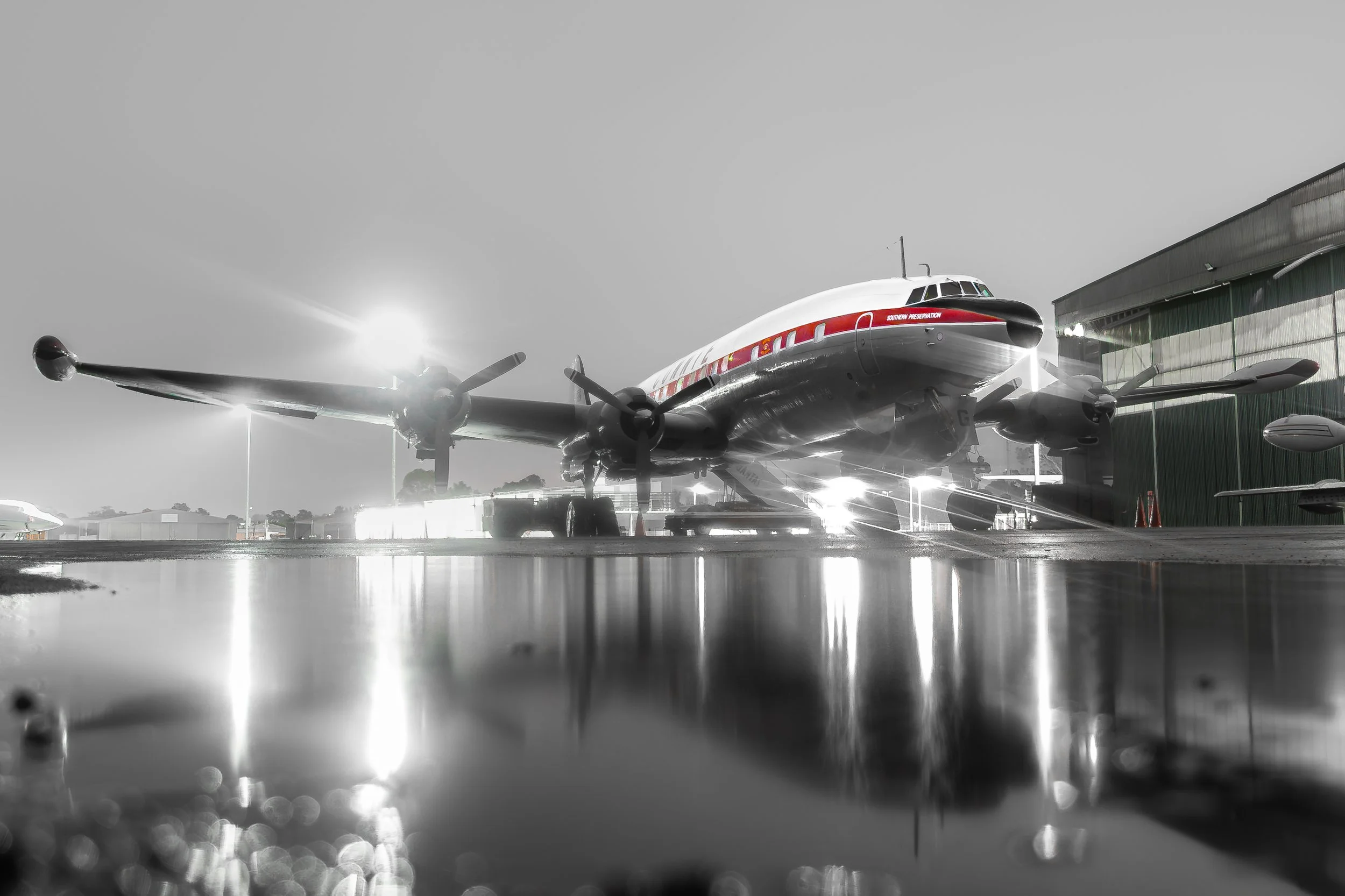
Beyond the flying program, visitors enjoyed close-up access to an extensive static display of historic aircraft, including the Lockheed Super Constellation “Connie”, the former Qantas Boeing 747-400, and many other significant types spanning military and civil aviation history. The museum’s hangars and apron showcased a broad cross-section of aviation heritage, highlighting the scale, craftsmanship, and engineering preserved by HARS volunteers.