90 Years of the Spitfire
Article by Caelan McDougall
Images by Caelan McDougall
On the 5th of March 1936, K5054, the first prototype Spitfire lifted off from Eastleigh in the south of England. At the controls was test pilot Joseph “Mutt” Summers, and in that brief eight-minute flight, the legend of the Supermarine Spitfire was born.
Today, nine decades later, the Spitfire remains one of the most recognisable and celebrated aircraft in aviation history not just for what it achieved in war, but for what it represents. Innovation, resilience, and the enduring romance of flight.
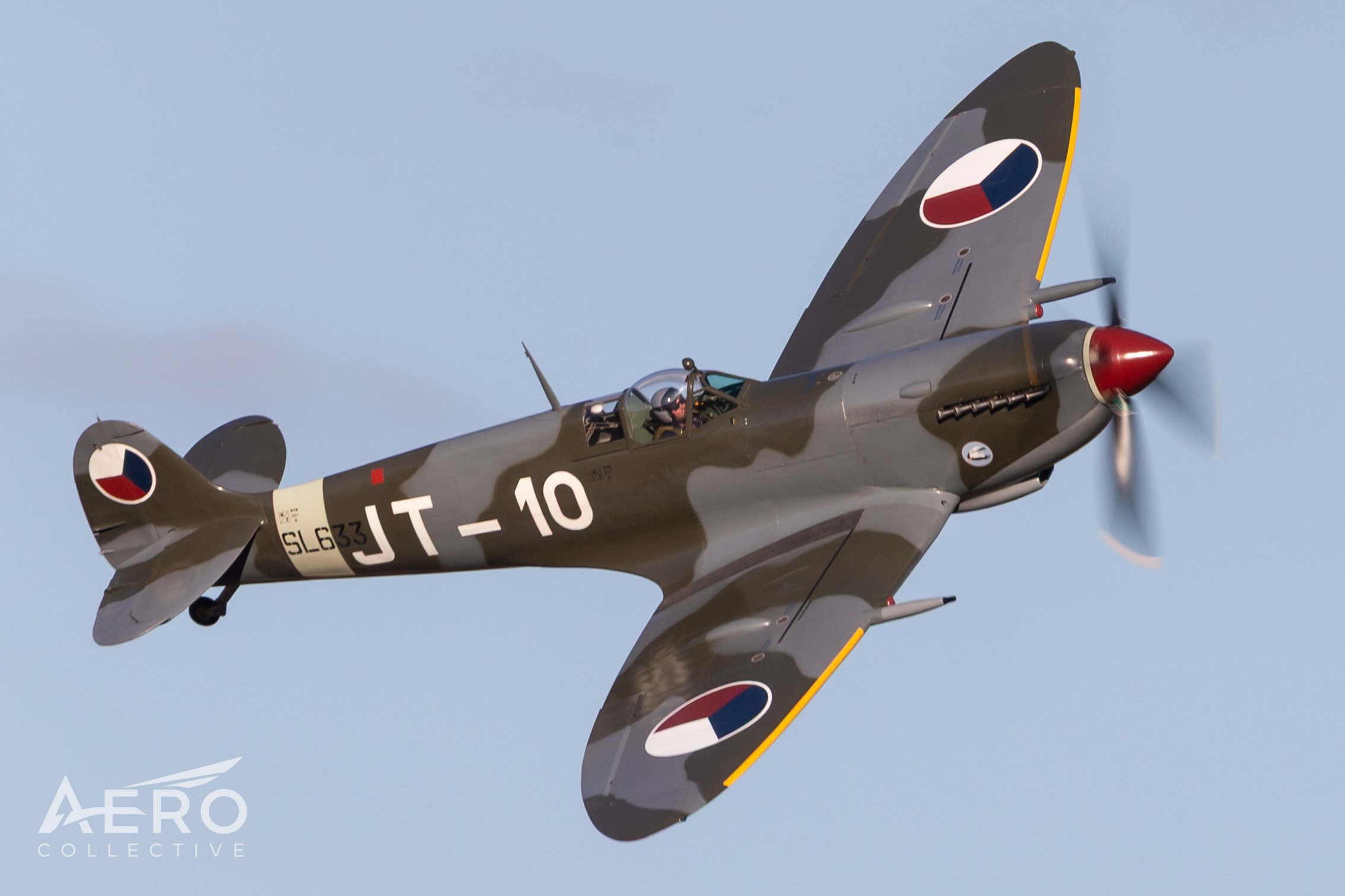
Designed by Reginald Mitchell of Supermarine, the Spitfire was a product of relentless refinement. Mitchell had already tasted success with high-speed seaplanes in the Schneider Trophy races, and he brought that same obsession with aerodynamic efficiency to the new fighter. The result was an aircraft unlike anything else in service at the time.
The power came from the mighty Rolls-Royce Merlin, a V12 engine that would become as legendary as the airframe itself. Together, they created a fighter that set a new benchmark for the era.
The Spitfire’s place in history was sealed in the summer of 1940 during the Battle of Britain. While the Hawker Hurricane bore much of the burden in terms of sheer numbers, it was the Spitfire that captured the public imagination. Stories of its battles with the Luftwaffe became legend, and its presence in the skies over southern England became a symbol of defiance at a time when Britain stood perilously alone.
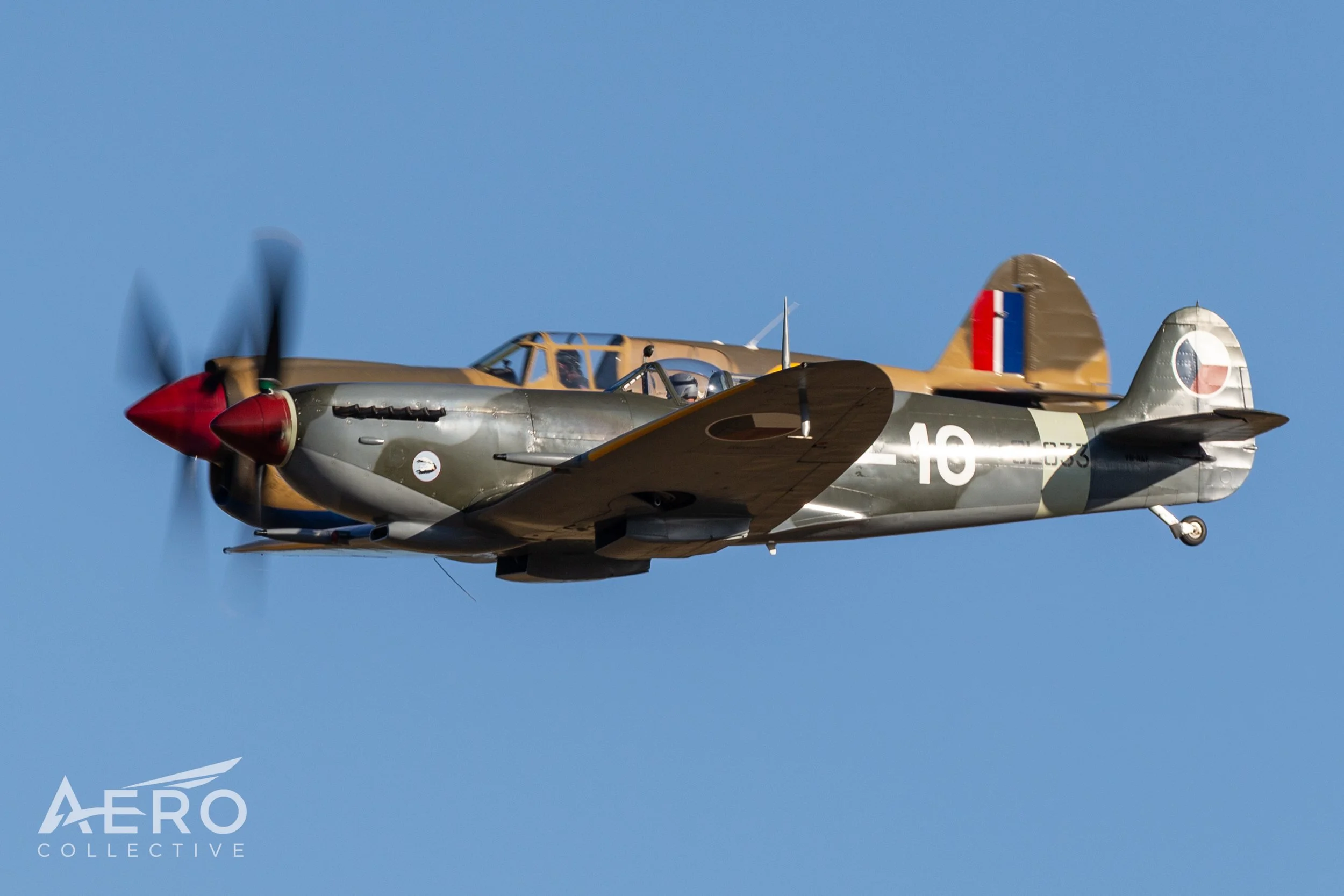
However, the Spitfire’s story did not end there. Over the course of the Second World War, more than 20,000 were built in dozens of variants. From the Mk I to the Griffon-powered late marks, the aircraft evolved continuously. More powerful engines, clipped wings, bubble canopies, navalised Seafires. It fought not only over Britain, but across Europe, North Africa, the Mediterranean, and the Pacific. It served with Allied air forces around the world and continued in frontline service well into the post-war years.
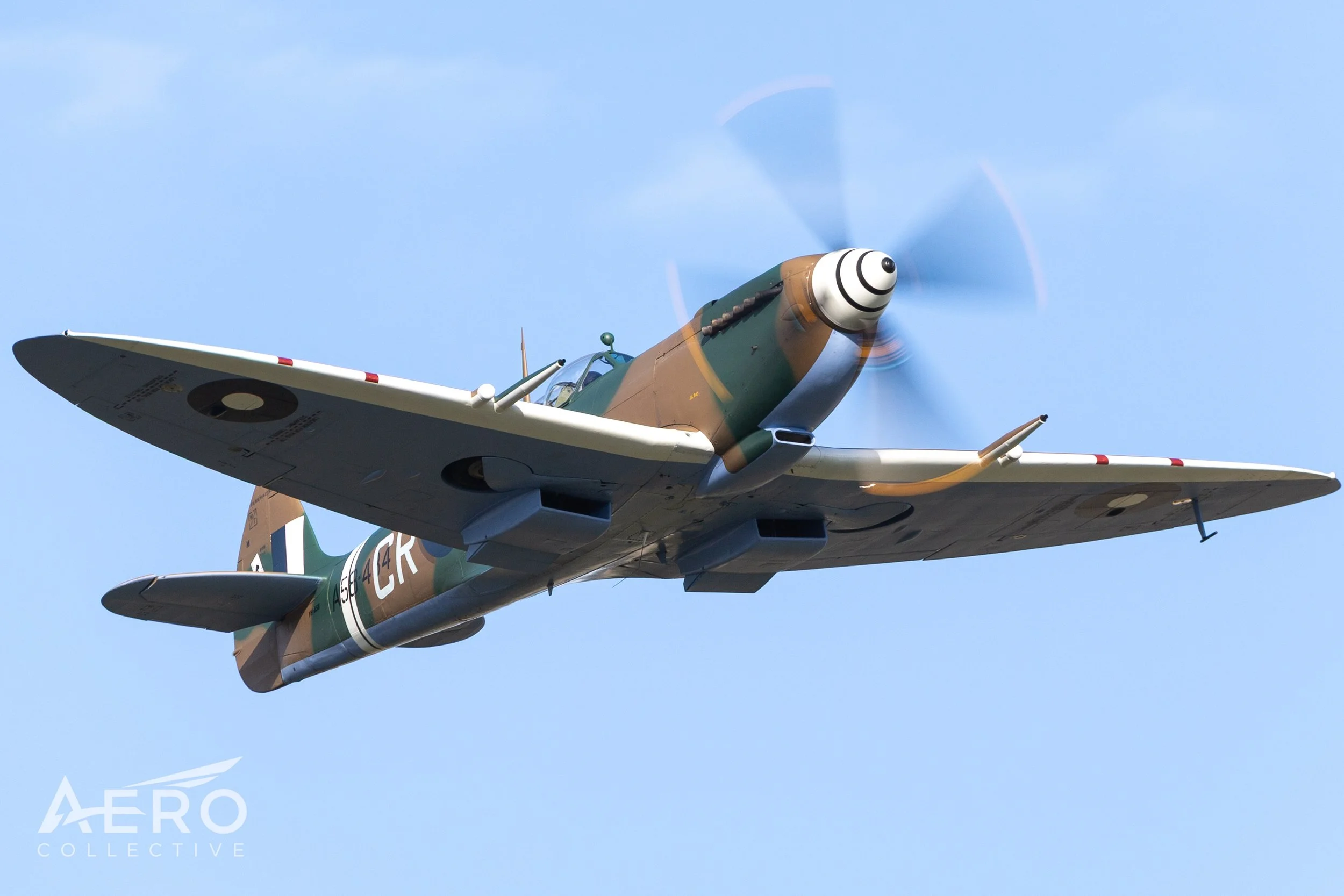
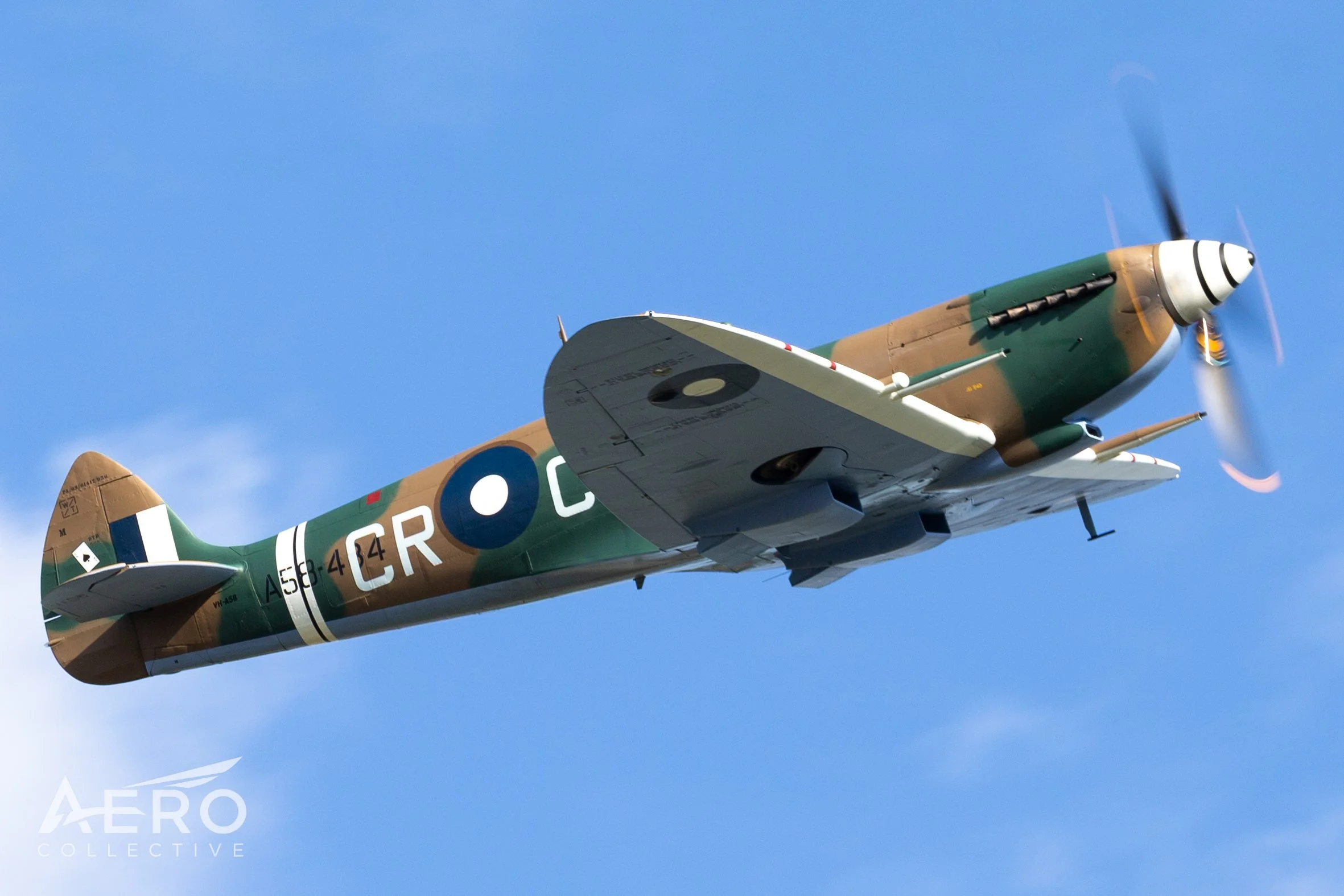
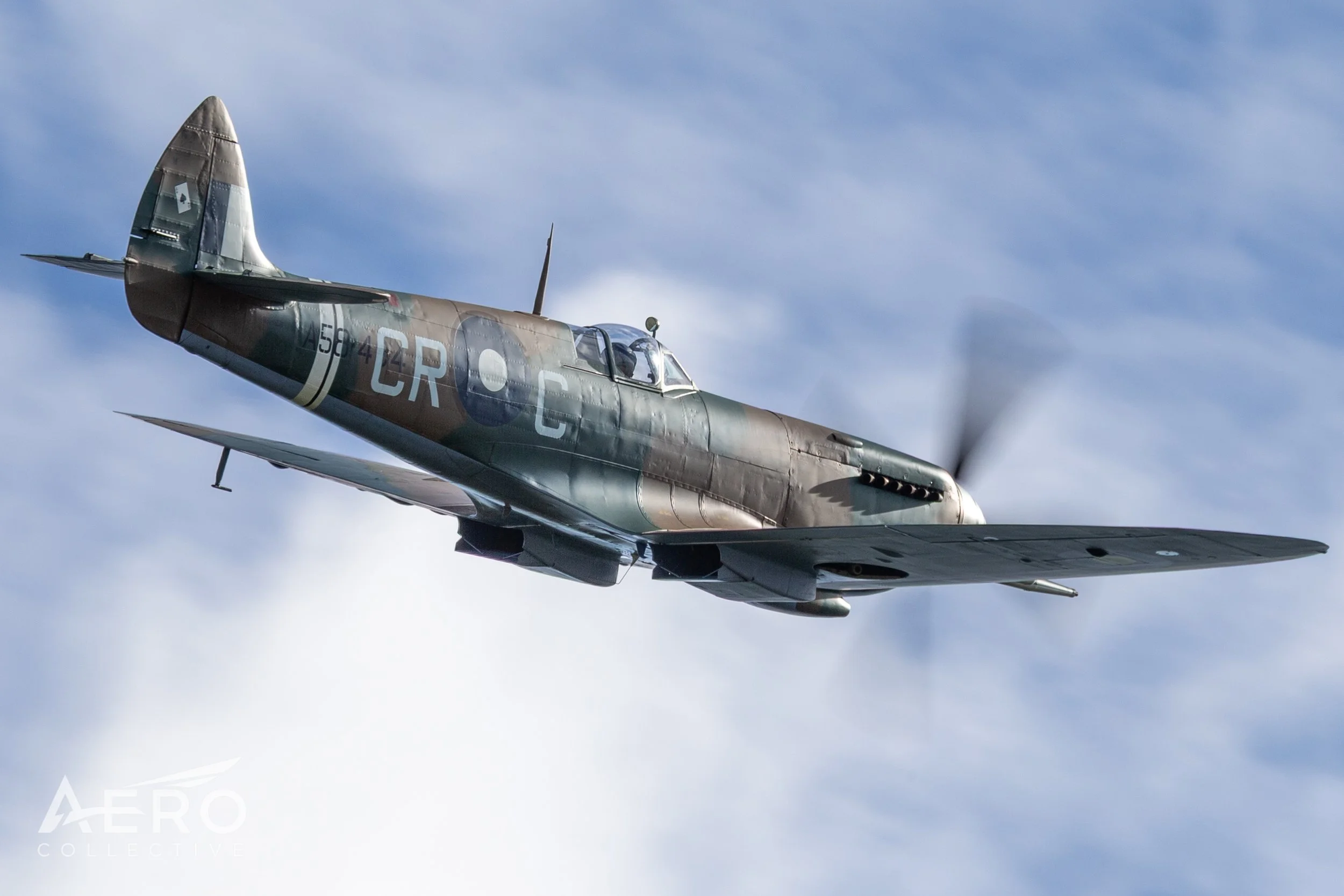
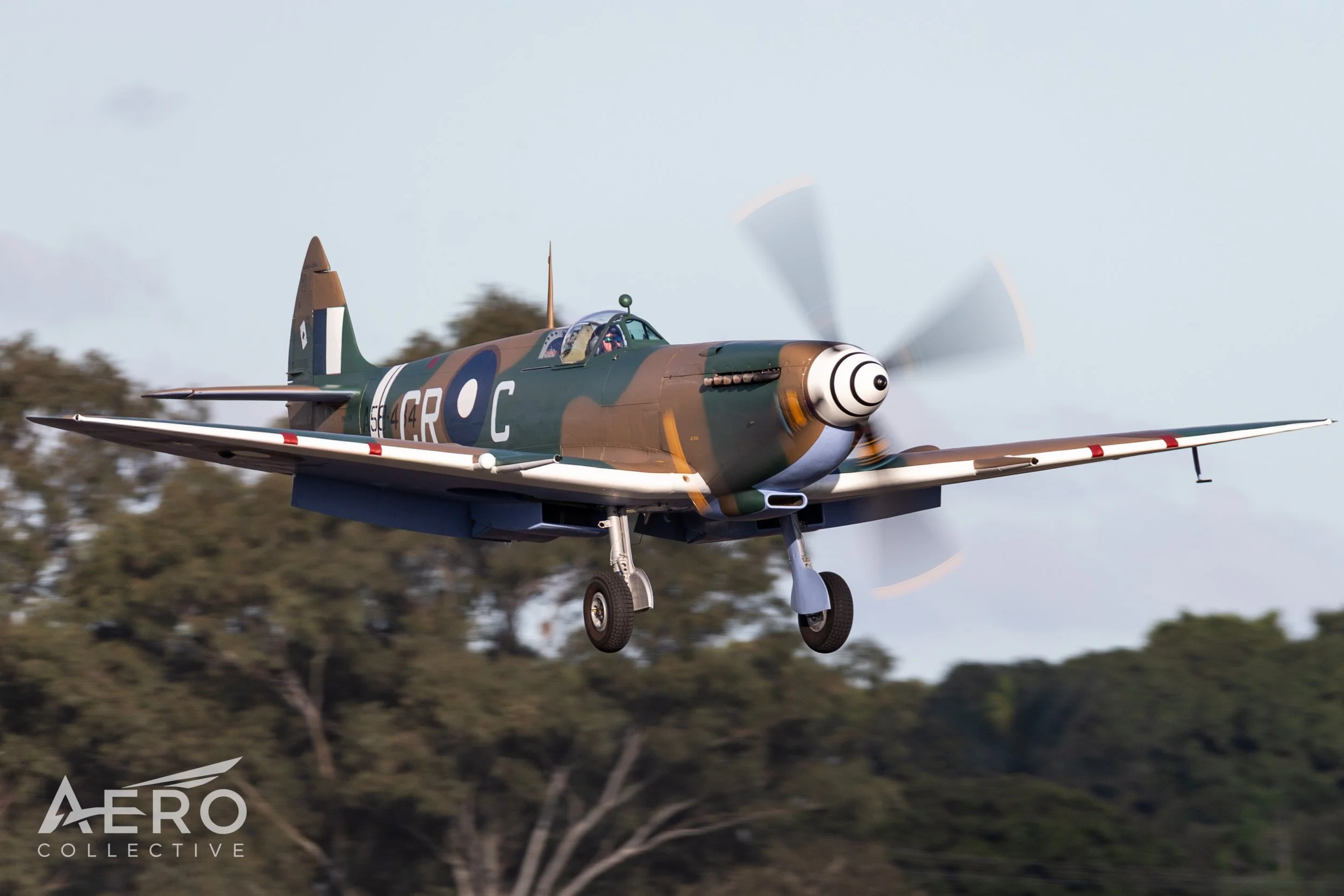
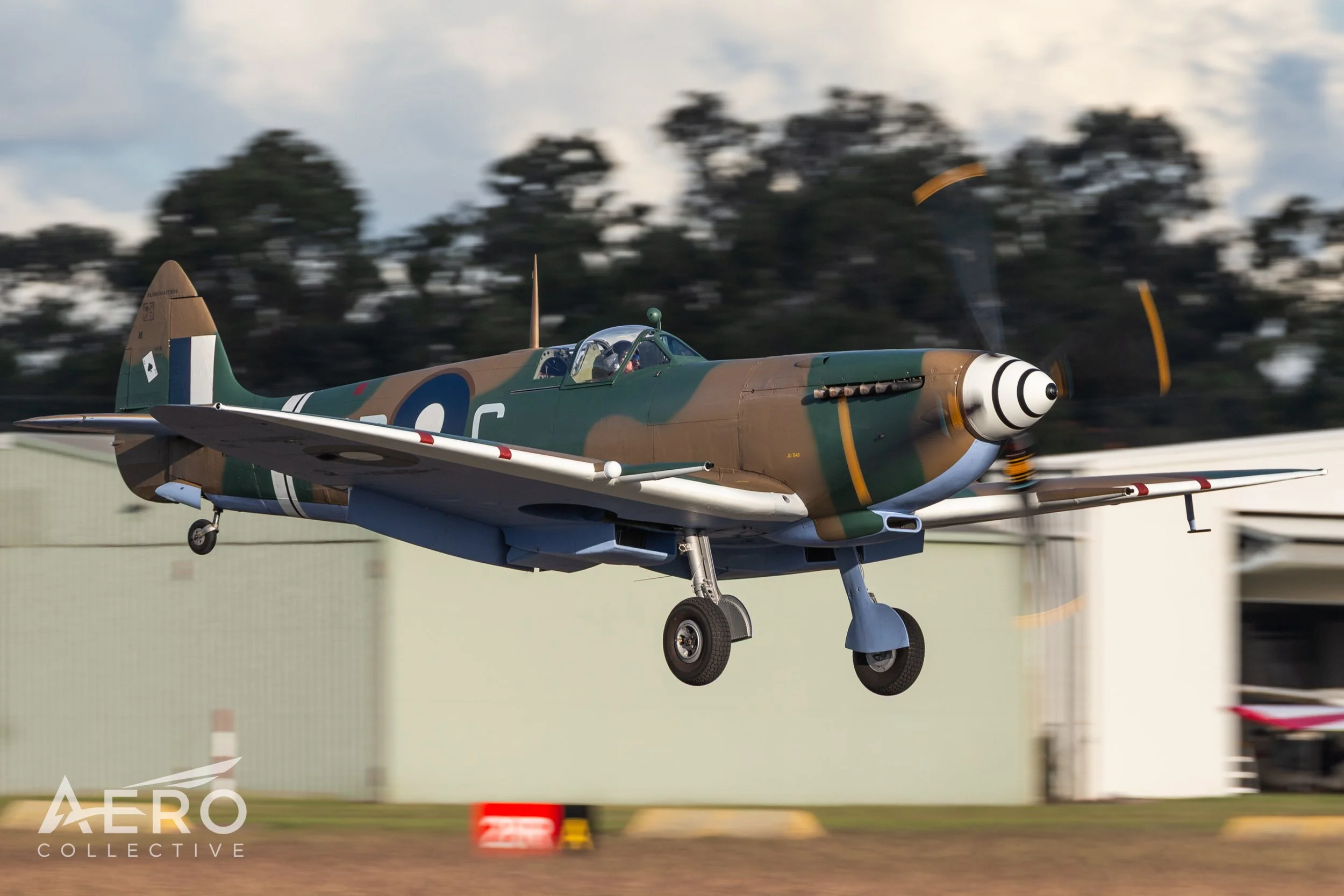
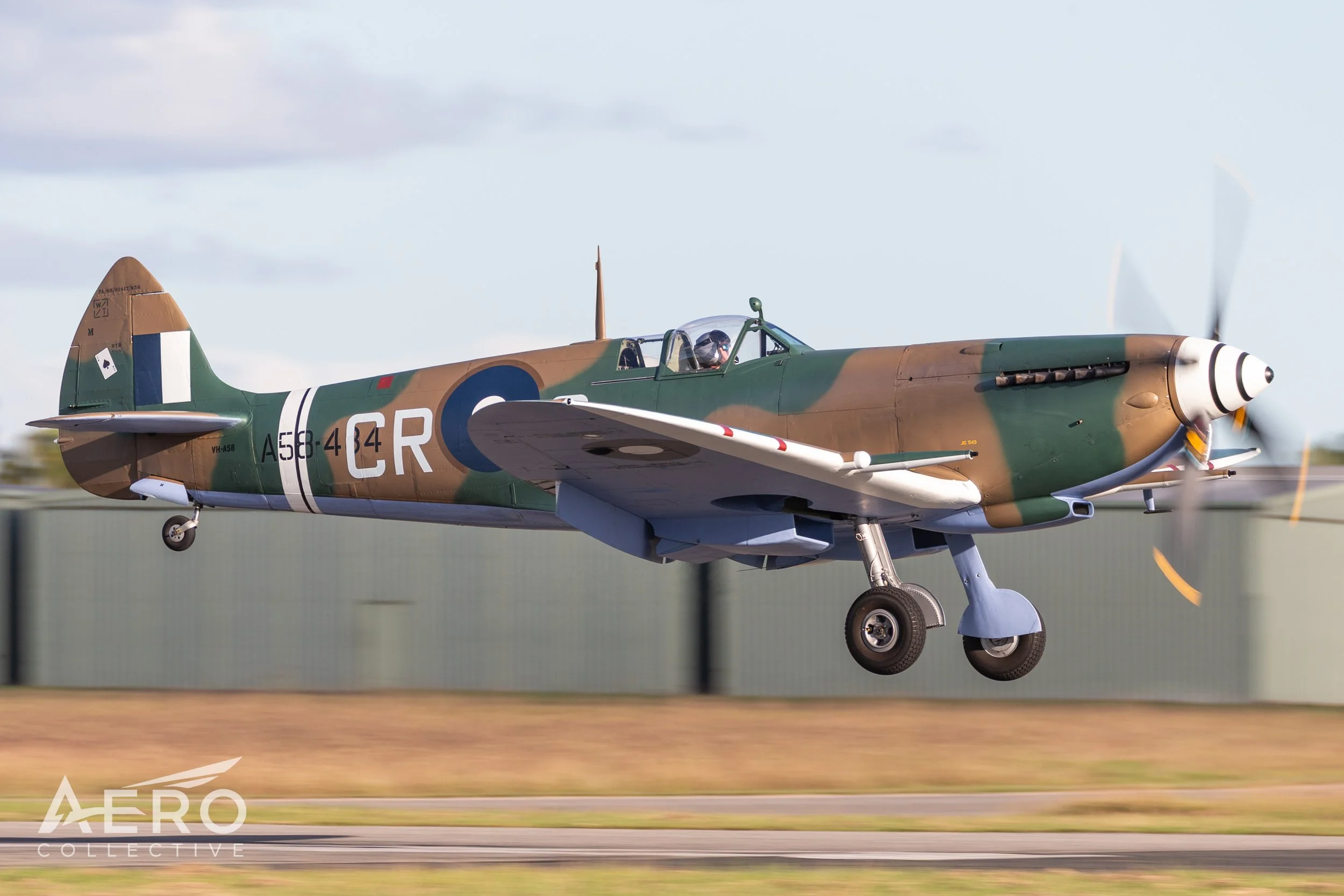
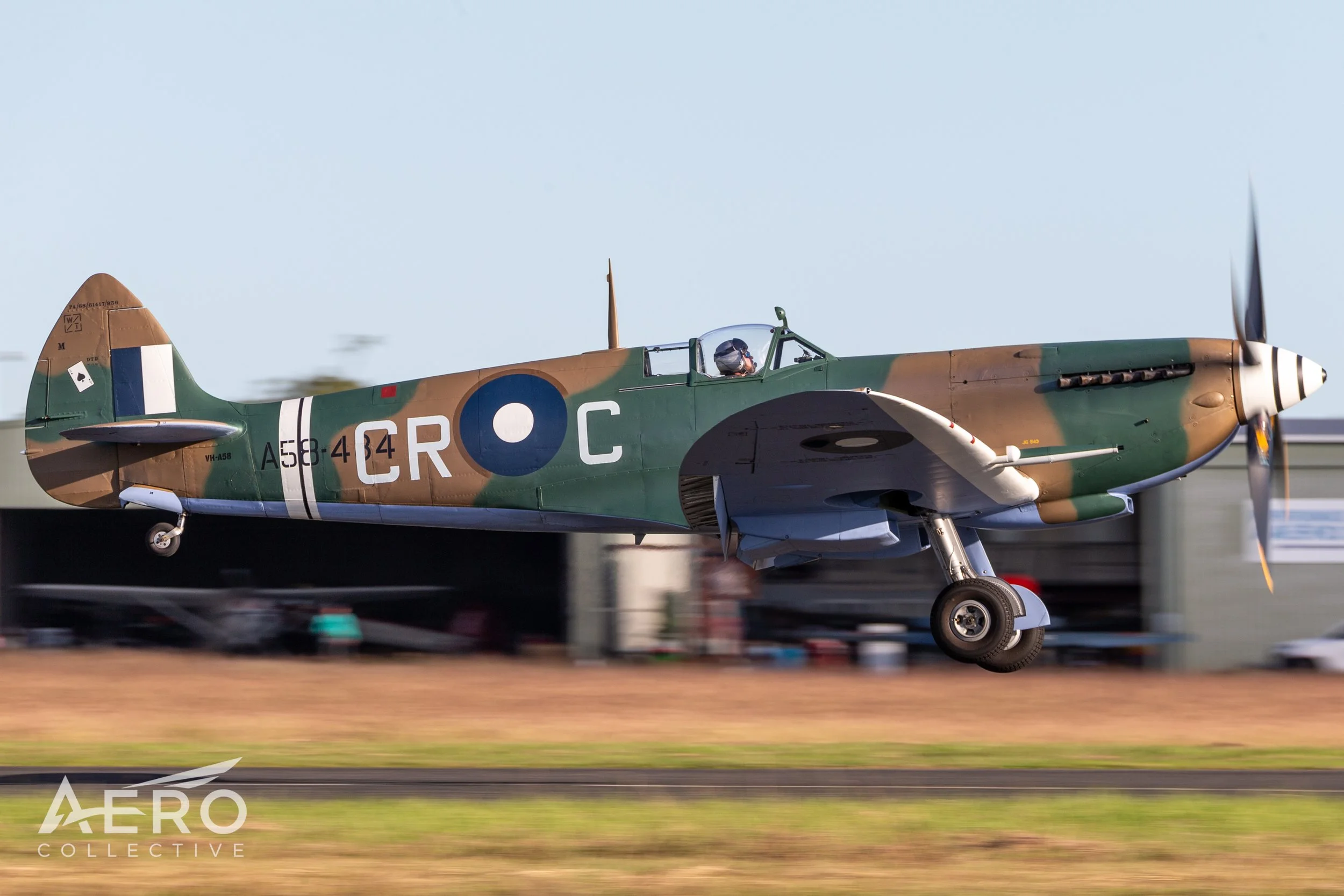
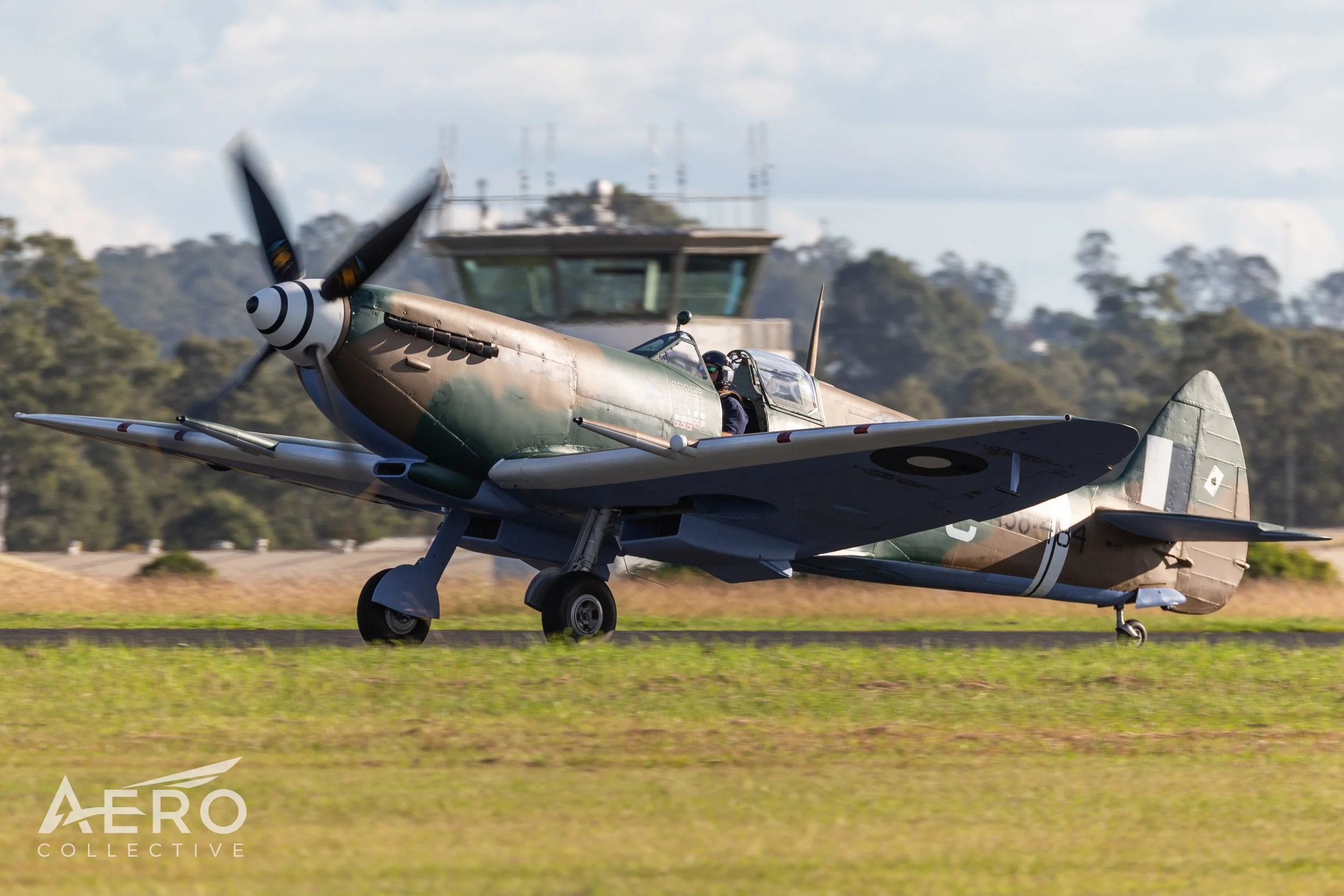
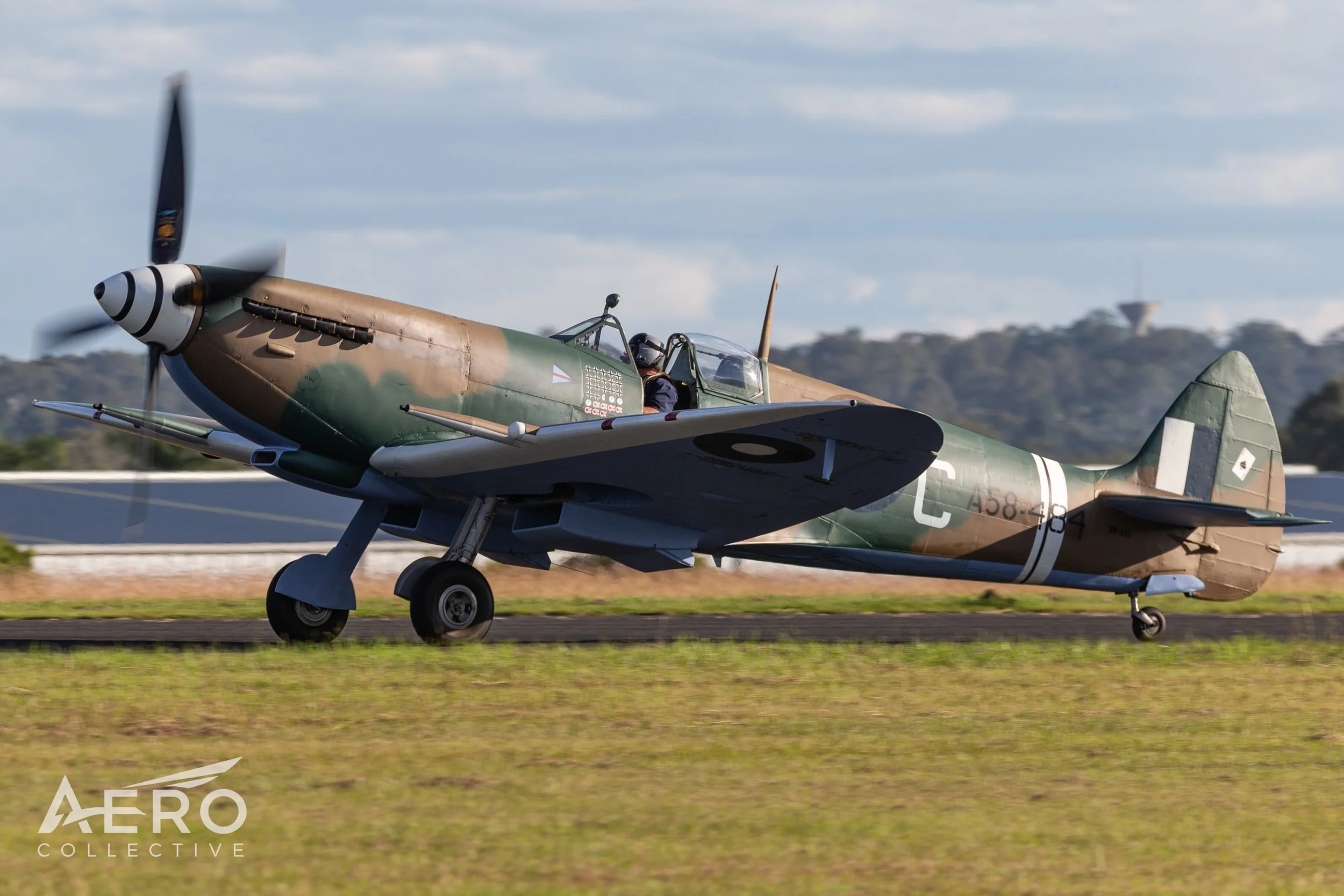
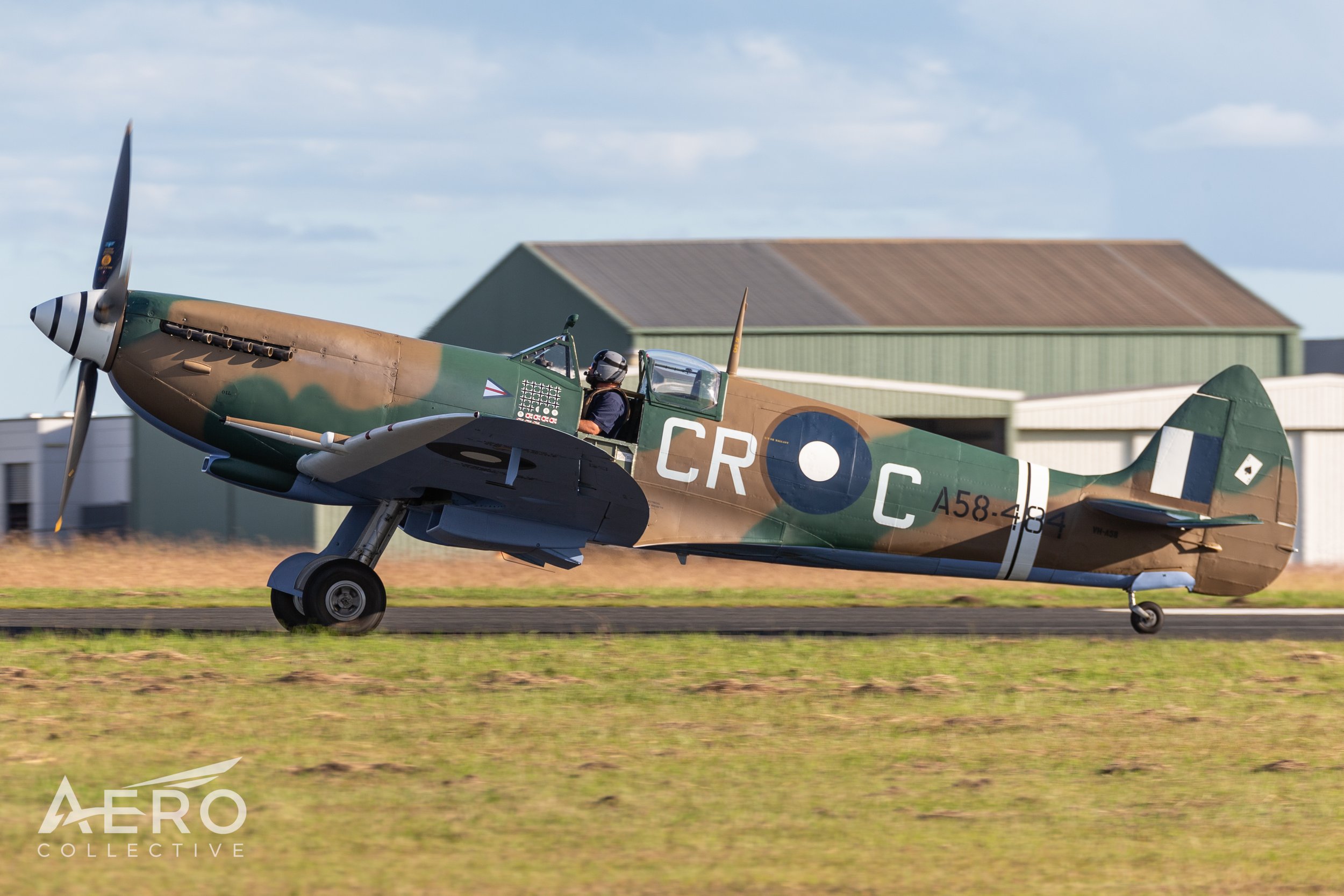
For Australia, the Spitfire carries a particularly powerful legacy. Operated by the Royal Australian Air Force in the defence of Darwin and northern Australia in 1943, RAAF Spitfires met Japanese raids in some of the most challenging conditions imaginable. High temperatures, long overwater flights, and an unfamiliar enemy tested both machine and pilot. Though the campaign was hard-fought and at times controversial, it marked a crucial chapter in Australia’s home defence — and cemented the Spitfire’s place in our national story.
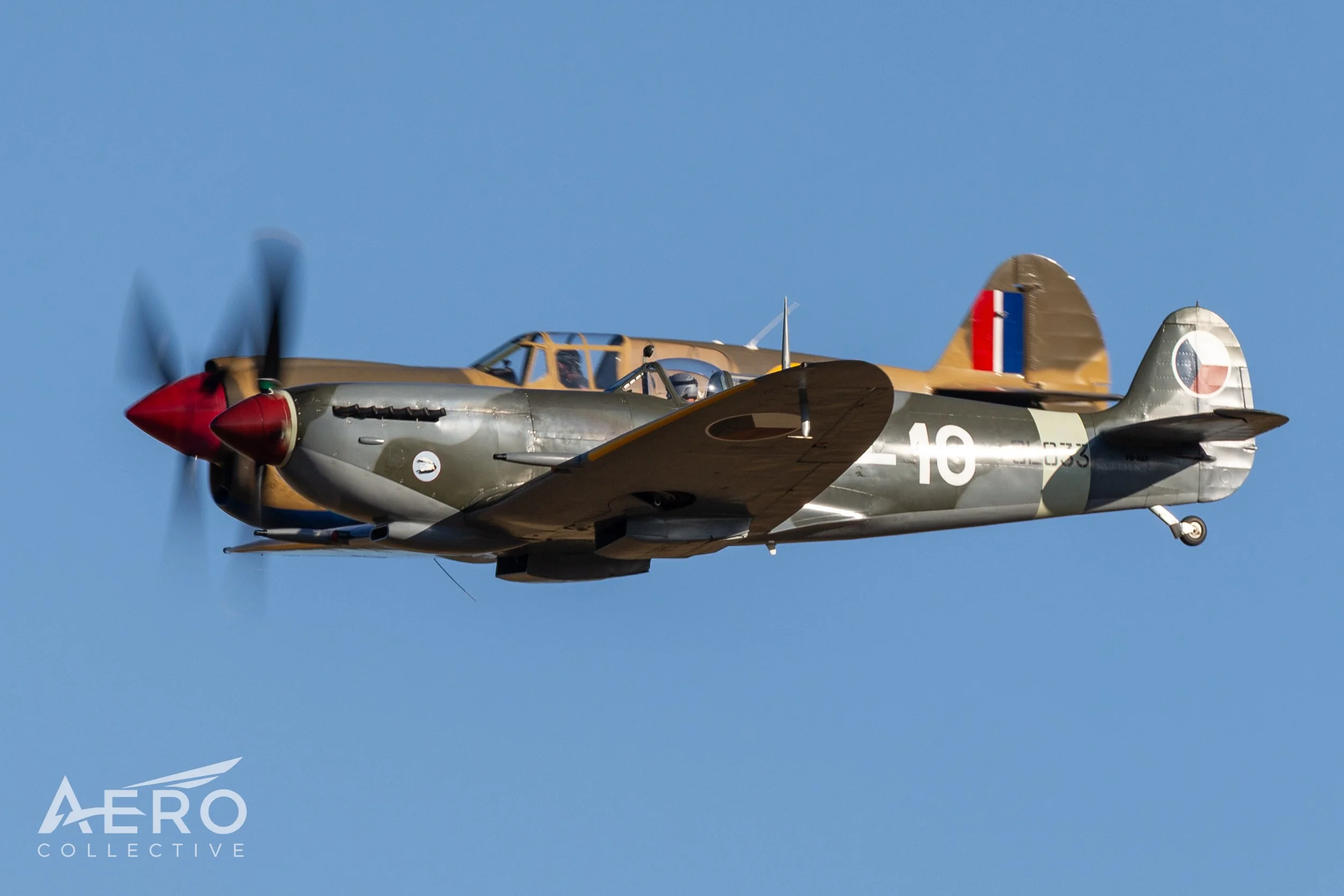
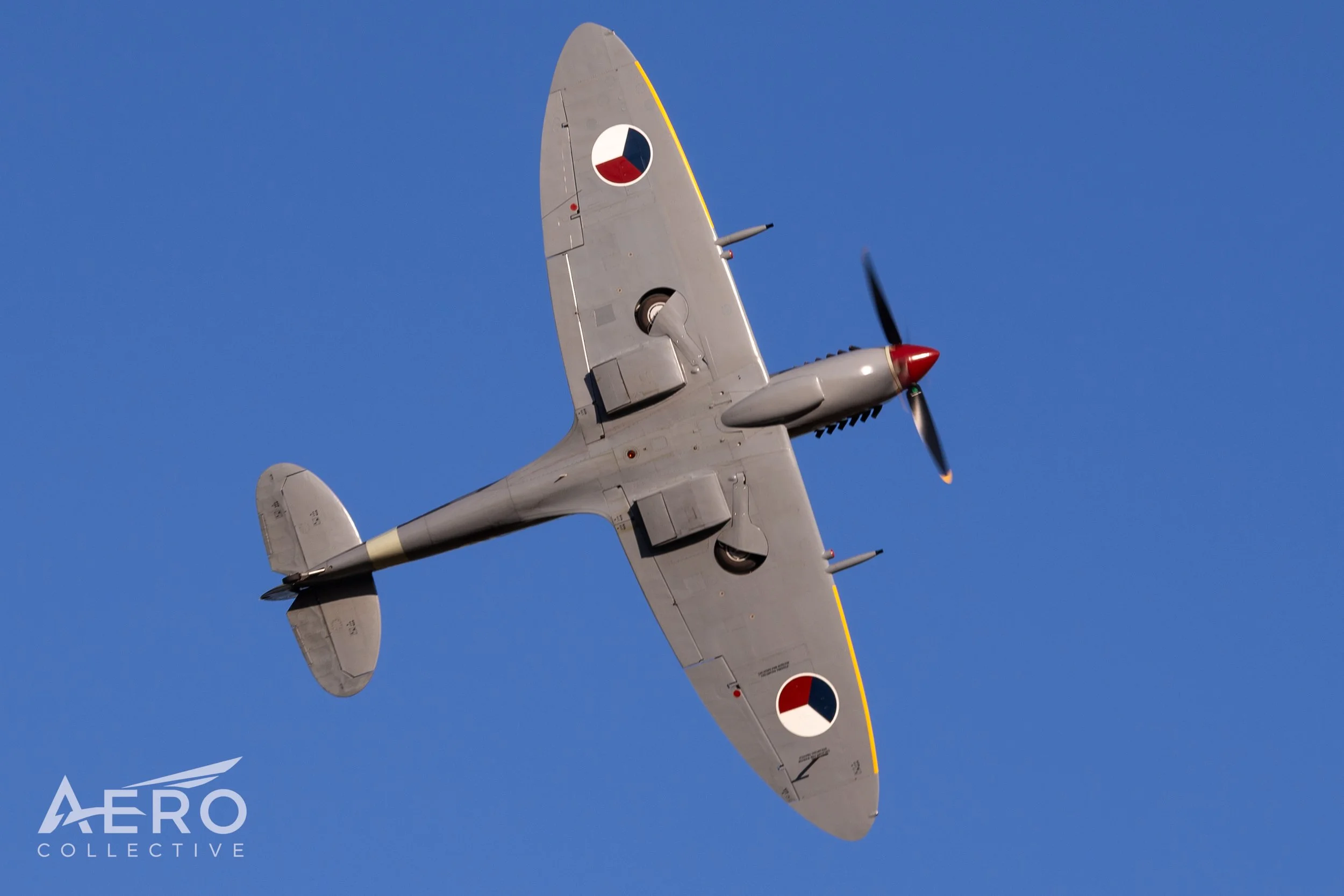
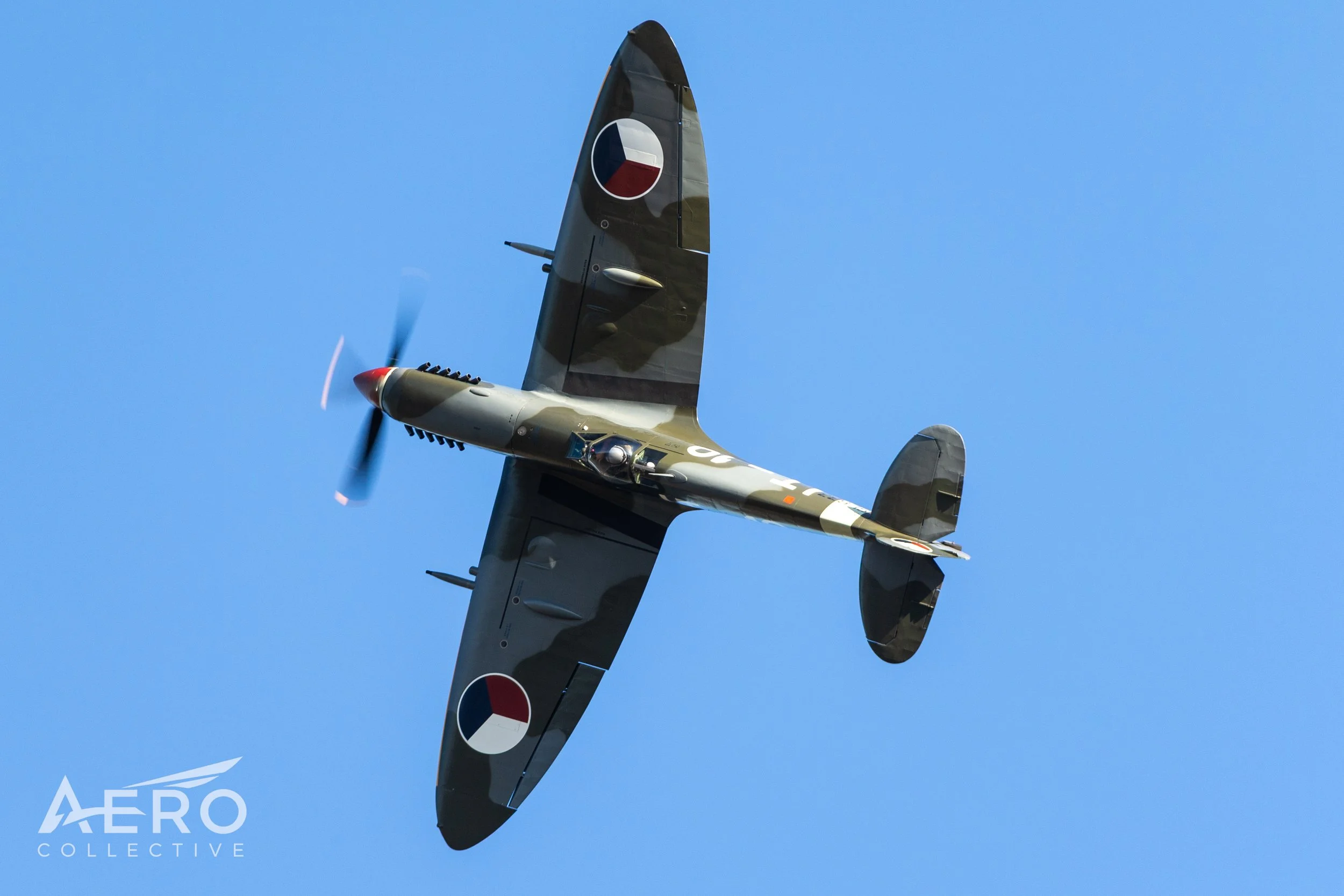
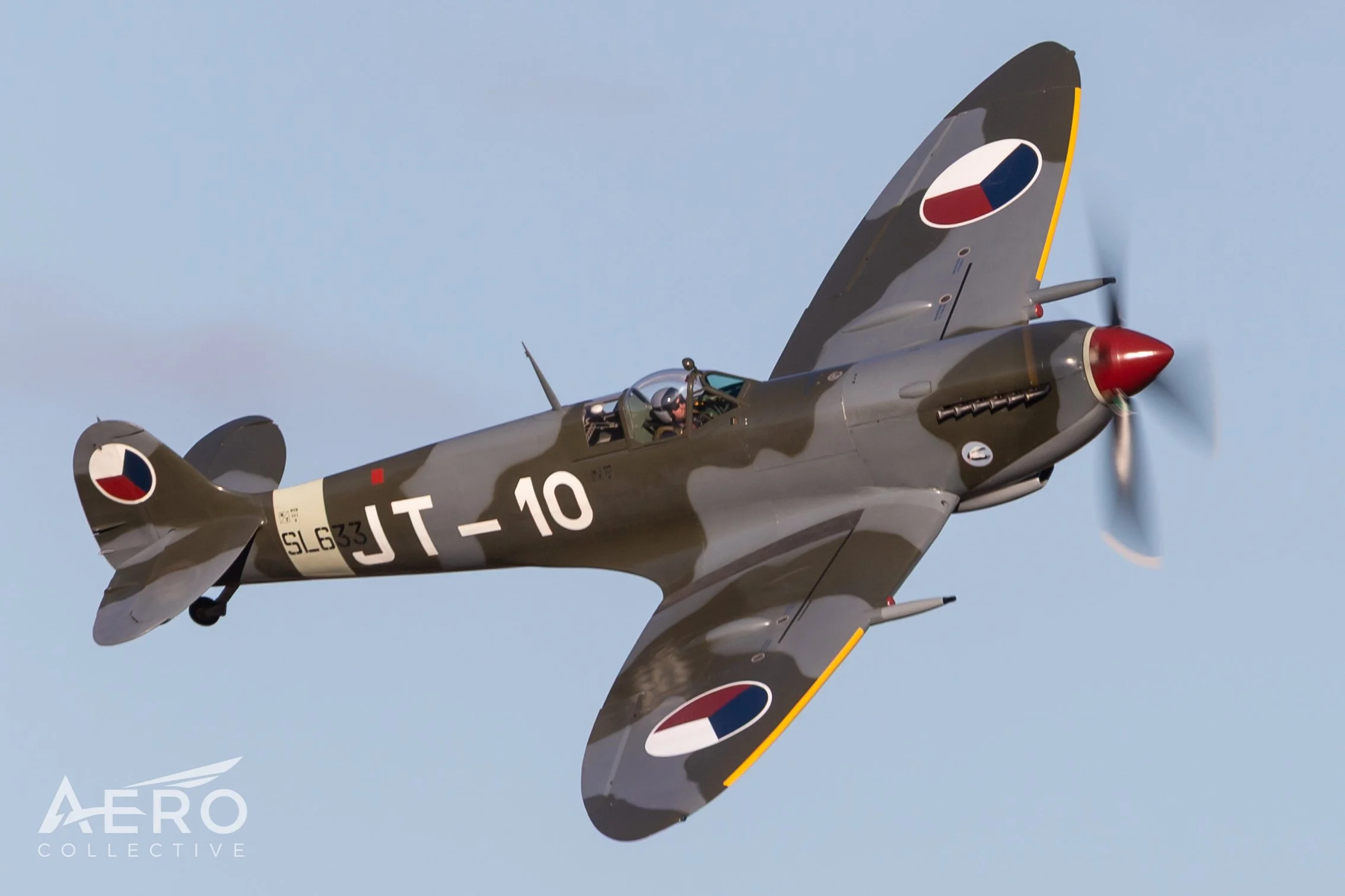
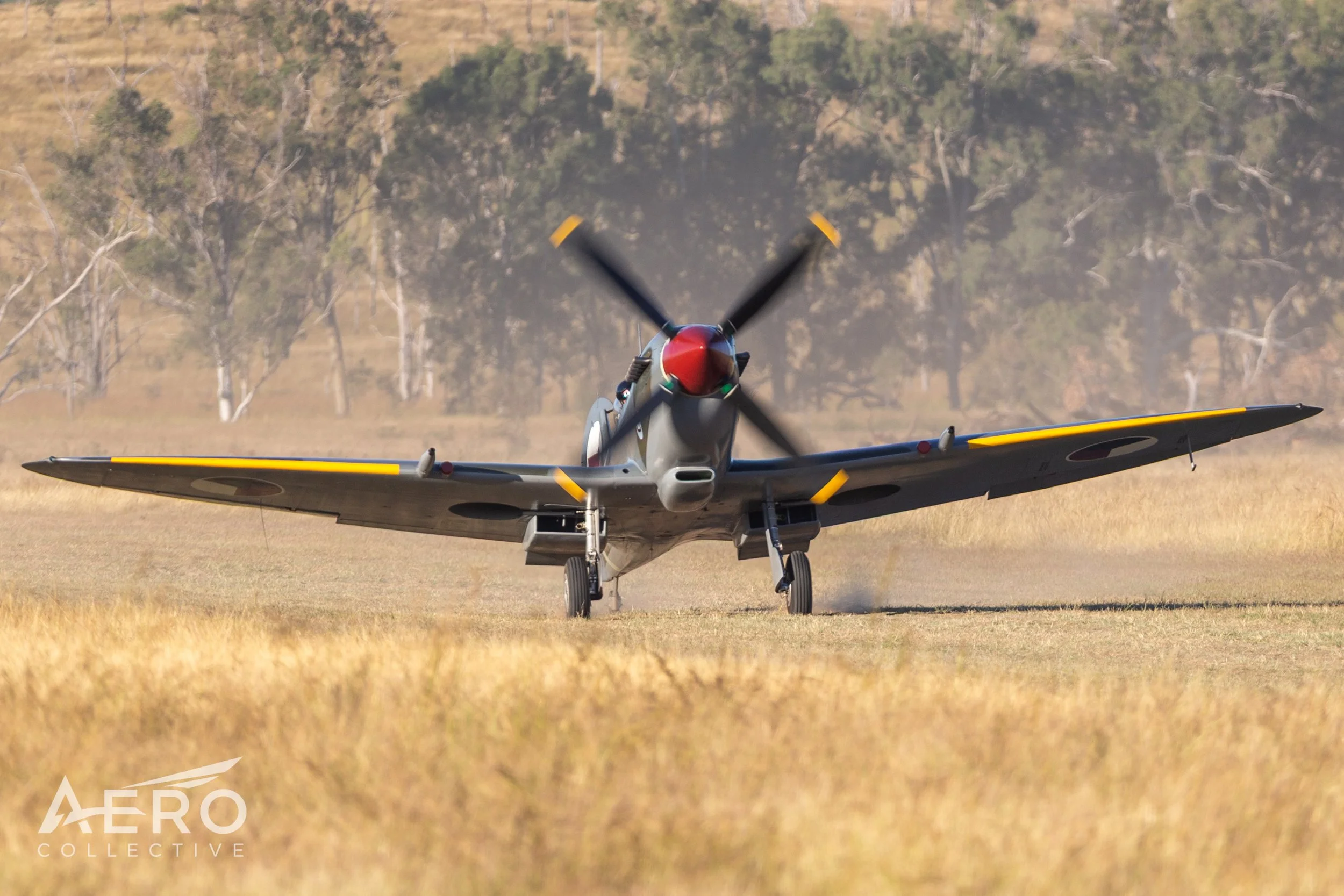
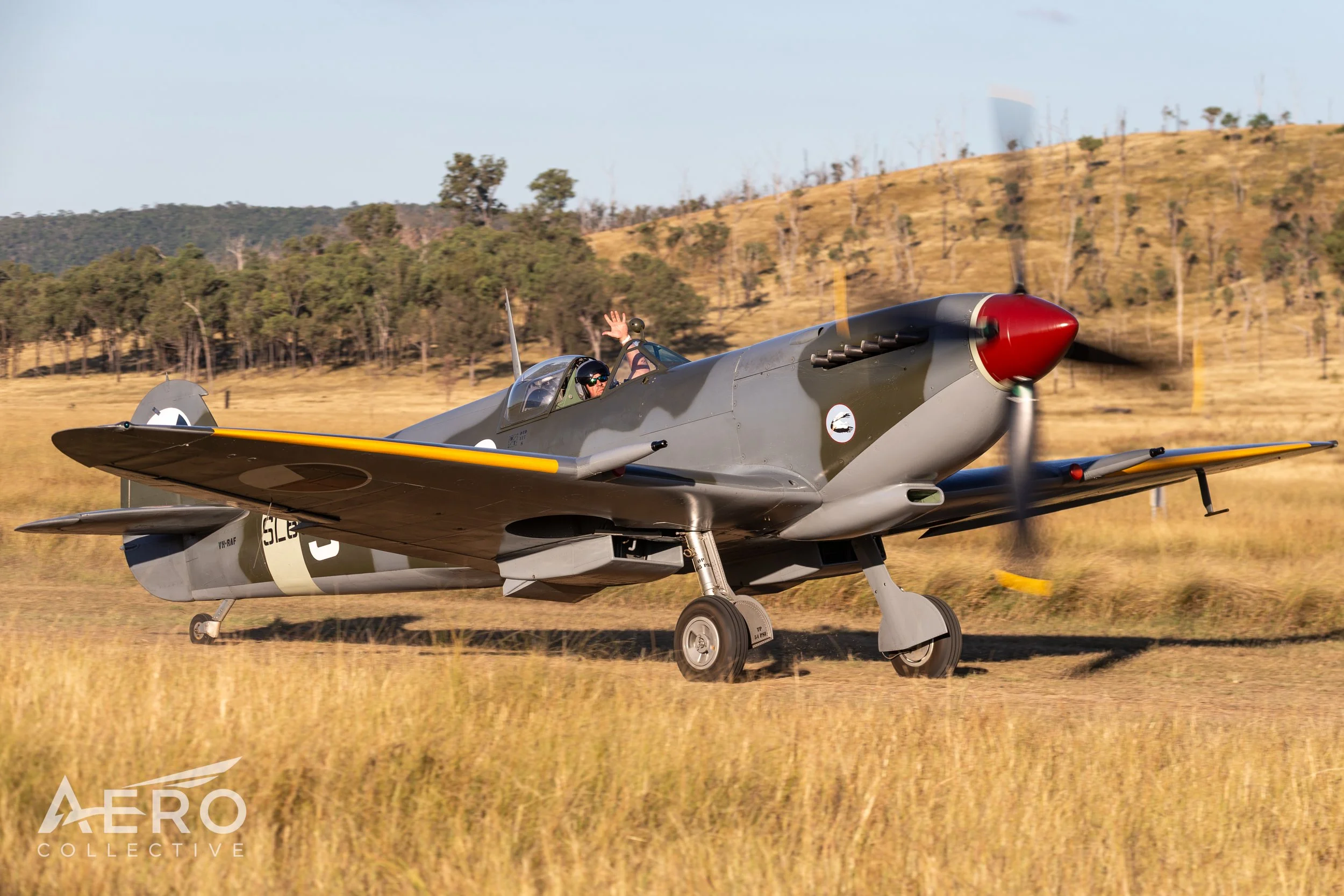
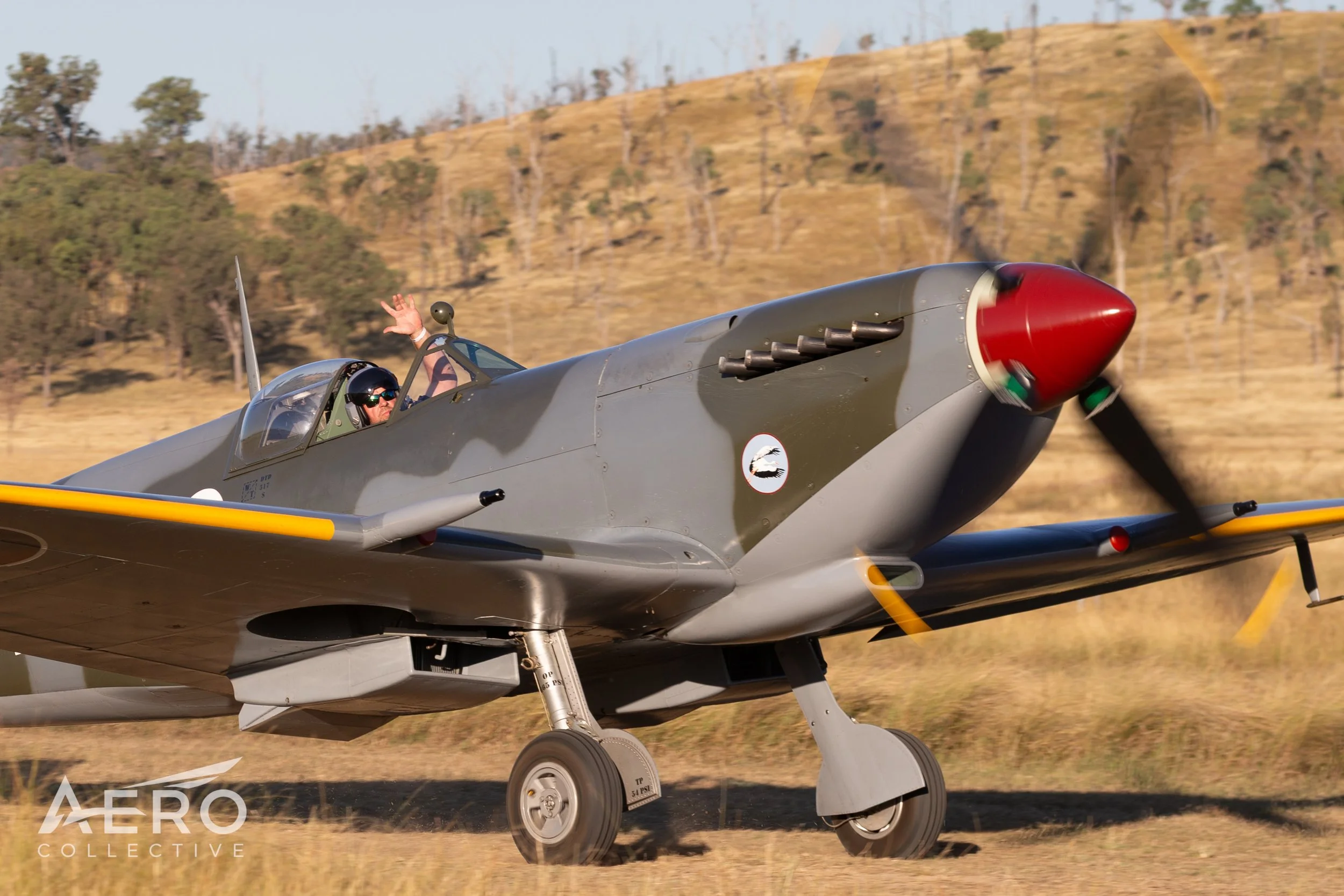
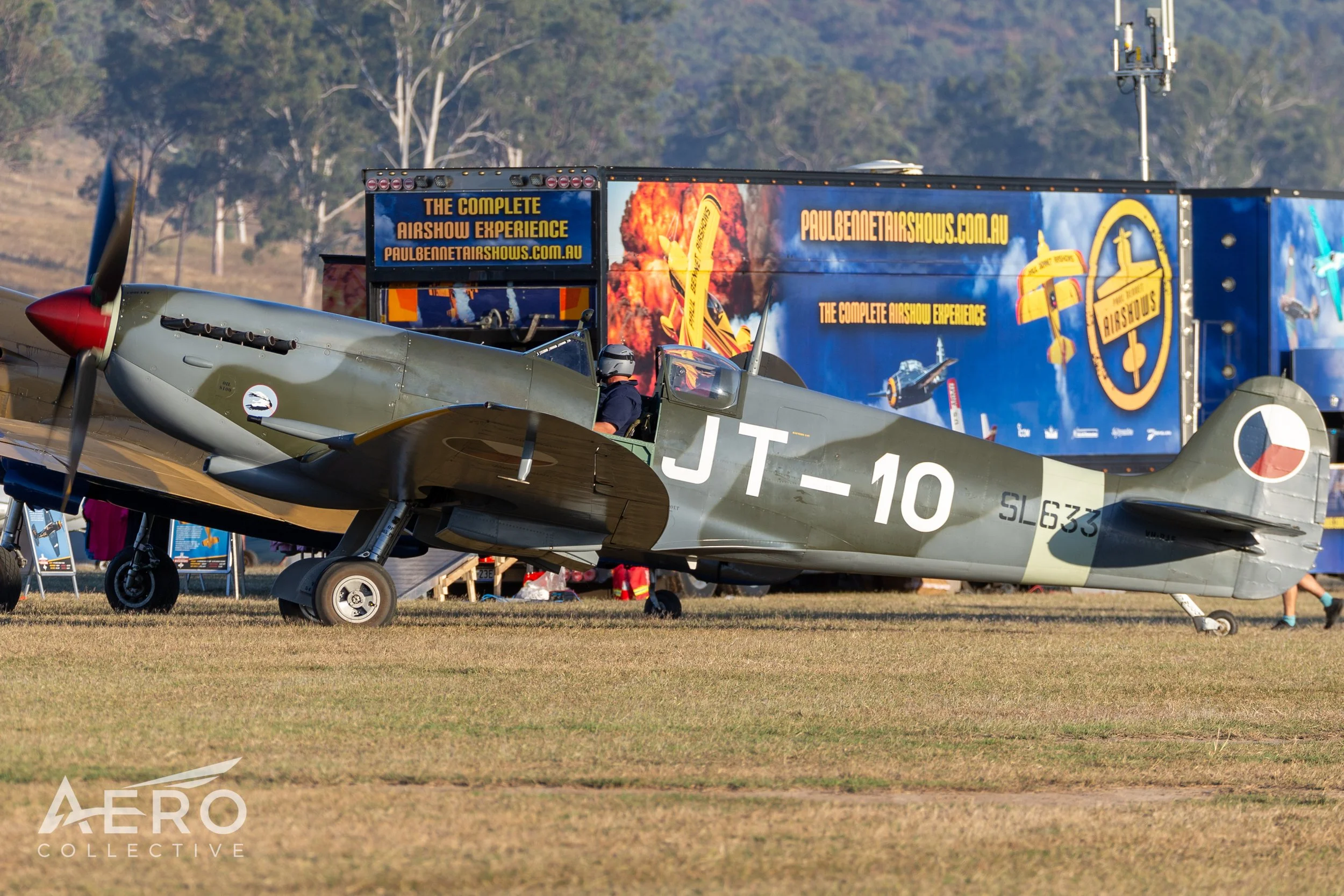
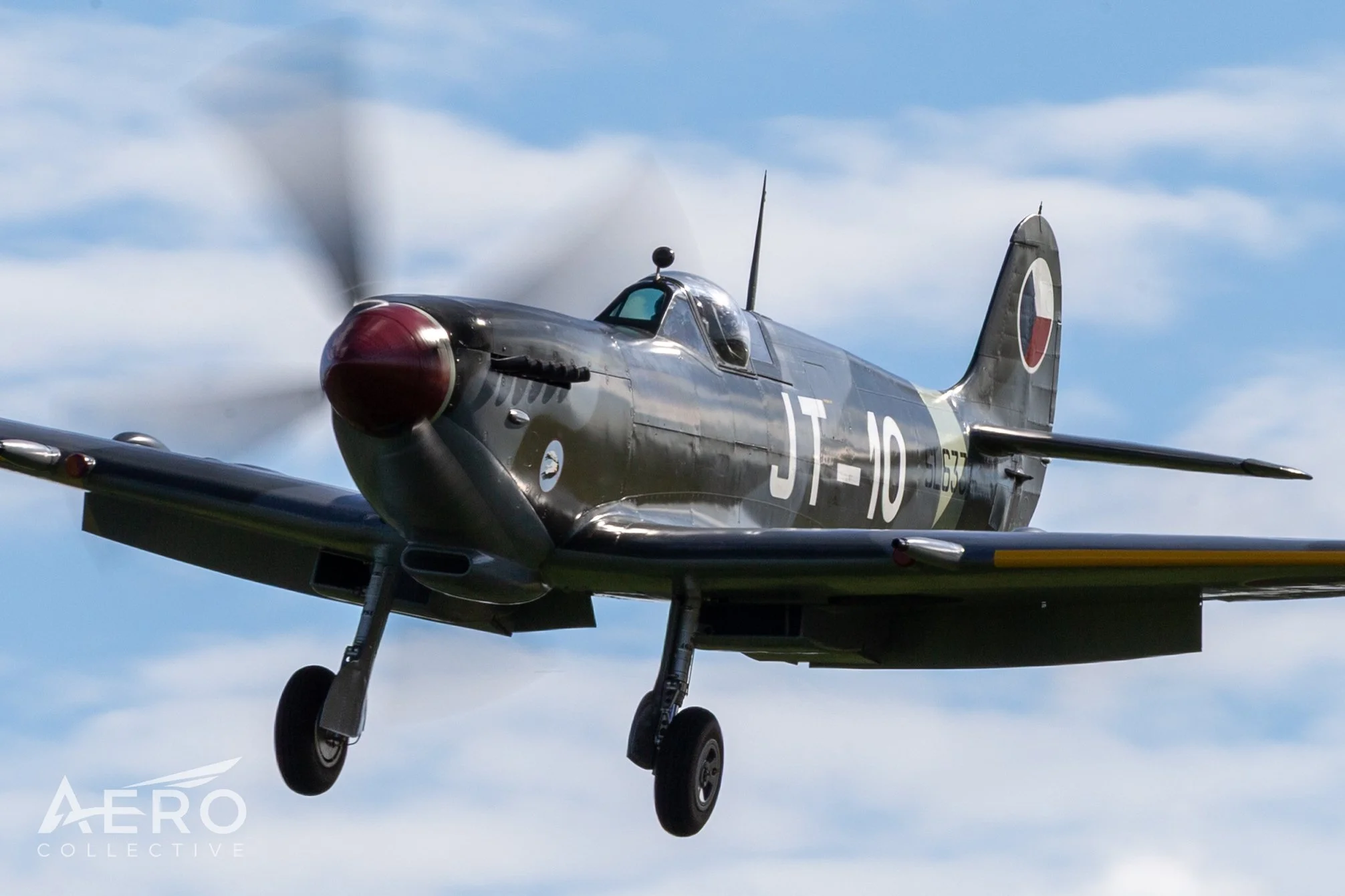
Ninety years on, the Spitfire is no museum-bound relic. Around the world, and here at home, airworthy examples continue to grace the skies. At airshows, the sight of that elliptical wing carving through a blue sky still stops crowds. The distinctive whine of a Merlin at full song is more than a sound, it’s a time machine.
In an era of composite materials, fly-by-wire systems, and stealth, the Spitfire represents something beautifully mechanical and deeply human. It was shaped by slide rules and intuition, flown by young men navigating by map and compass, and maintained by ground crews working by torchlight in the cold. Its survival into the 21st century is a tribute not only to its design, but to the global community of restorers, engineers, historians, and pilots who keep its story alive.
For aviation photographers and enthusiasts, few aircraft offer the same elegance. The Spitfire looks just as compelling in a gentle banking pass at sunset as it does in a high-powered climb with vapour streaming from its wingtips. It is a beautiful combination of art, and engineering, that created both a weapon and an icon.
As we mark 90 years since that first flight in 1936, the Spitfire stands as more than a machine. It is a symbol of ingenuity under pressure, of courage in the face of overwhelming odds, and of the timeless allure of flight itself.