January in the Air: Victoria’s Bushfire Response
Article by Laurence Yang
Images by Laurence Yang
By mid-January, Victoria was burning.
A severe heatwave drove temperatures beyond 41°C, with gusts approaching 90km/h turning small ignitions into fast-moving, unpredictable fire fronts. Across the state, more than 400,000 hectares were burned, stretching from Longwood in the north to the Otways in the southwest, marking the most intense bushfire conditions Victoria has faced since the 2019 season.
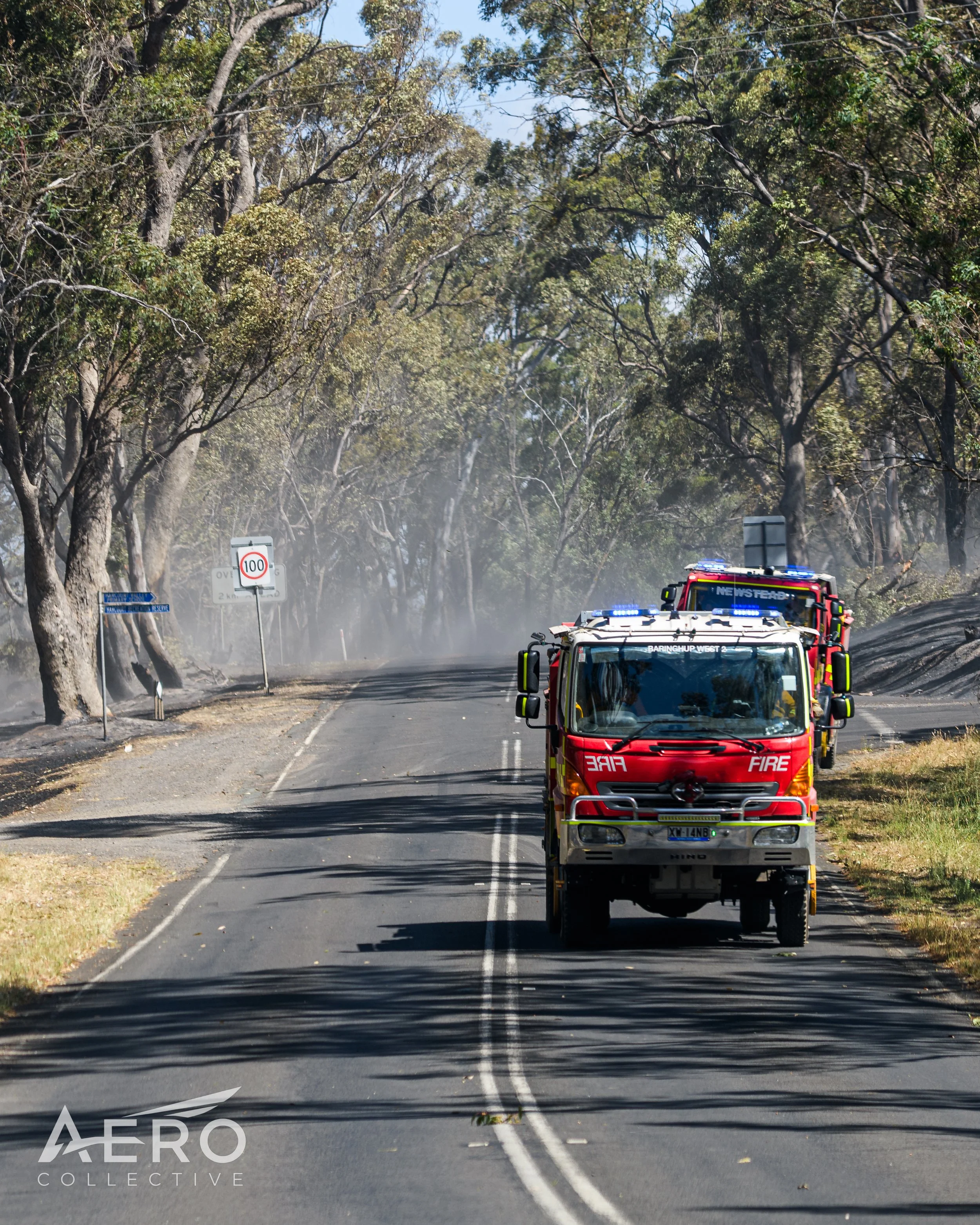
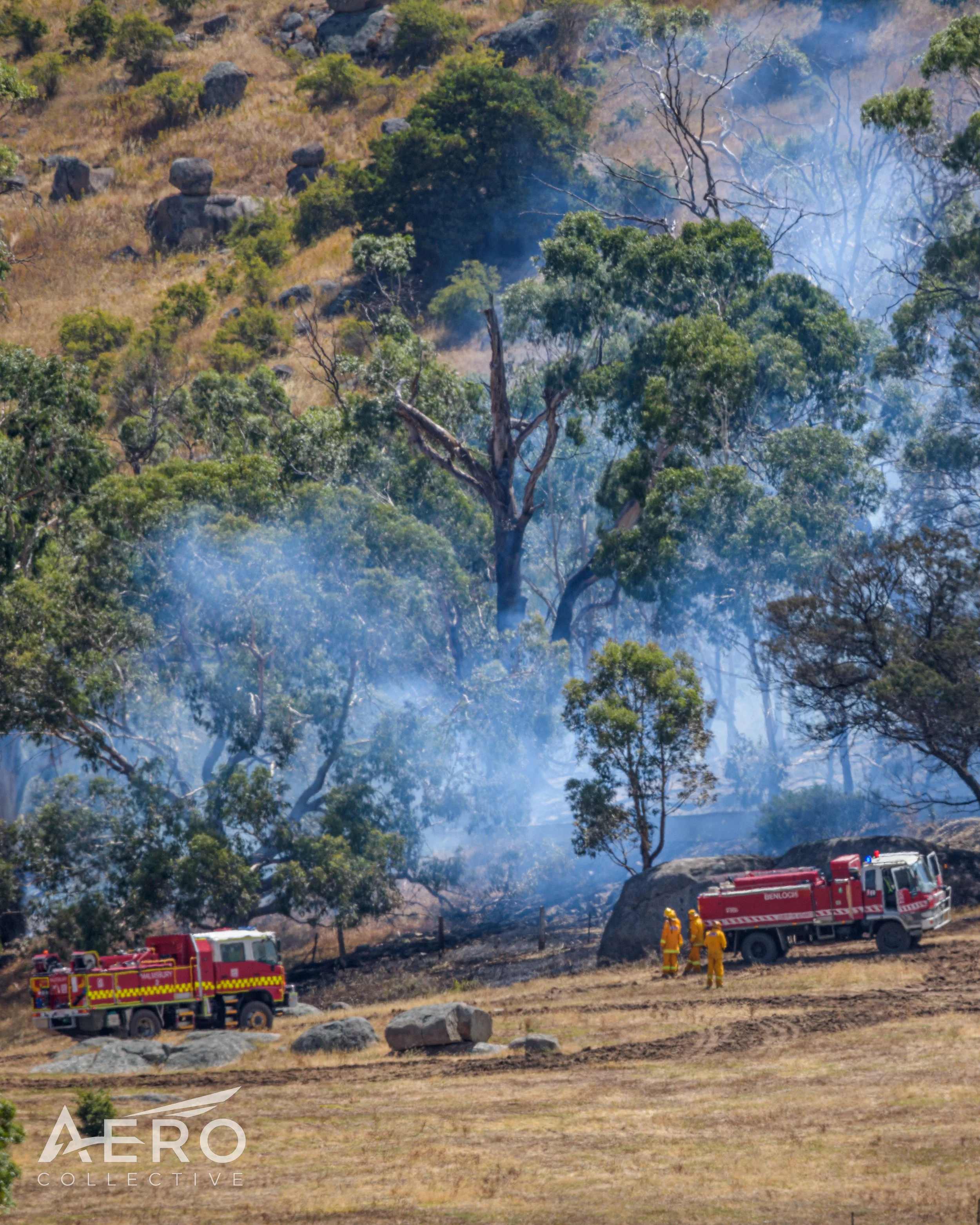
For aviation crews, this was not a single incident but a statewide emergency. Aircraft were dispersed across regional airstrips, temporary refuelling points, and forward staging areas, launching wherever conditions allowed and returning only long enough to refuel and re-task before heading back into the smoke.
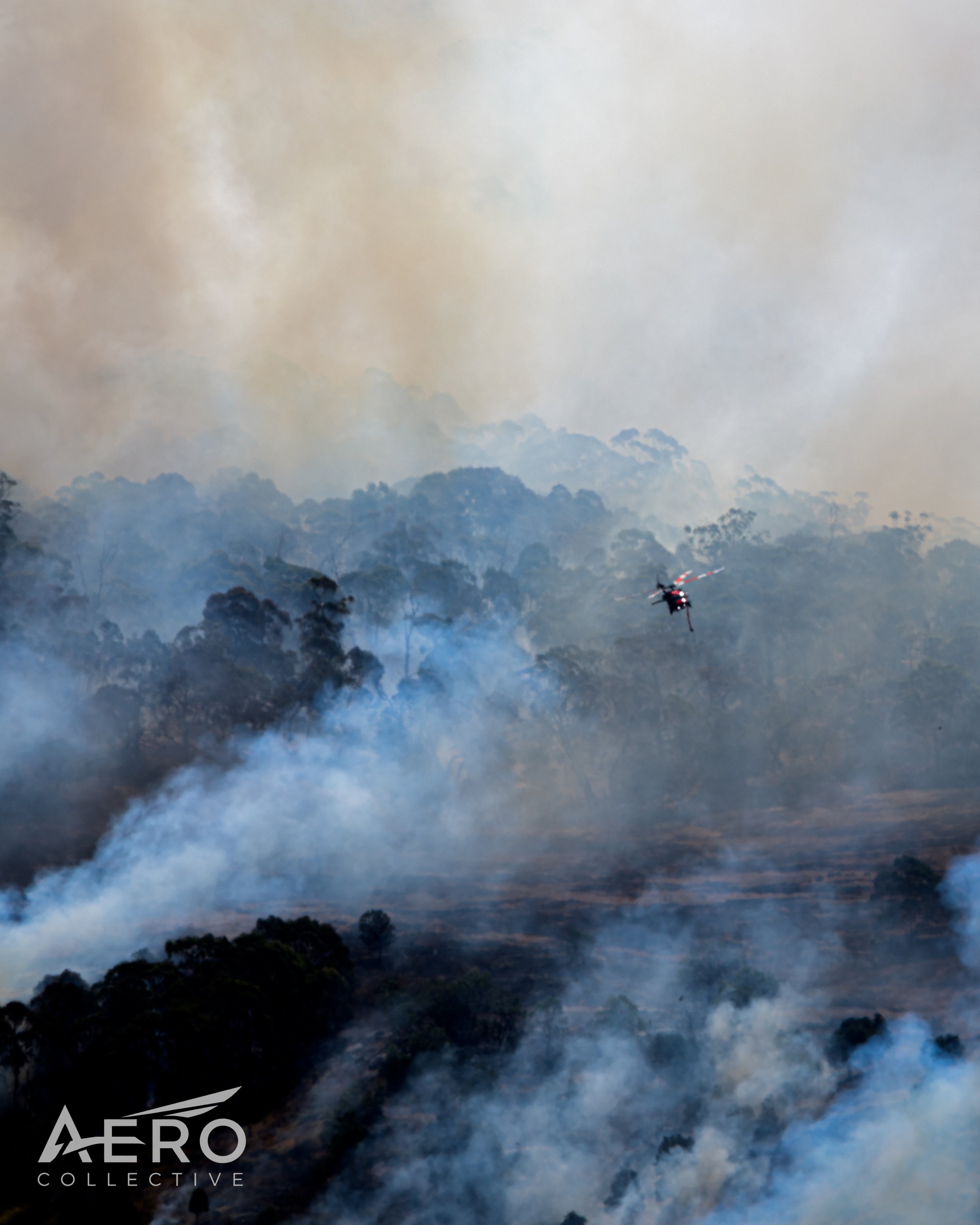
As the sun rose over central Victoria, visibility was already reduced by haze and drifting smoke. More than 70 aircraft were committed to the response, flying a constant rotation of aerial suppression, intelligence gathering, and coordination missions.
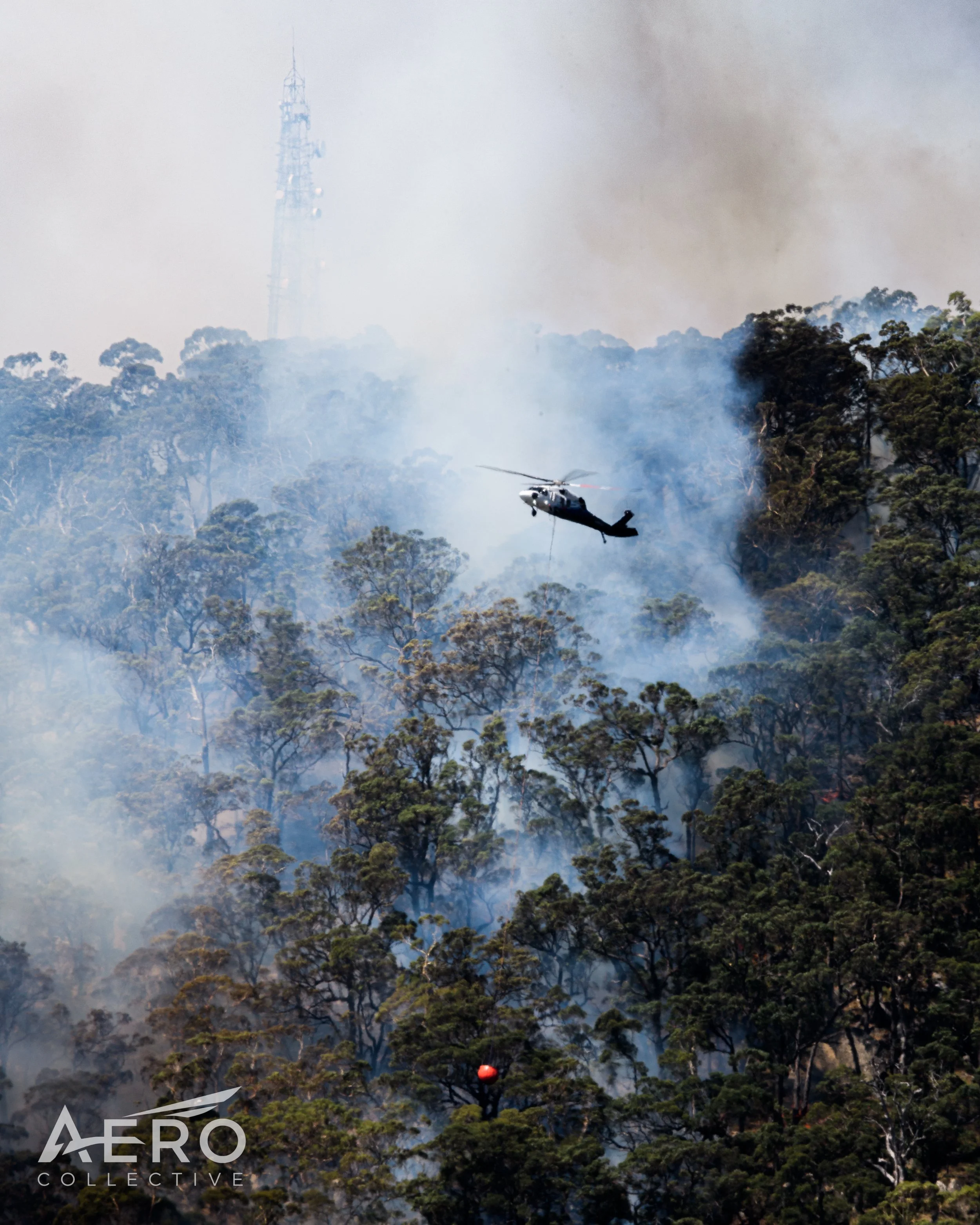
One of the most active areas was around Ravenswood and Harcourt. What began as a bushfire during the peak of the heatwave spread rapidly, pushing toward Harcourt before jumping the Calder Freeway and advancing toward Mount Ravenswood. Despite sustained aerial and ground efforts, at least 47 homes were destroyed as crews worked to slow the fire’s advance and protect surrounding communities.
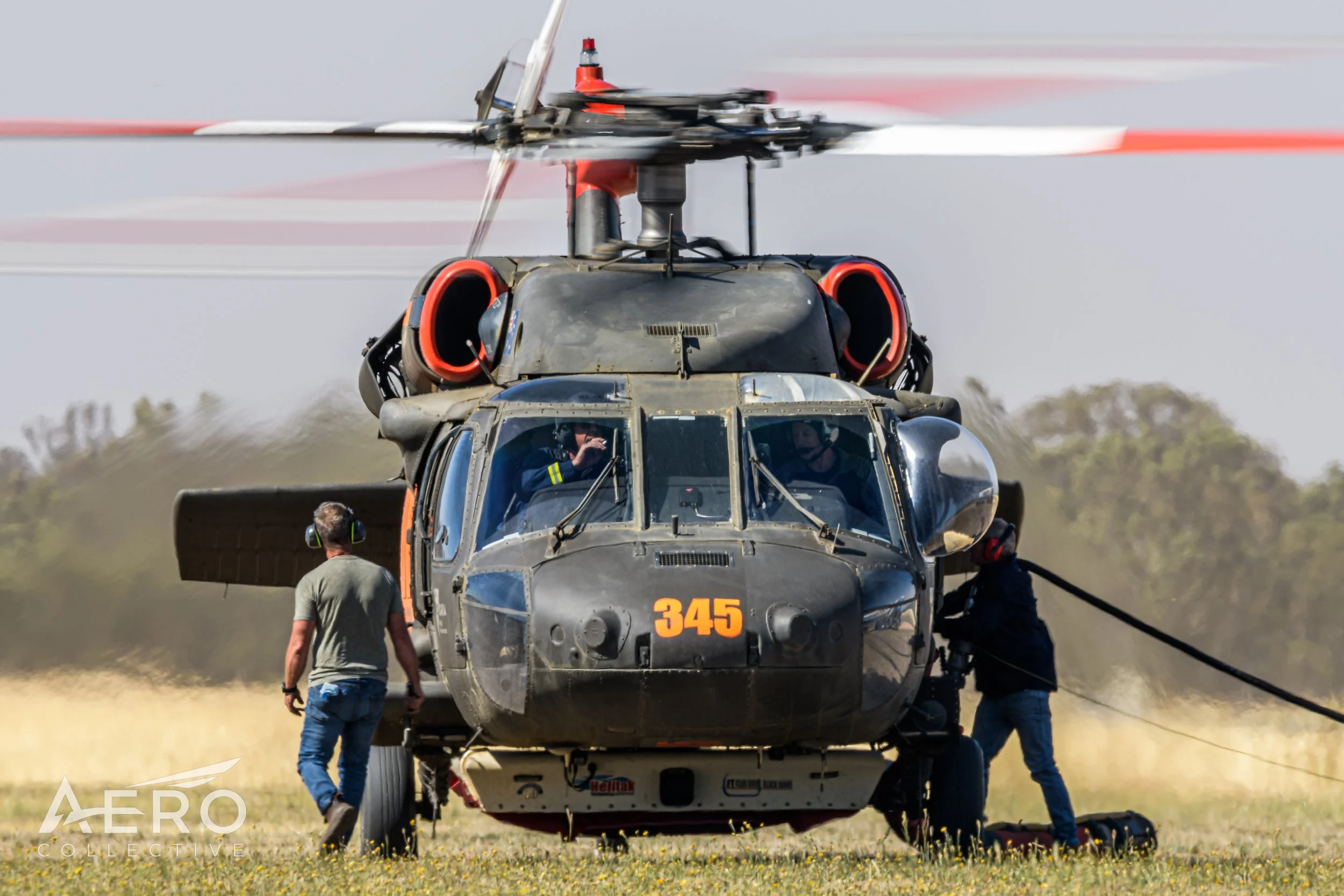
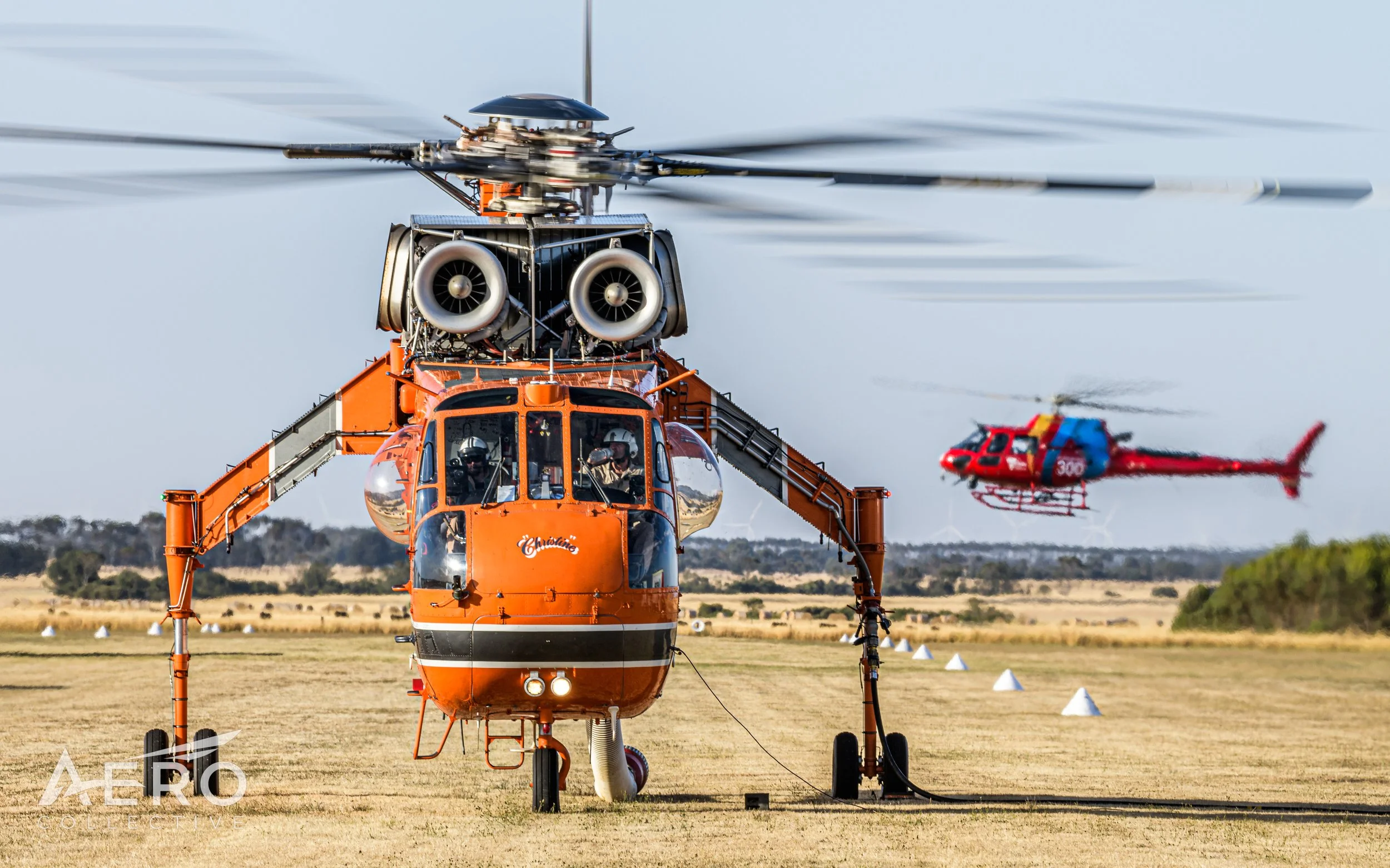
As fire behaviour intensified, helicopter operations pushed closer to the fireground. Rather than relying solely on established aerodromes, rotary-wing assets conducted hot refuelling operations at a rest stop along the Calder Highway, just south of Ravenswood. With engines running and rotors turning, fuel was transferred quickly to keep aircraft overhead during peak fire activity. This forward positioning proved critical, allowing helicopters to maintain pressure on the fire while reducing transit times back to established bases.
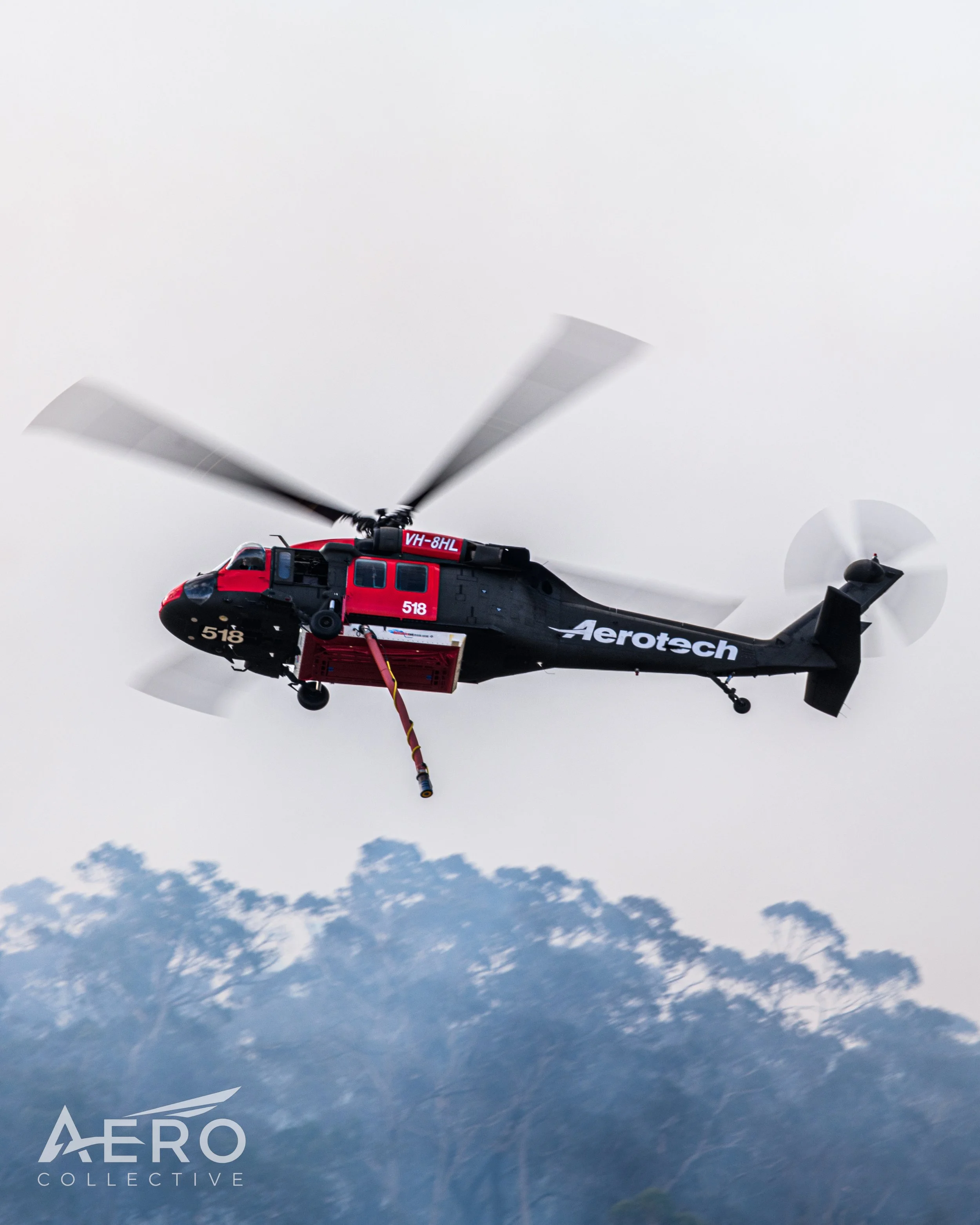
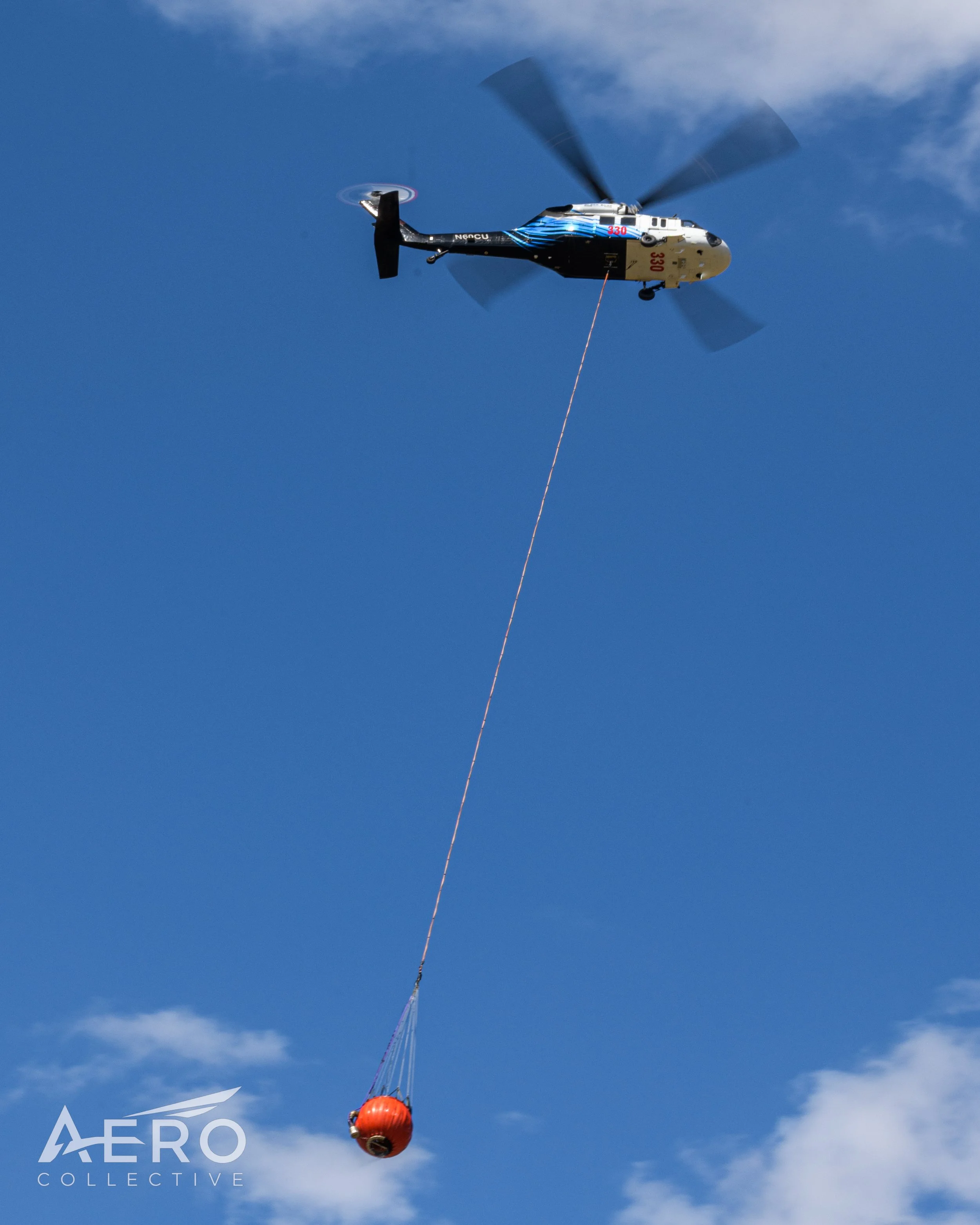
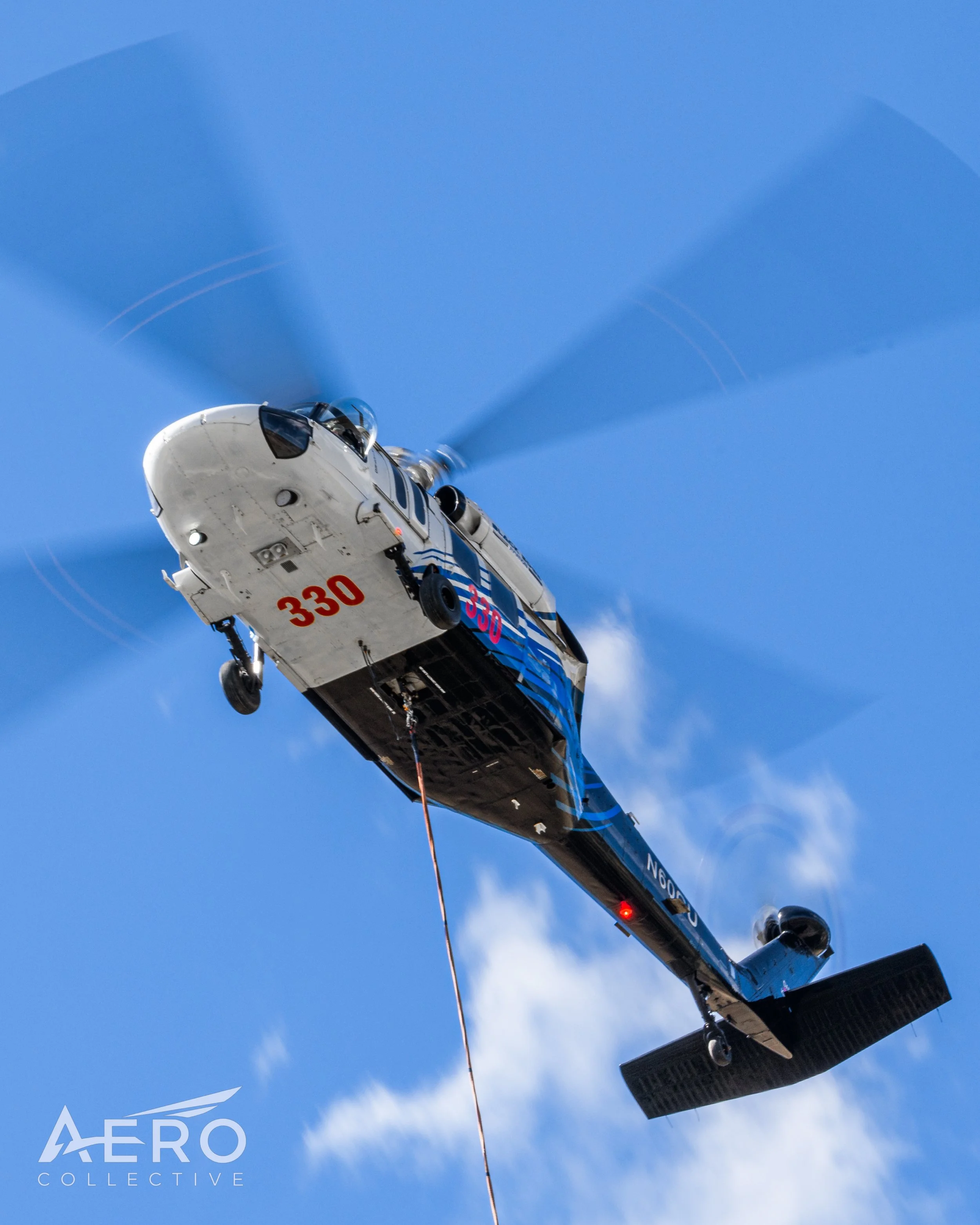
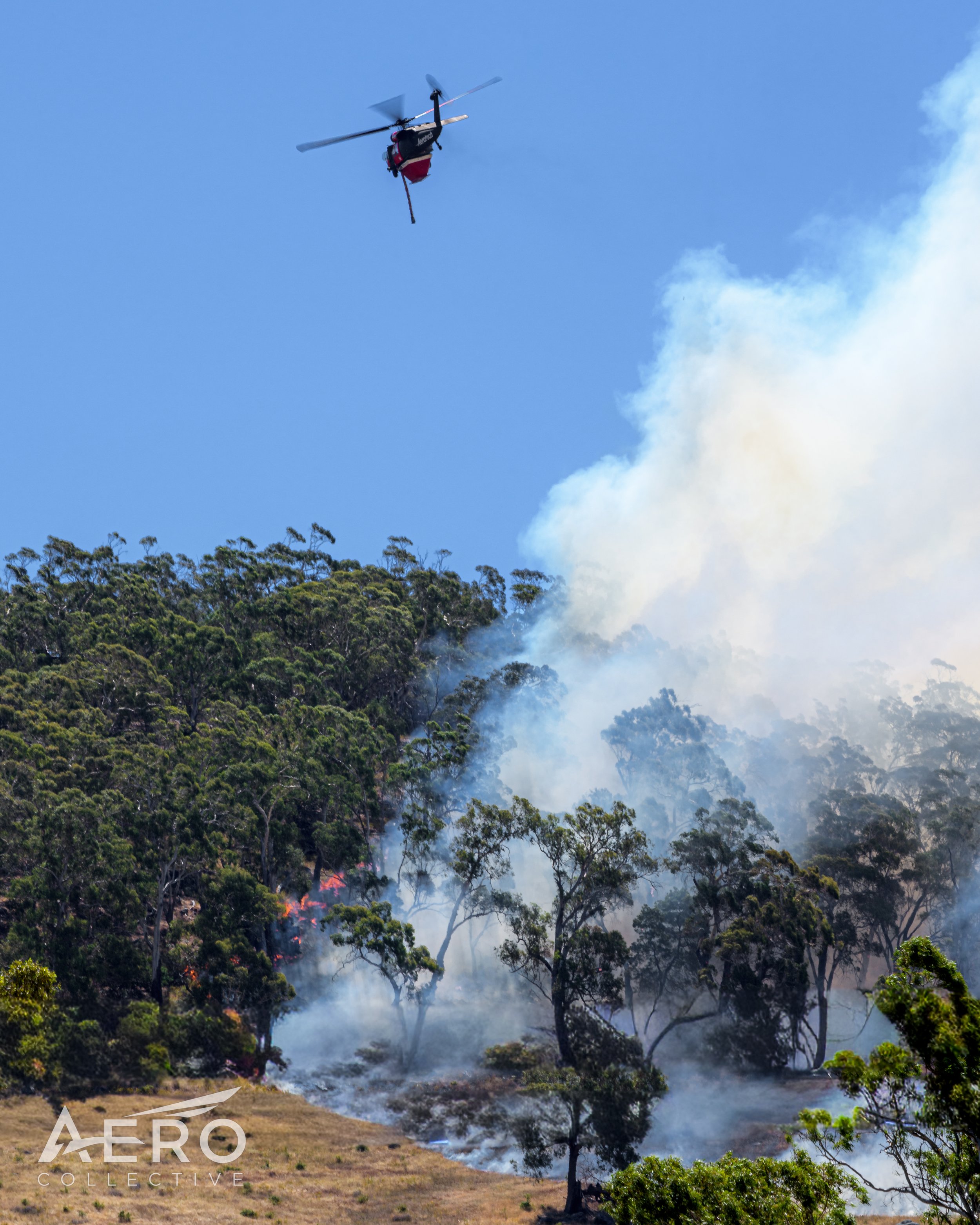
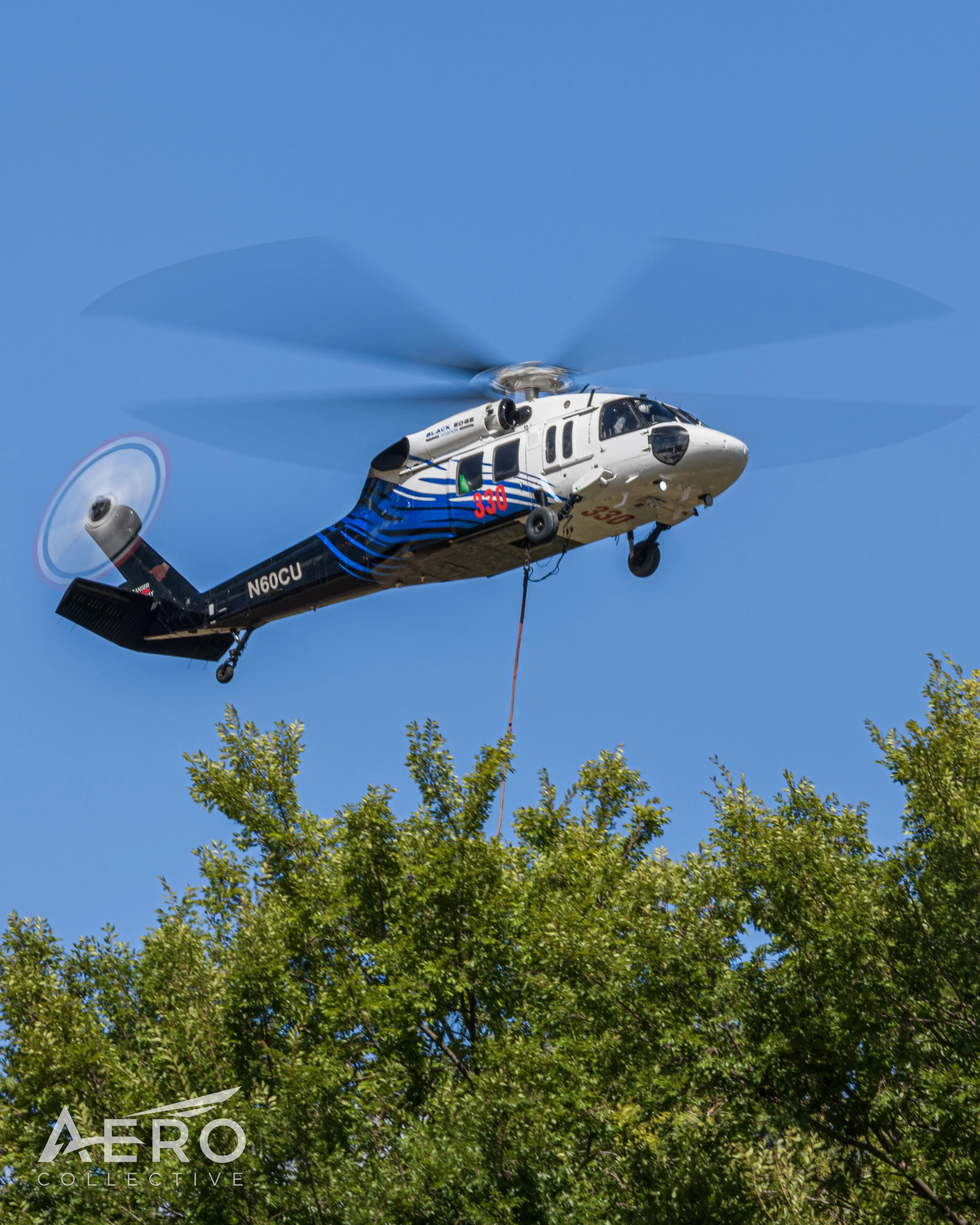
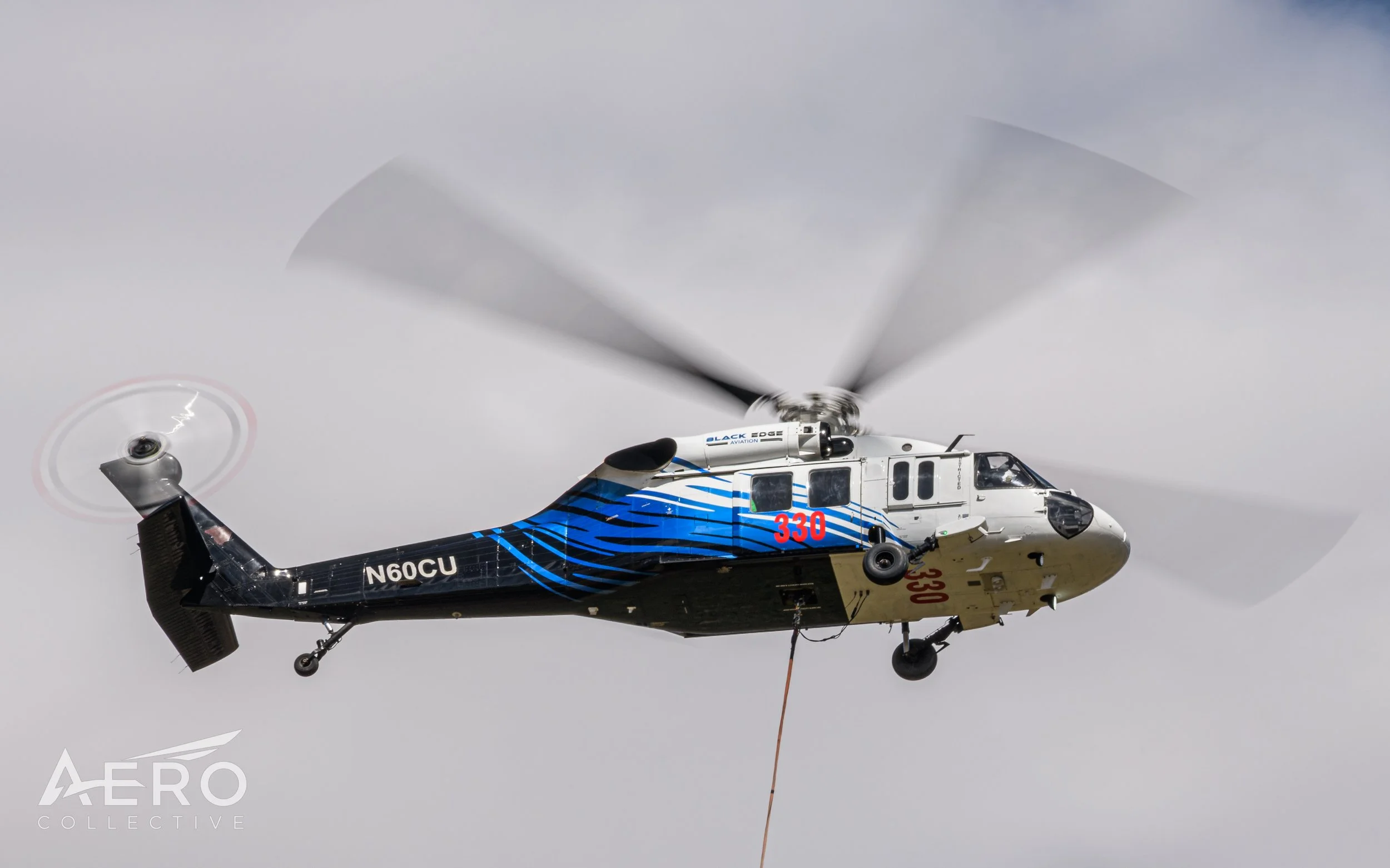
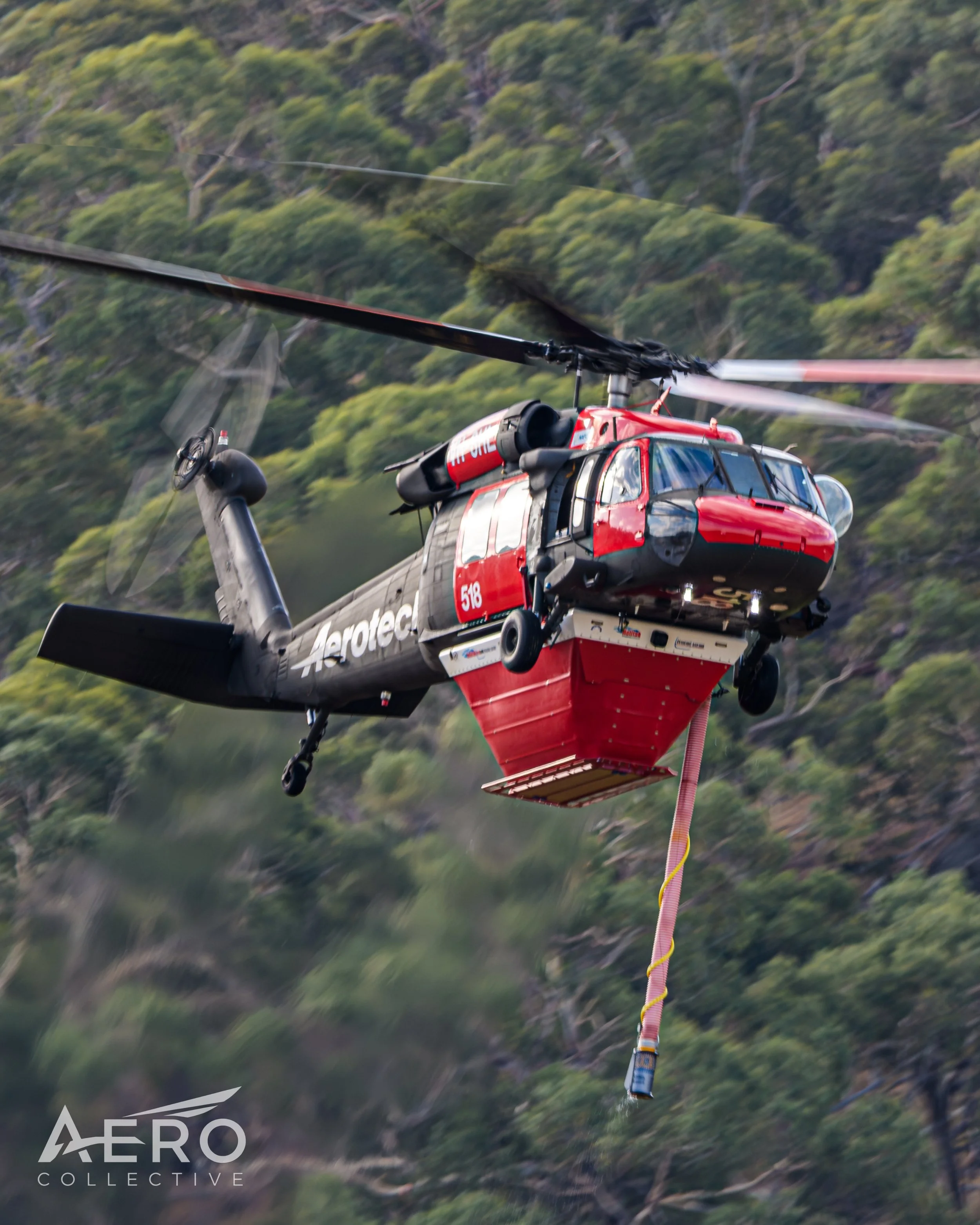
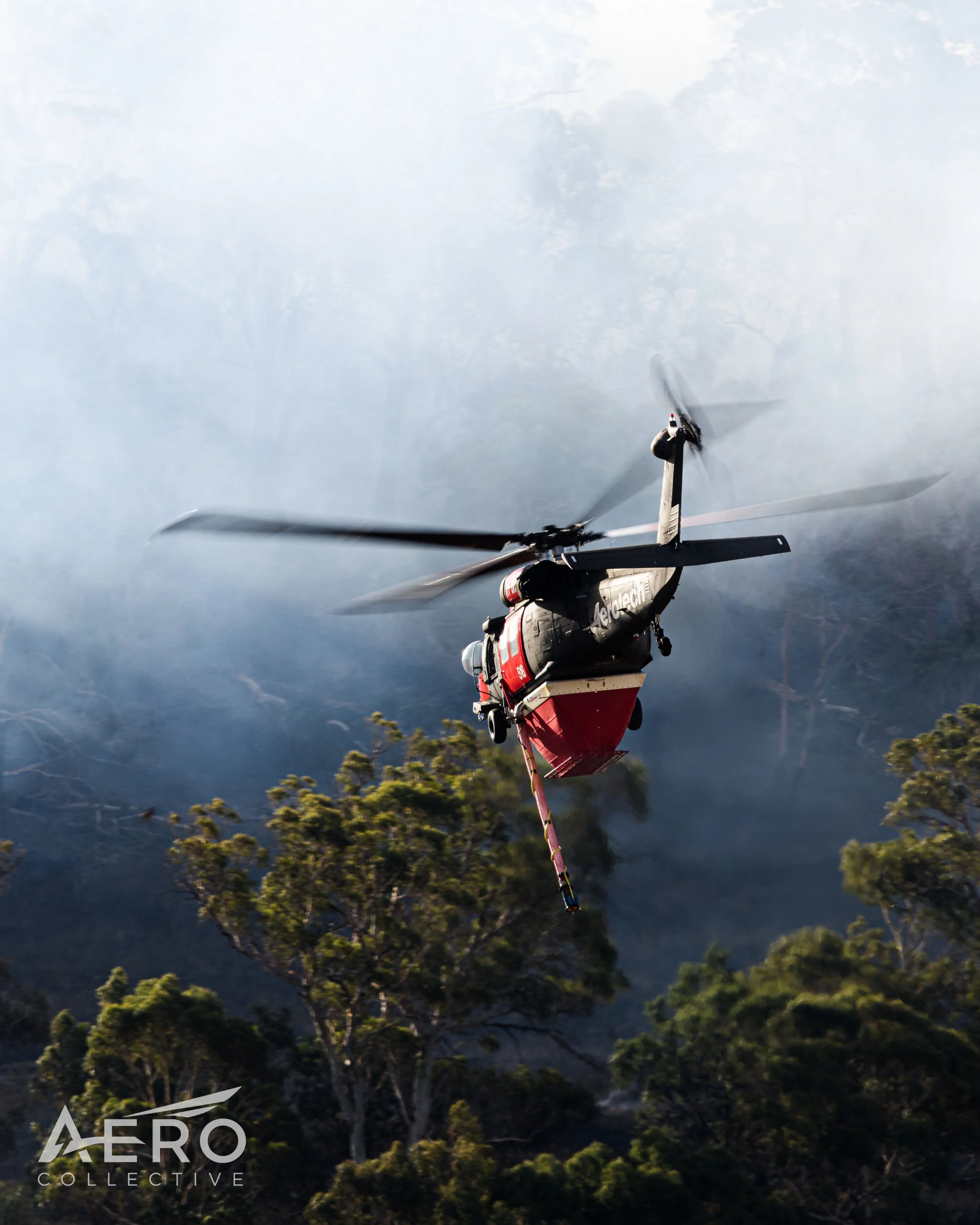
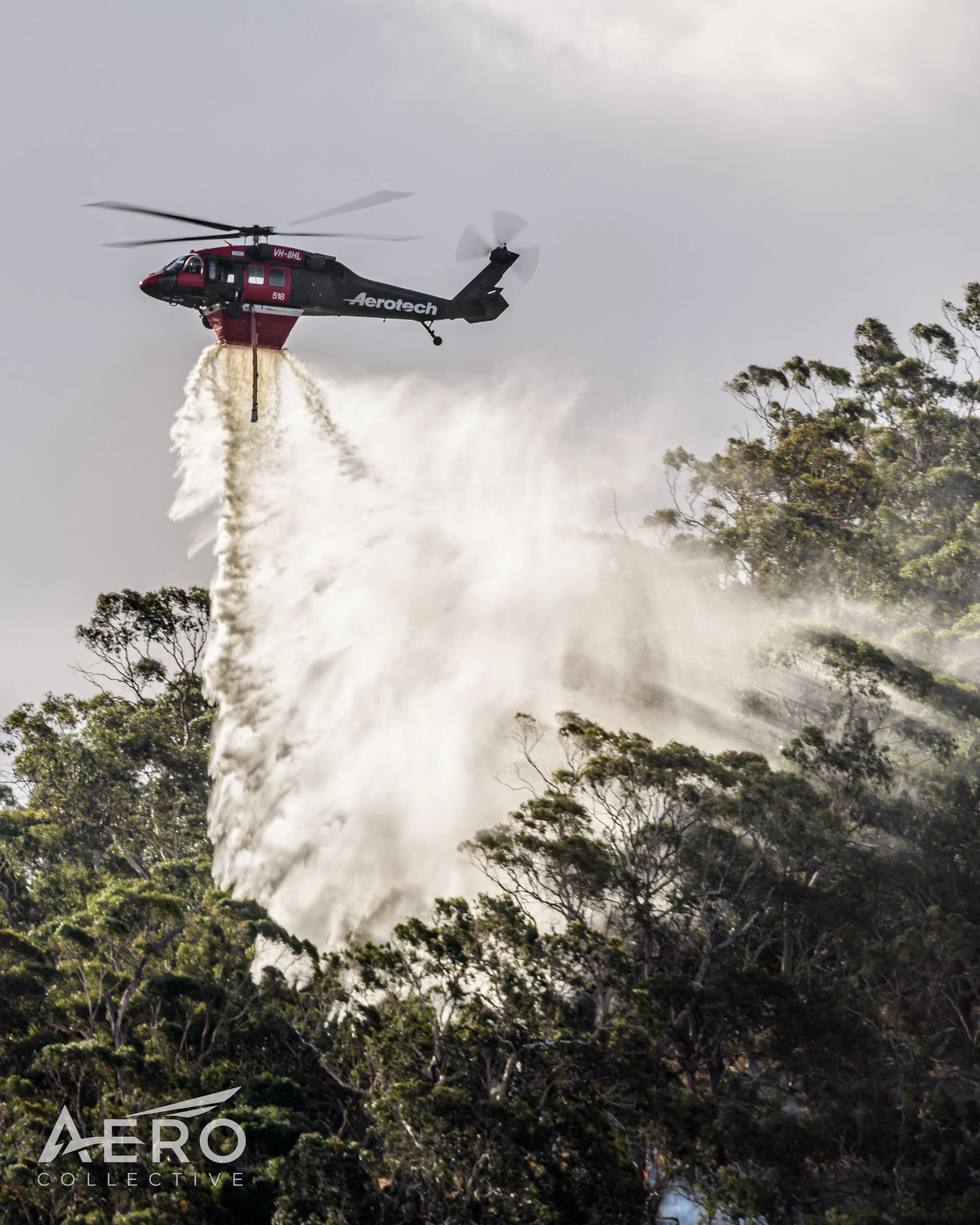
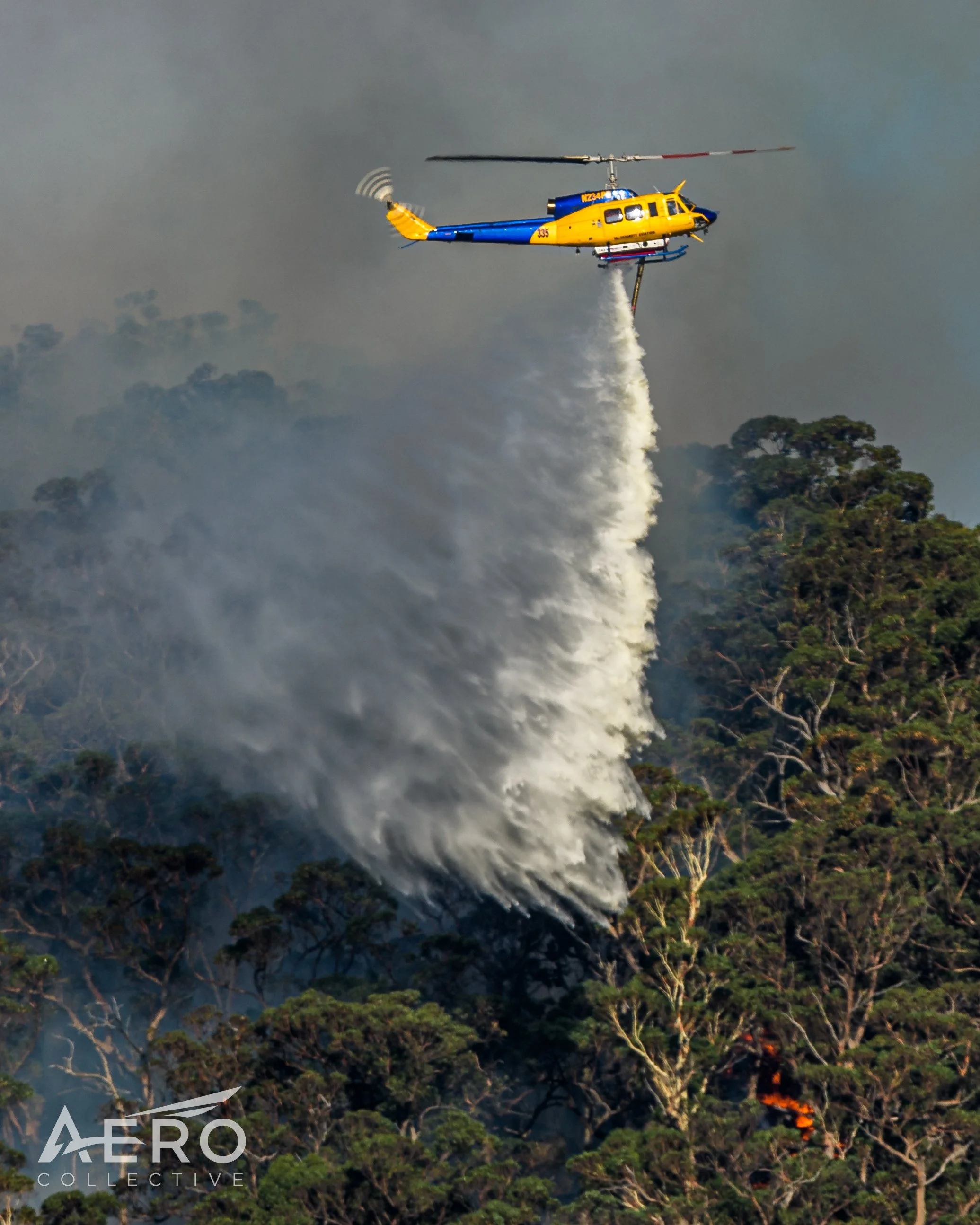
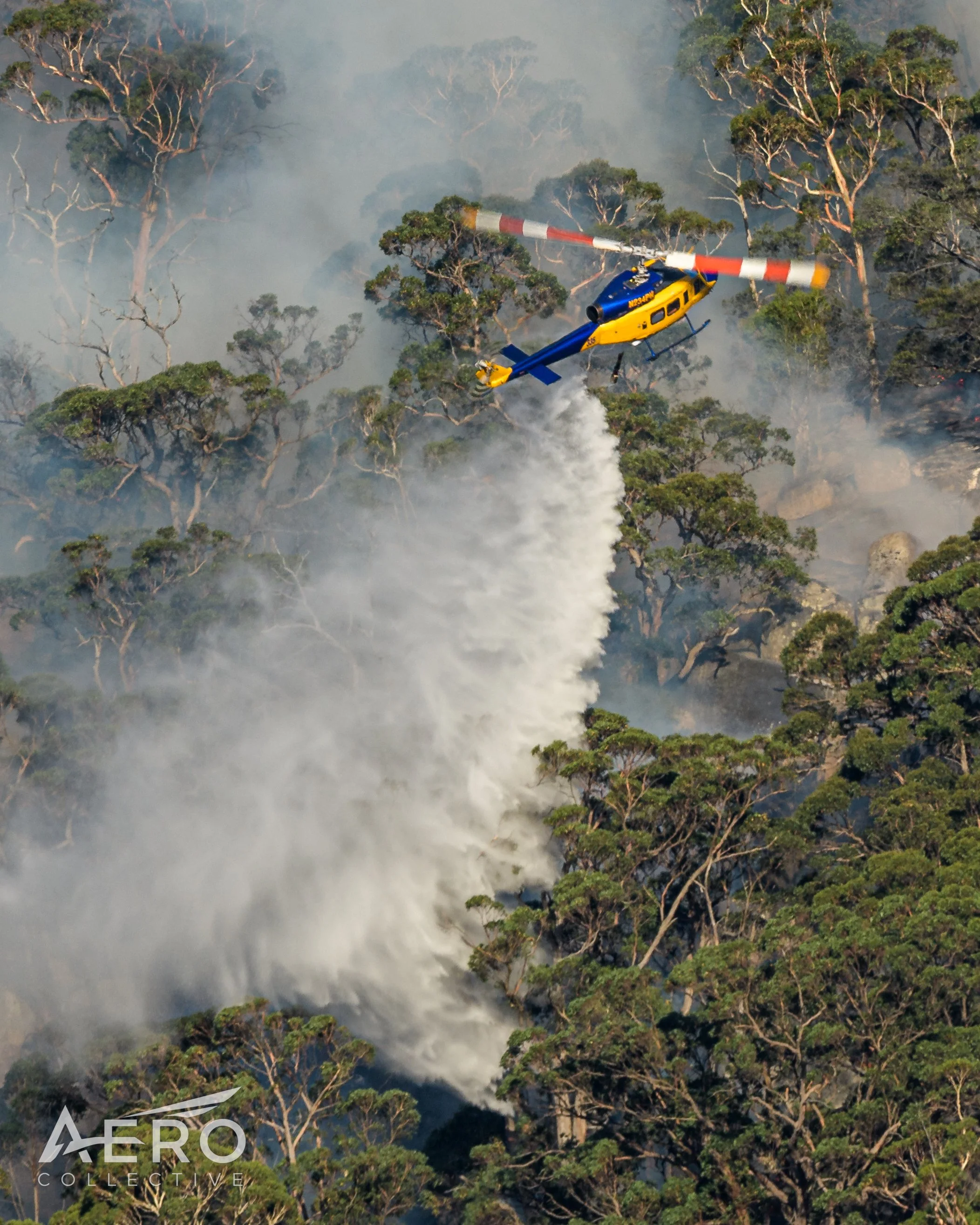
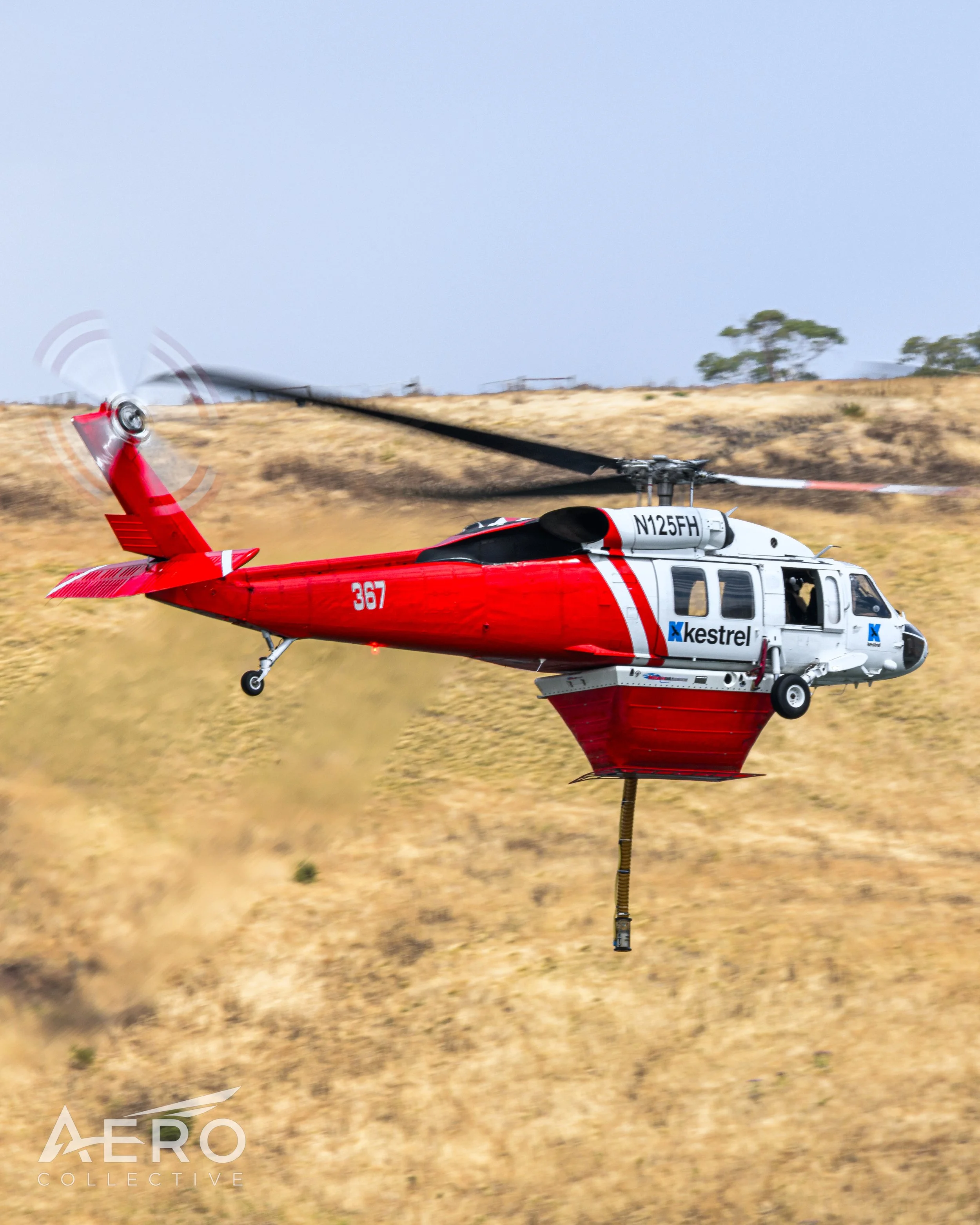
Aircraft cycling through this location included an Aerotech Blackhawk operating as HELITAK 518, a Black Edge Aviation Blackhawk flying as HELITAK 330, and a McDermott Aviation Bell 214B-1 operating as HELITAK 335. On the ground, operations were continuous with fuel trucks moving between aircraft, crews being briefed while walking, and engineers monitoring systems under relentless heat and smoke.
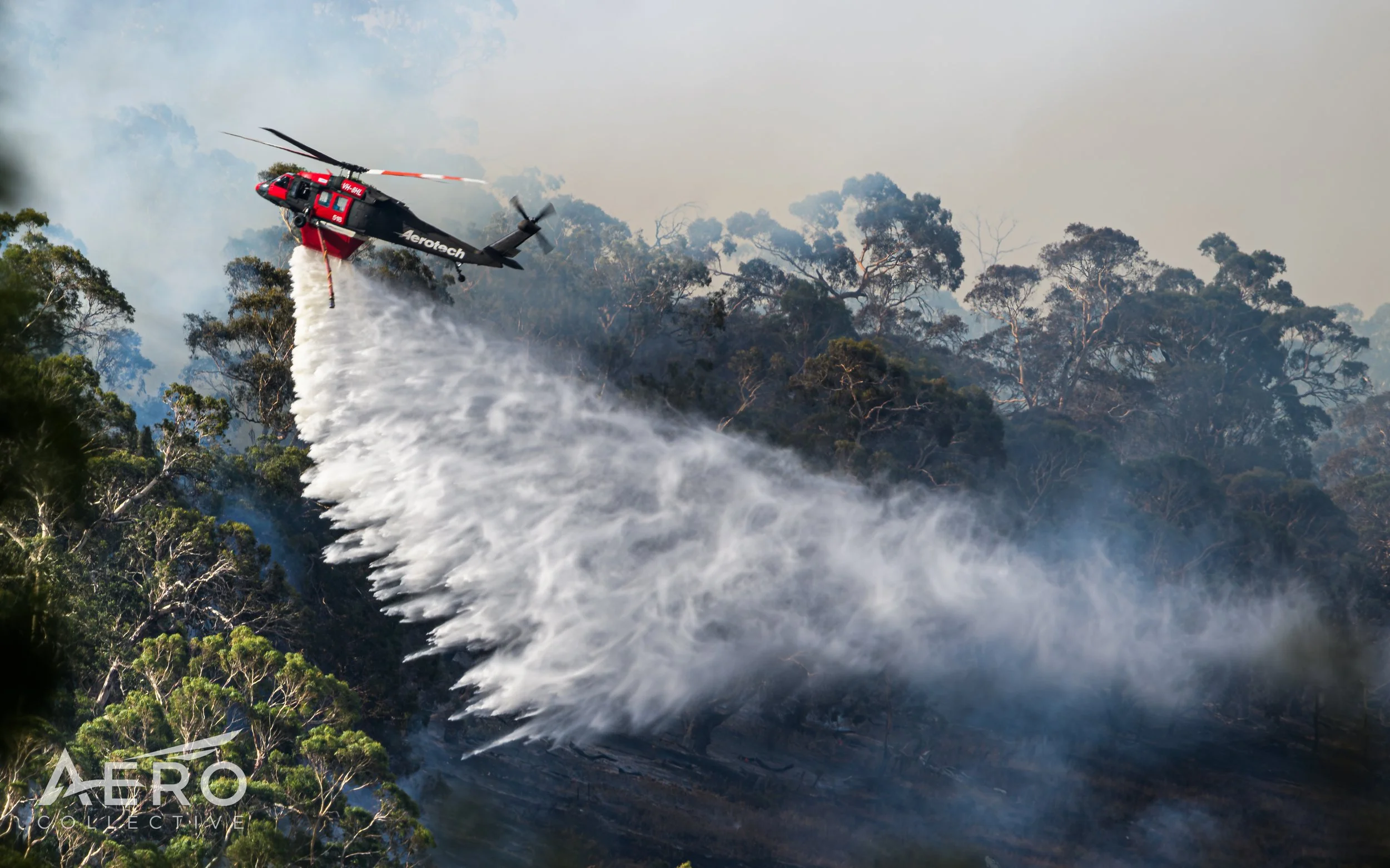
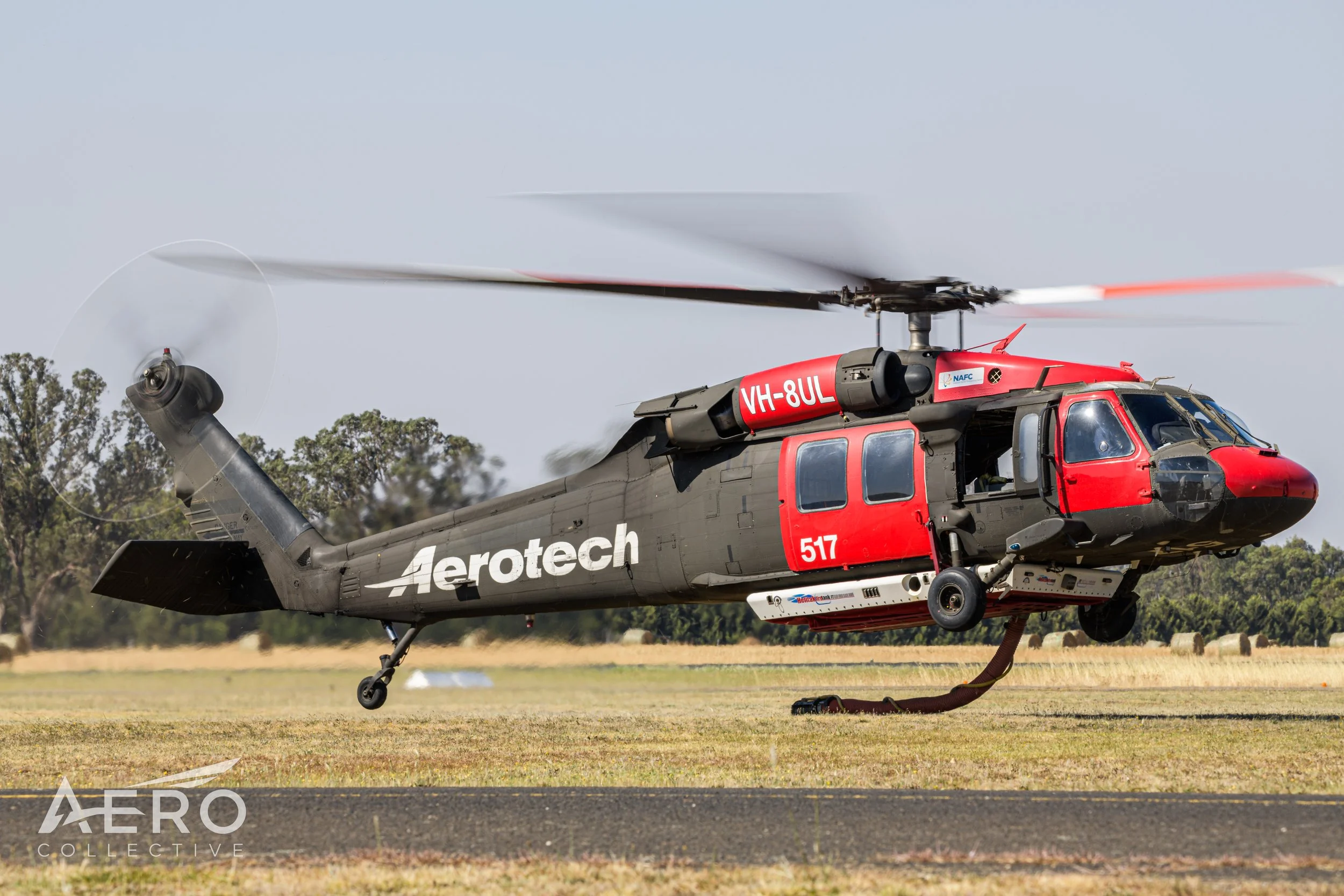
As fires expanded across the state, additional assets were drawn in from interstate. Two Aerotech Blackhawks, VH-8UL and VH-8HL, were requisitioned from South Australia, reflecting the scale of the emergency. These aircraft were staged at Mangalore and Bendigo respectively, providing rapid access to multiple firegrounds across central Victoria, including Harcourt, and reinforcing the flexibility of Australia’s aerial firefighting model.

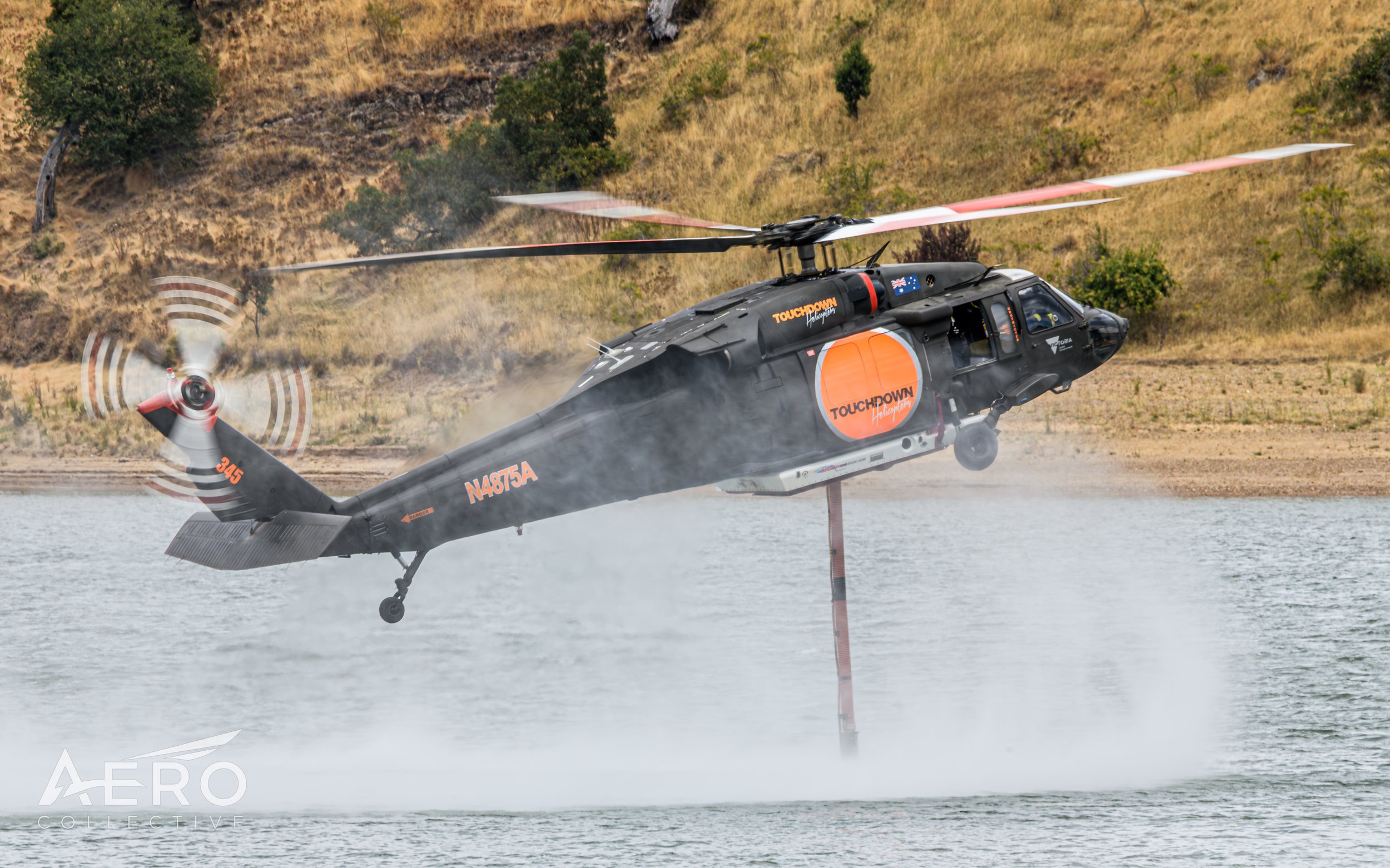
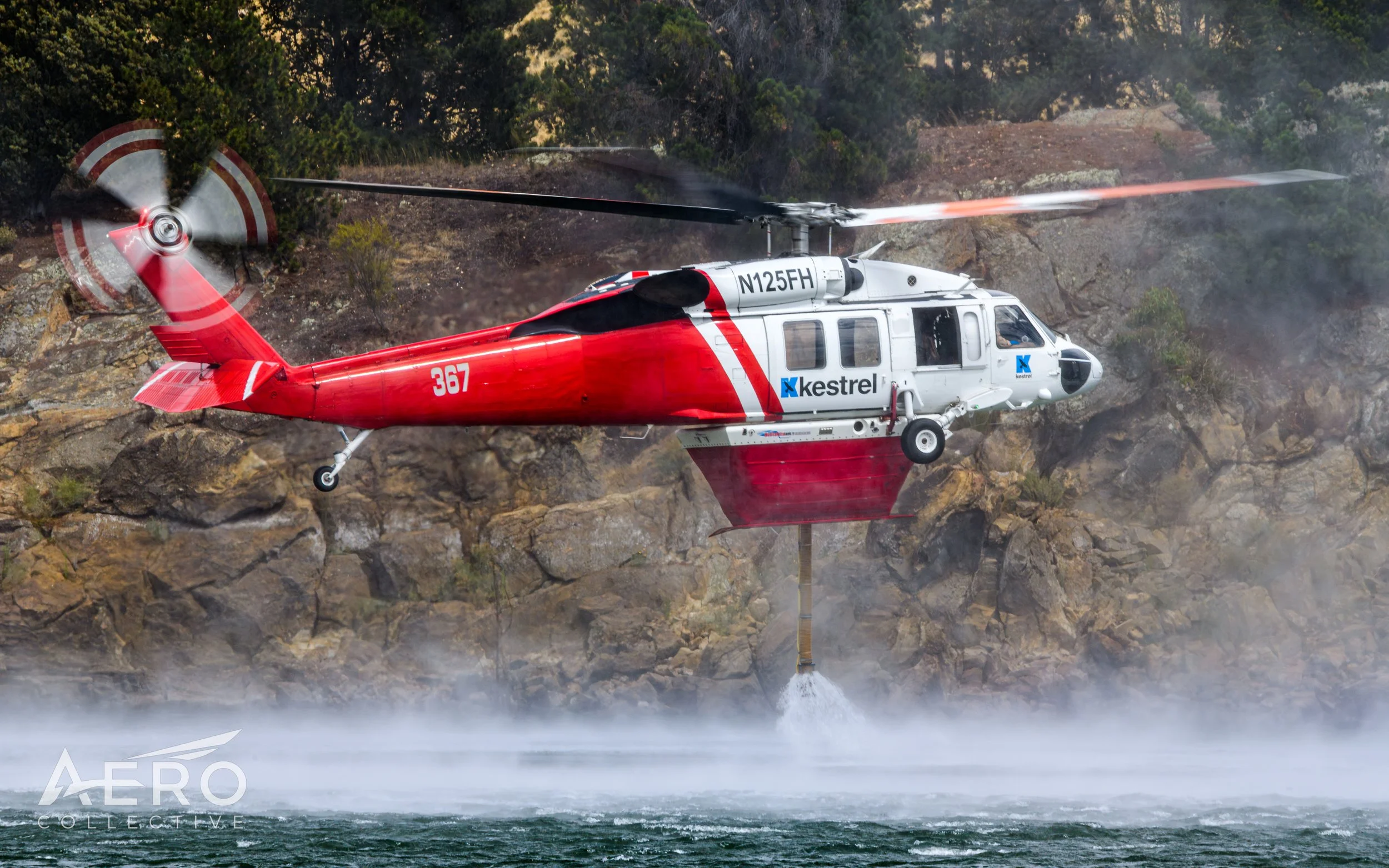
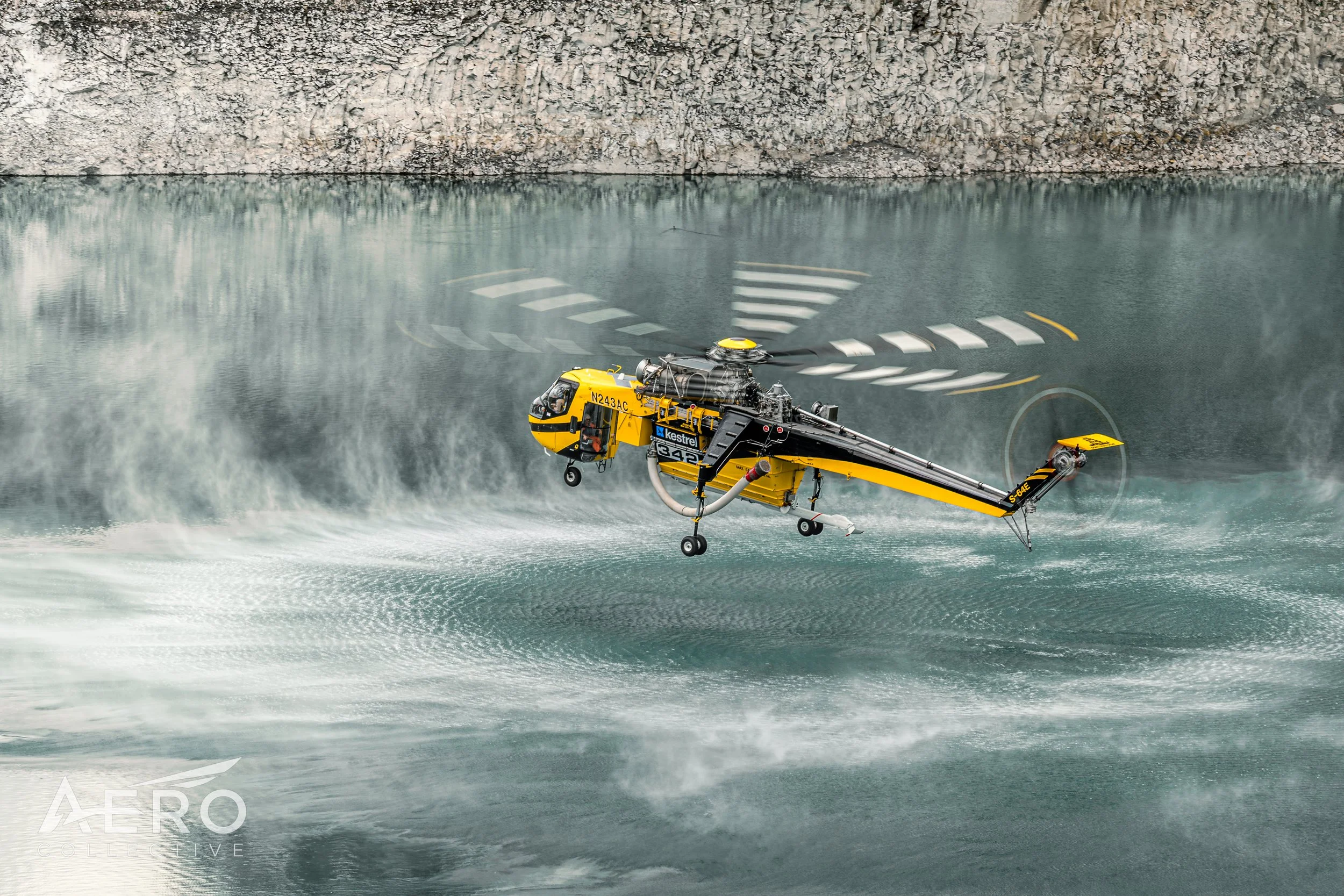
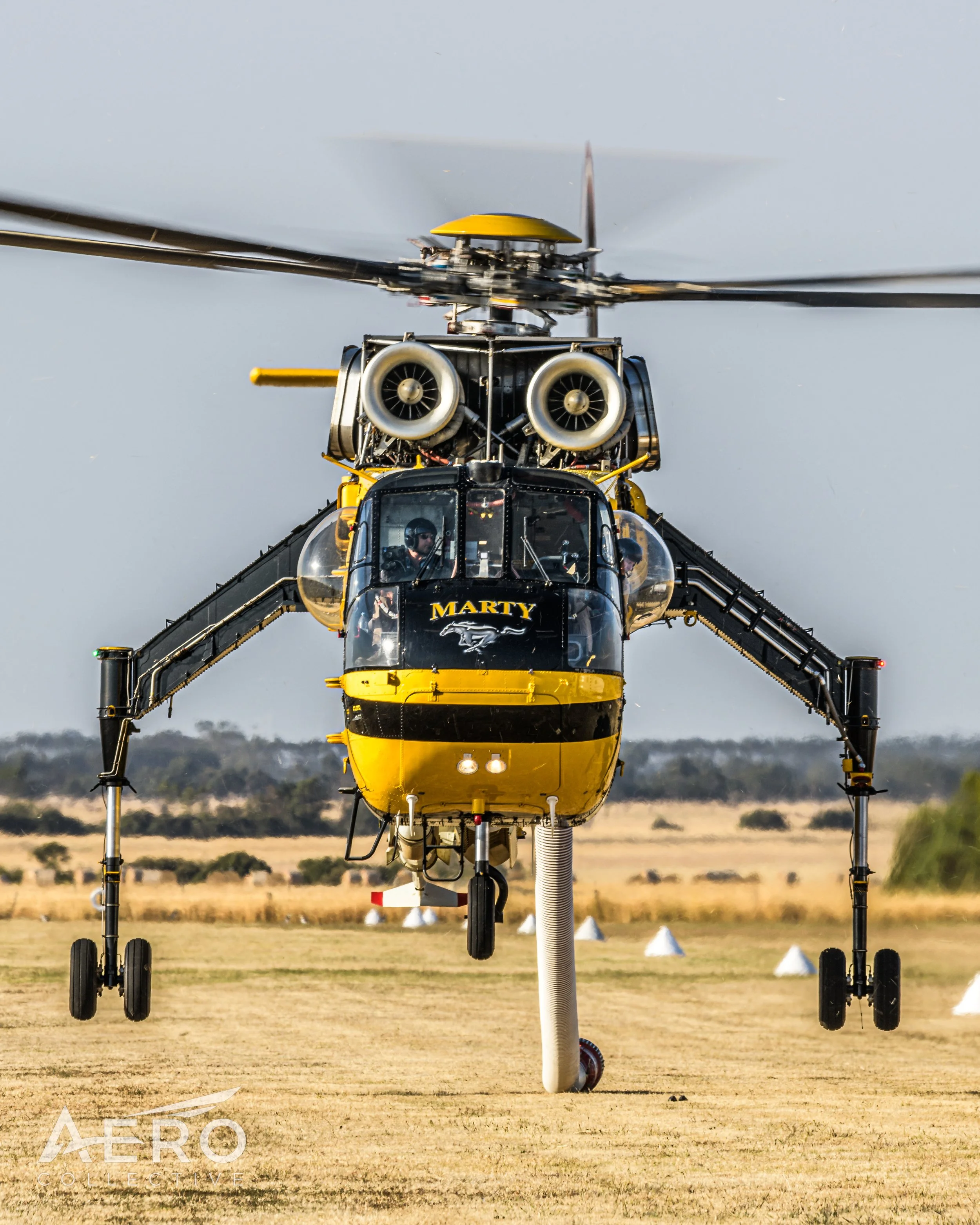
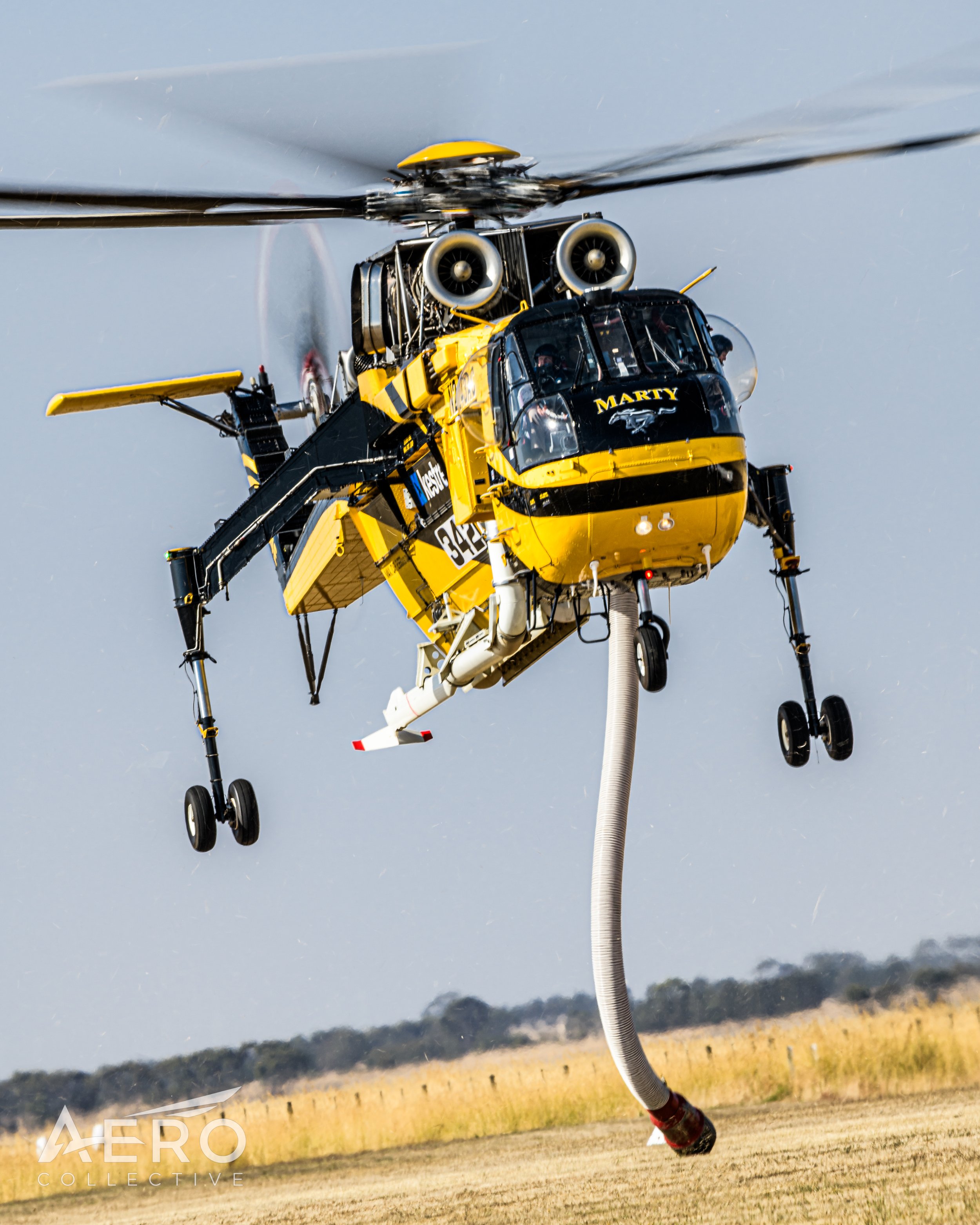
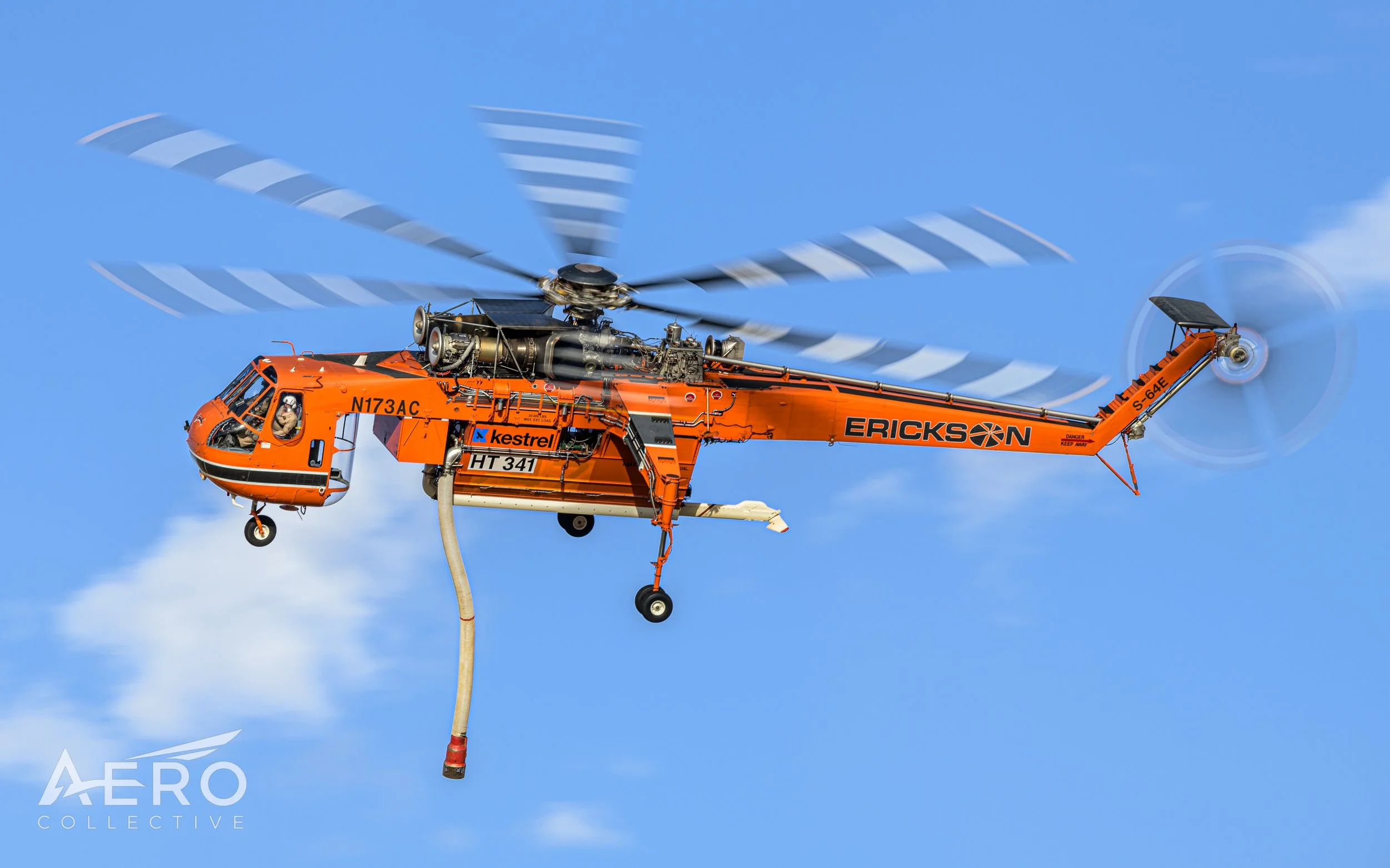
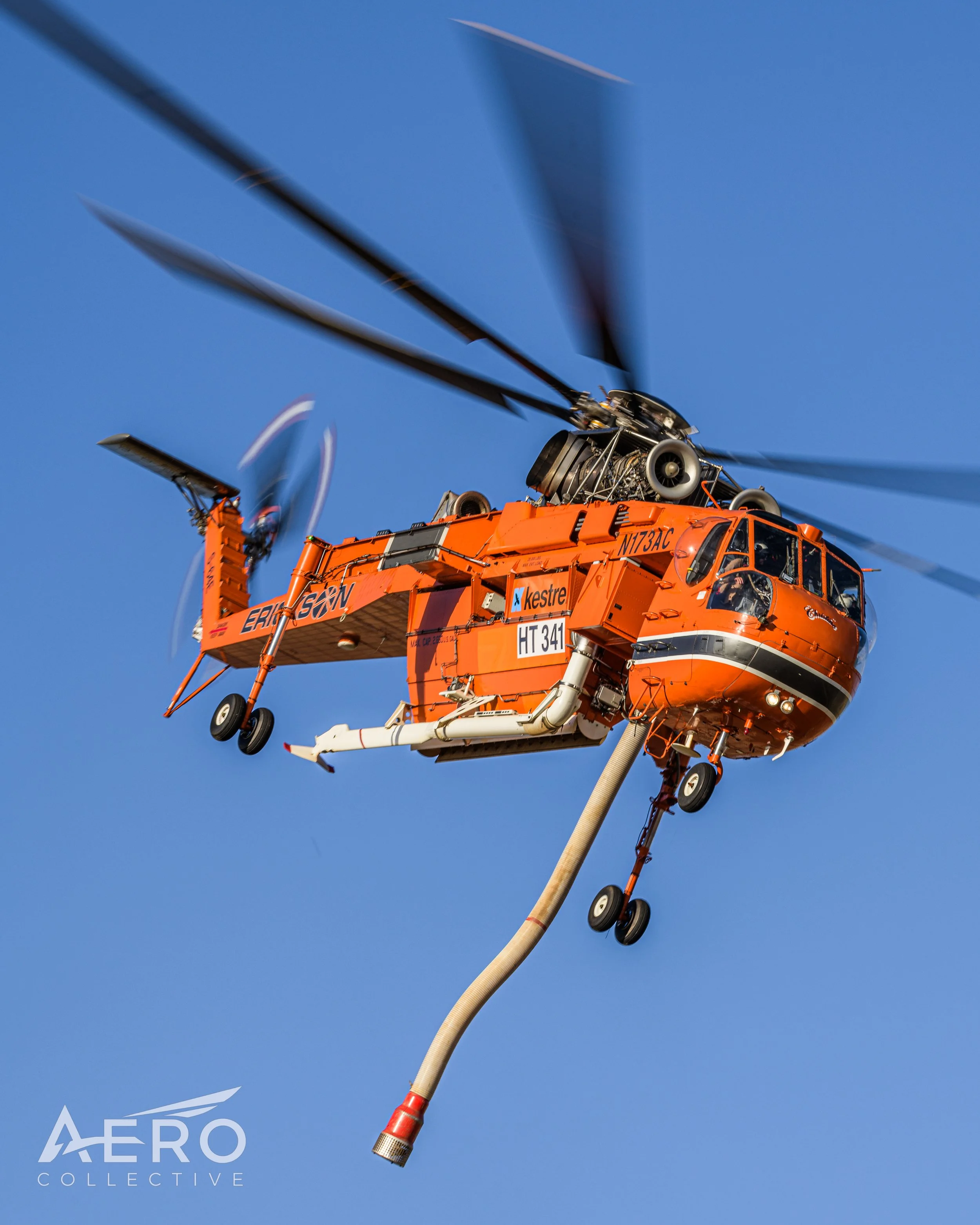
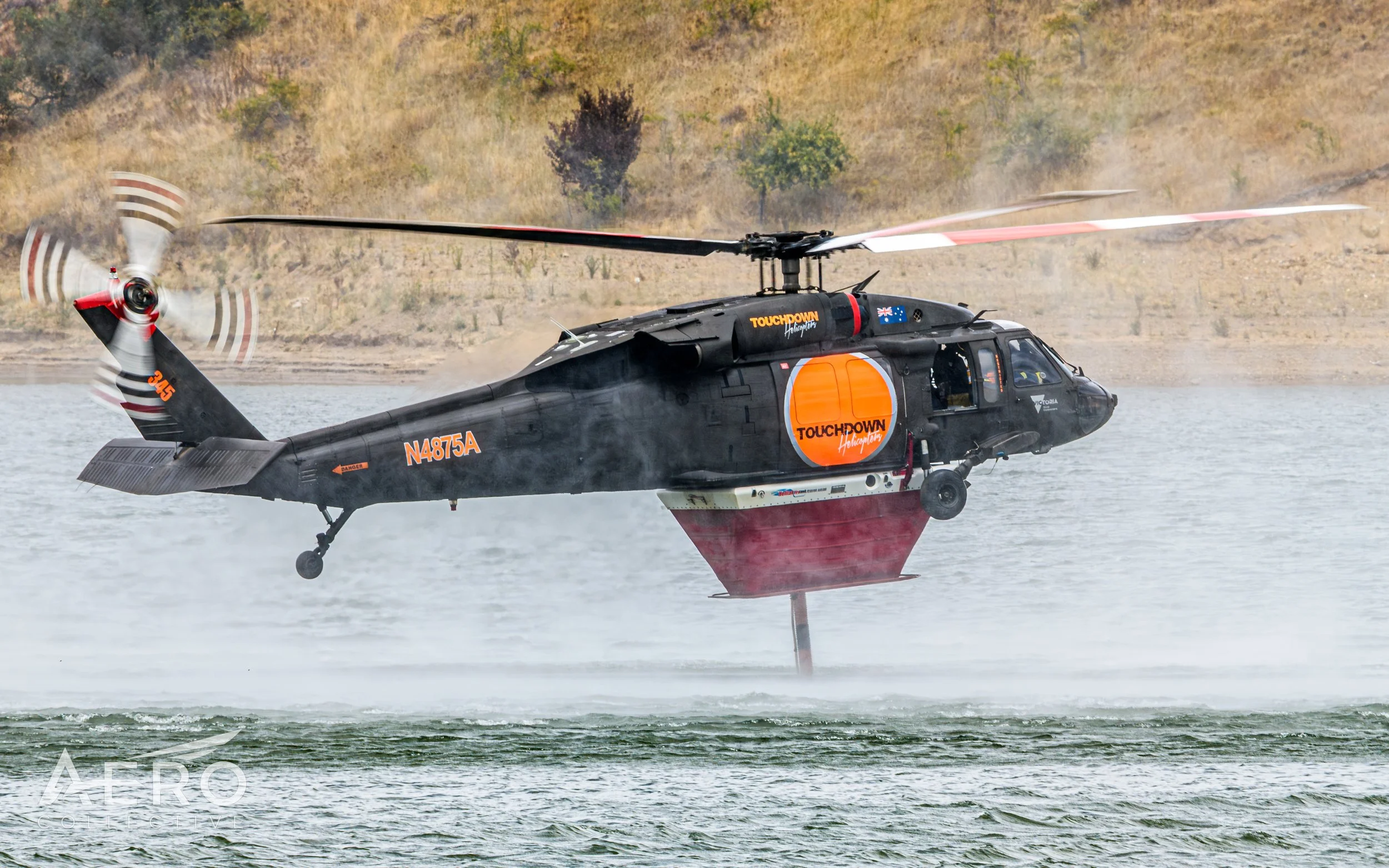
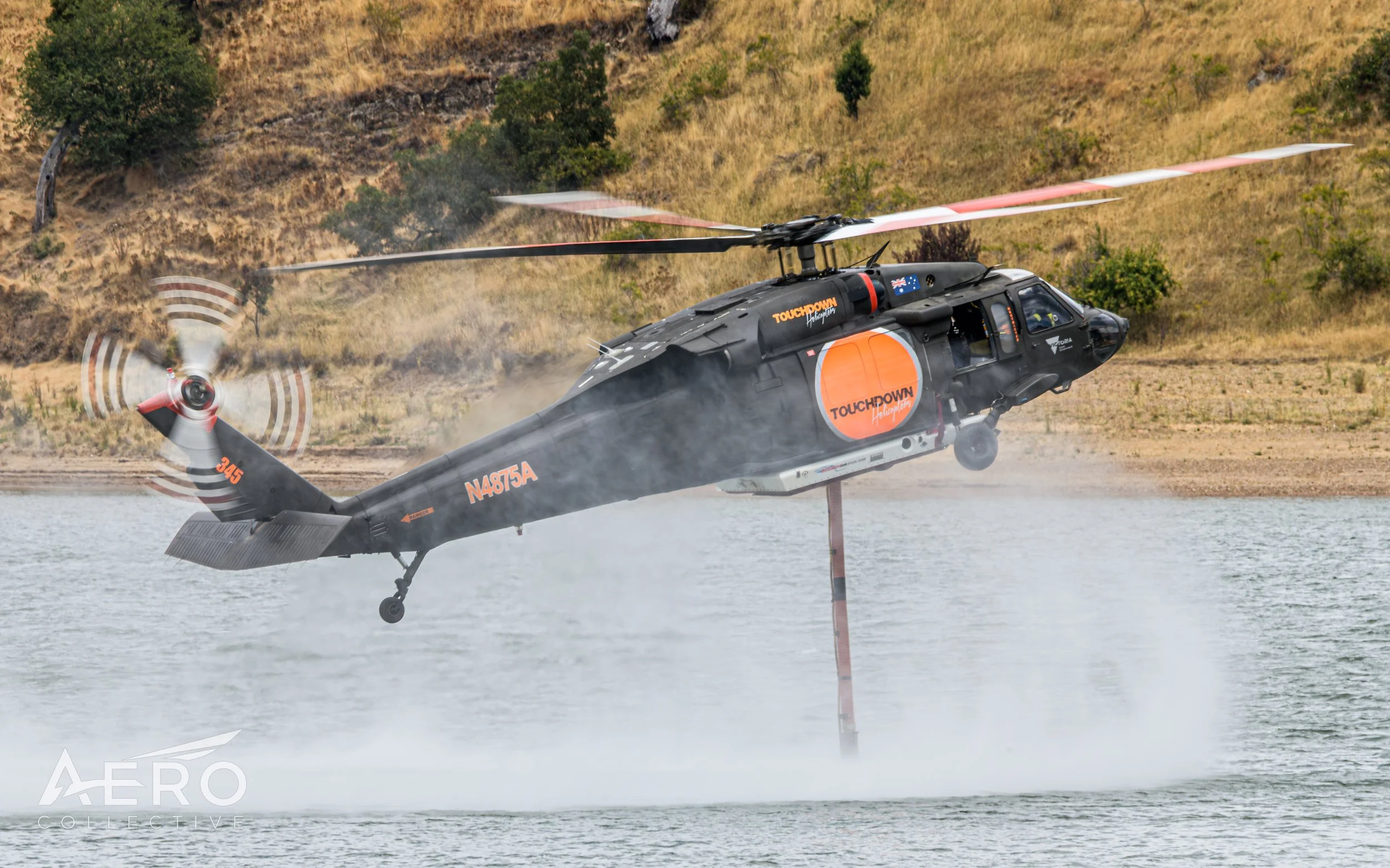
Further north, aviation assets were heavily committed to the Longwood bushfire. Aircraft were parked overnight at Mangalore, with daytime operations staged from Yea to keep crews close to the fireground while maintaining rest and maintenance requirements. Assets assigned to Longwood included a Skycrane initially operating from Essendon before being repositioned to Colac, an Aerotech Blackhawk VH-8UL, and a Touchdown Helicopters Blackhawk, N4875A, operating from Essendon. The repeated sight of heavy-lift helicopters lifting from regional strips at first light became routine as crews worked to contain the fire’s spread.
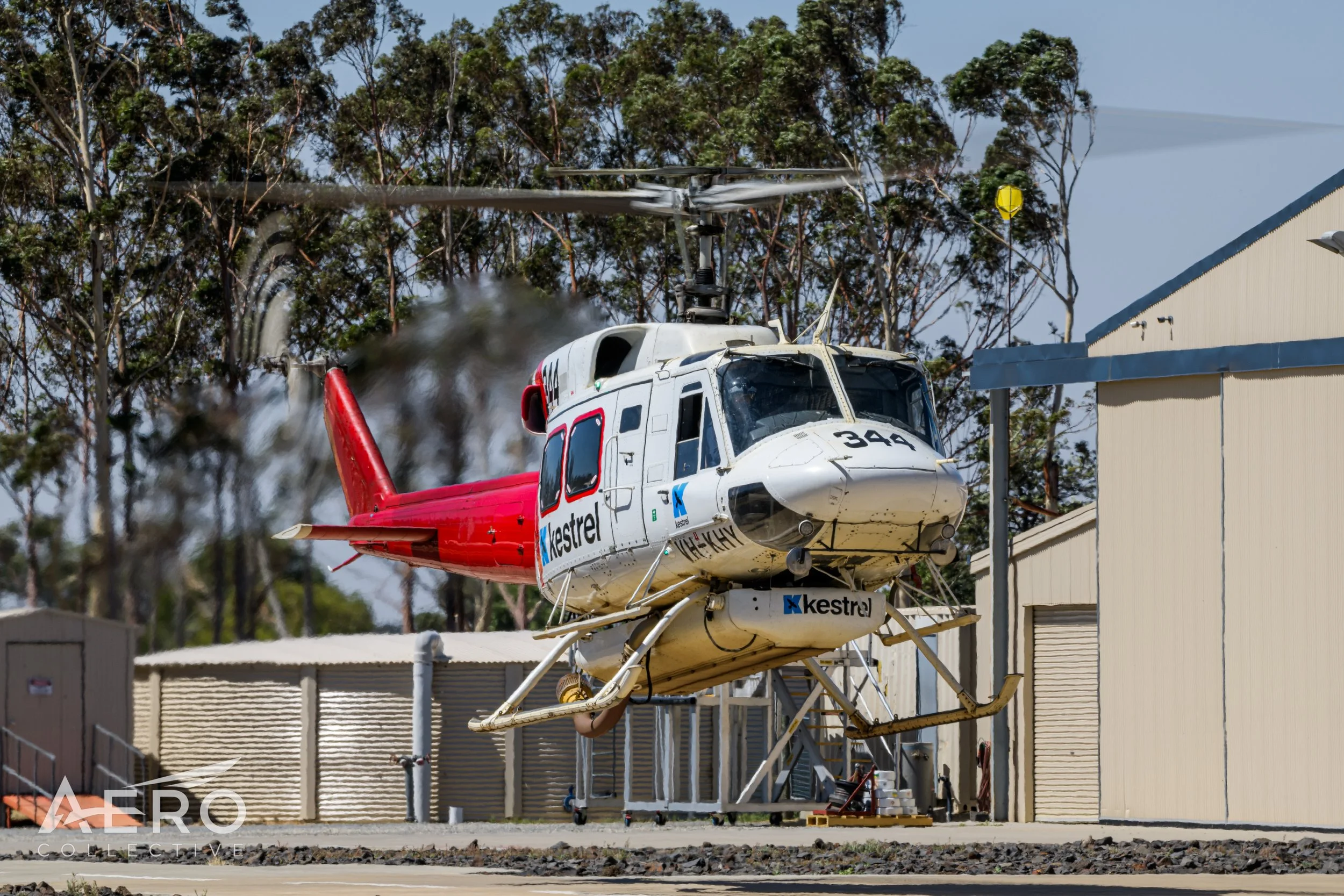
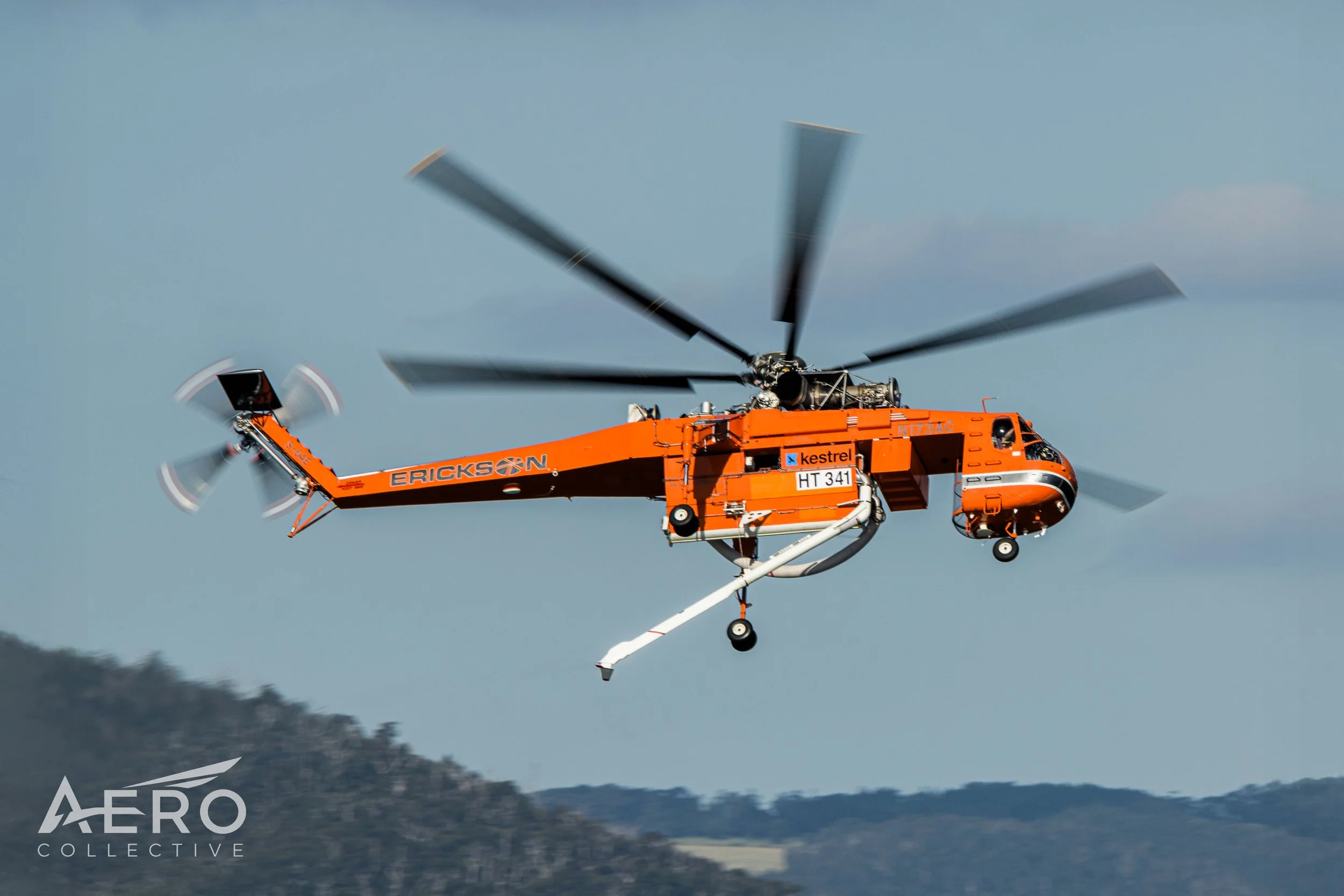
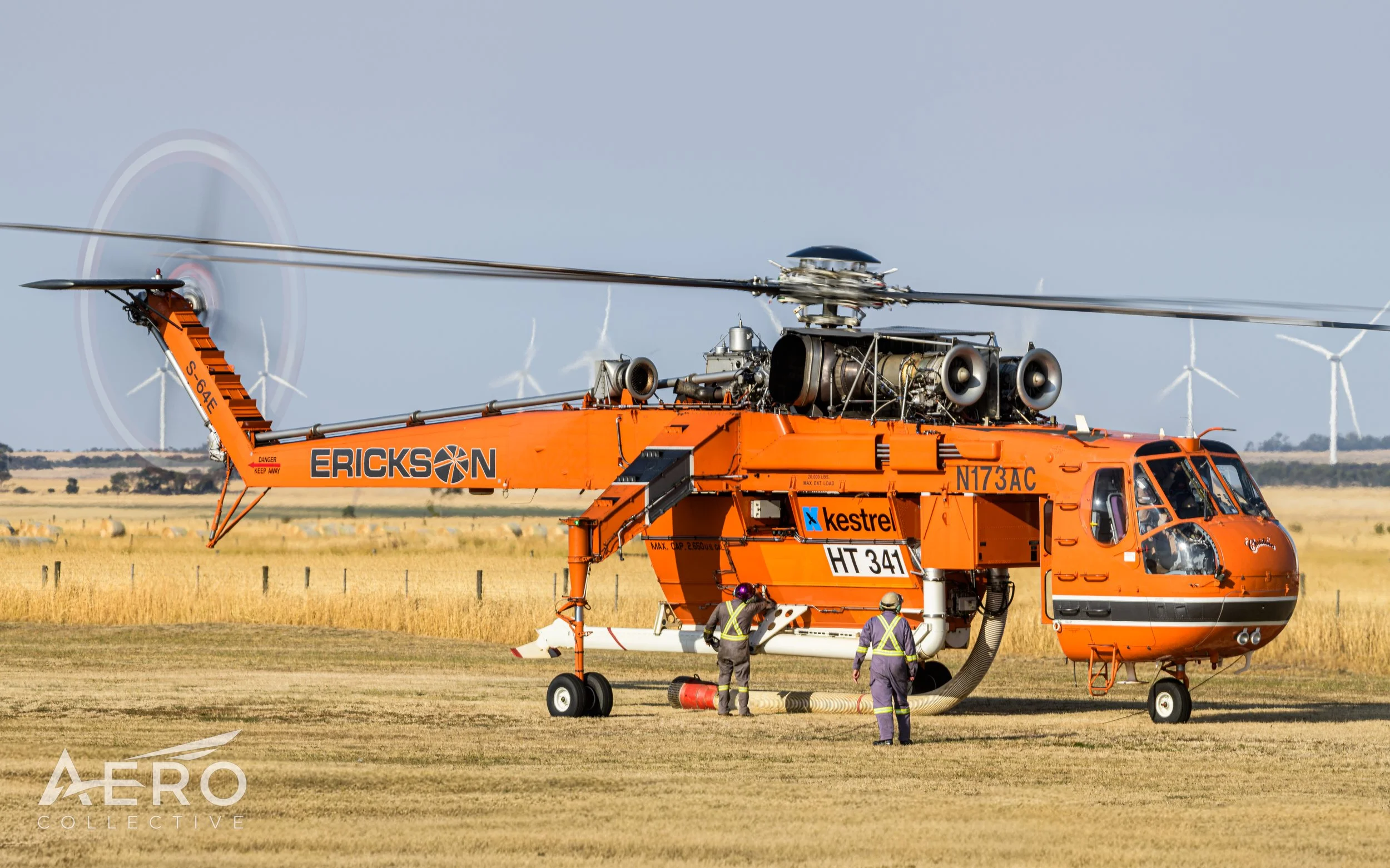
In Victoria’s southwest, aircraft were positioned at Colac to support operations in the Carlisle River–Otway fires. Medium and heavy-lift helicopters, including N173AC and VH-KSI, provided sustained aerial suppression capability in rugged terrain and challenging coastal conditions, where access for ground crews was limited.

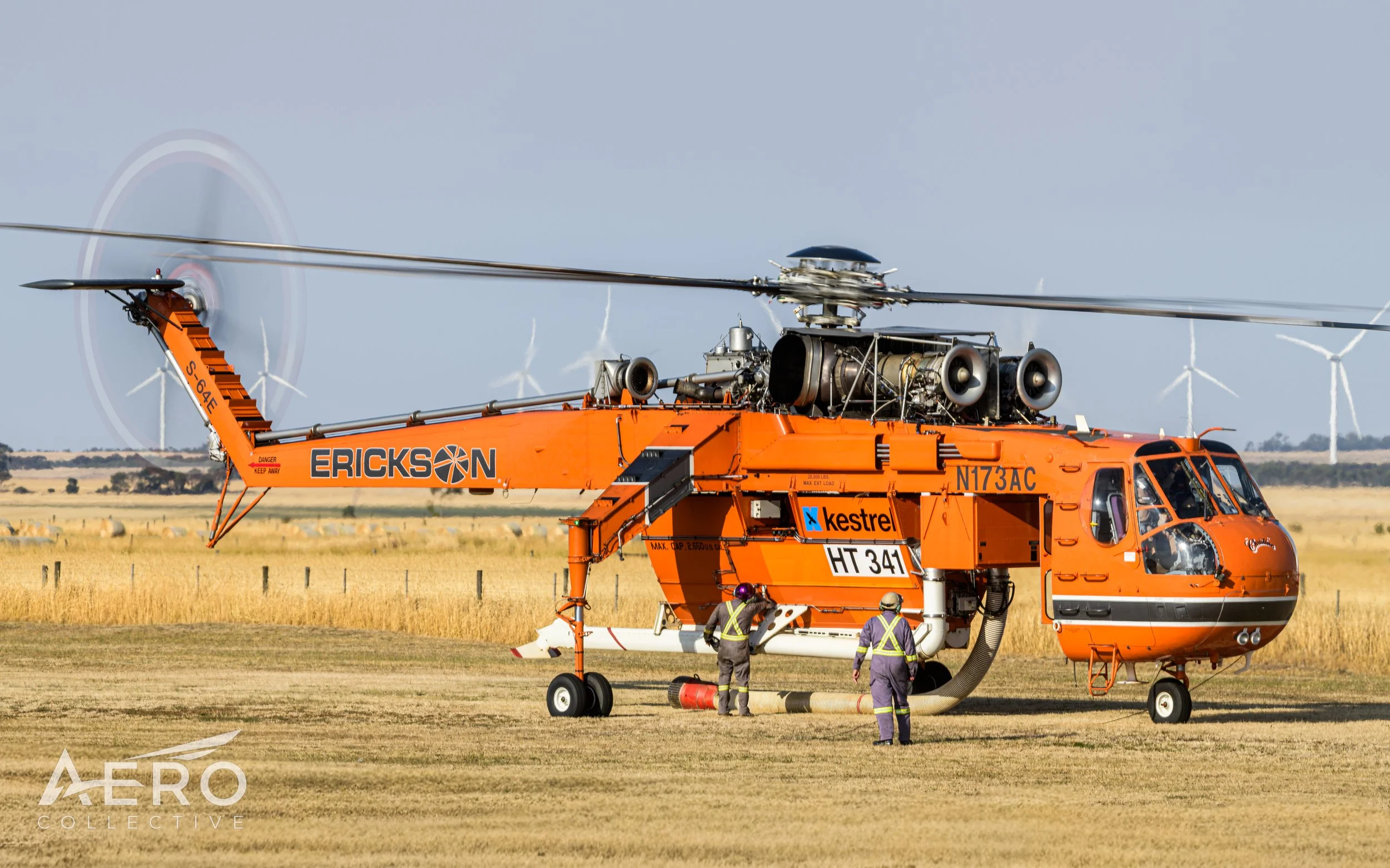
Elsewhere, cooperation extended beyond state borders. During bushfires near Albury, aircraft from Victoria and New South Wales operated side by side, reflecting the scale of the emergency and the level of coordination required. Assets deployed included a Skycrane operating from Moorabbin, a Coulson Aviation C-130 large air tanker, and a Sikorsky S-61, combining heavy fixed-wing and rotary capability in a tightly coordinated response.
For the public, bushfires are often measured in hectares burned or homes lost. For aviation crews, the season is measured in hours flown, drops completed, and the ability to keep aircraft operating in some of the harshest conditions imaginable. As Victoria’s state of emergency continued into February, aircraft remained positioned across the state, ready to respond as conditions evolved.
In a bushfire season of this scale, aviation is constant, adaptive, and unforgiving. It remains one of the most critical tools in slowing fires and protecting communities.