Connie Comes Home: Thirty Years Since the HARS Super Constellation Arrived in Australia
Article by Caelan McDougall
Images by Caelan McDougall, Clinton D
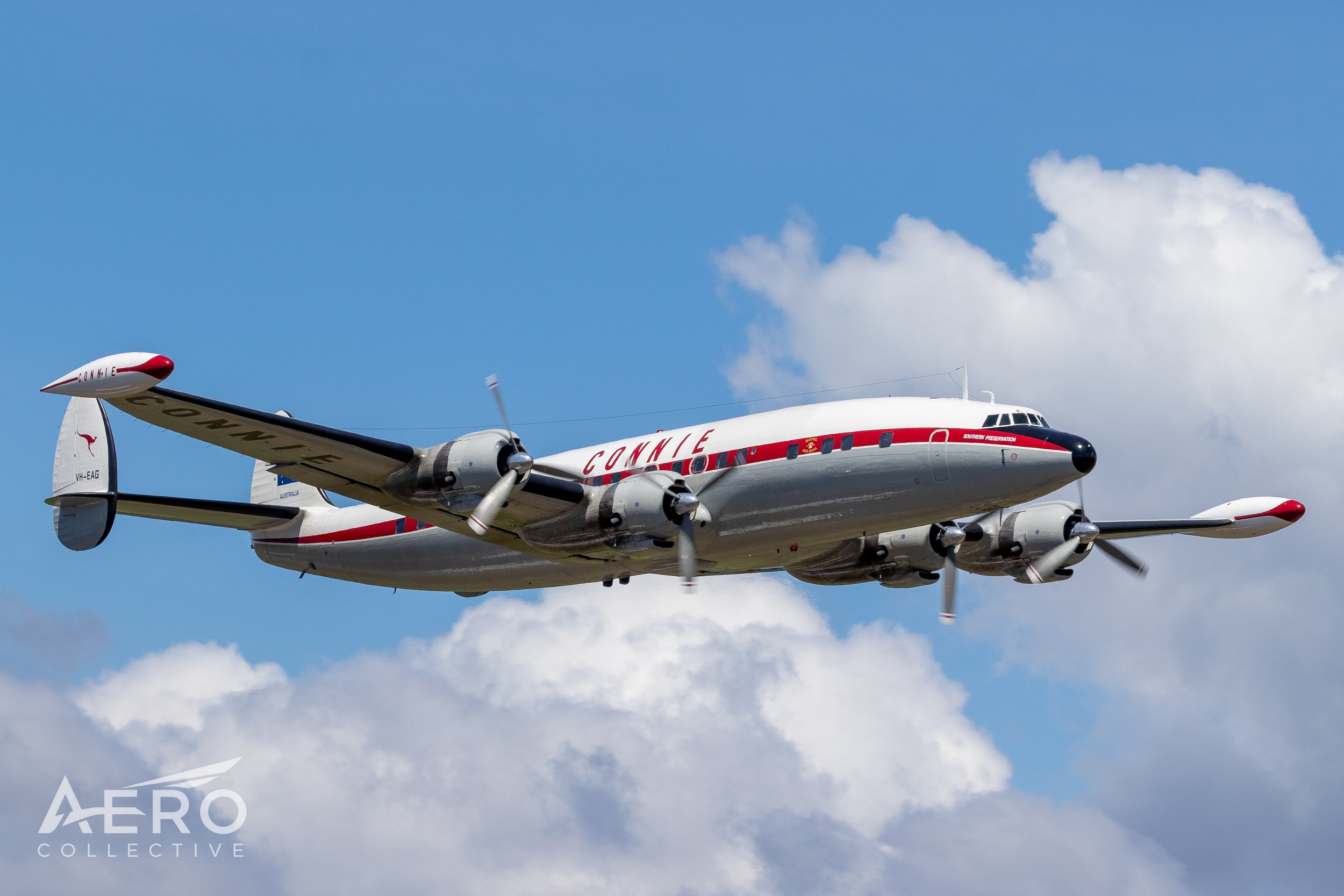
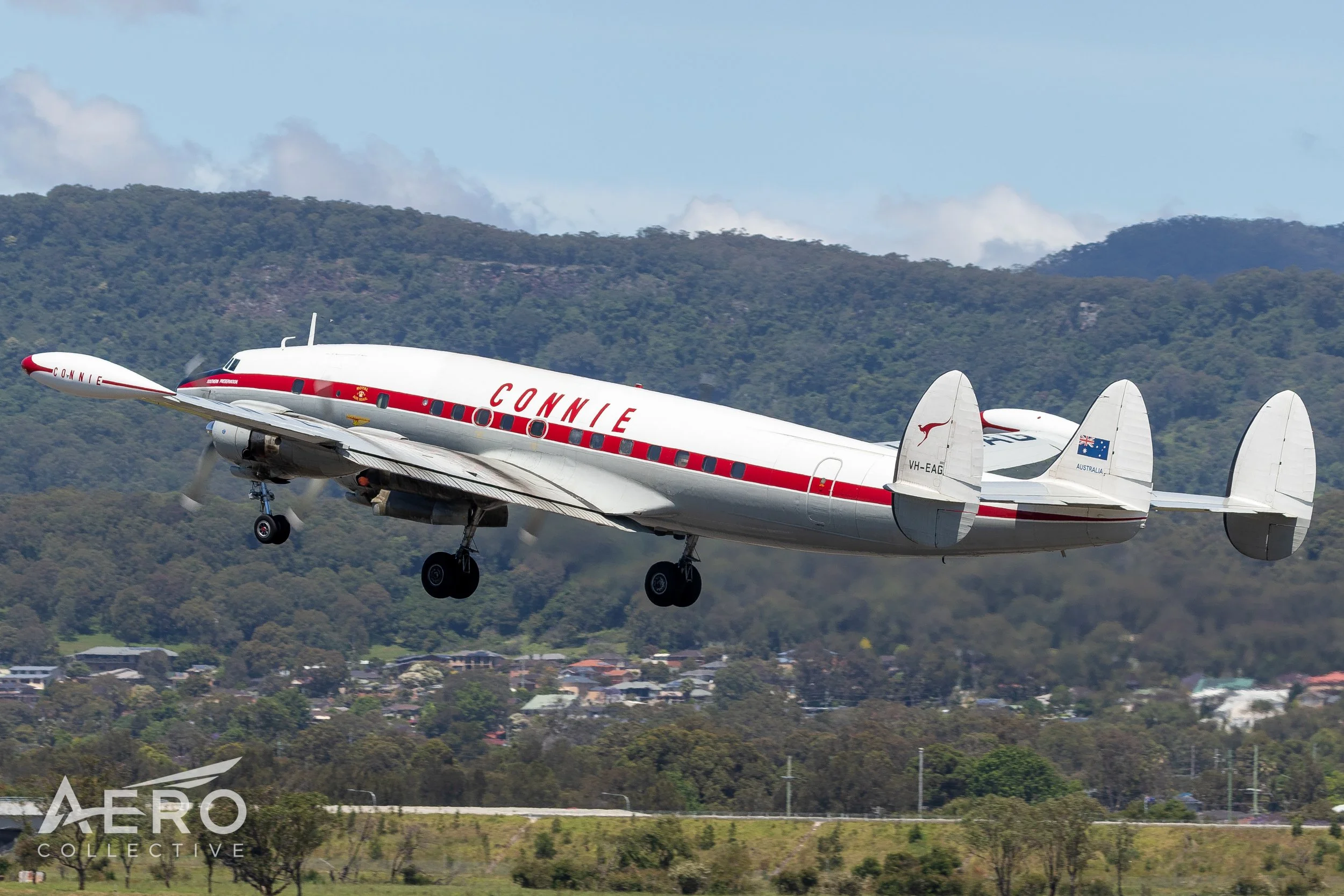
On 3 February 1996, the skies above Sydney were graced by one of the most beautiful classic airliners ever built, a Lockheed L-1049 Super Constellation descending after a long Pacific crossing, marking the triumphant return of an aviation legend to Australian soil. Thirty years on, this event remains one of the most inspiring chapters in Australia’s aviation heritage, a testament to the passion, perseverance, and dedication of HARS and their volunteers.
The story begins under the desert sun of Tucson, Arizona. There, in the vast aircraft “boneyard” at Davis-Monthan Air Force Base, sat a neglected C-121C Super Constellation, airframe serial 54-0157. Once a proud transport aircraft for the United States Air Force, it had spent nearly two decades out of the sky, weathered by time, birds, and abandonment.
In 1991, members of the Historical Aircraft Restoration Society (HARS) an Australia-based group of aviation enthusiasts spotted the battered Connie during a trip to the US. What others saw as scrap, they saw as history waiting to be saved. Agreements were made, and the Super Constellation was placed in HARS care, with a the bold plan to restore it to flying condition and deliver it home to Australia.
What followed was a labor of love unlike any other in Australian aviation preservation. Over five years and some 16,000 volunteer hours, HARS members painstakingly rebuilt the Connie in the dry heat of the Arizona desert. Instruments, engines, wiring, and structure were repaired, replaced or refurbished. In September 1994, the aircraft designated VH-EAG and nicknamed Southern Preservation finally returned to the air after over 20 years on the ground.
After further preparation and training in late 1995, the Super Constellation was ready.
On the morning of February 1996, Connie lifted off with a crew of dedicated pilots and engineers, heading west on a daring flight across the Pacific. With strategic stops at Oakland, Honolulu, Pago Pago, and Nadi for refuelling and rest, the voyage spanned some 39.5 hours of flying time before touching down at Sydney Airport. The arrival was smooth, incident-free and greeted with delight by aviation fans and the public alike.
For many Australians, it had been over 30 years since the last Qantas-operated Super Constellation left Sydney, making Connie’s return a reminder of the golden age of piston-driven flight.
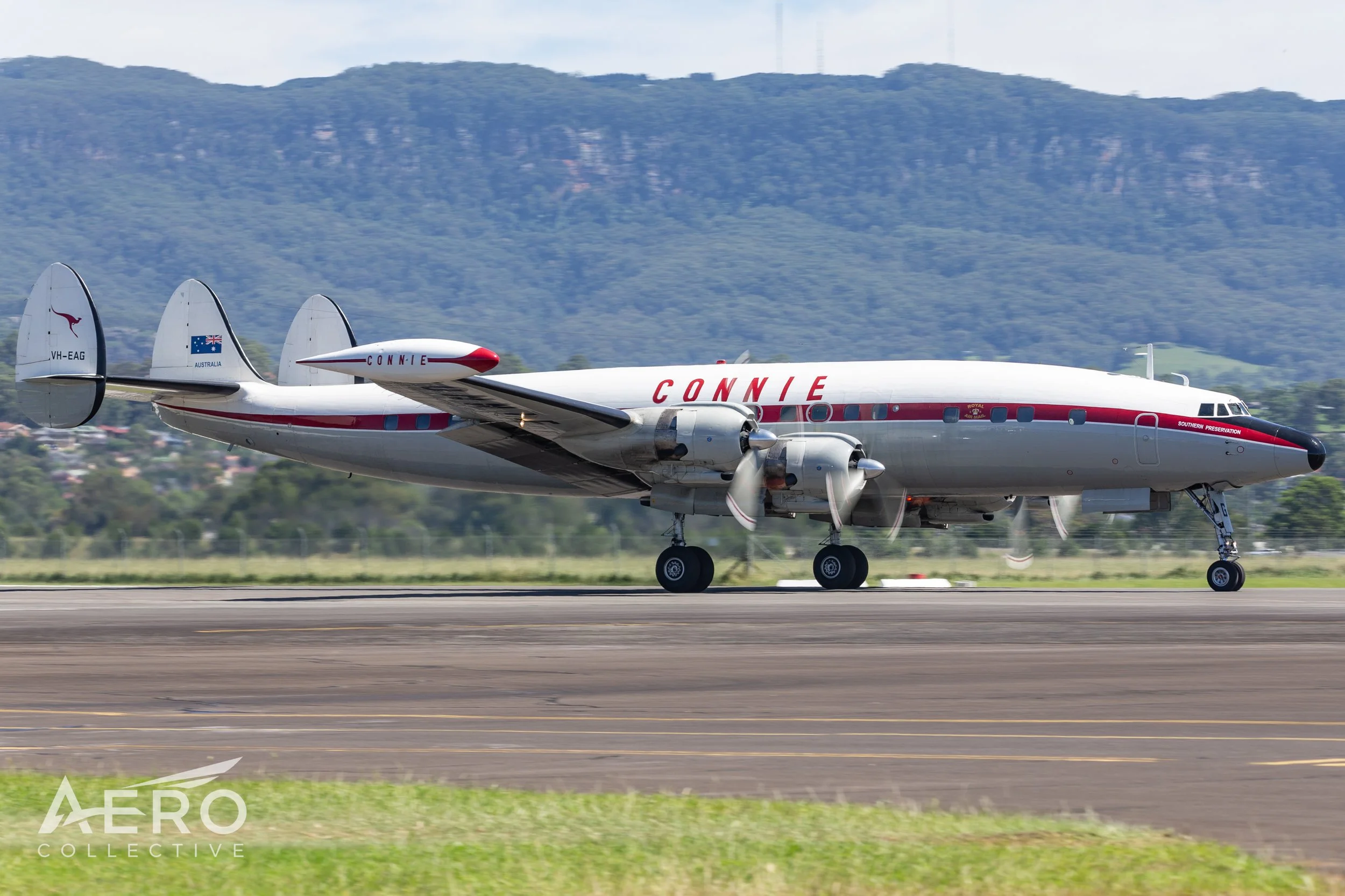
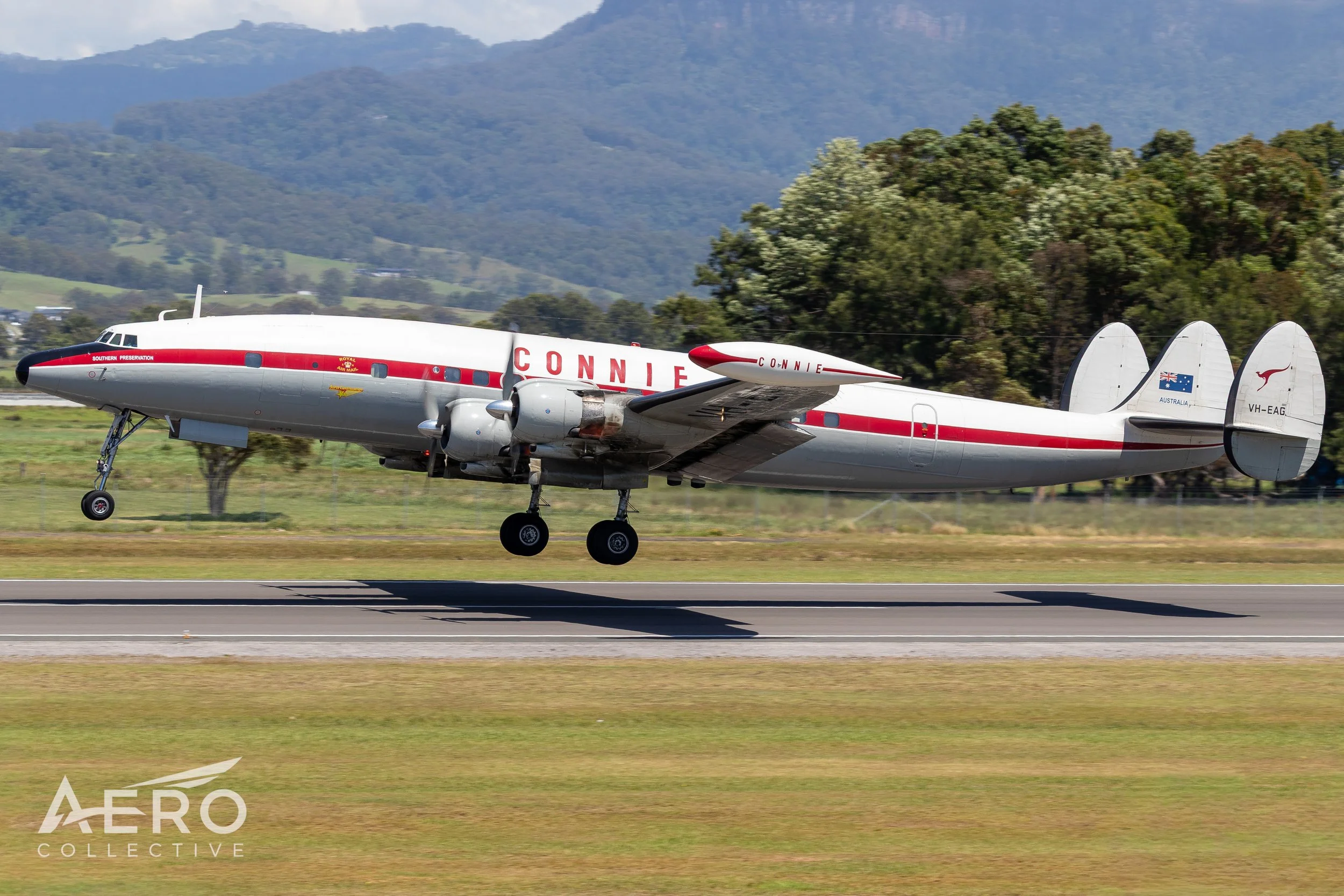
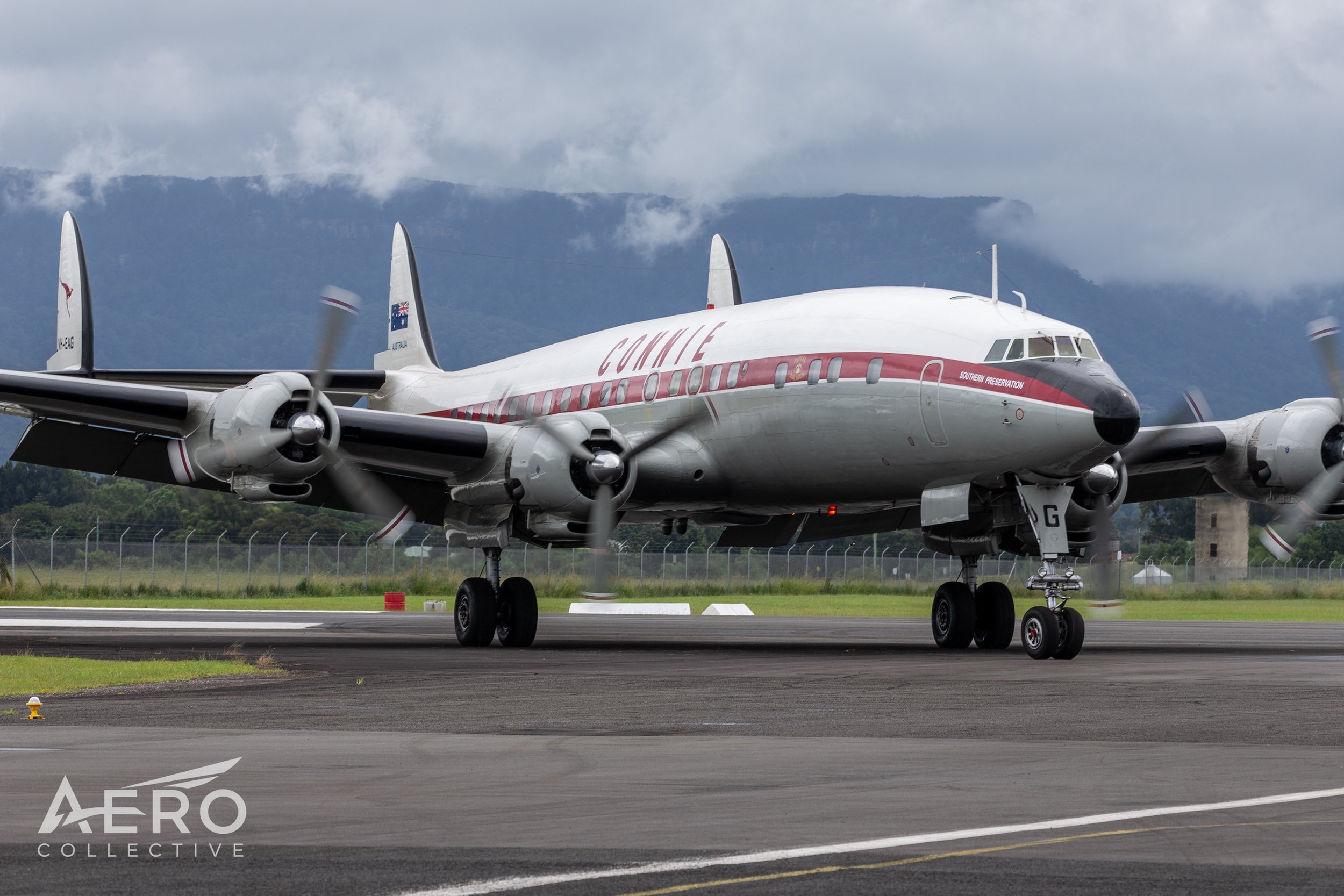
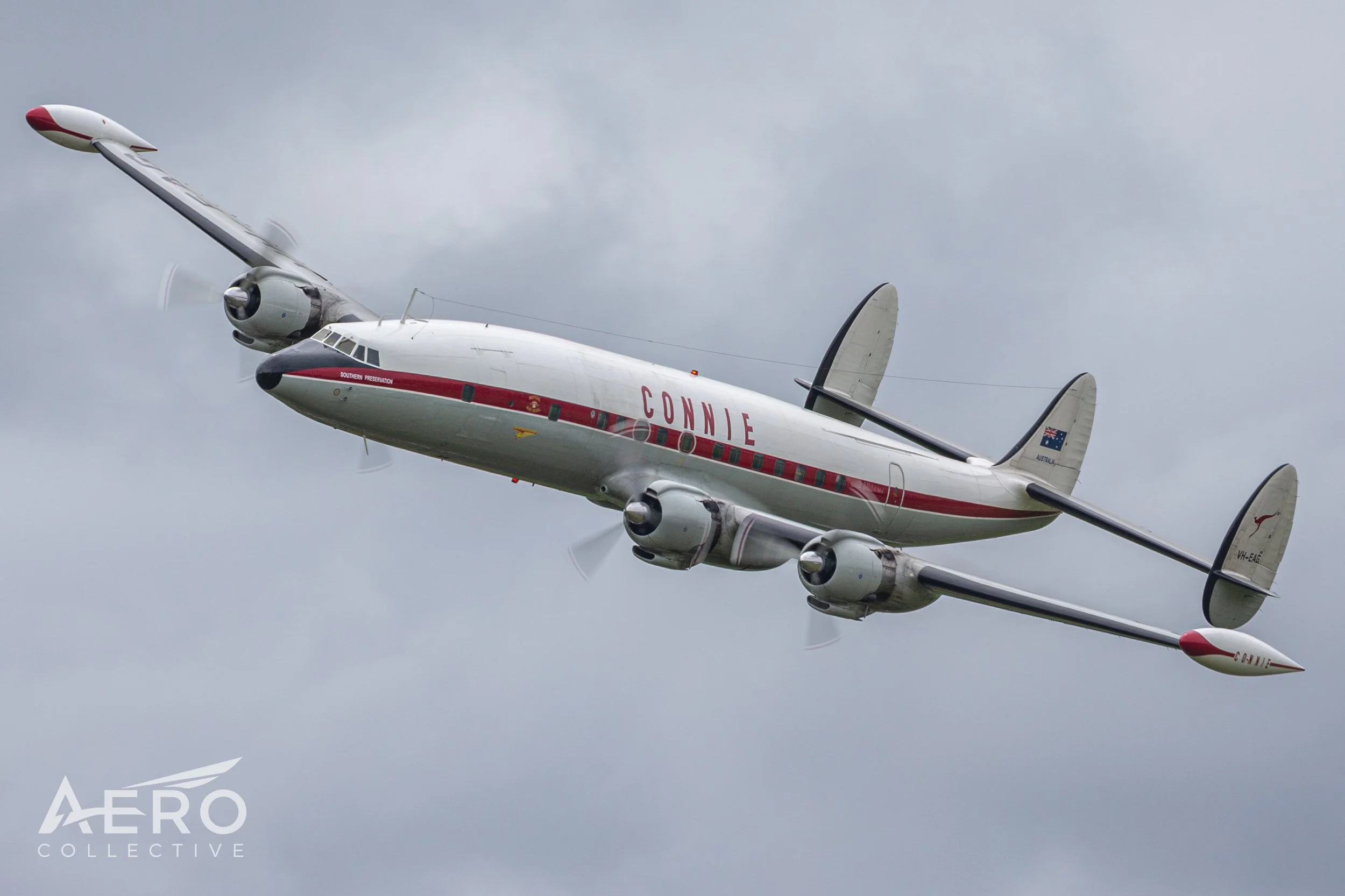
Today, VH-EAG holds the place as the flagship of the HARS fleet based at Albion Park Airport, south of Sydney. It is the only flying example of a Super Constellation in the world.
Connie continues to captivate audiences at airshows across the country, her four Wright radial engines roaring to life and transporting spectators back to the pomp and romance of early long-haul flight. The aircraft’s survival in flying form owes everything to countless volunteers, supporters, and sponsors who shared a vision of keeping aviation history alive.
The arrival of the Super Constellation in 1996 was more than the delivery of an aircraft; it was a celebration of community, craft, and shared heritage. Three decades on, VH-EAG remains an enduring symbol of what dedicated enthusiasts can achieve and a beloved ambassador for aviation history in Australia.