Fire Season Prepared: Tasmania’s Aerial Fleet Stands Ready
Article by Bailey Riboet
Images by Bailey Riboet
The Tasmanian Aerial Firefighting fleet is now complete, with six fixed-wing water bombers joining the eight on-call helicopters this week at Cambridge. The majority of the fleet will be based at Cambridge, with some at Launceston Airport.
Each year, the National Aerial Firefighting Centre (NAFC) builds a strong fleet of aircraft allocated to each state and territory to ensure they have the vital resources required for summer fire conditions. Tasmania Fire Service Deputy Chief Commissioner Matt Lowe said that the Fire Service and NAFC have equipped the state with 15 aerial assets capable of being in the air within 15 minutes of a callout and dispatched to any incident with the potential to threaten lives. The Tasmania Fire Service can also call in additional resources from interstate if required, as occurred during the 2024/2025 West Coast fires.
Mr Lowe stated, “Our fleet includes a mix of firebombing, aerial supervision and aerial intelligence-gathering aircraft: eight helicopters and seven fixed-wing planes, including some equipped with amphibious floats that allow them to land on water.”
The Tasmania Fire Service showcased a public demonstration yesterday of the fleet’s firefighting capability. The current fleet includes:
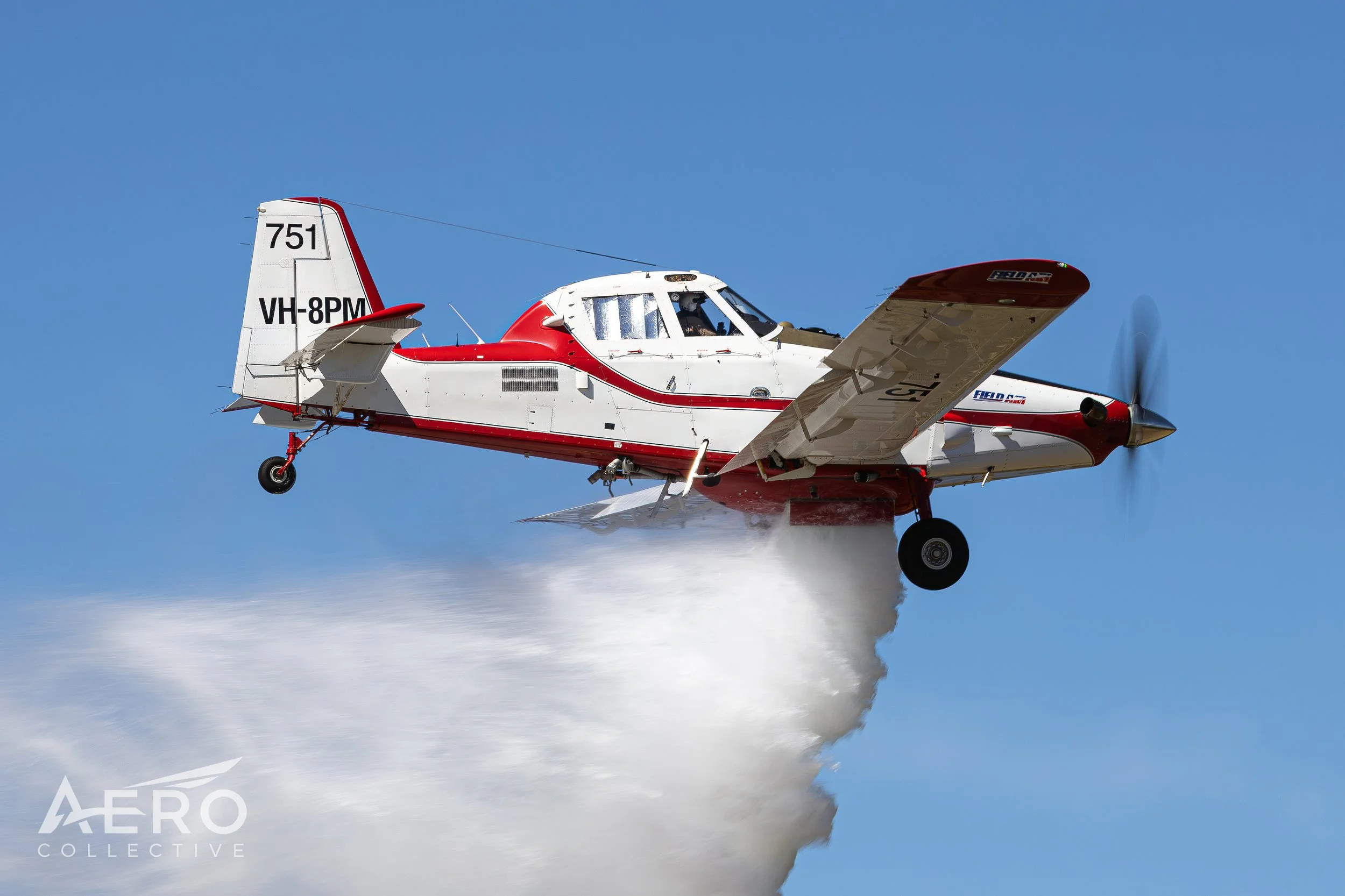
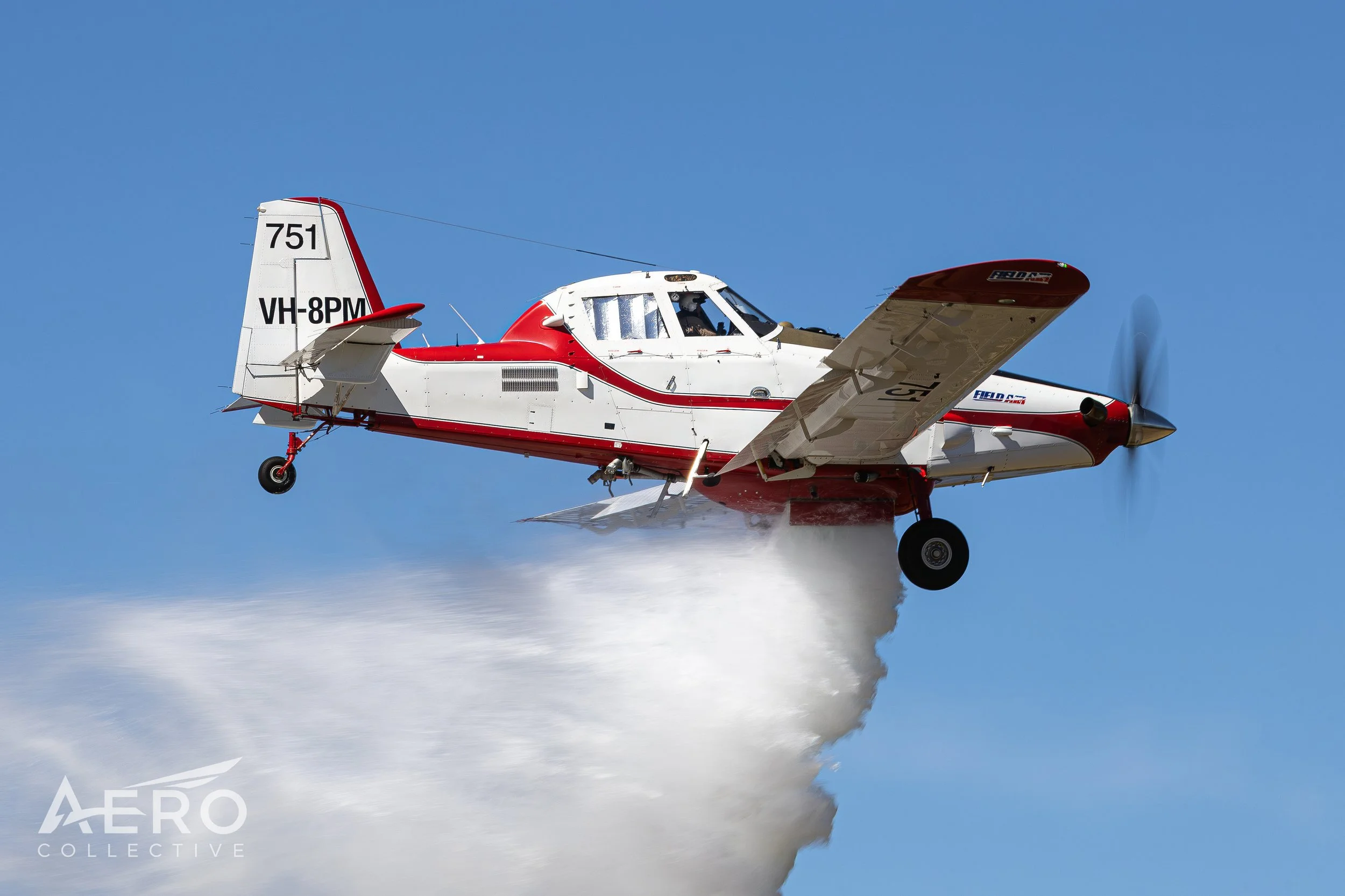
2 × Air Tractor AT-802F
4 × Fire Boss AT-802F
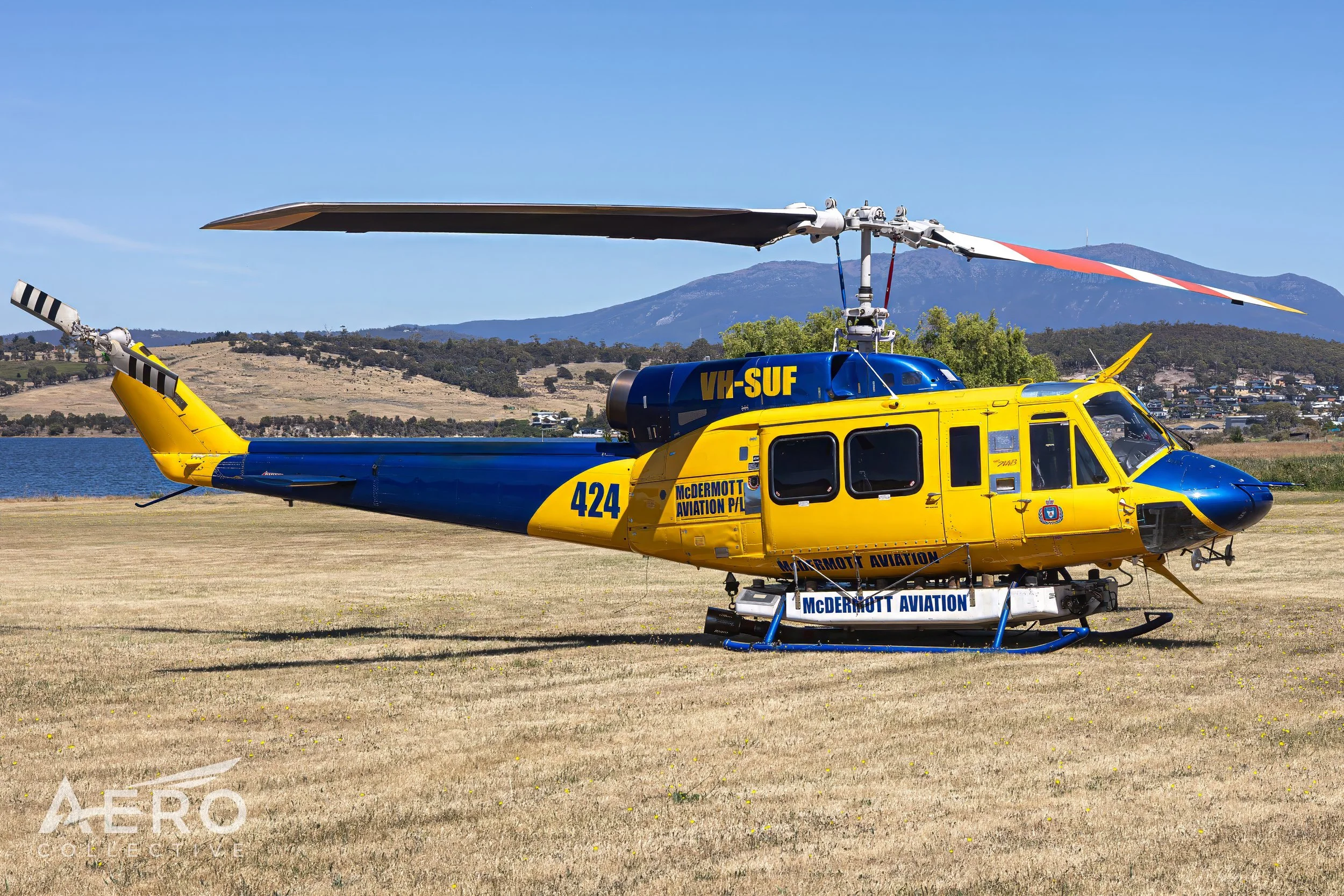
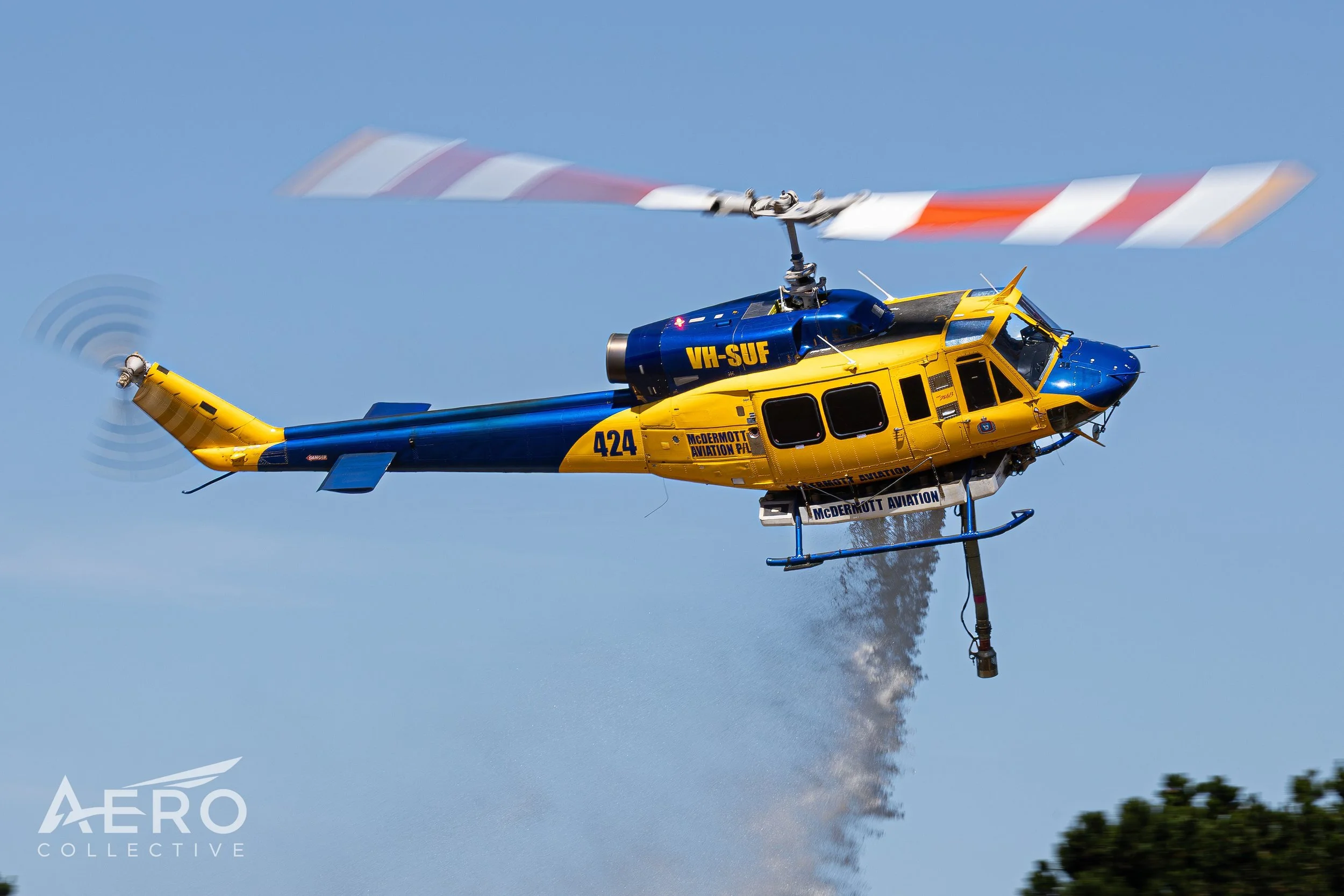
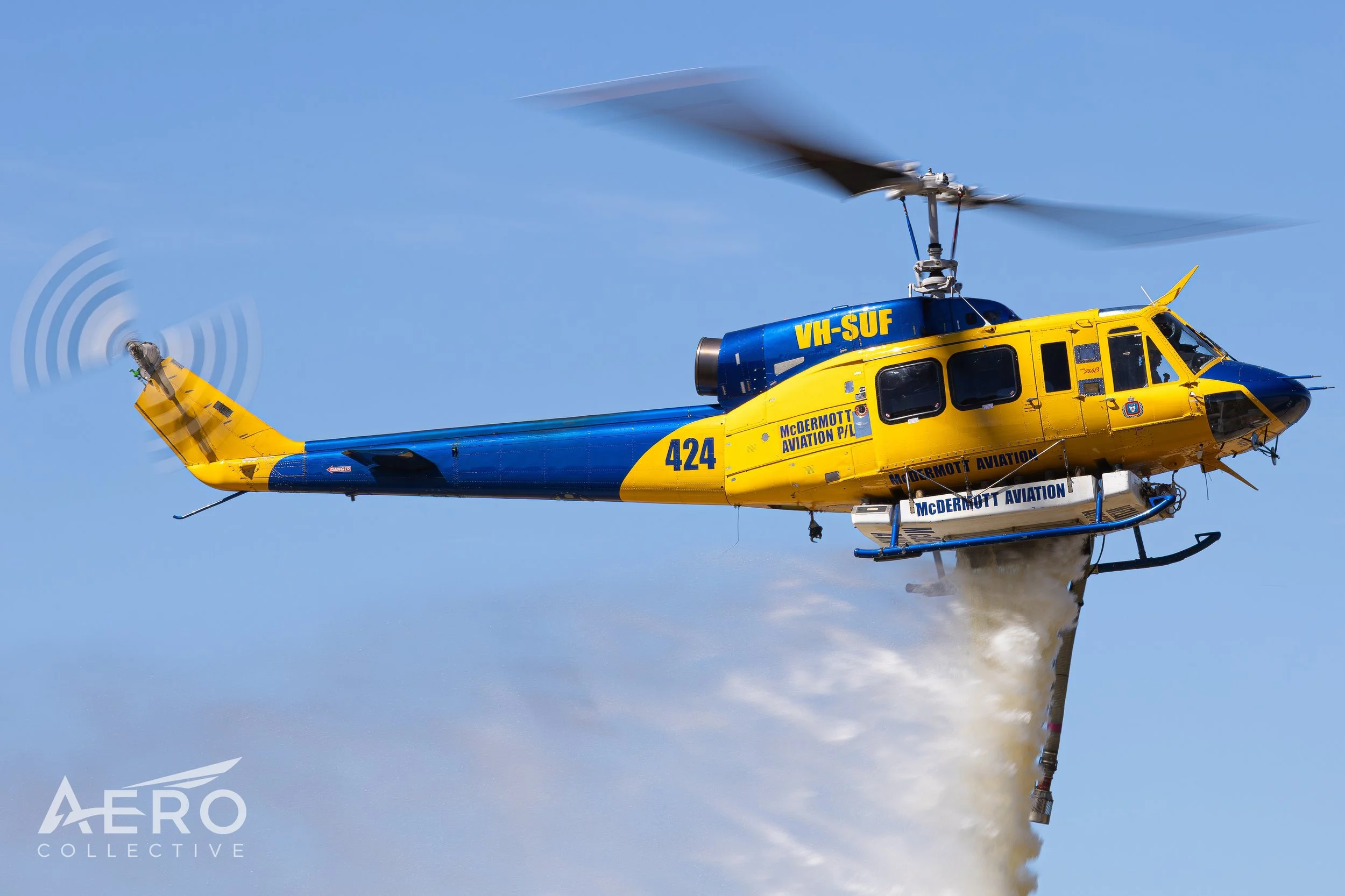
4 × Bell 214B
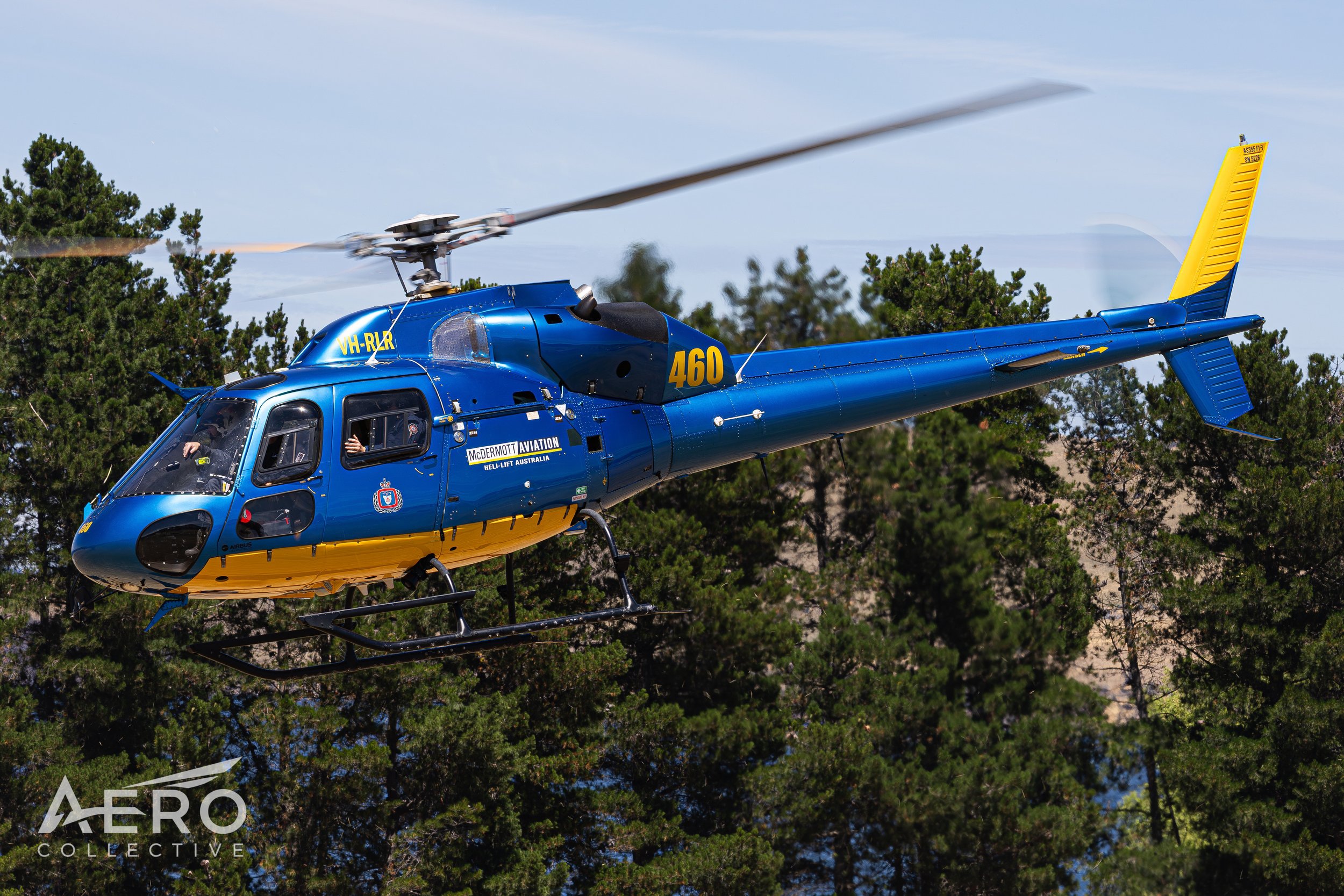
2 × Twin Squirrel AS355-F1
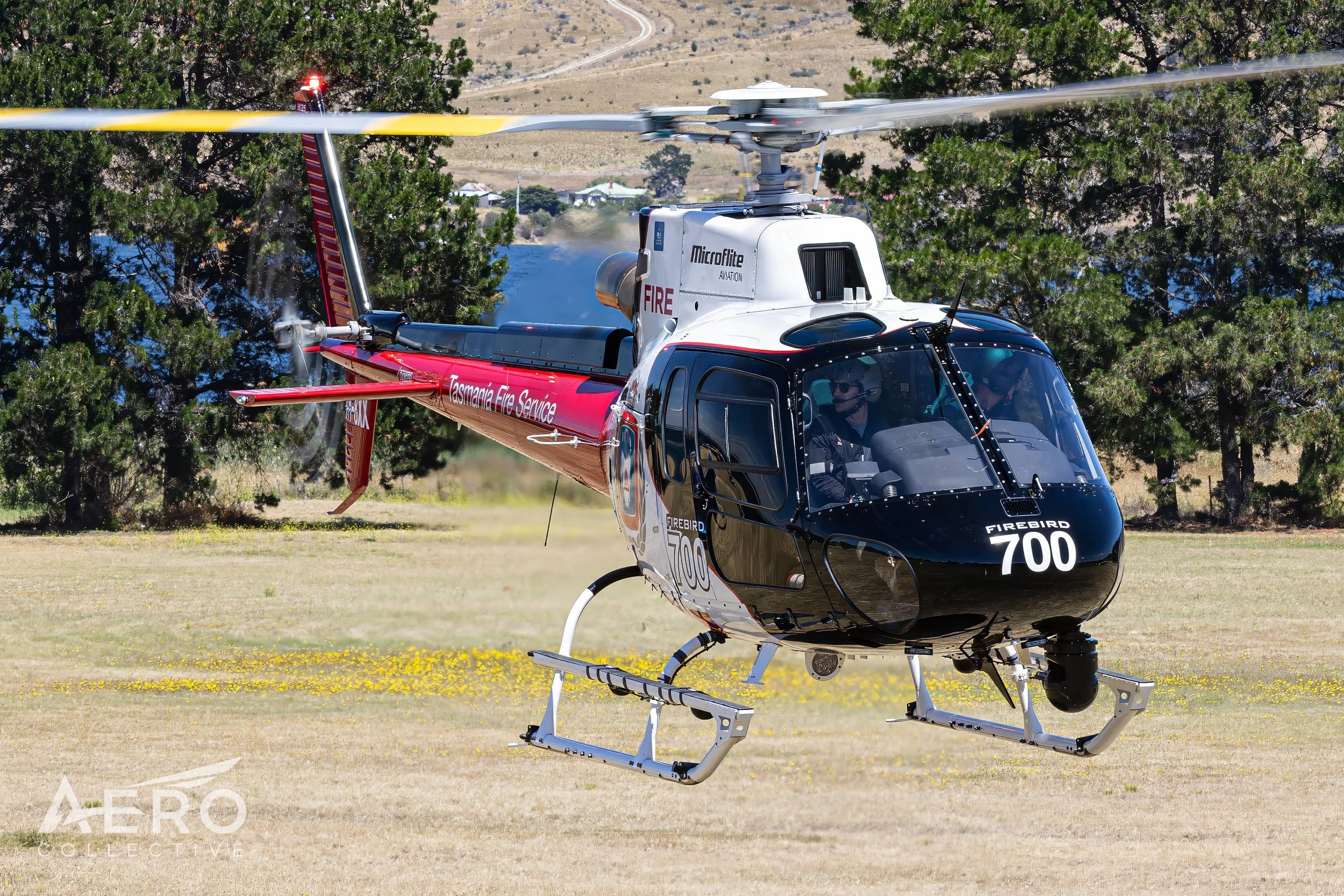
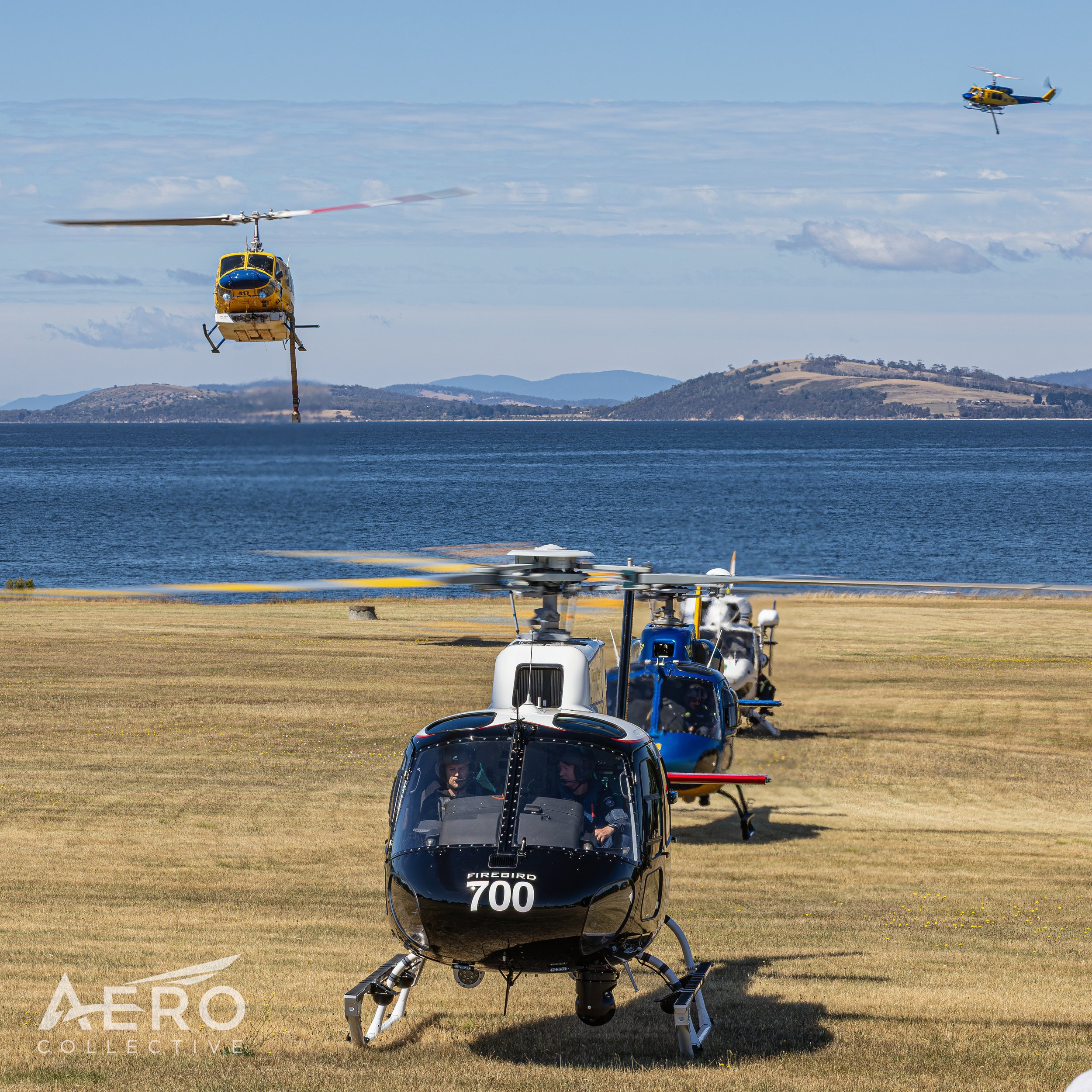
1 × AS350-B3 special intelligence-gathering helicopter
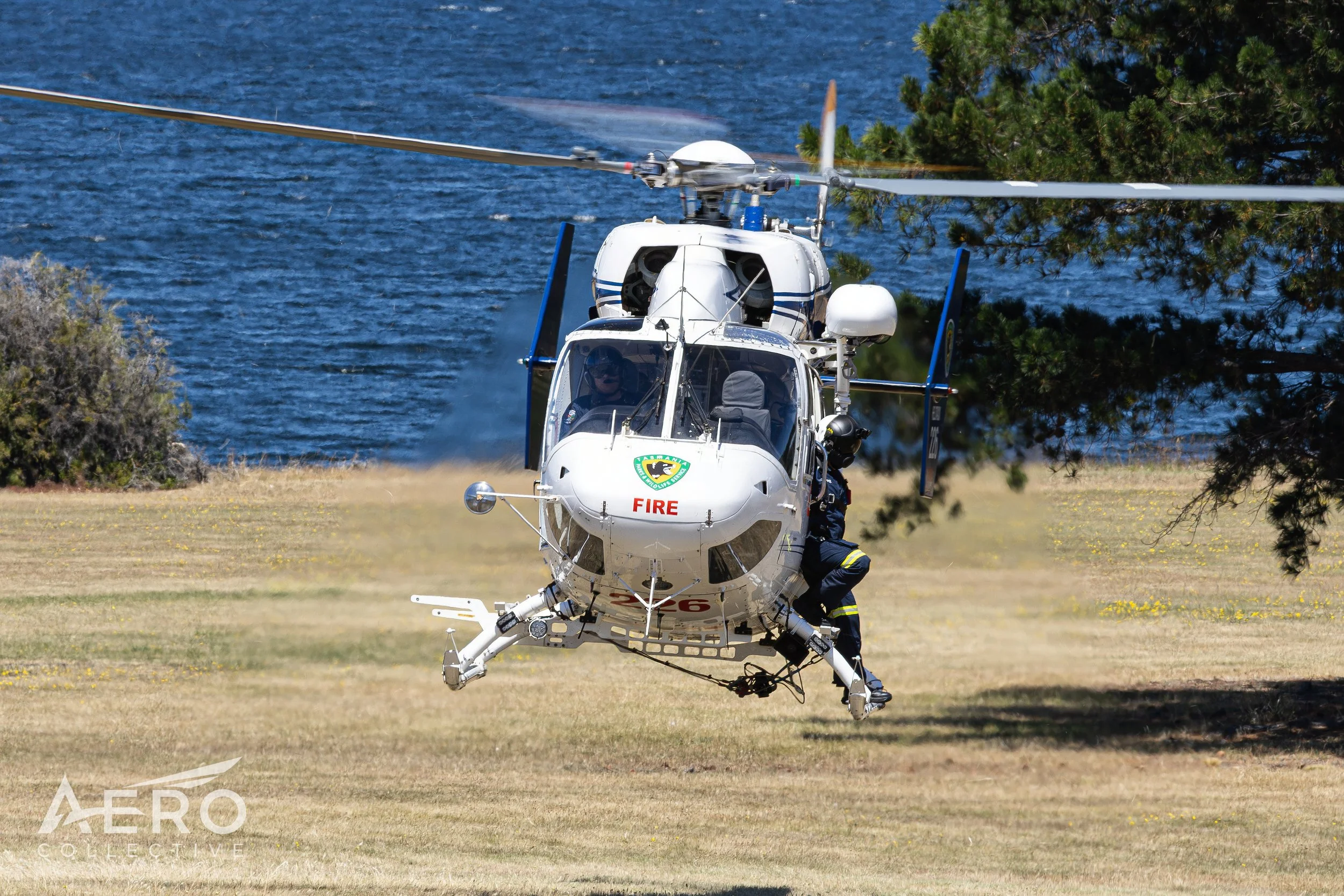
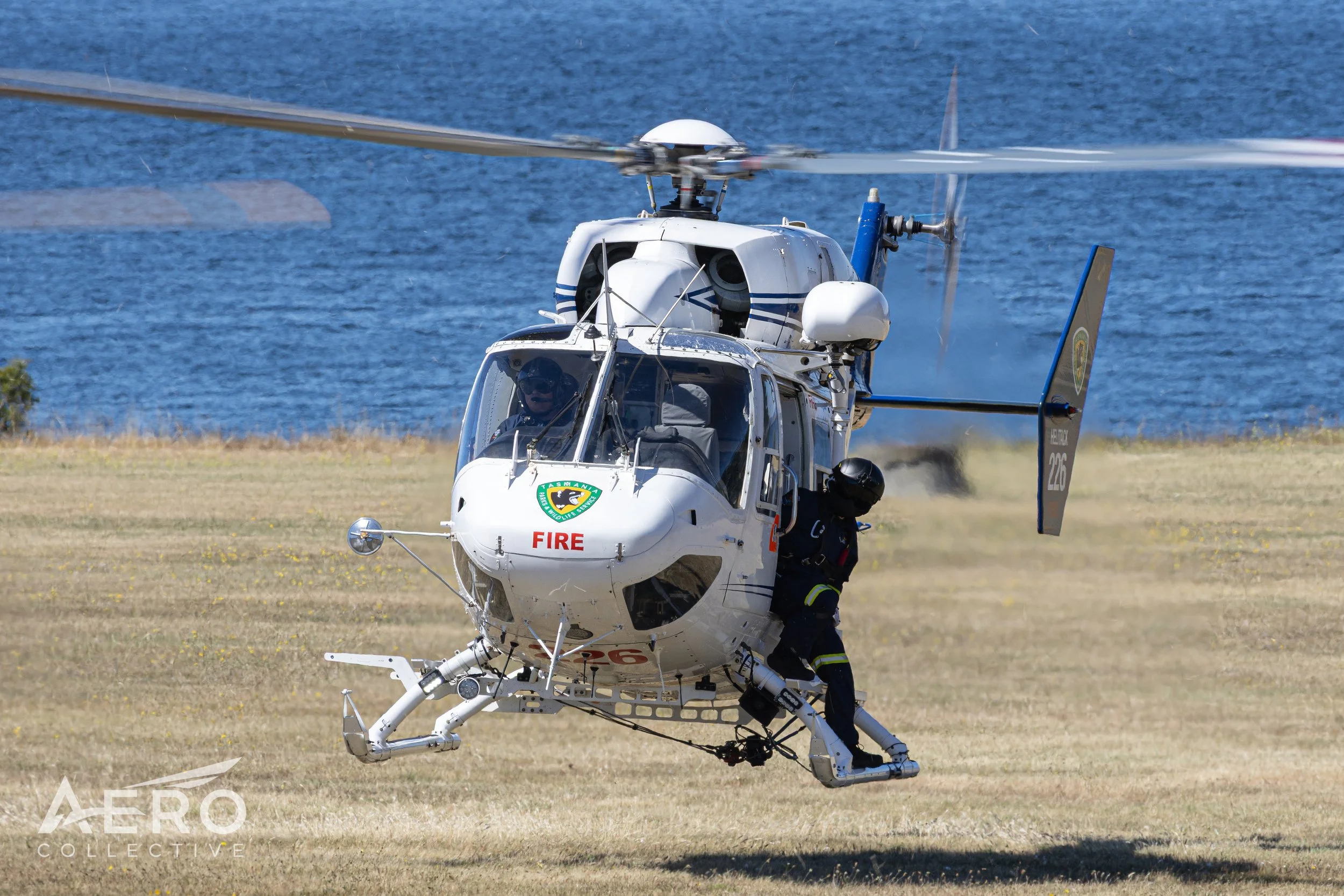
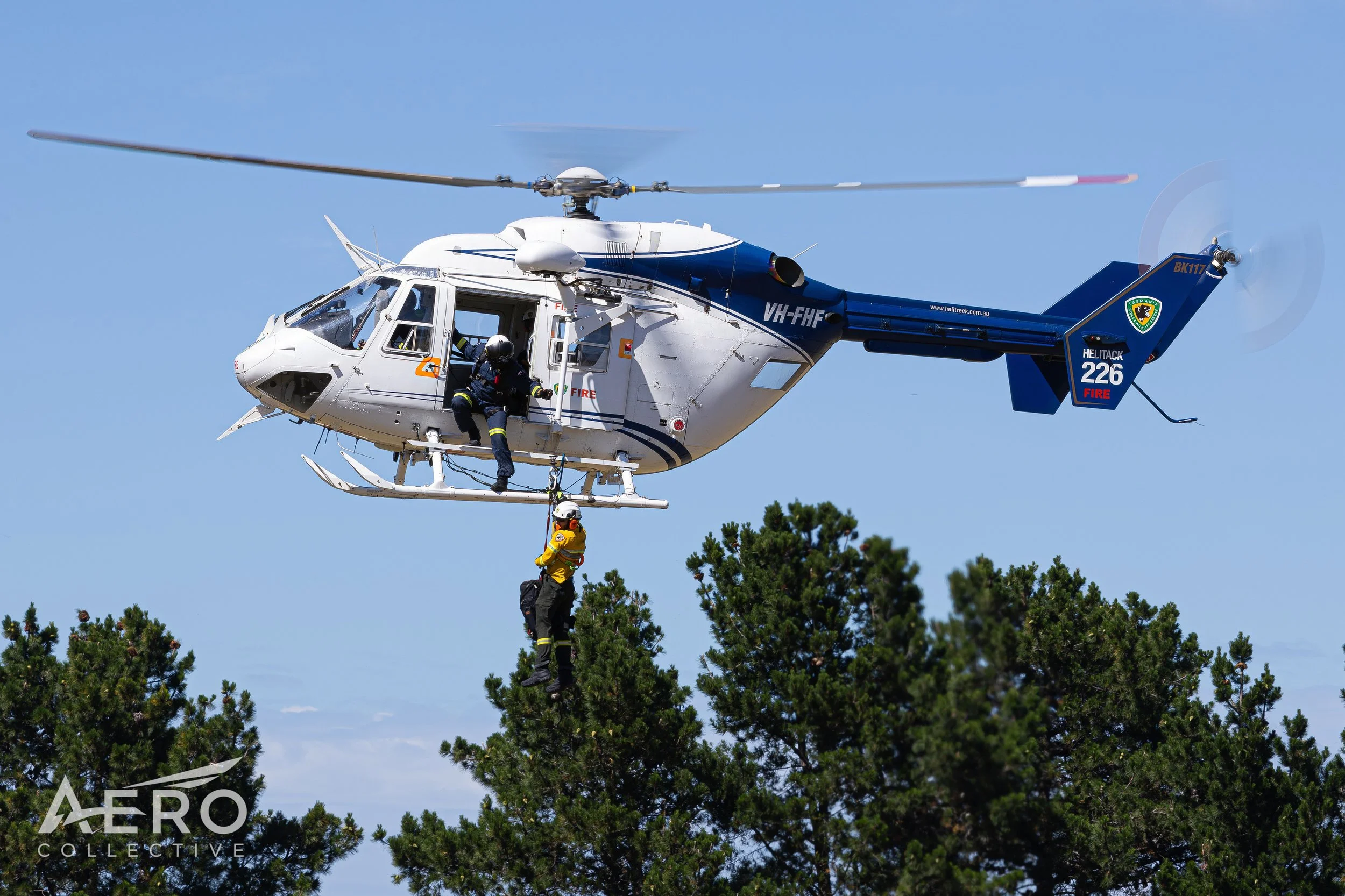
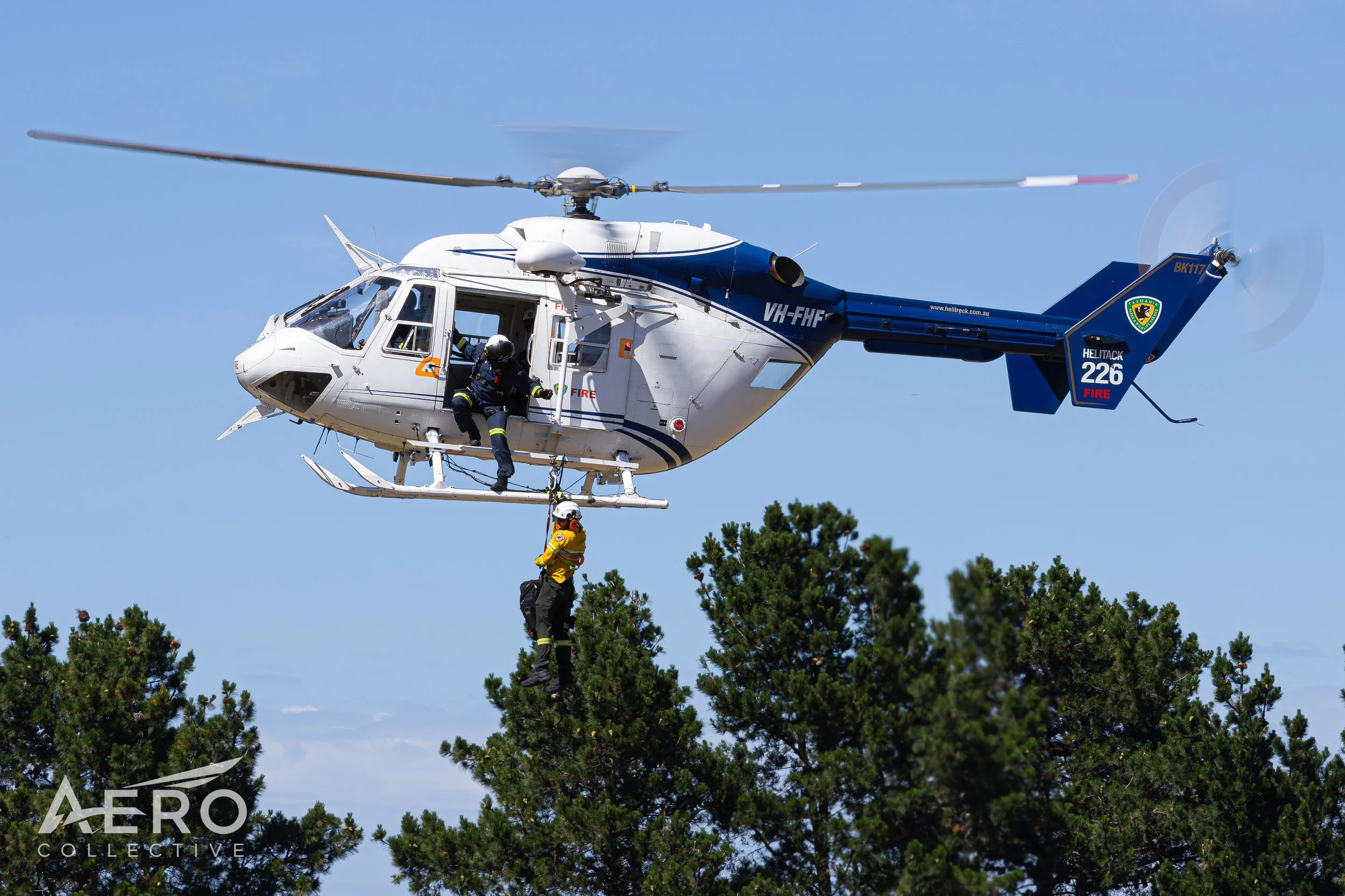
1 × BK117 winch-capable helicopter
1 × Aero Commander fire-spotting aircraft
Mr Lowe highlighted the critical role of aerial firefighting in Tasmania’s bushfire response strategy, stating: “Aerial firefighting is an important tool for firefighters and a key part of our summer bushfire response. The use of these aircraft enables us to attack fires quickly, assists us in keeping fires small, and buys time for ground vehicles to arrive on scene to contain and extinguish fires.”
Mr Lowe also noted that although the aerial units are based at Cambridge and Launceston, they can be repositioned to other airbases across the state where fire risk is greater. Specialised aircraft also provide crucial information to ground crews to plan an effective response.
He expressed confidence in the Tasmania Fire Service and its partner agencies as they prepare for the fire season, but emphasised that it is a shared responsibility. “Having these aircraft on standby doesn’t mean the community can be complacent. Everyone has a role to play in being ready for a bushfire event and keeping the risk of bushfire ignition to a minimum,” he said.
“A well-prepared home is far more likely to survive a bushfire. Don’t wait until it’s too late — start your preparations now and make sure you have a bushfire plan in place.”
For the next three years, the Tasmania Fire Service and Microflite have contracted a newly introduced AS350-B3 helicopter equipped with military-grade cameras for fire intelligence. Registered VH-8XX and designated Firebird 700, it was built in late 2024 and entered service in late 2025 for around eight million dollars, excluding systems and internal equipment.
It is expected that Tasmania’s fire season will peak later than usual, but authorities are urging the community to stay vigilant, as fires can start at any time.
On the 7th of January, a public media event was held to showcase the fleet. It began with a Helitrek BK117 helicopter conducting a winching operation involving two Parks and Wildlife firefighters, followed by six fixed-wing water bombers conducting water drops. Two McDermott Bell 214B helicopters then demonstrated their manoeuvrability and performance on the fireground while dropping water. Also in the air was the McDermott aerial supervision helicopter, which manages the fireground from above, orbiting the area while overseeing the other aircraft. Microflite also showcased its latest addition, demonstrating the high-grade camera system on board.
After the displays, each aircraft landed to allow the media and public to view the equipment on board, giving the community insight into these valuable assets. After around two hours, all aircraft departed back to Cambridge to remain on standby.
The water-bombing aircraft are currently contracted for 90 days, while the intelligence aircraft are contracted for 120 days. These periods can be extended if needed at the end of the season. In addition to these 15 aircraft, several Tasmanian-based helicopter companies are also available to assist.
With a strengthened aerial fleet, cutting-edge intelligence aircraft, and highly trained crews ready to launch at a moment’s notice, Tasmania enters the 2025/2026 fire season with a robust and well-prepared airborne firefighting capability. While these assets provide a powerful first line of defence, authorities continue to emphasise that community preparedness remains essential. As the season progresses, every Tasmanian plays a role in reducing fire risk, staying informed, and ensuring their property and plans are ready long before an emergency begins.