Australia’s MQ-28 Enters a New Phase
Article by Caelan M
Images by Australian Defence Force
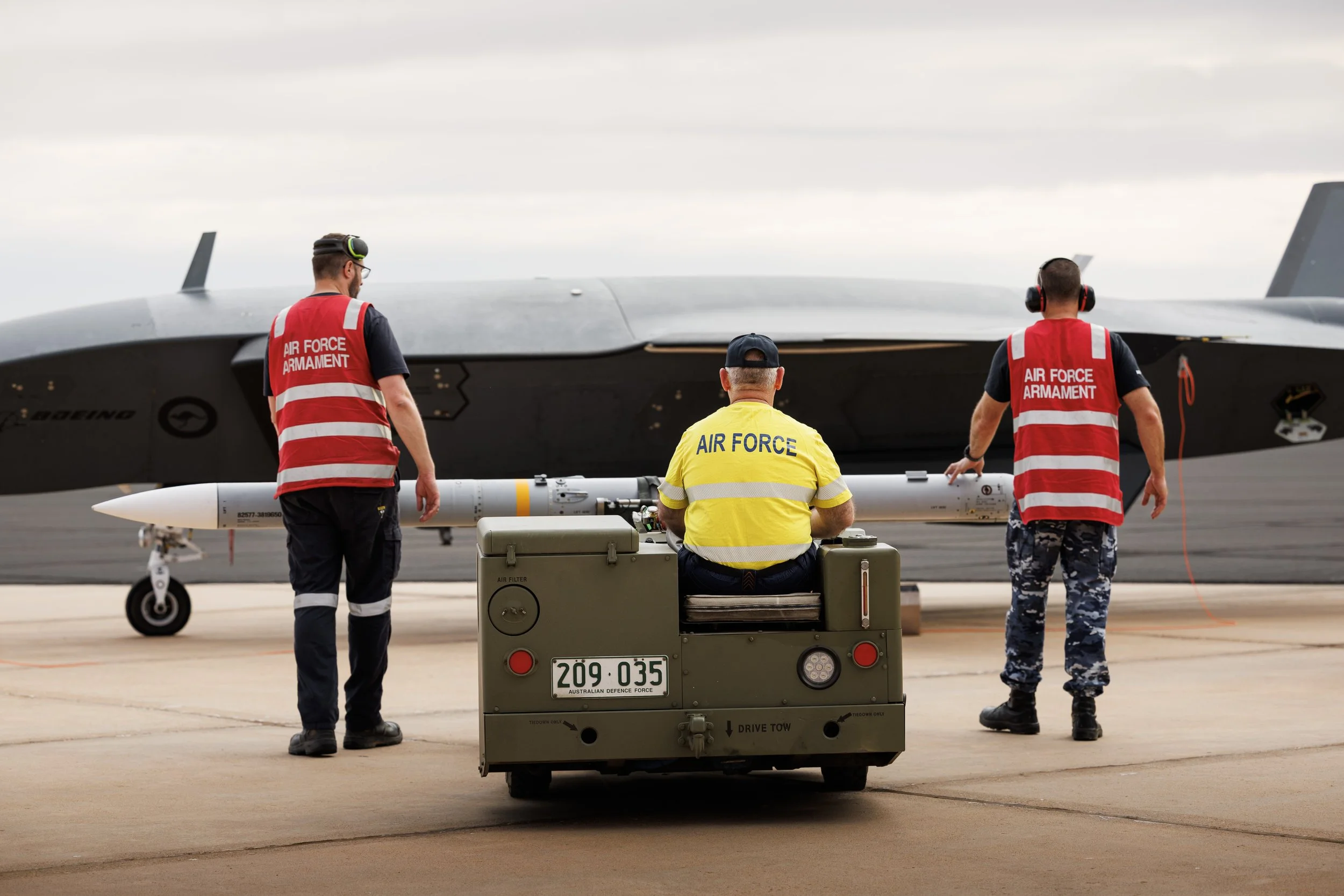
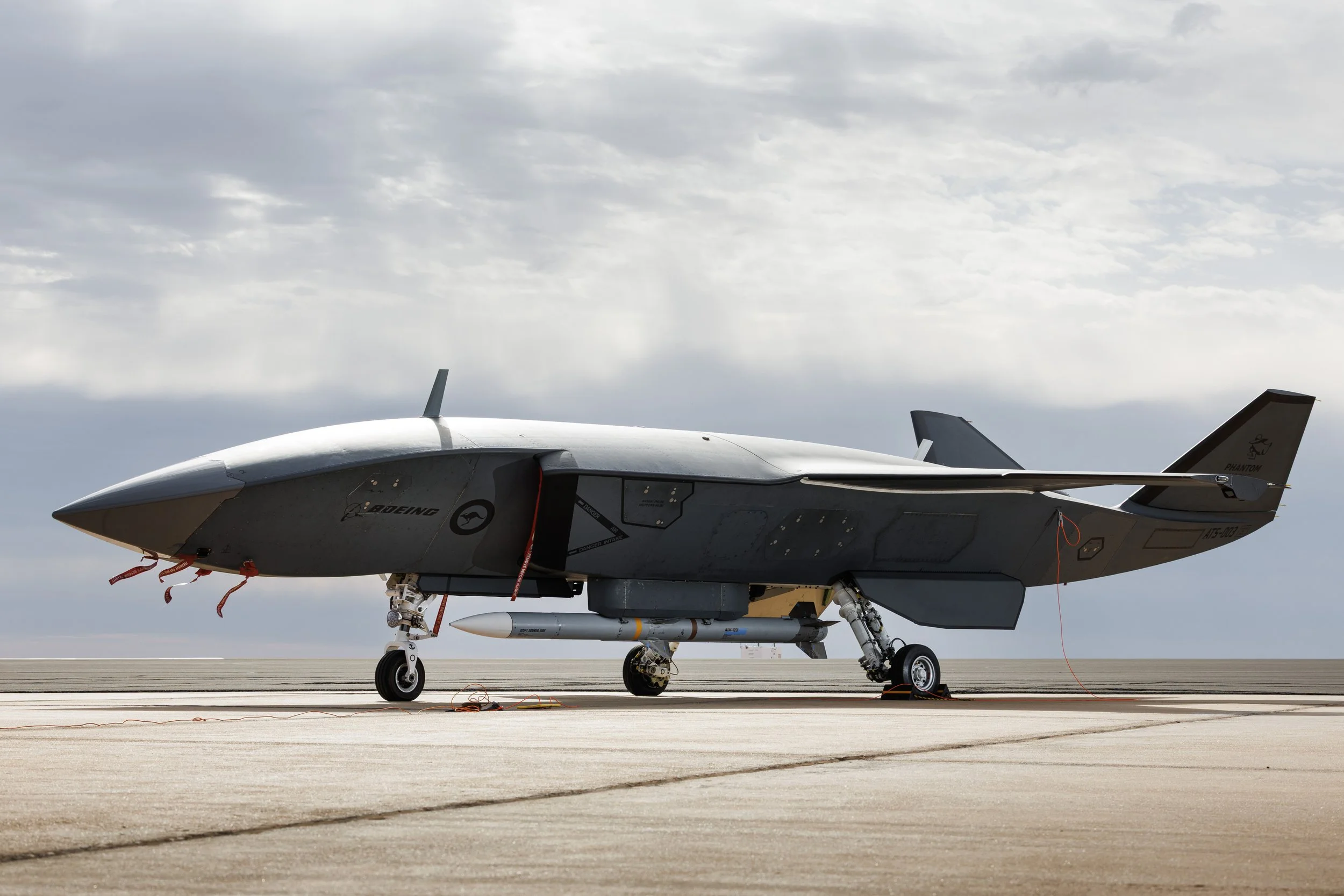
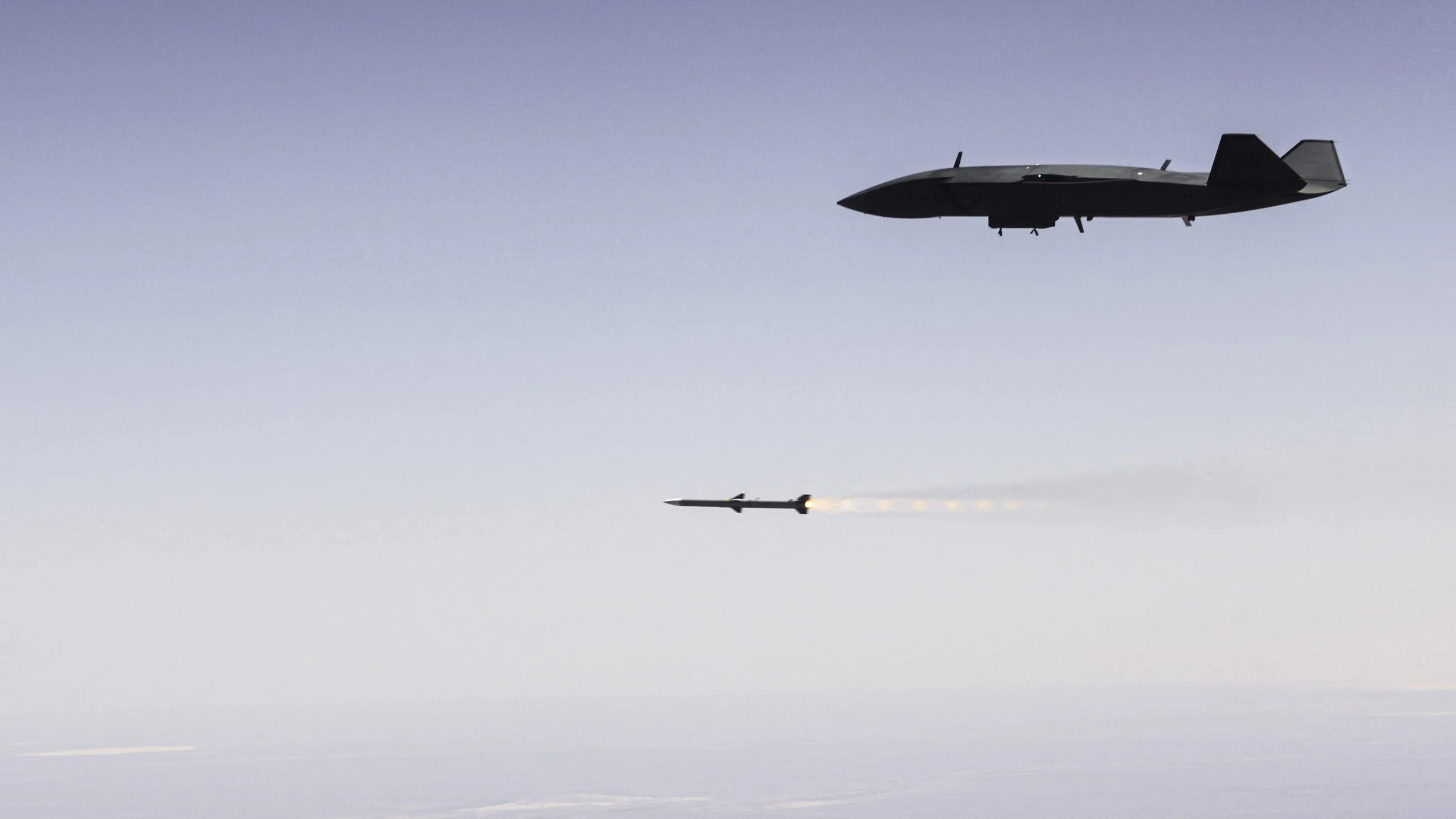
Boeing Defence Australia, working alongside the Royal Australian Air Force (RAAF), has completed a major milestone for the nation’s defence capabilities: the first autonomous air-to-air weapon launch performed by an Australian aircraft. During recent trials at the Woomera Test Range in South Australia, an MQ-28A Ghost Bat Collaborative Combat Aircraft (CCA), designed and produced domestically, successfully fired an AIM-120 medium-range missile and destroyed an unmanned aerial target.
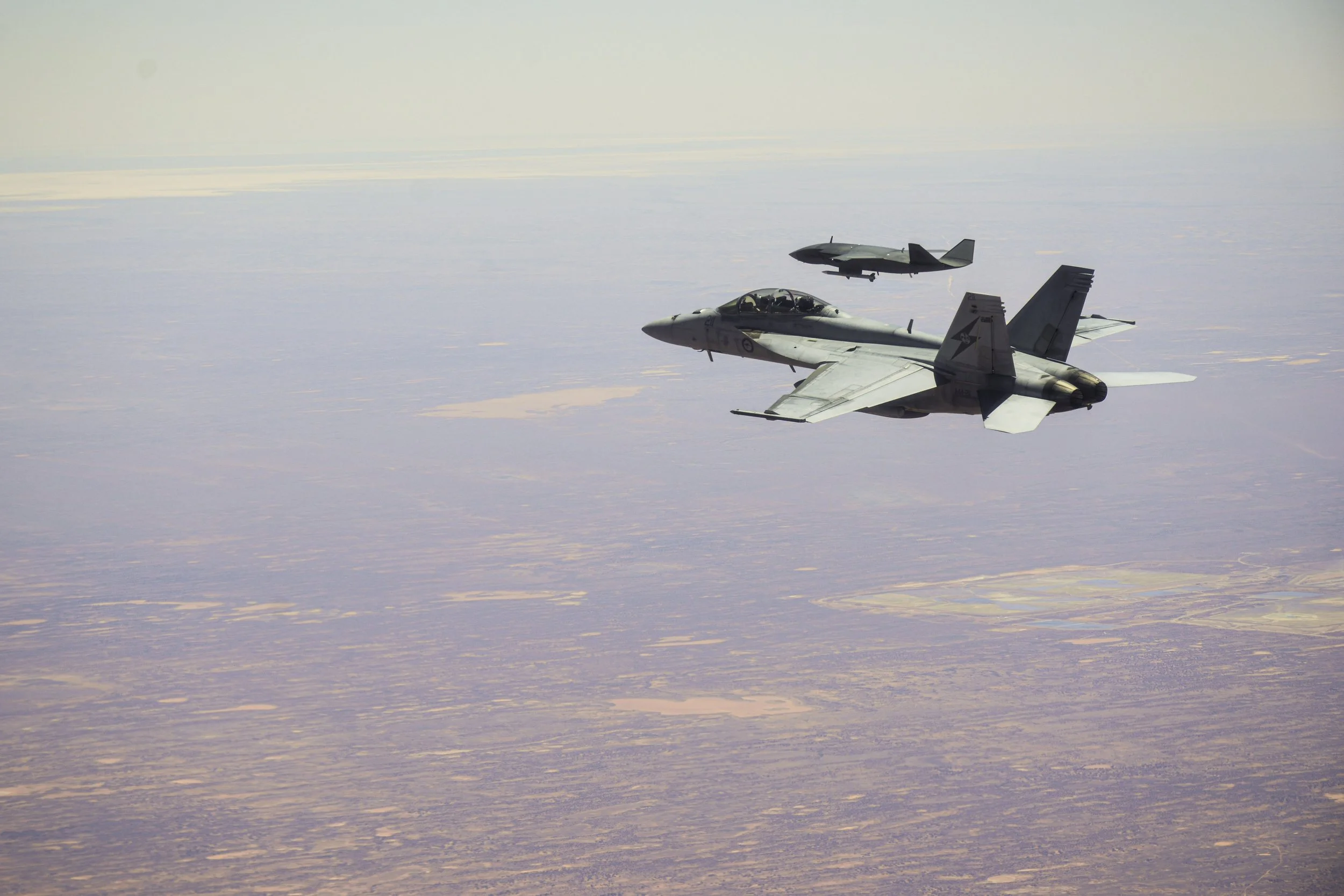
The test was carried out within a mixed crewed and uncrewed formation. Operating as a “loyal wingman,” the MQ-28A worked in concert with a RAAF E-7A Wedgetail, E/A-18G Growler, and F/A-18F Super Hornet. The autonomous aircraft completed the live-fire engagement safely and as planned.
Amy List, Managing Director of Boeing Defence Australia, said the event demonstrates how far the program has progressed. She noted that this marks the first time an autonomous platform has executed an air-to-air engagement with an AIM-120, underscoring the growing maturity of the Ghost Bat as a CCA. According to List, systems like the MQ-28A can expand force presence, improve shared battlespace awareness, and help protect aircrew by taking on higher-risk roles.
In response to the successful trial, the Australian Government confirmed a new investment of roughly $1.4 billion to advance the MQ-28A toward operational use. The funding package includes additional aircraft orders and continued development of future upgrades. Over the next decade, Australia plans to allocate more than $10 billion to drones and autonomous systems as part of broader Defence planning.
Minister for Defence Industry Pat Conroy said the results highlight Australia’s leadership in Collaborative Combat Aircraft technology. He described the Ghost Bat’s ability to team with crewed platforms as a major leap forward, turning a single fighter into a networked formation capable of surveillance, engagement, and increased protection for RAAF personnel. Conroy also emphasised that the program supports local industry, with over 70 percent of the investment staying within Australia and contributing to high-tech, highly skilled jobs.