Exercise Wallaby 2025
Article by Henry Robinson
Images by Henry Robinson
Exercise Wallaby has had its history cemented in over three decades of collaboration between Singapore and Australia. First conducted in 1990, the exercise was born from Singapore’s need for expansive training grounds — space that the island nation simply did not have. Over time, it evolved from a small-scale field deployment into a cornerstone of the Singapore Armed Forces’ overseas training calendar. Each iteration has grown in scope and ambition, integrating air, land, and support elements to mirror real-world operations. More than just an annual drill, Exercise Wallaby represents the enduring partnership between both nations and the SAF’s continual pursuit of operational excellence. The 2025 iteration included over 5000 personnel from the SAF, along with 17 aircraft deployed to Rockhampton for the duration of the exercise.
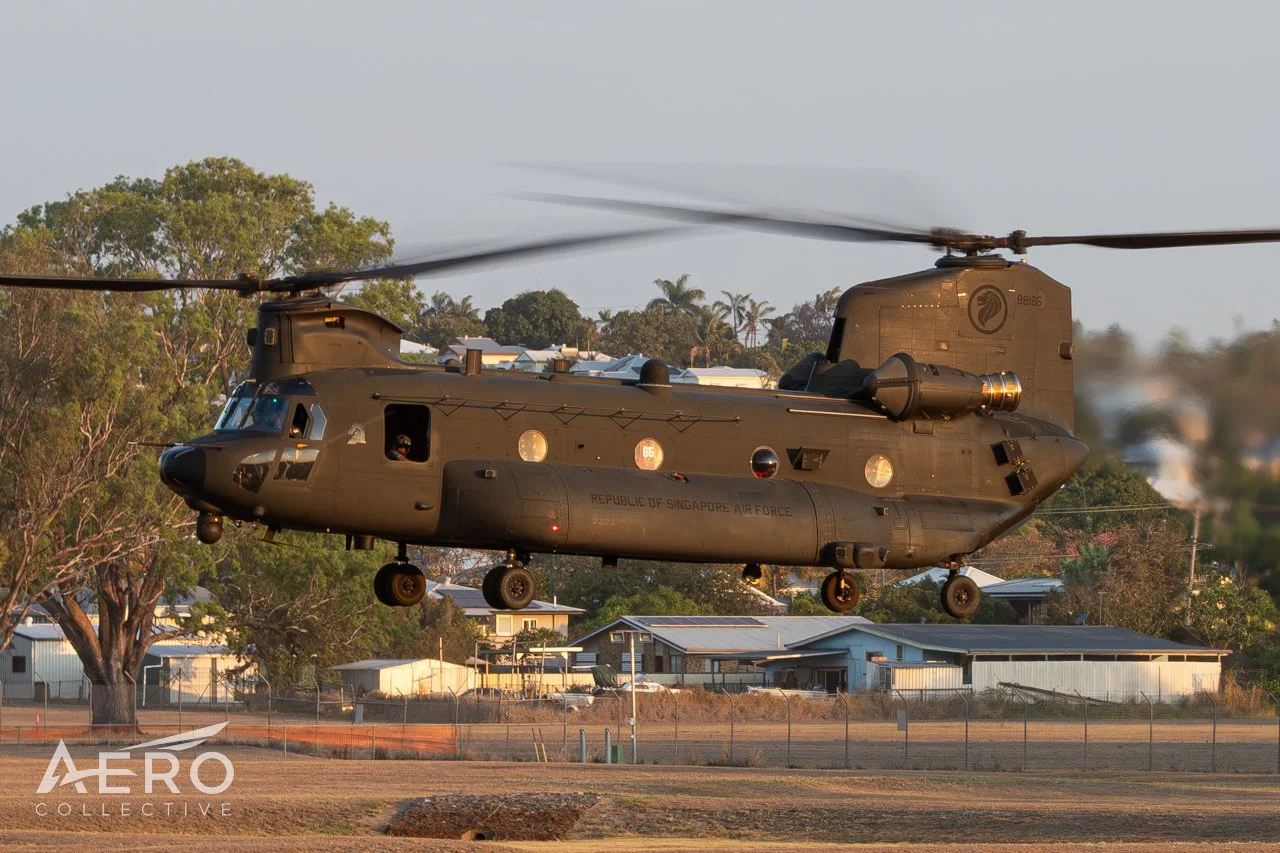
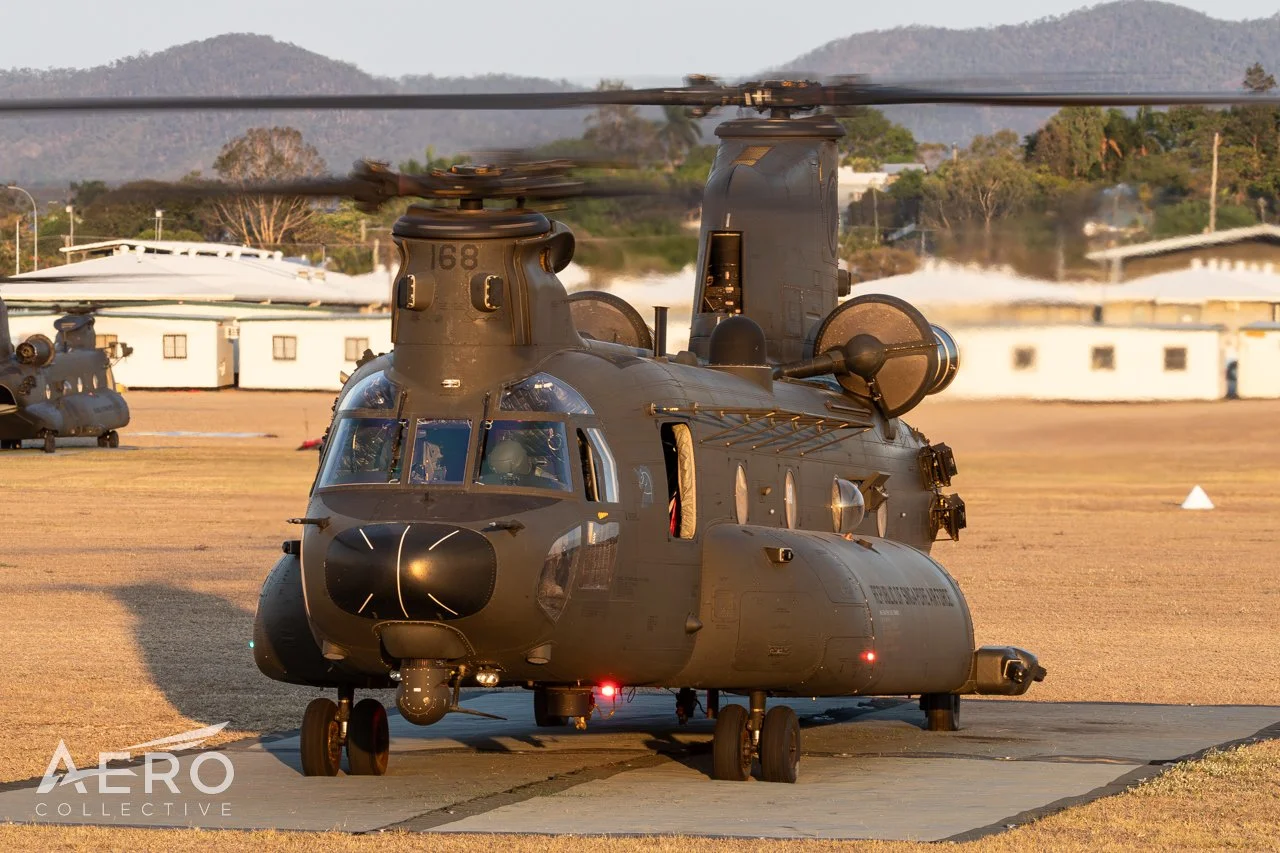
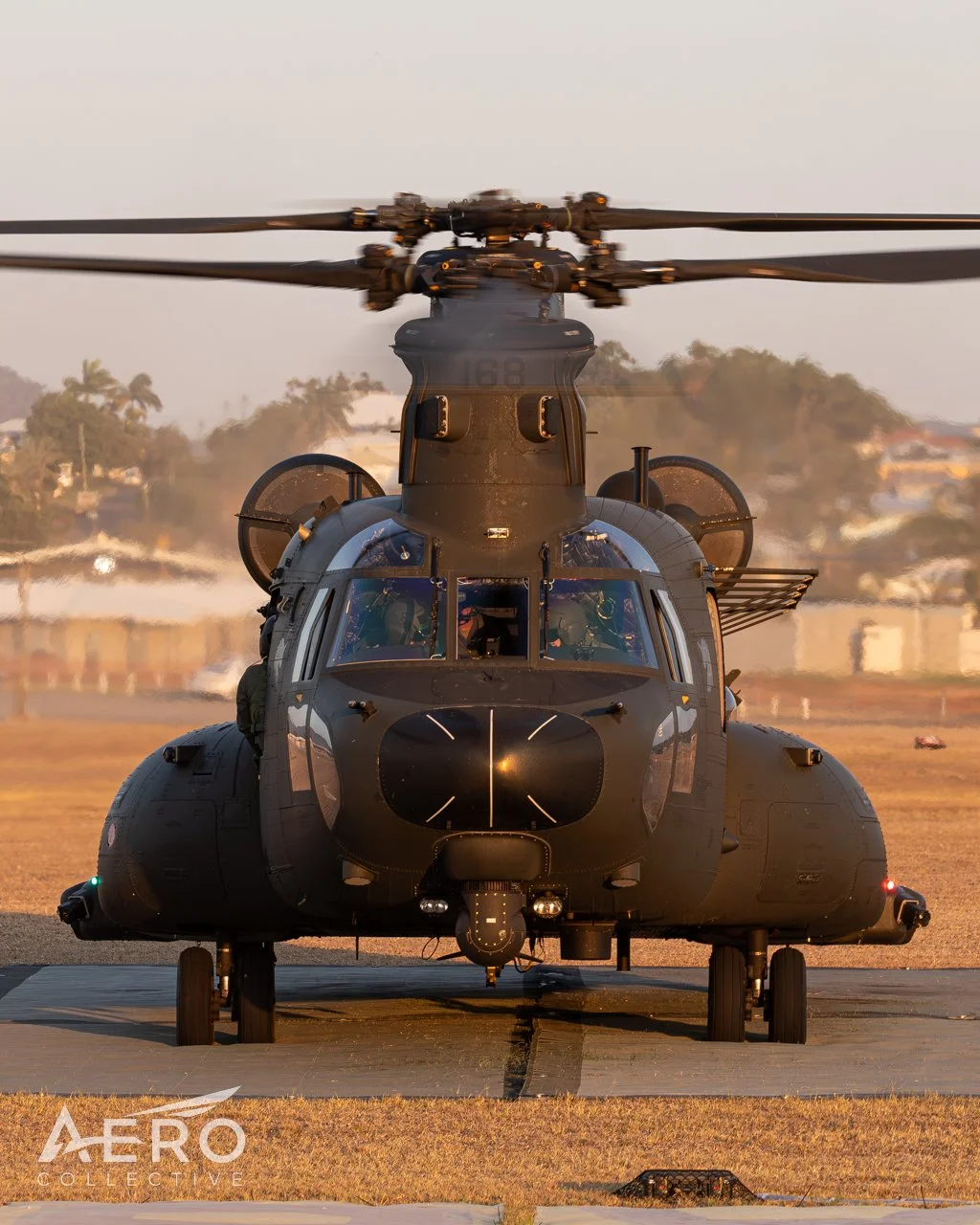
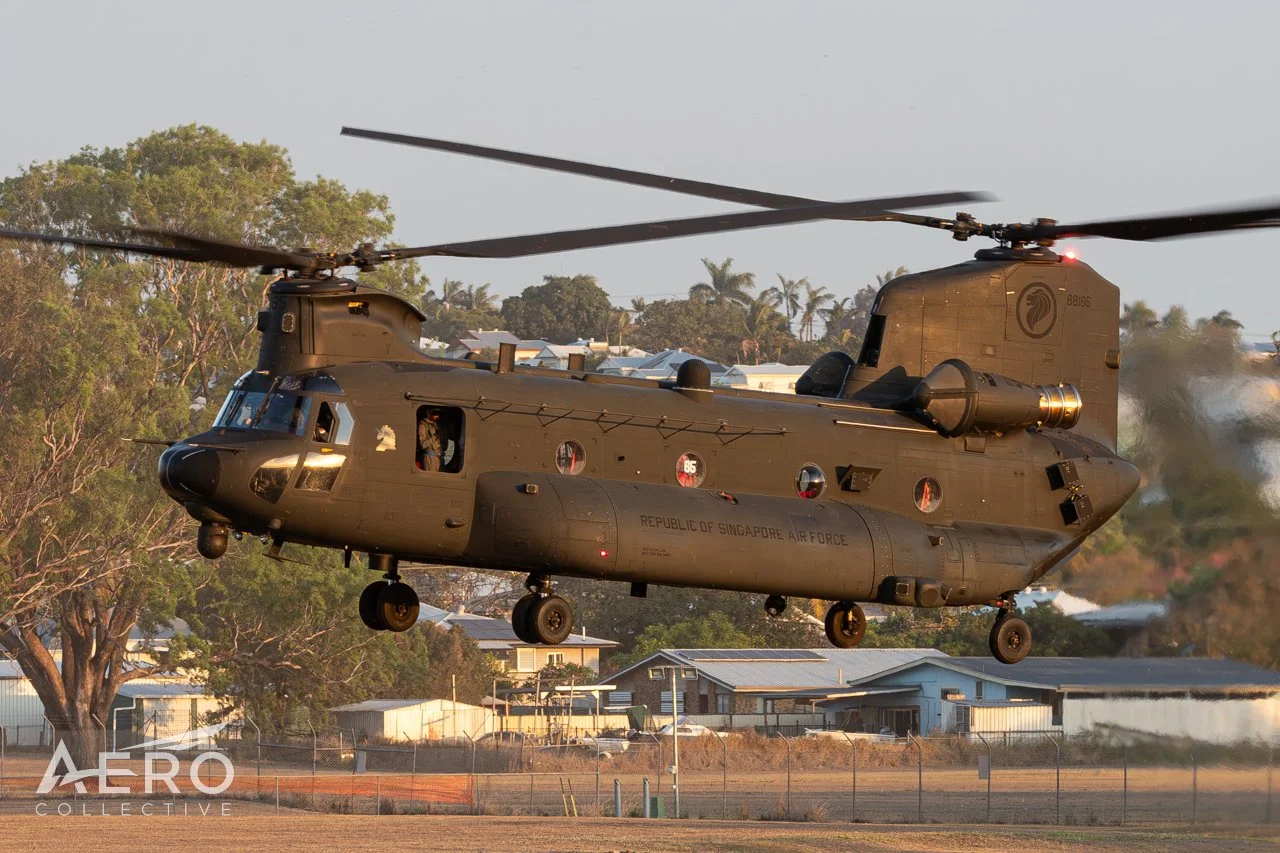
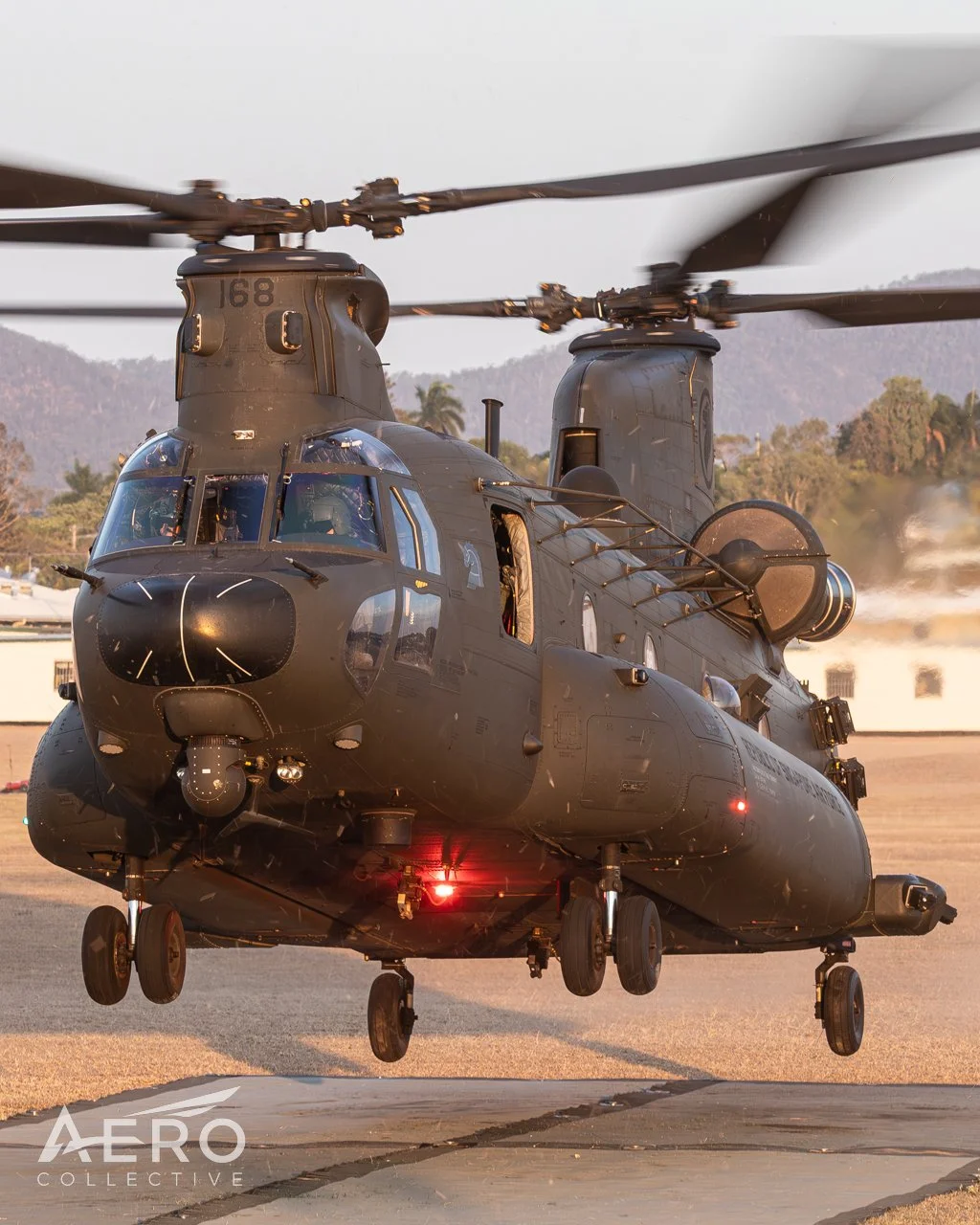
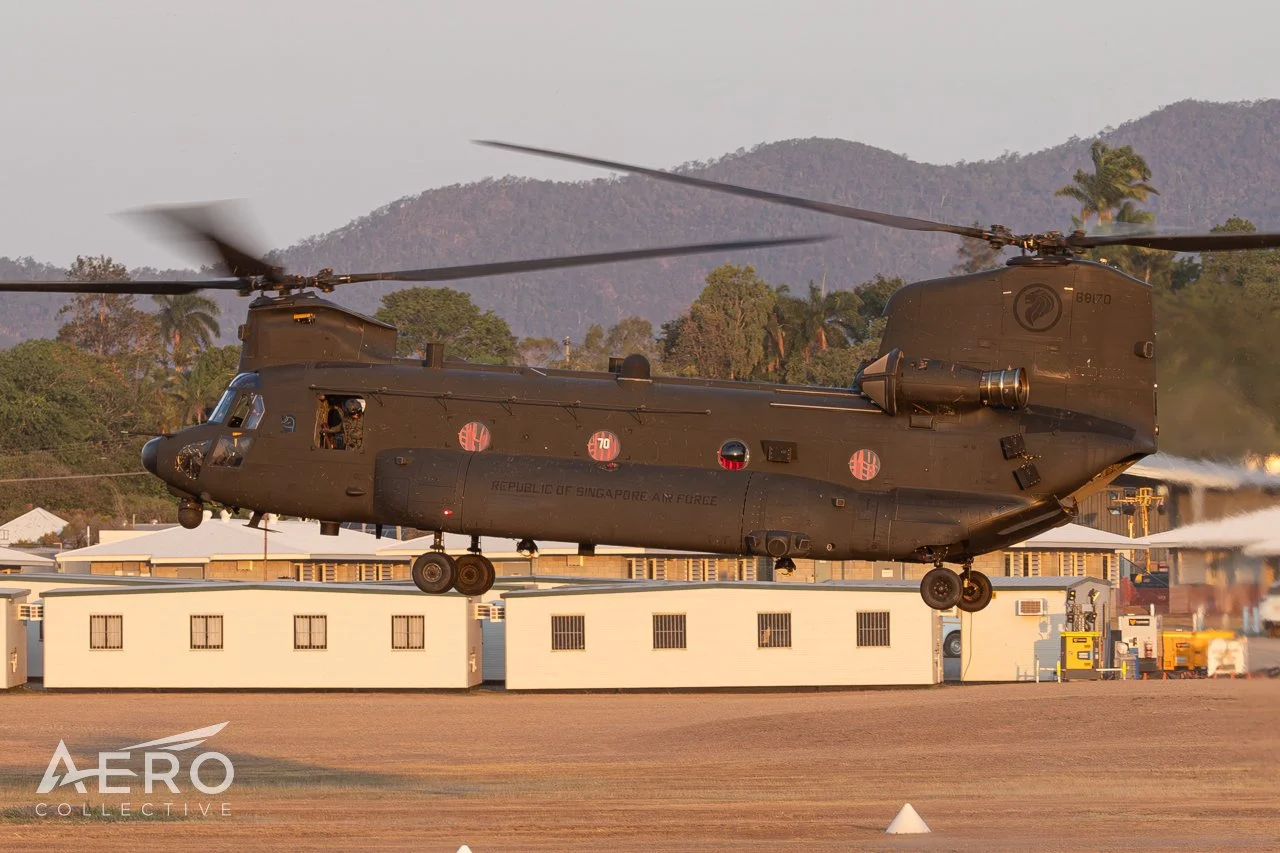
Throughout the exercise, the CH-47Fs from the RSAF’s 127 Squadron played a key role in supporting the Singapore Armed Forces (SAF), conducting a variety of missions to assist primarily in air assault operations and tactical transport.
Being a manoeuvrable and versatile aircraft, the Chinook proved to be the perfect platform for supporting troops in combat. The CH-47Fs were strategically employed to transfer soldiers from non-active firing zones into simulated combat areas and often operated alongside AH-64D Apaches during combat scenarios.
Another major role for the Chinook was the transportation of not only troops but also vital Army machinery and supplies. As the only aircraft capable of quickly and accurately moving heavy equipment, the Chinook — with its 12,000 kg lift capacity — made the relocation of armoured vehicles and machinery significantly easier for the SAF.
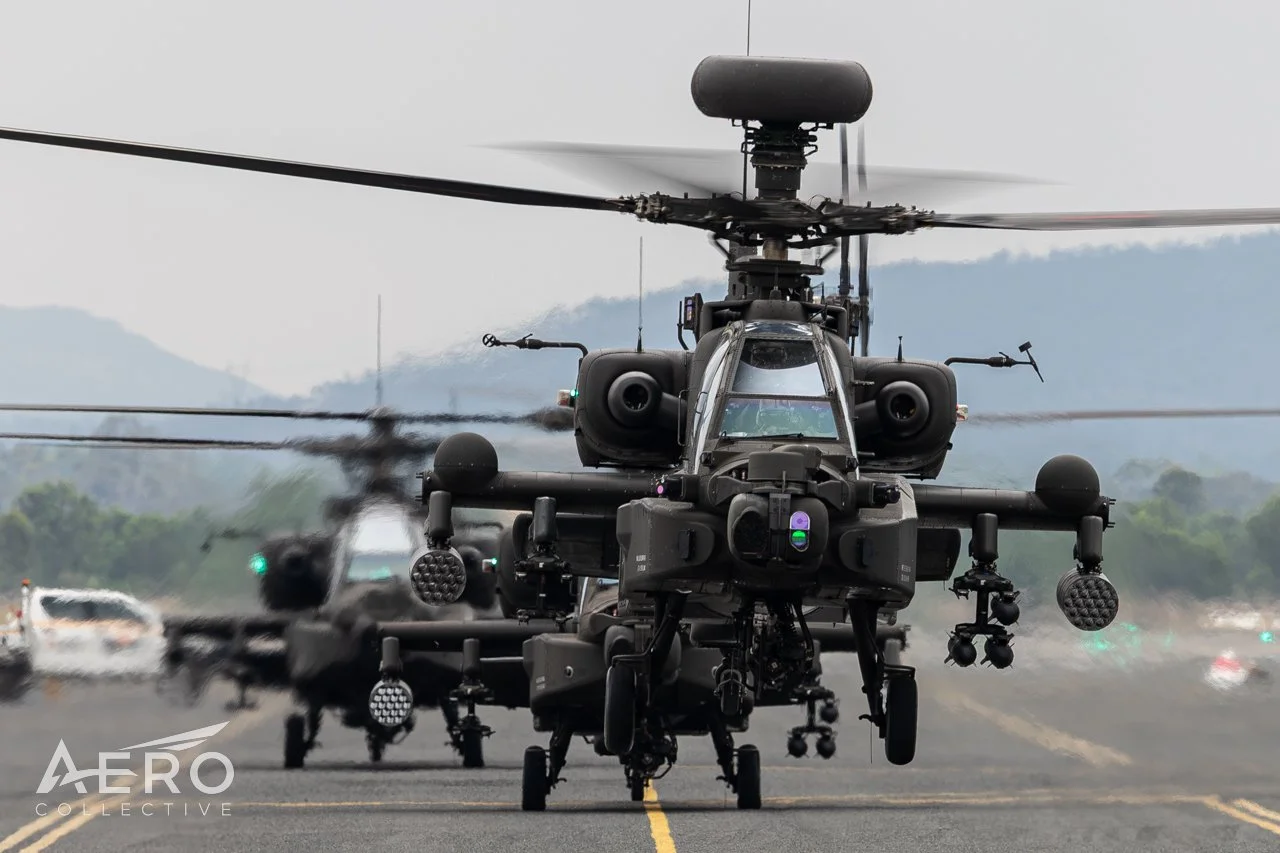
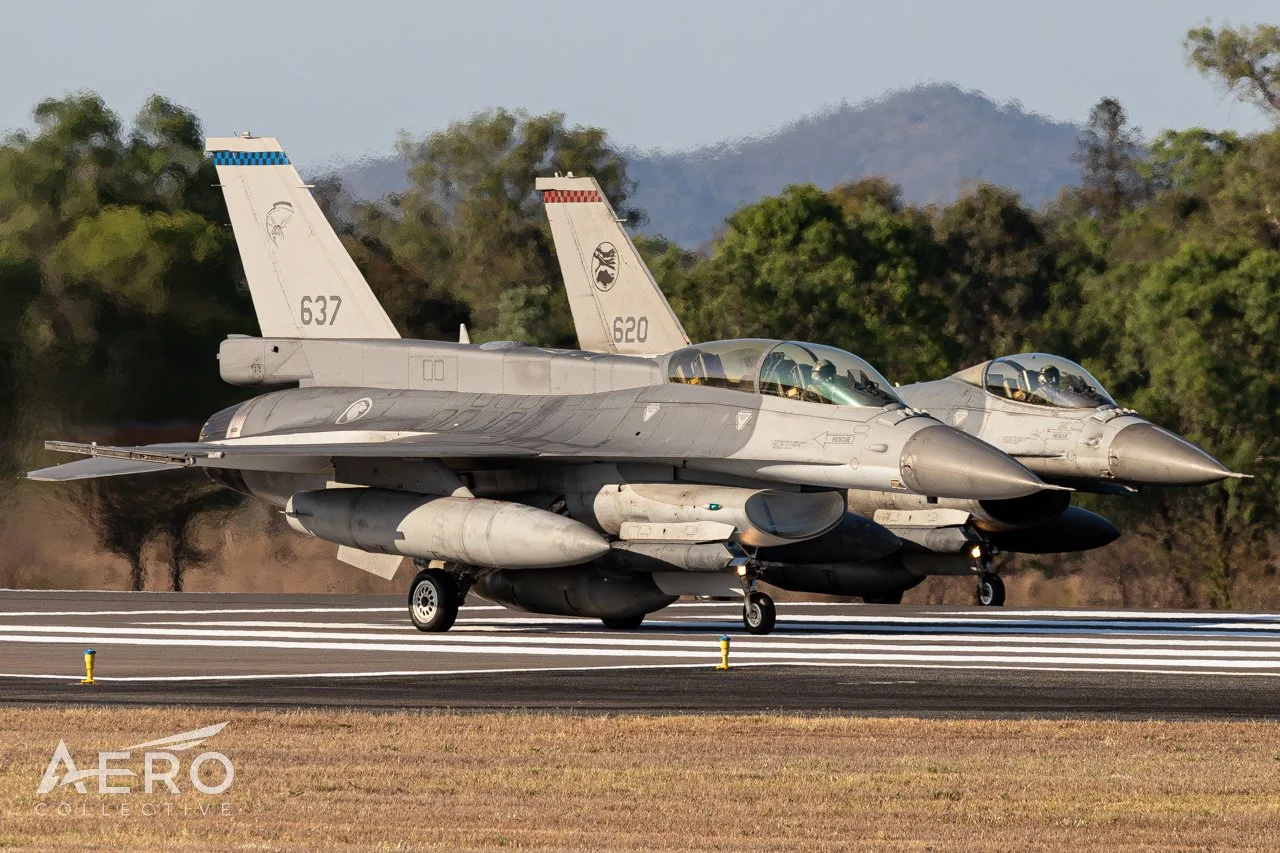
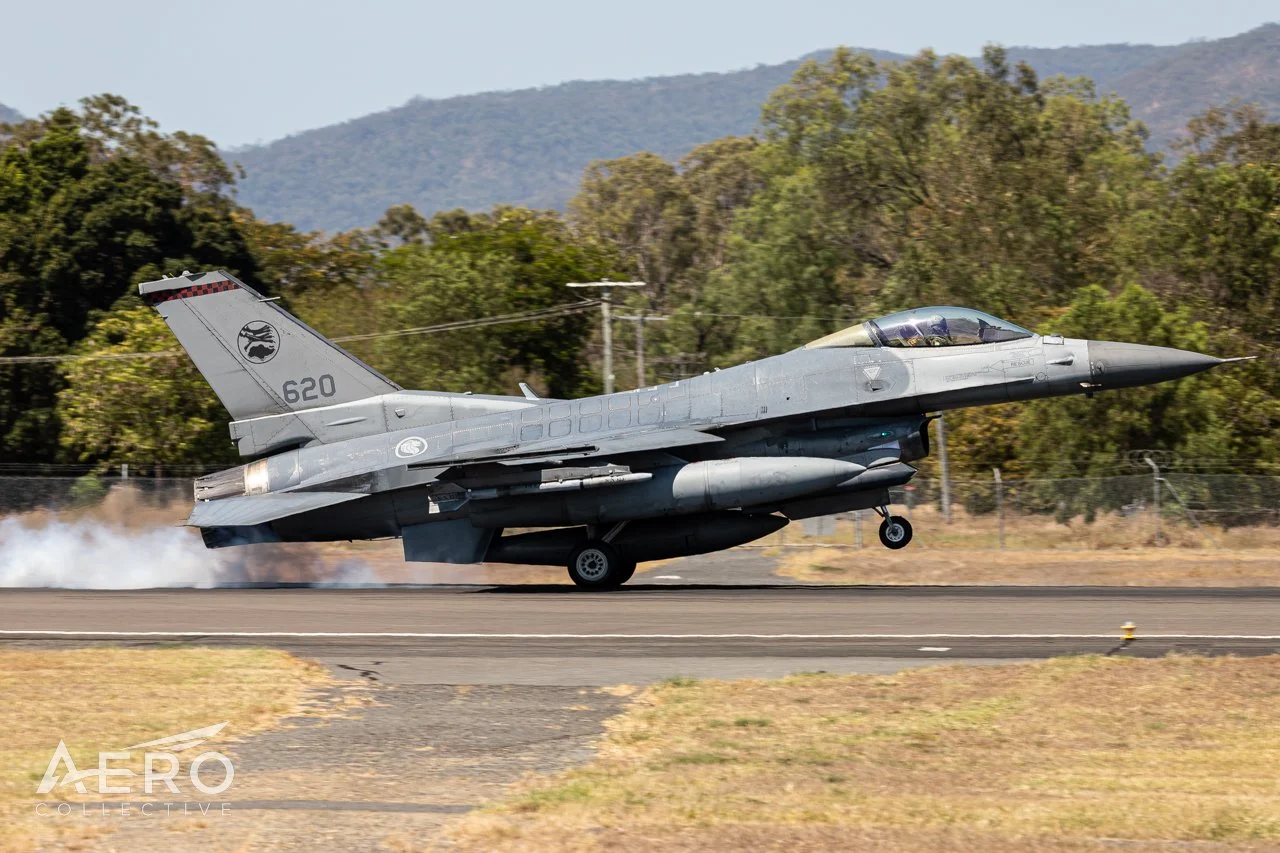
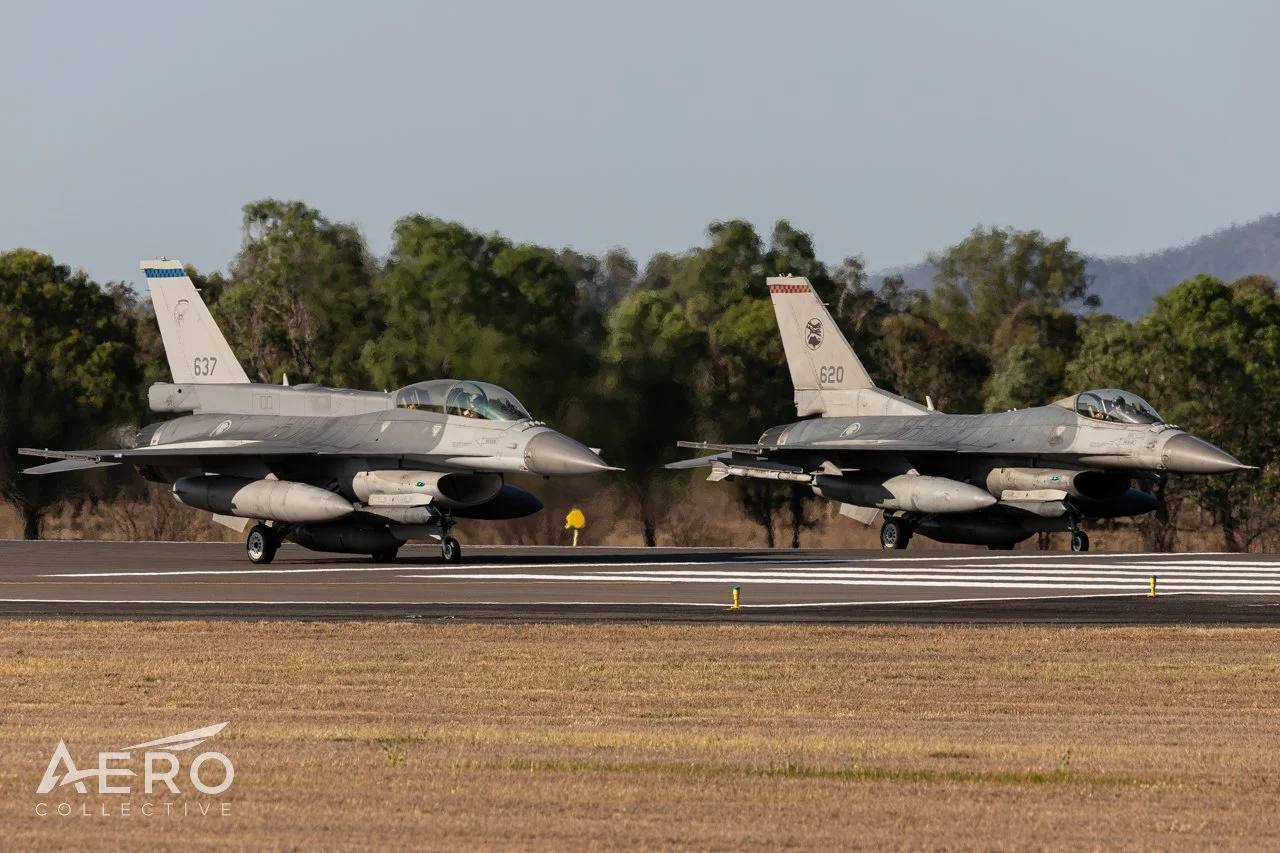
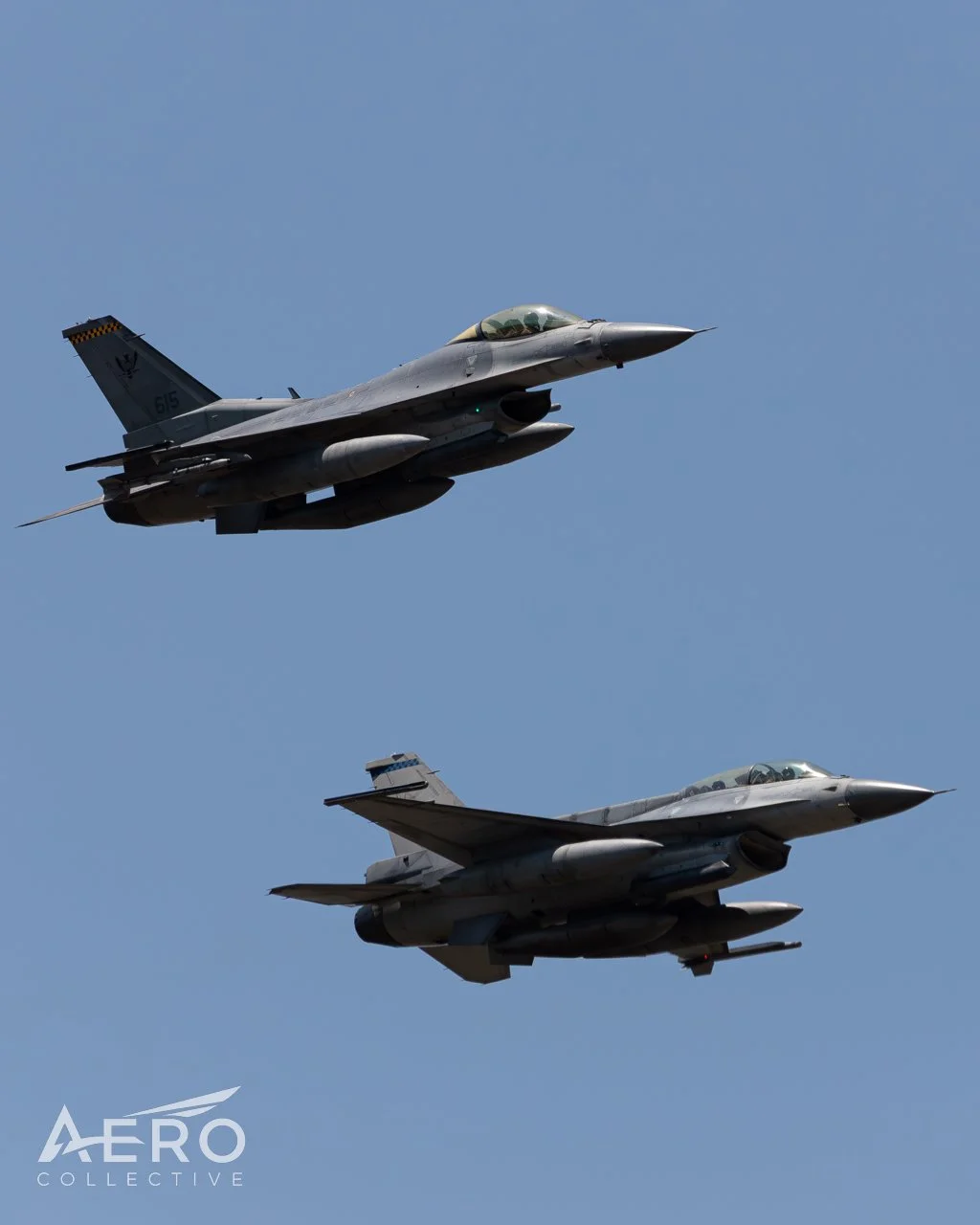
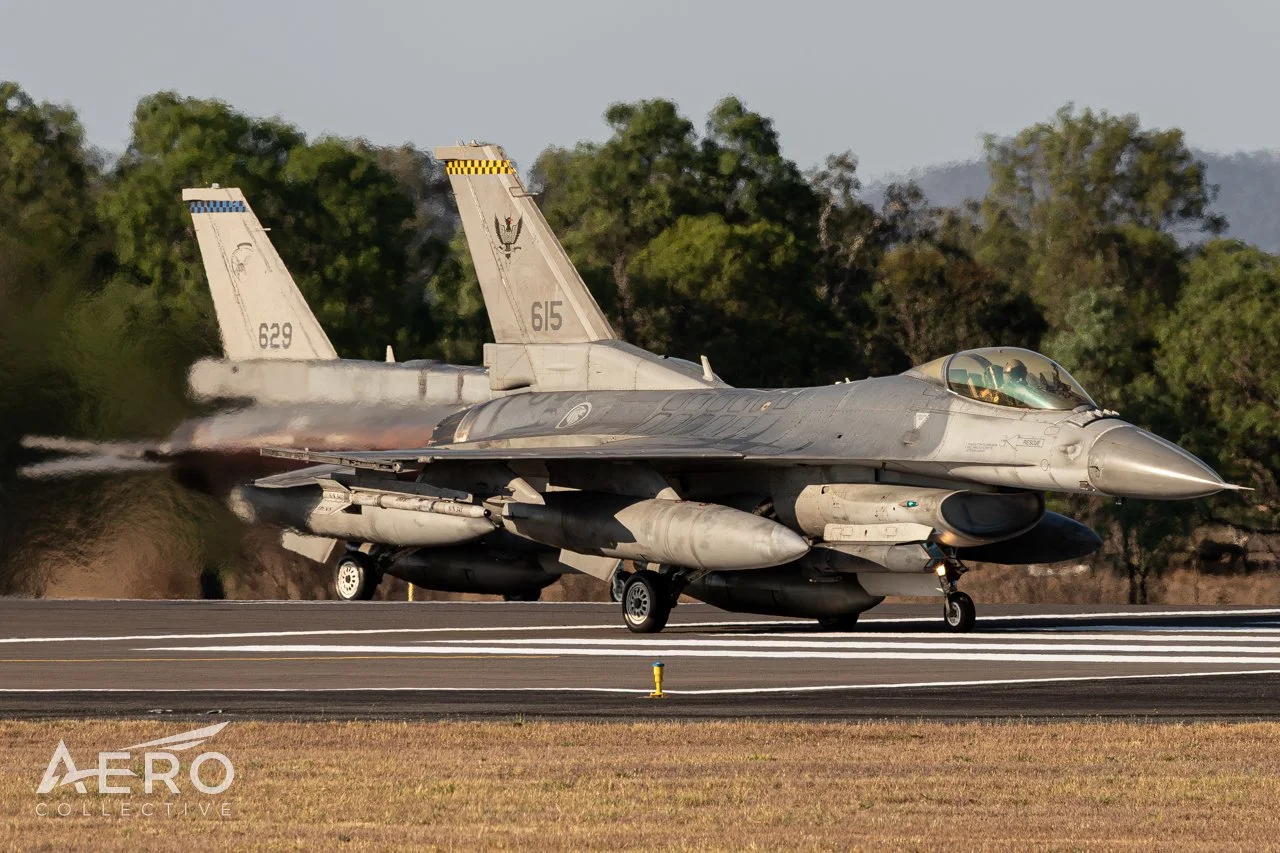
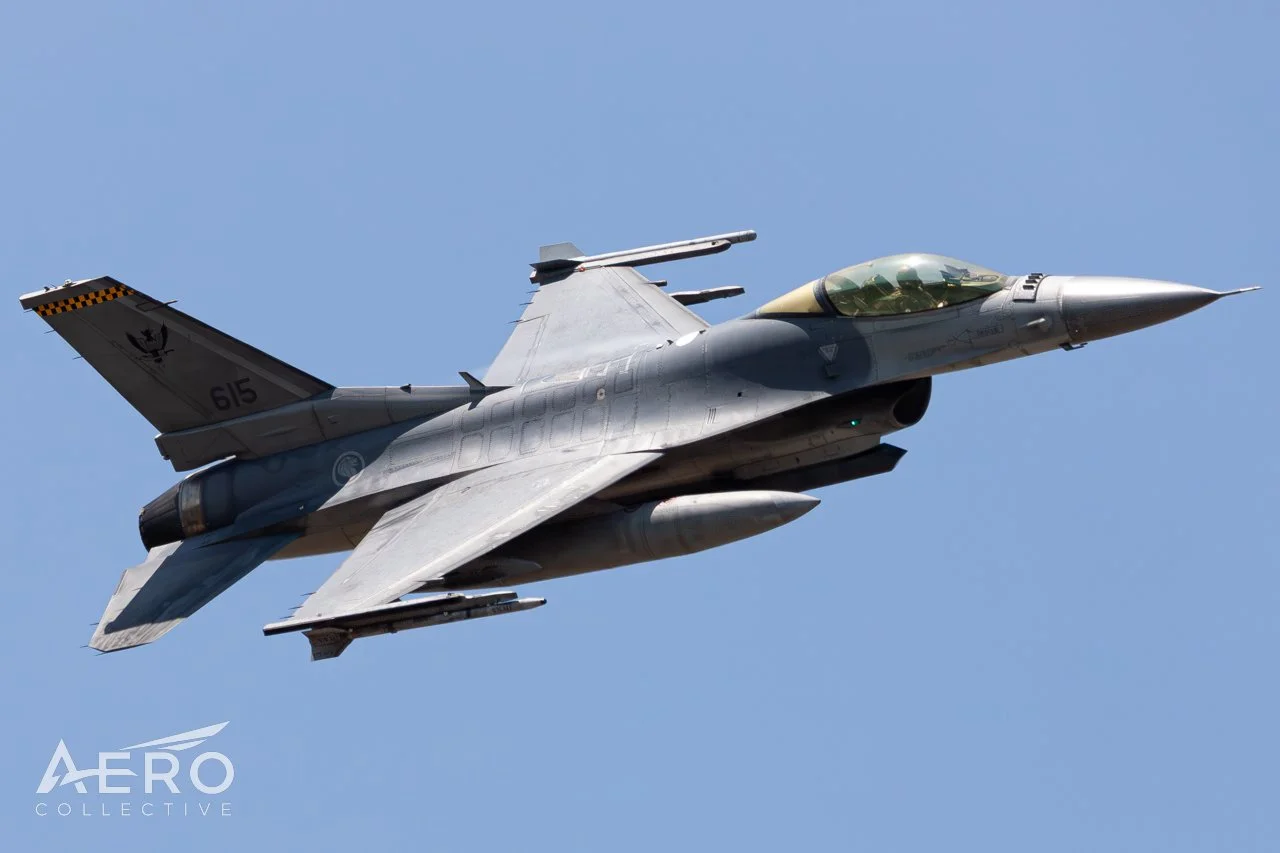
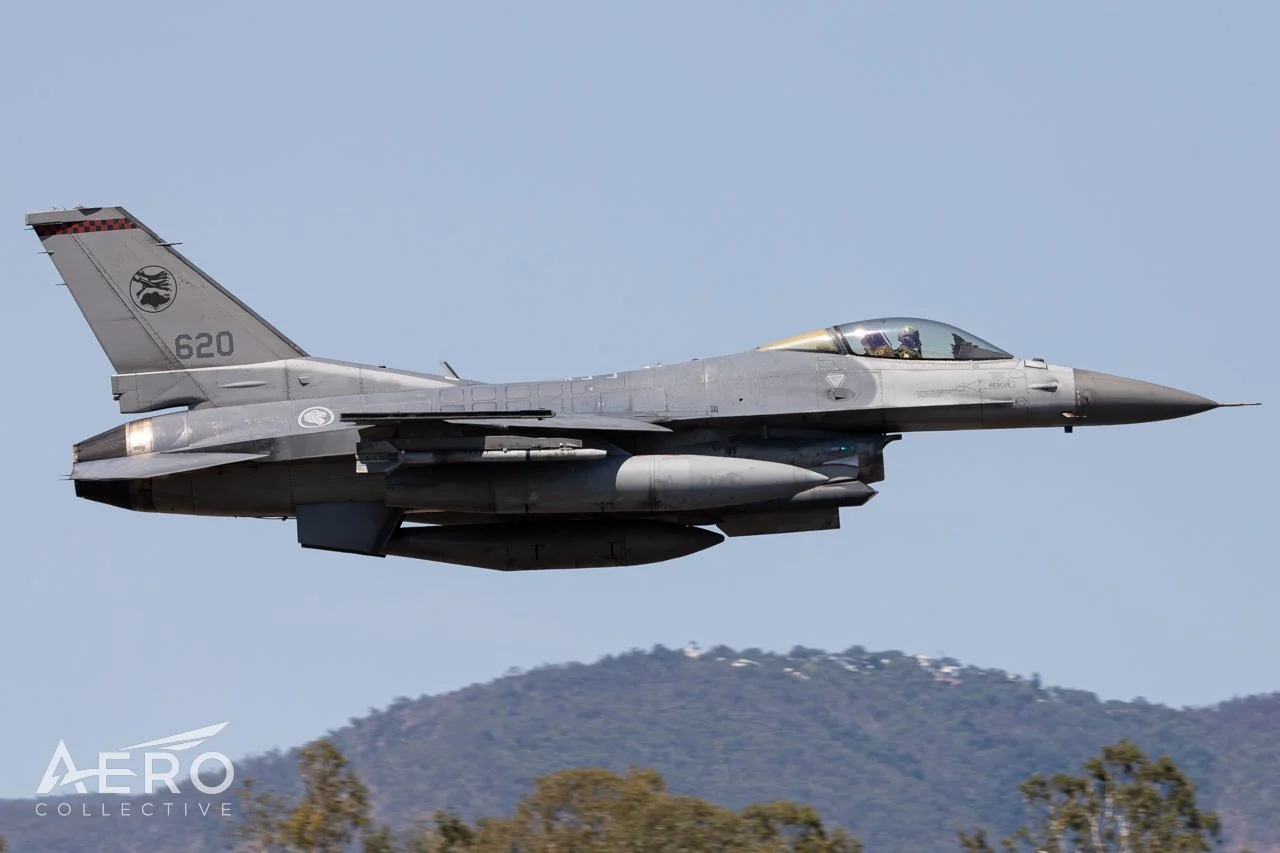
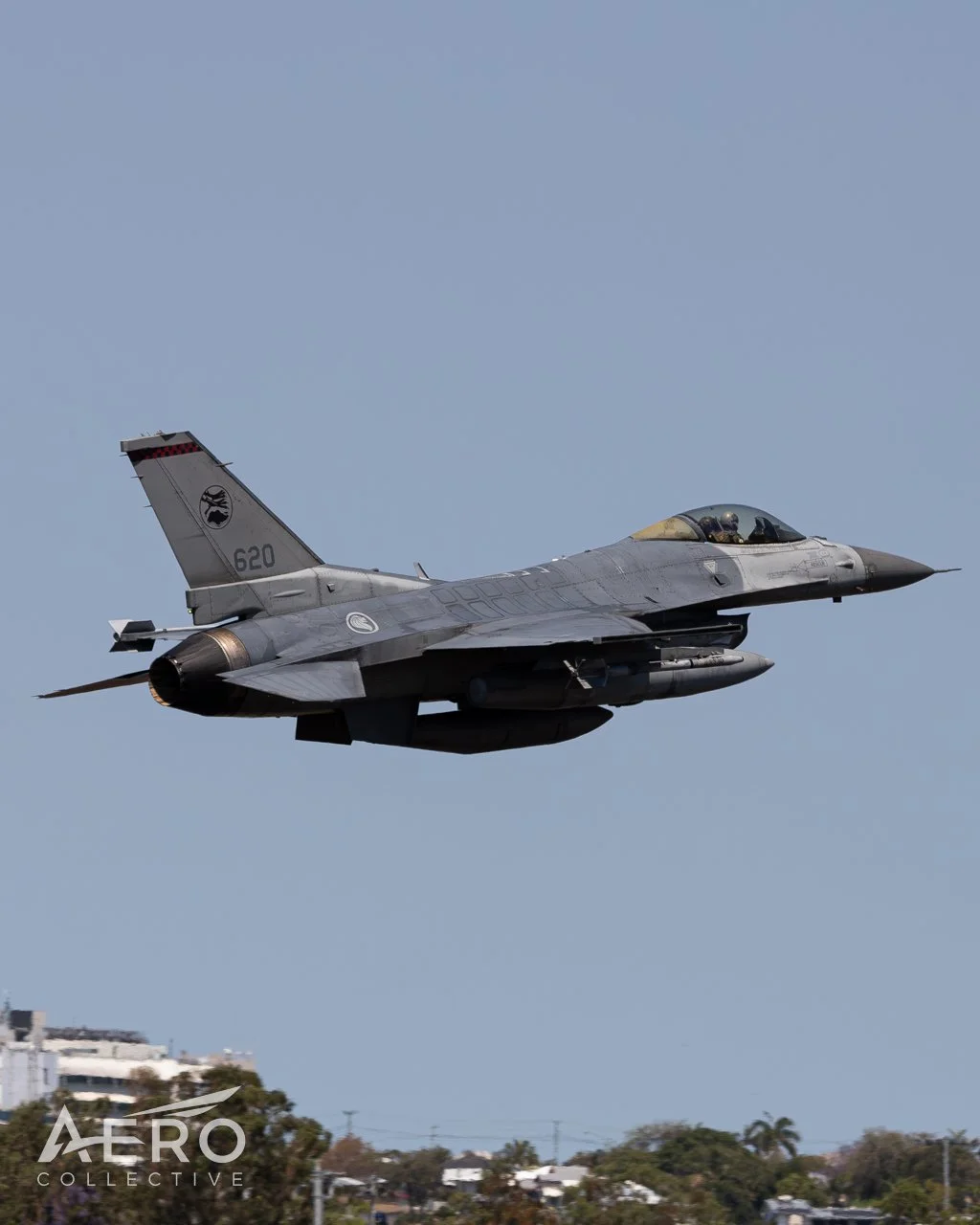
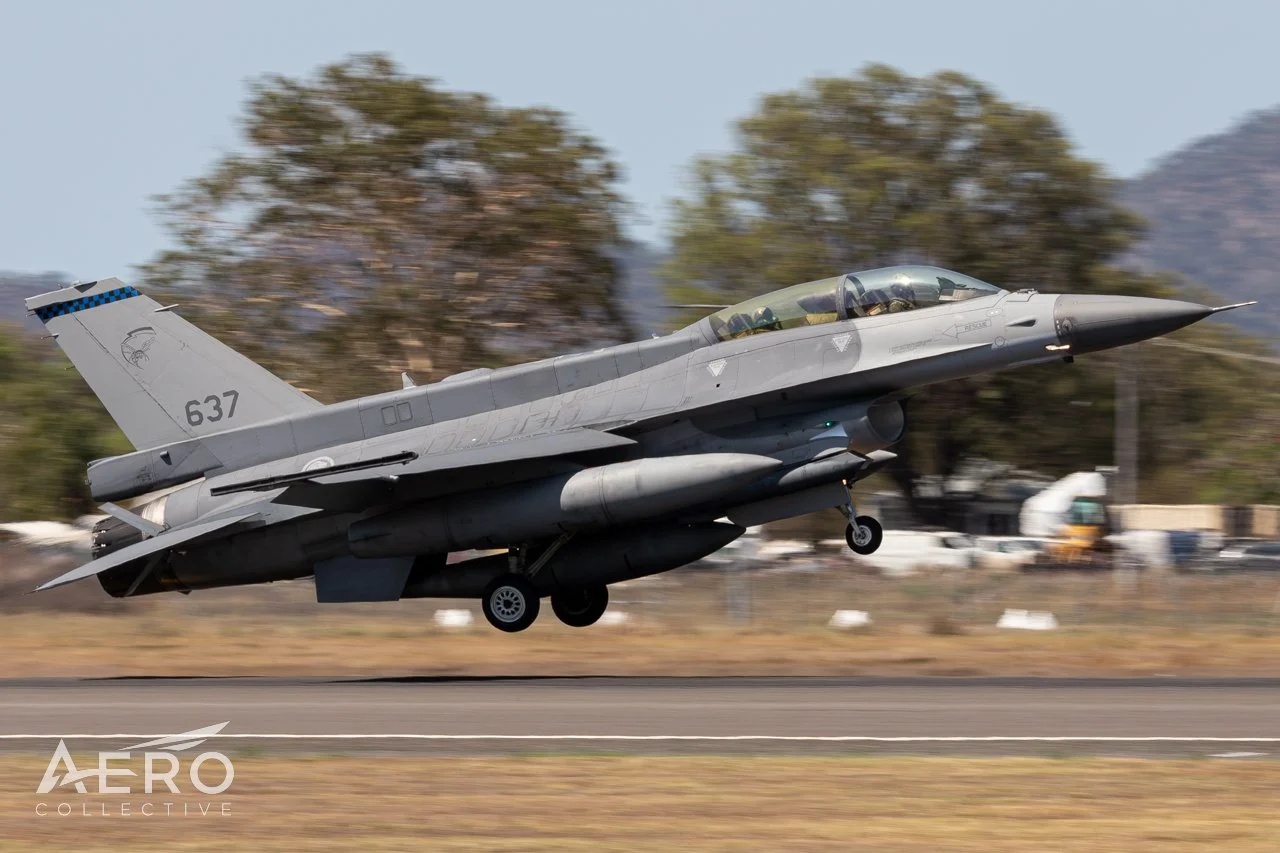
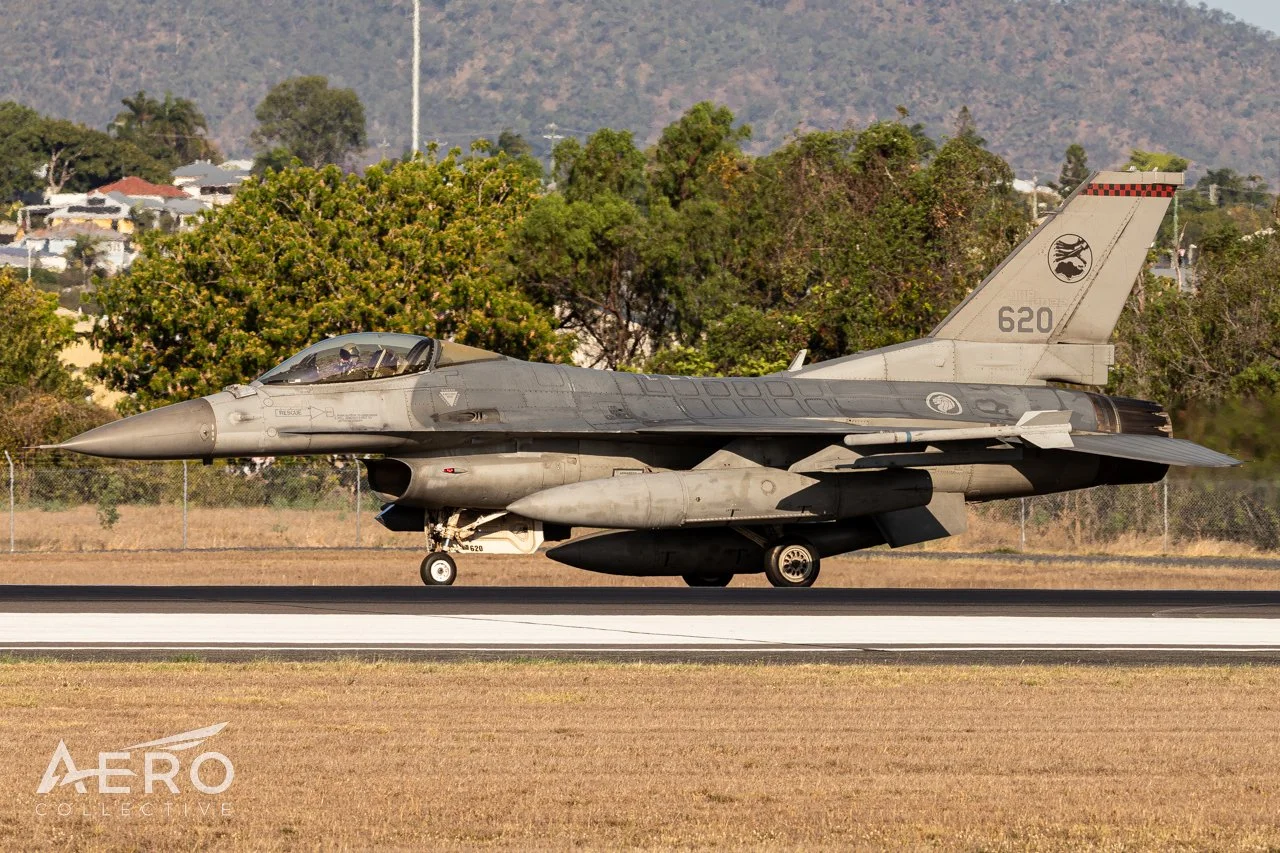
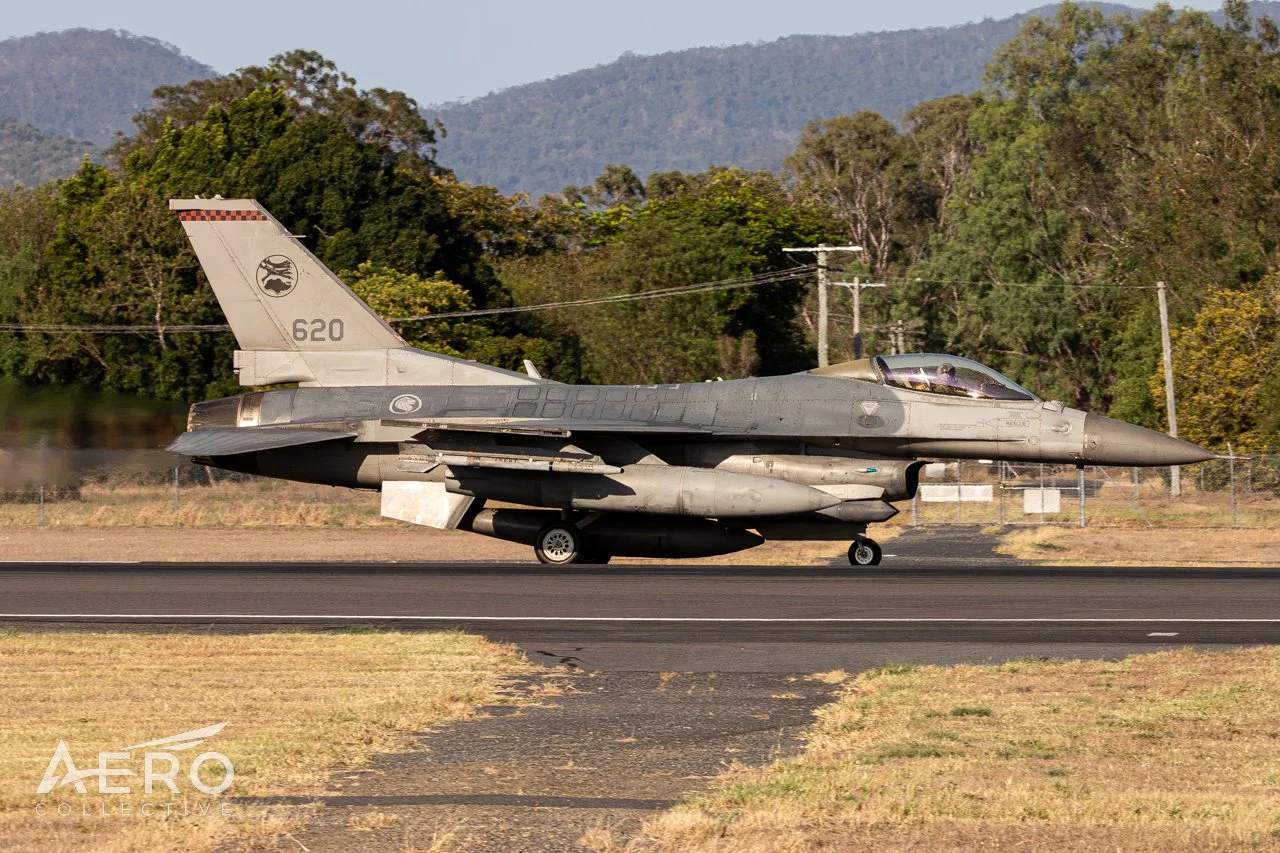
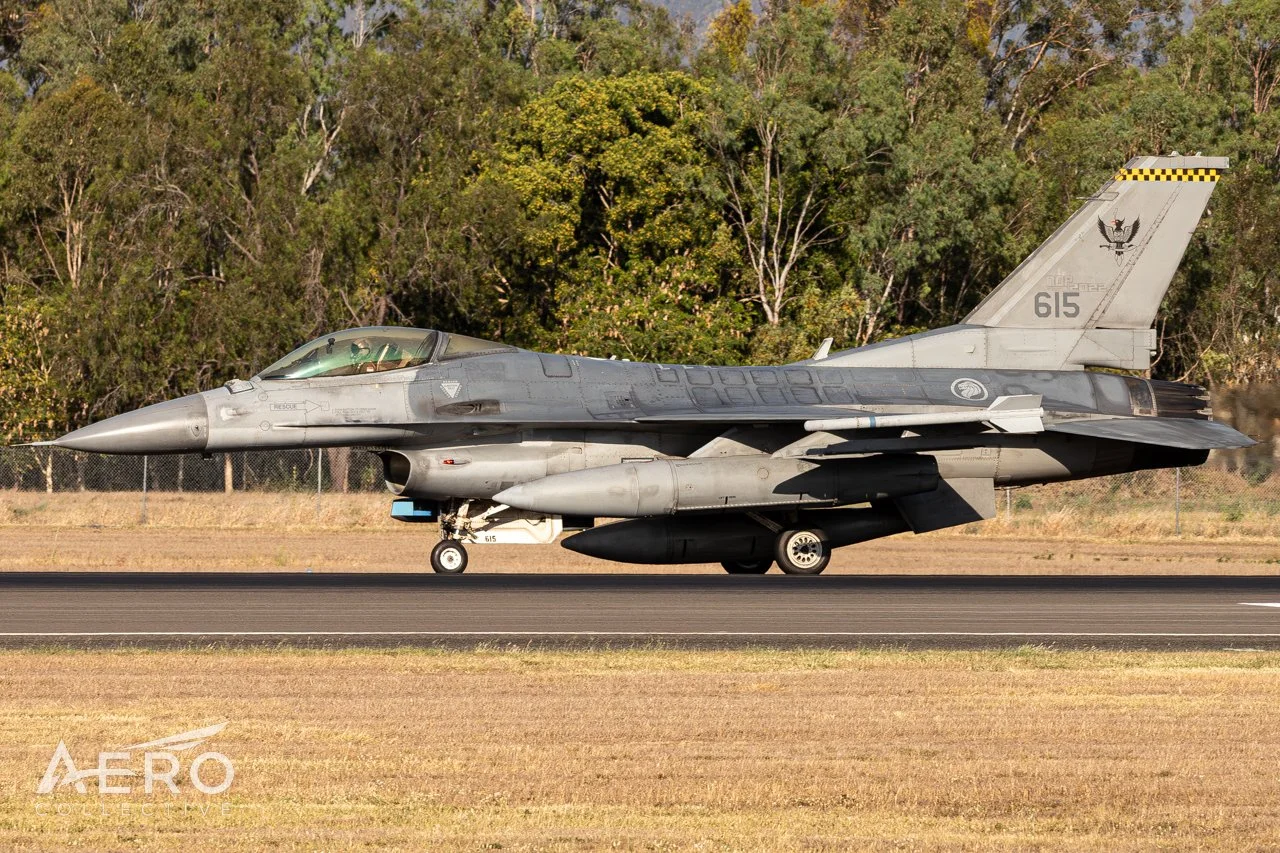
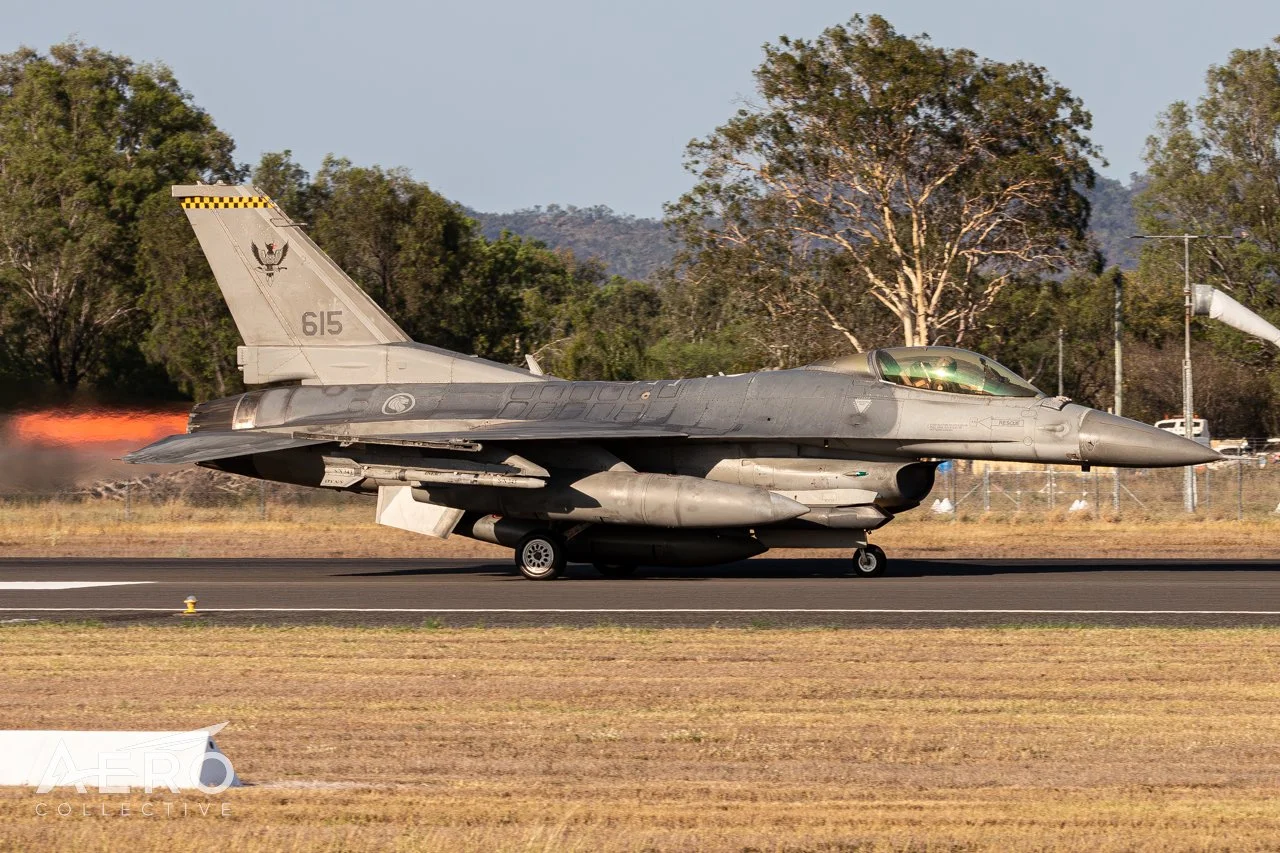
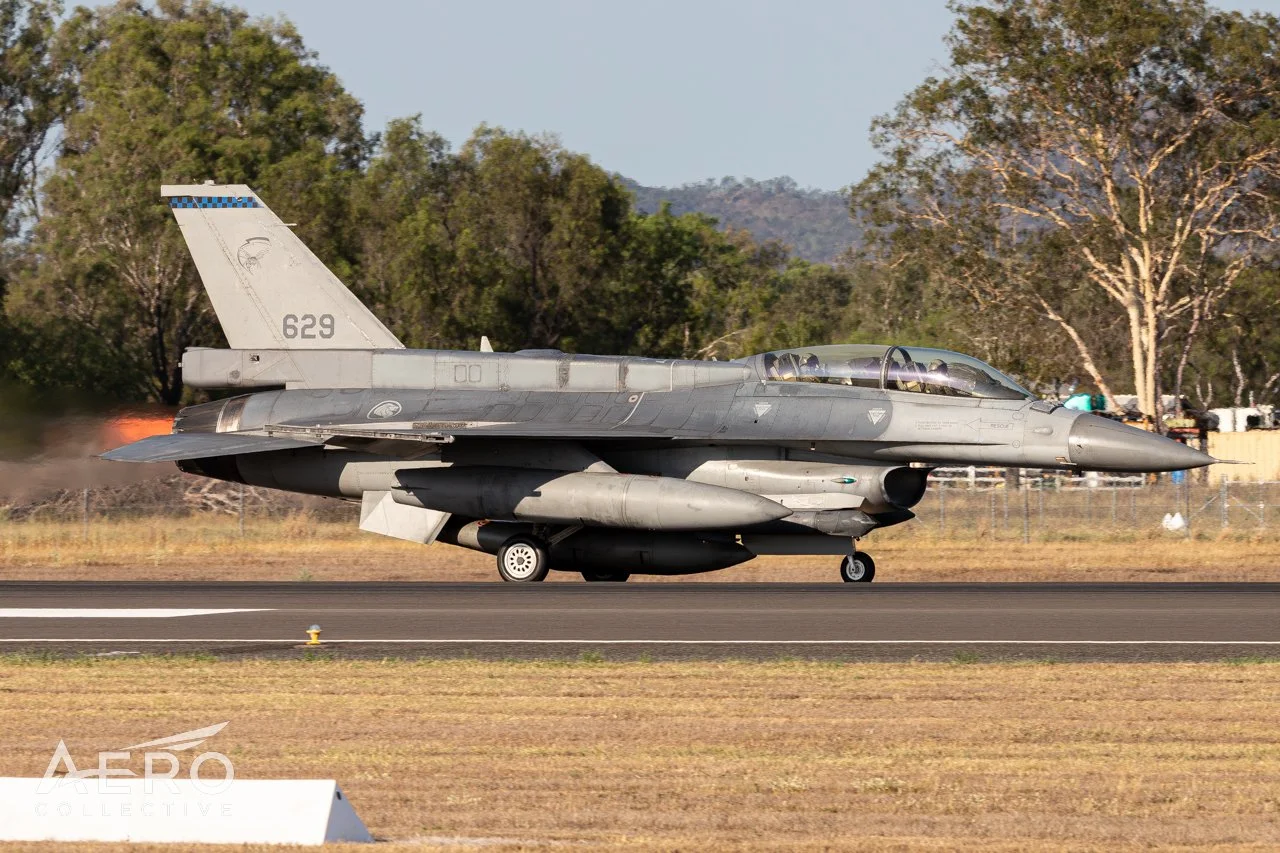
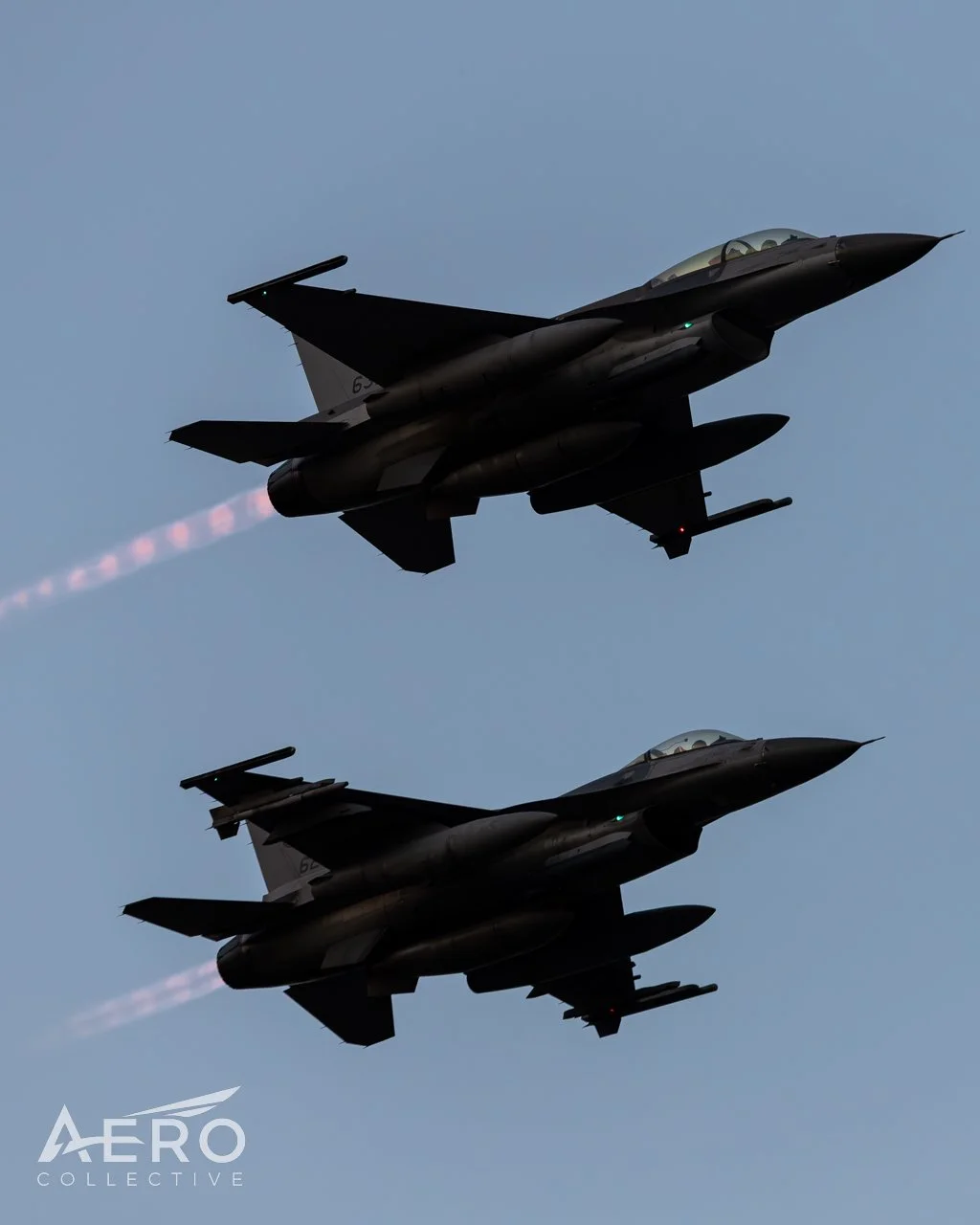
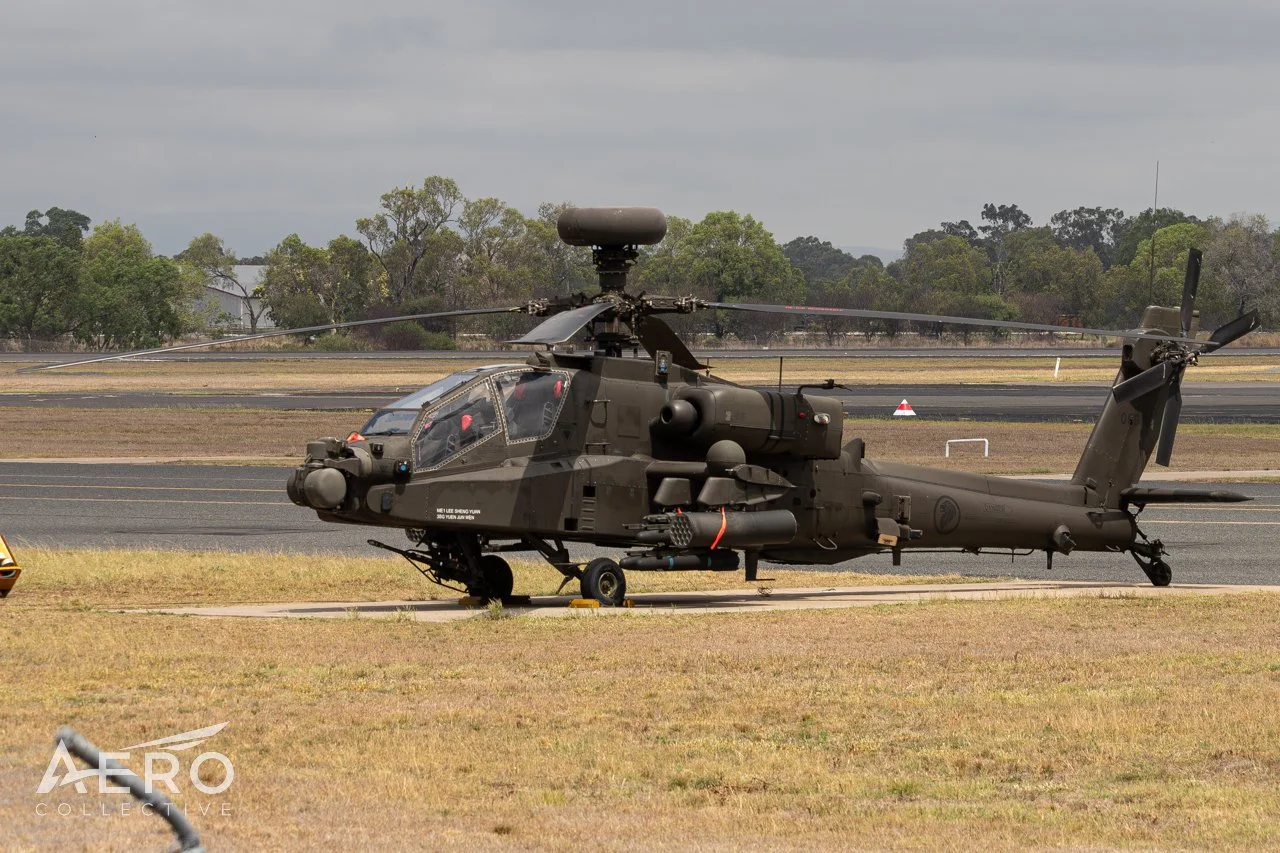
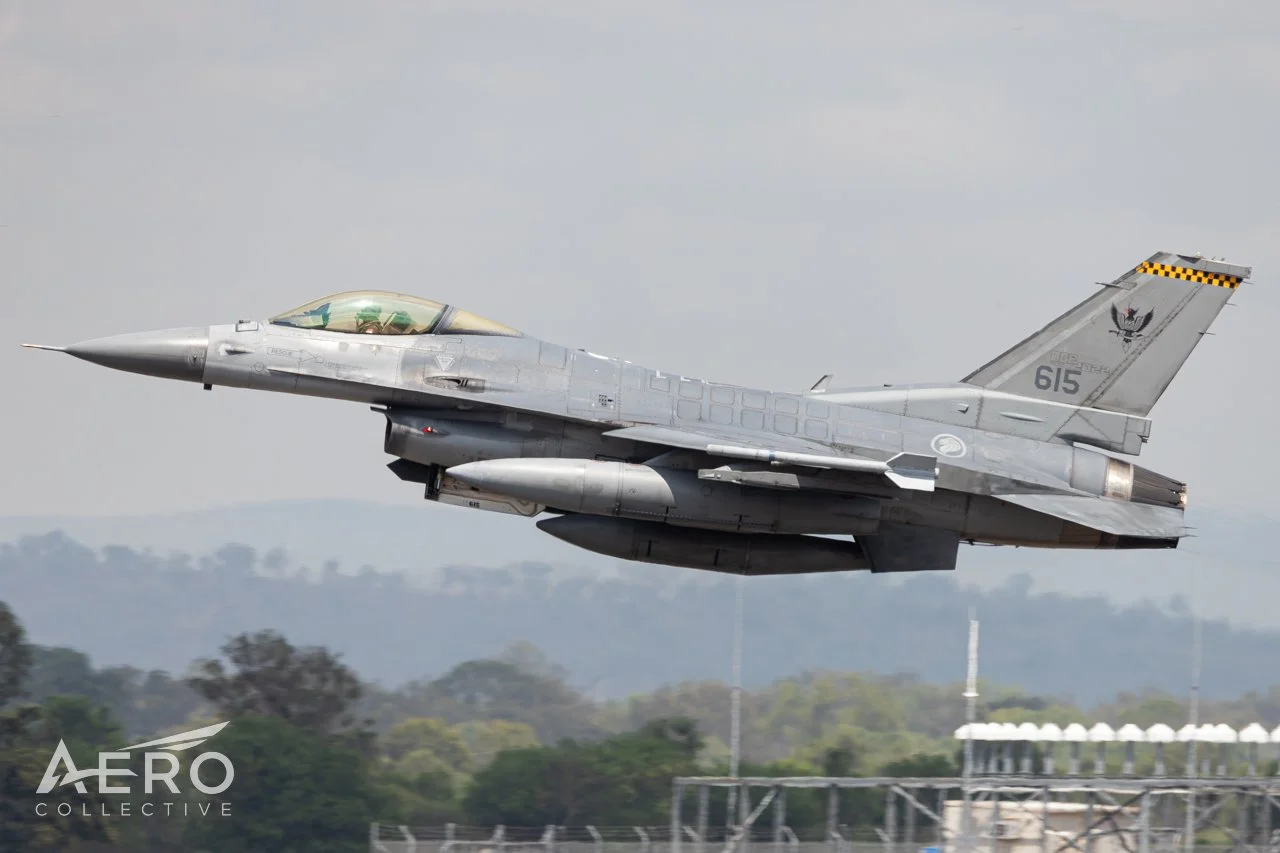
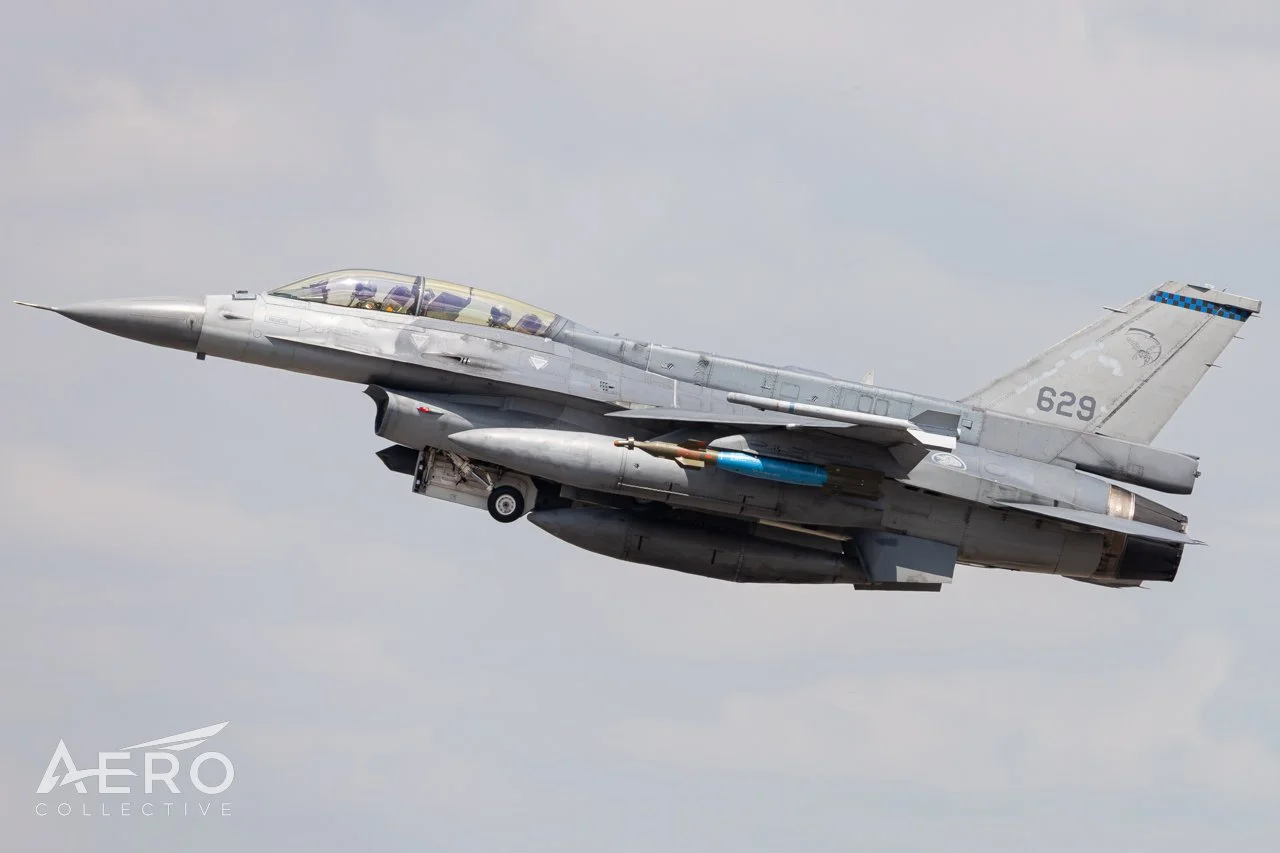
Alongside the heavy-lift assets, the AH-64Ds and F-16C/Ds from the 120 and 140 Squadrons provided critical air support to ground operations. These aircraft coordinated closely with air and ground forces to deliver decisive firepower, including live-firing exercises, reconnaissance, and real-time battlefield communication training.
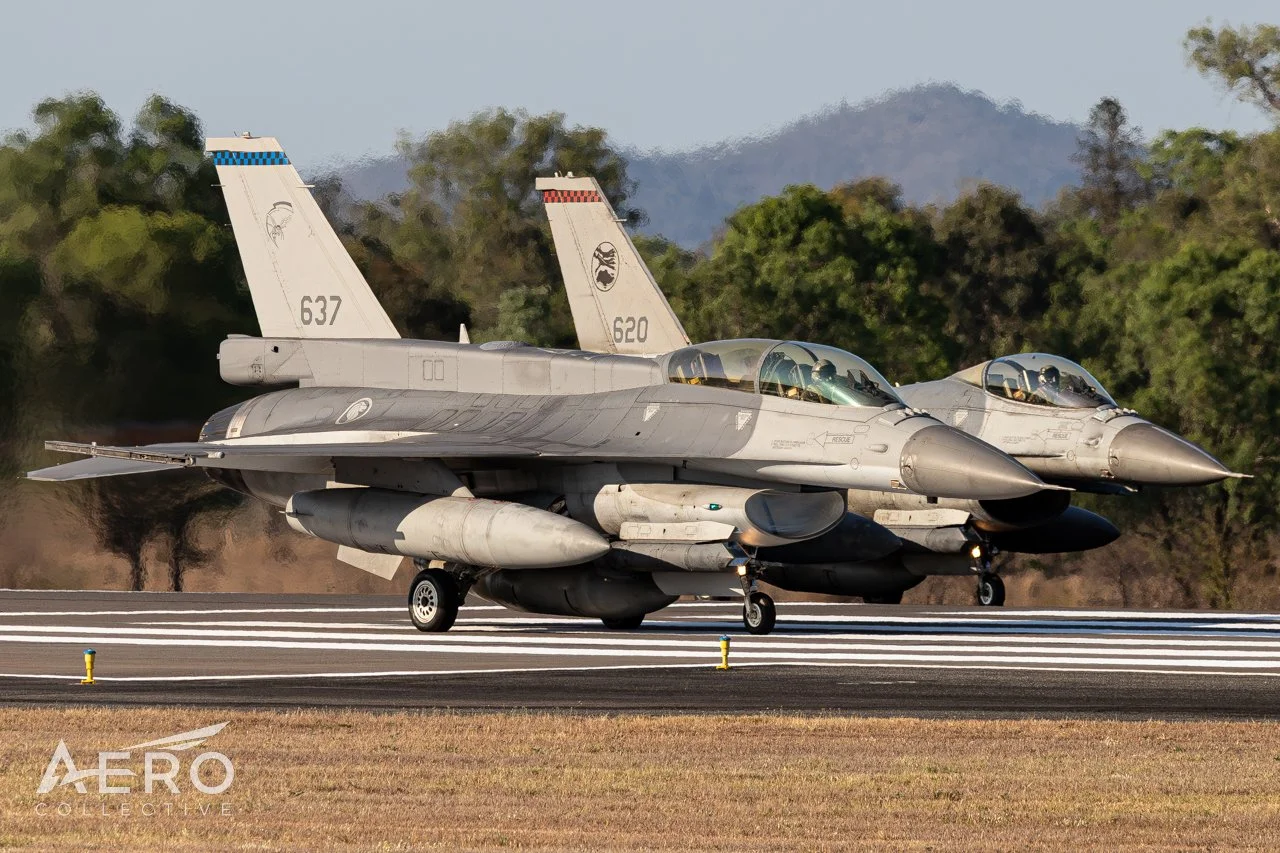
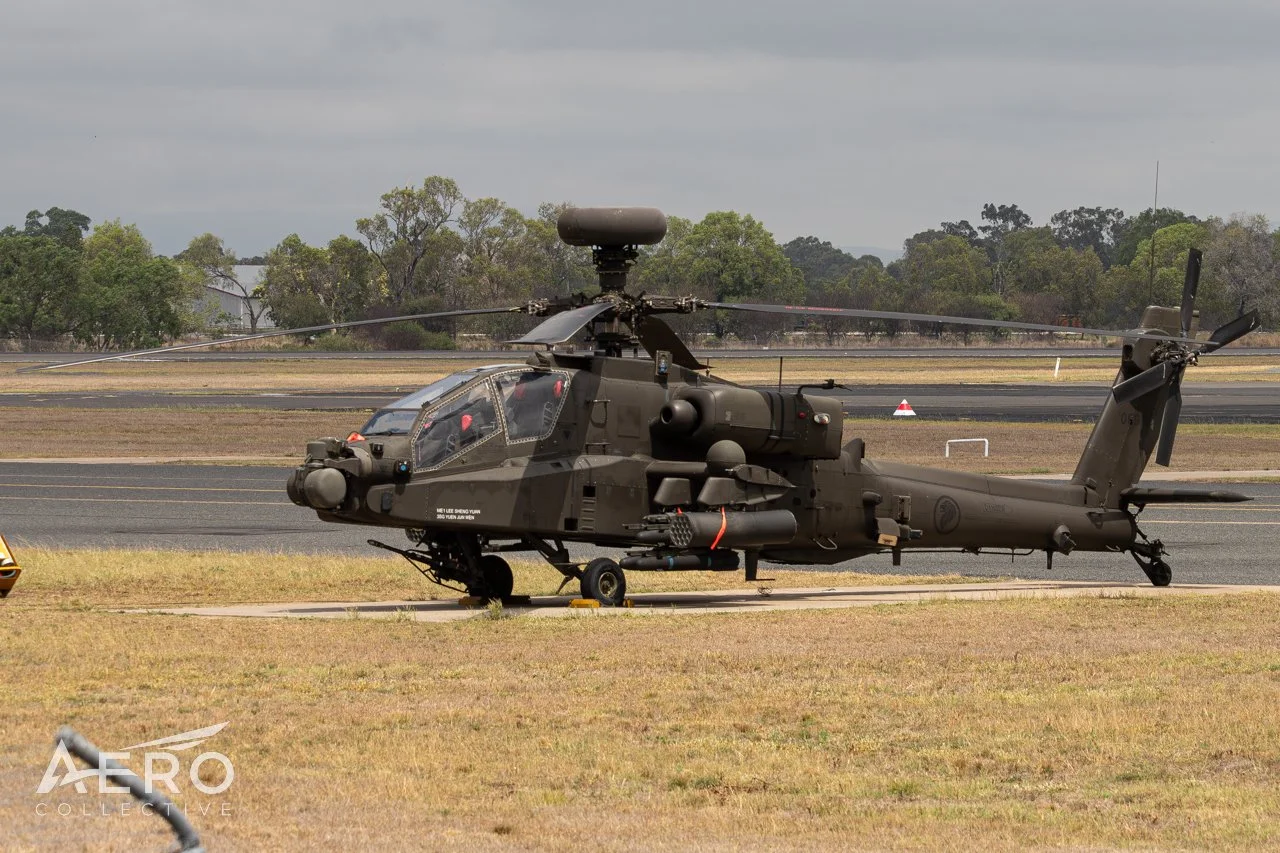
The F-16s demonstrated long-range strike capability with advanced radar systems, enabling high-altitude attack missions. The Apaches worked closely with the F-16s by marking targets for strike packages and providing close air support. Working in tandem with ground troops, they executed pinpoint Hellfire and guided-rocket launches across simulated battlefields.
Communication training was another key component for both aircraft types. Factors such as heat haze and varied terrain can affect targeting performance, so building coordination and precision in these conditions remained a top priority.
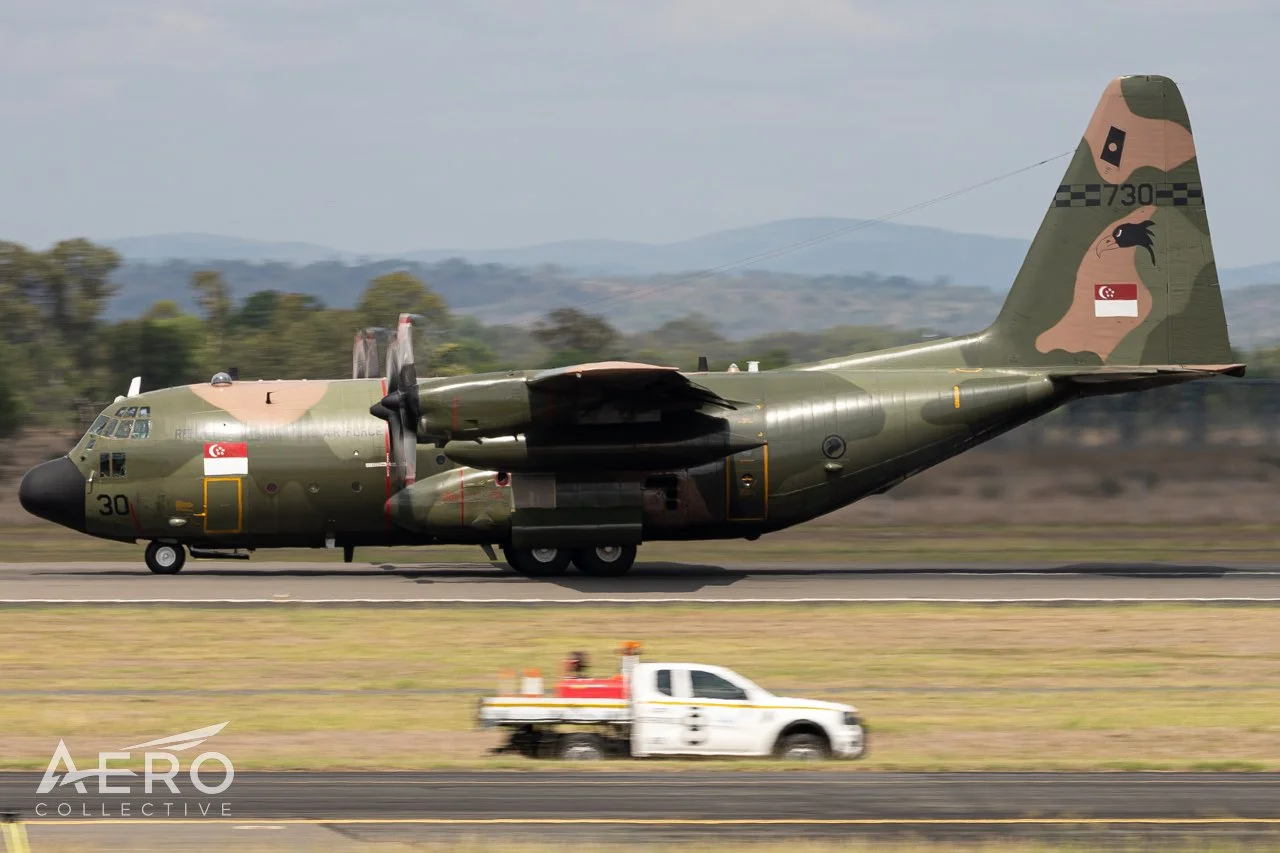
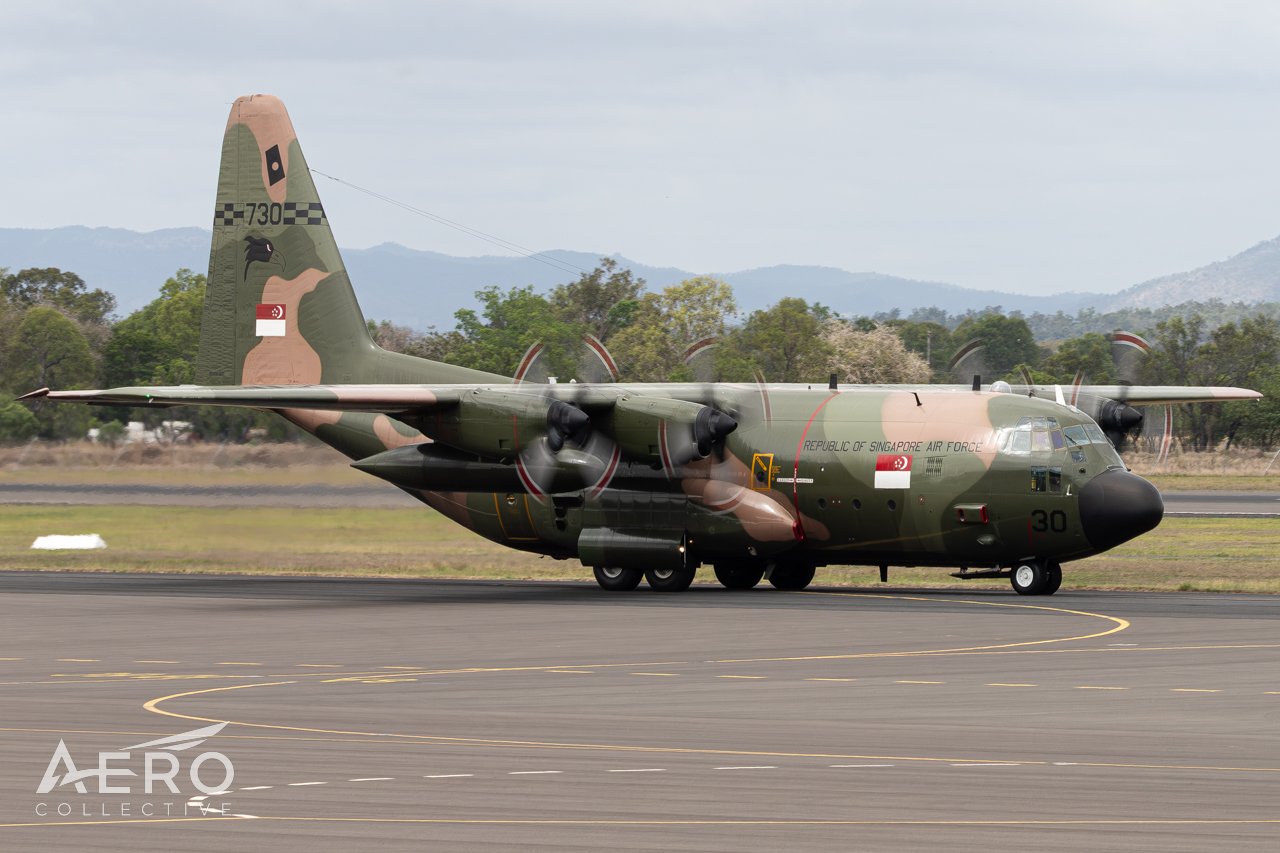
Lastly, but certainly not least, the C-130 Hercules from 122 Squadron successfully executed multiple airdrop missions. With large numbers of personnel operating across Shoalwater Bay, essential supplies — including ration packs, water, and ammunition — had to be delivered frequently and accurately to sustain operations.
The C-130 also supported paratrooper training, carrying out coordinated drops and landing zone assembly drills. In combat scenarios, paratroopers remain a vital element of rapid deployment, capable of being inserted into areas without landing strips or into positions of strategic advantage. While only one C-130 participated in this year’s exercise, its contribution to Exercise Wallaby 2025 was significant.
Exercise Wallaby 2025 once again demonstrated the strong partnership between Singapore and Australia and showcased the RSAF’s ability to project capability far from home. Across land and air, the exercise reflected the precision, coordination, and professionalism that continue to define the Singapore Armed Forces.