Exercise Kakadu Fleet Review 2026
Article By Nate Newman and Lachy McKay
Images By Nate Newman, Lachy McKay, Australian Defence Force
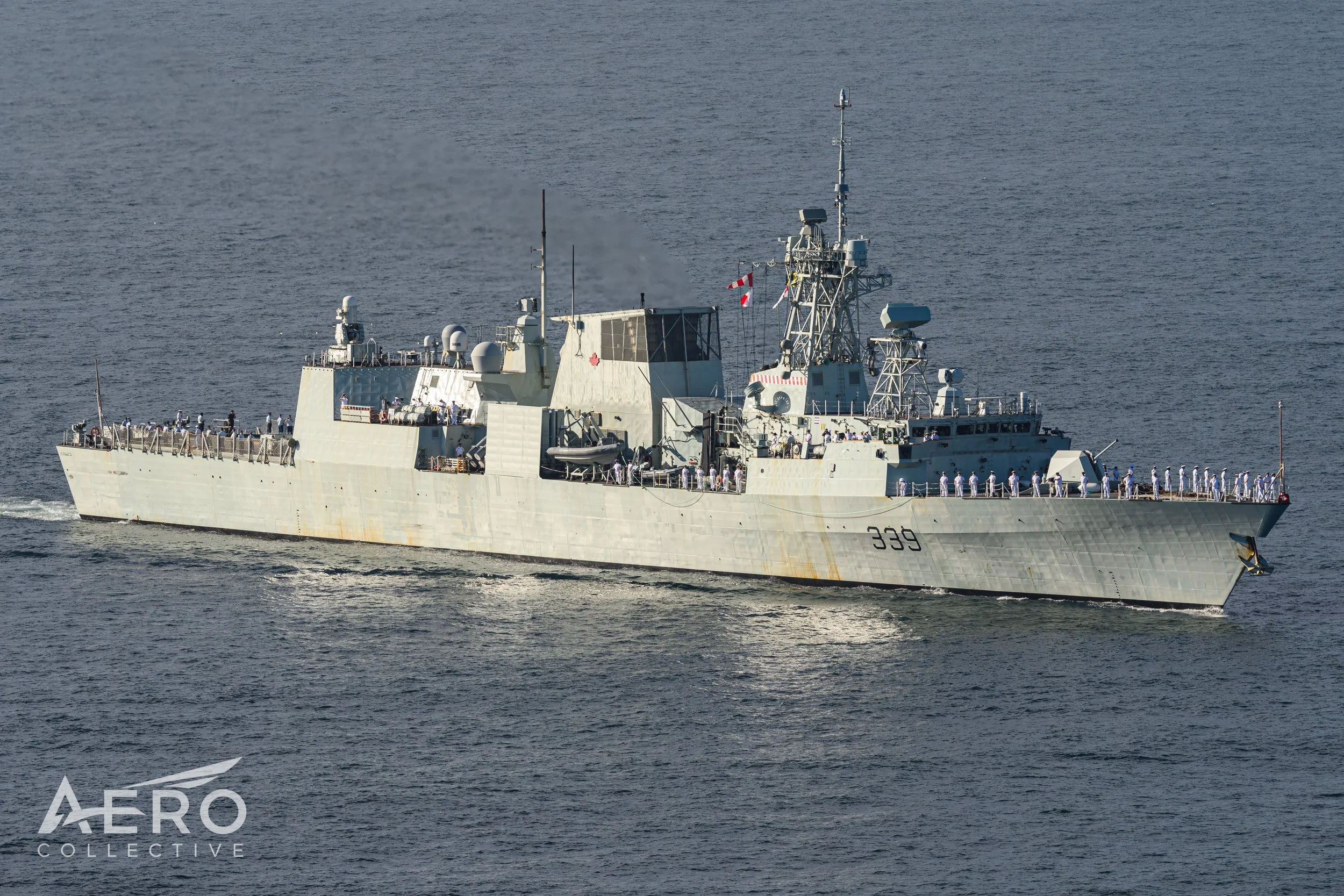
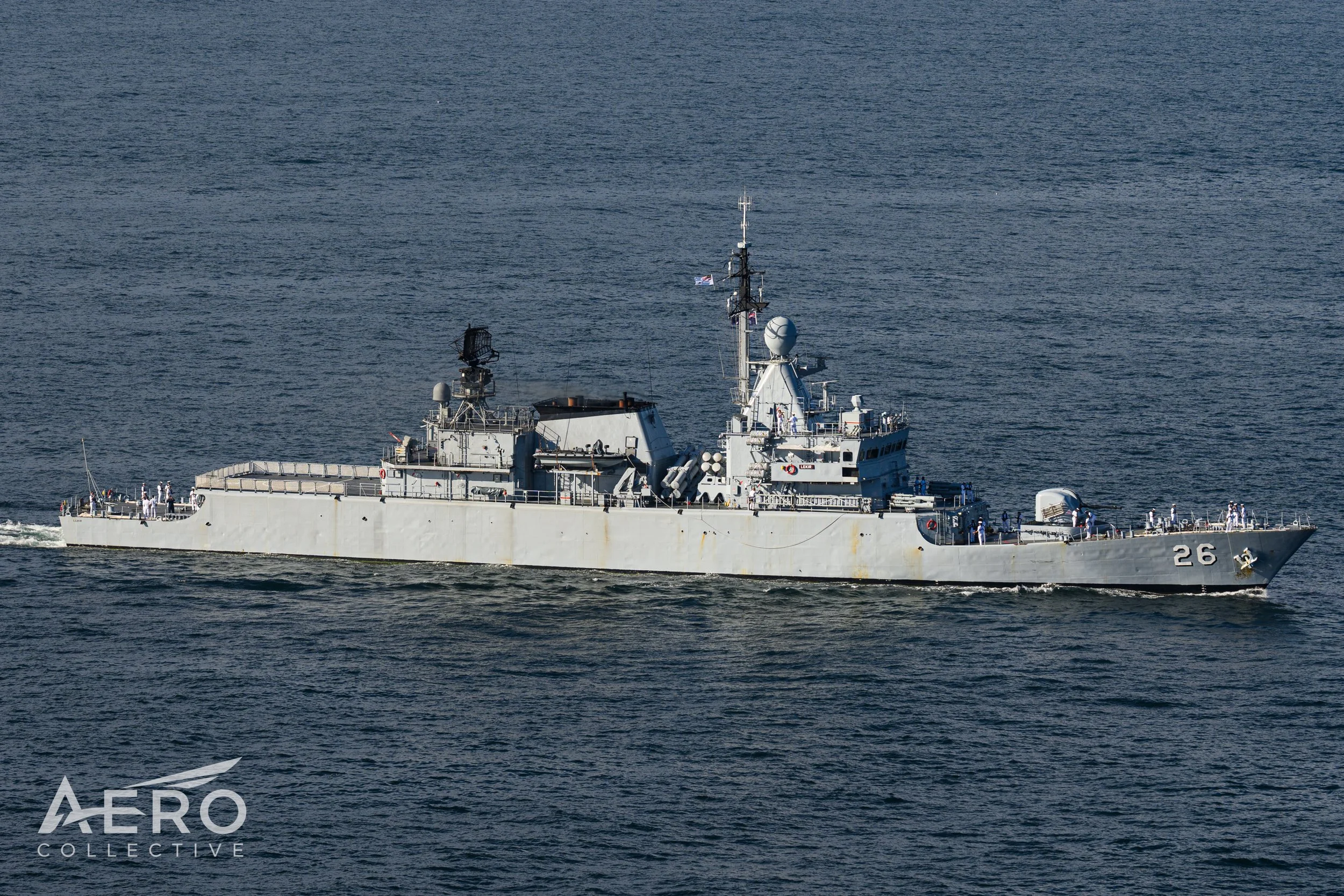
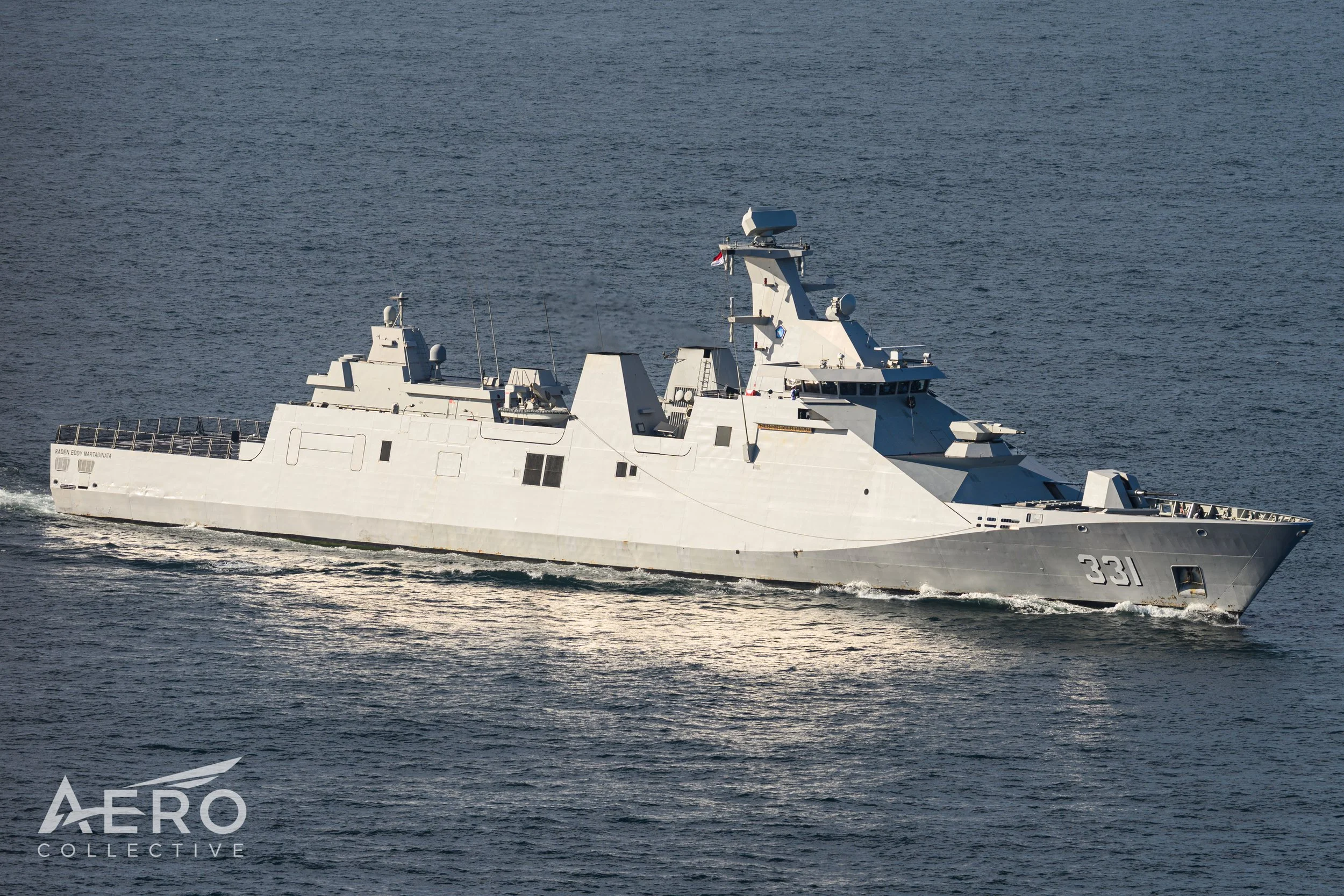
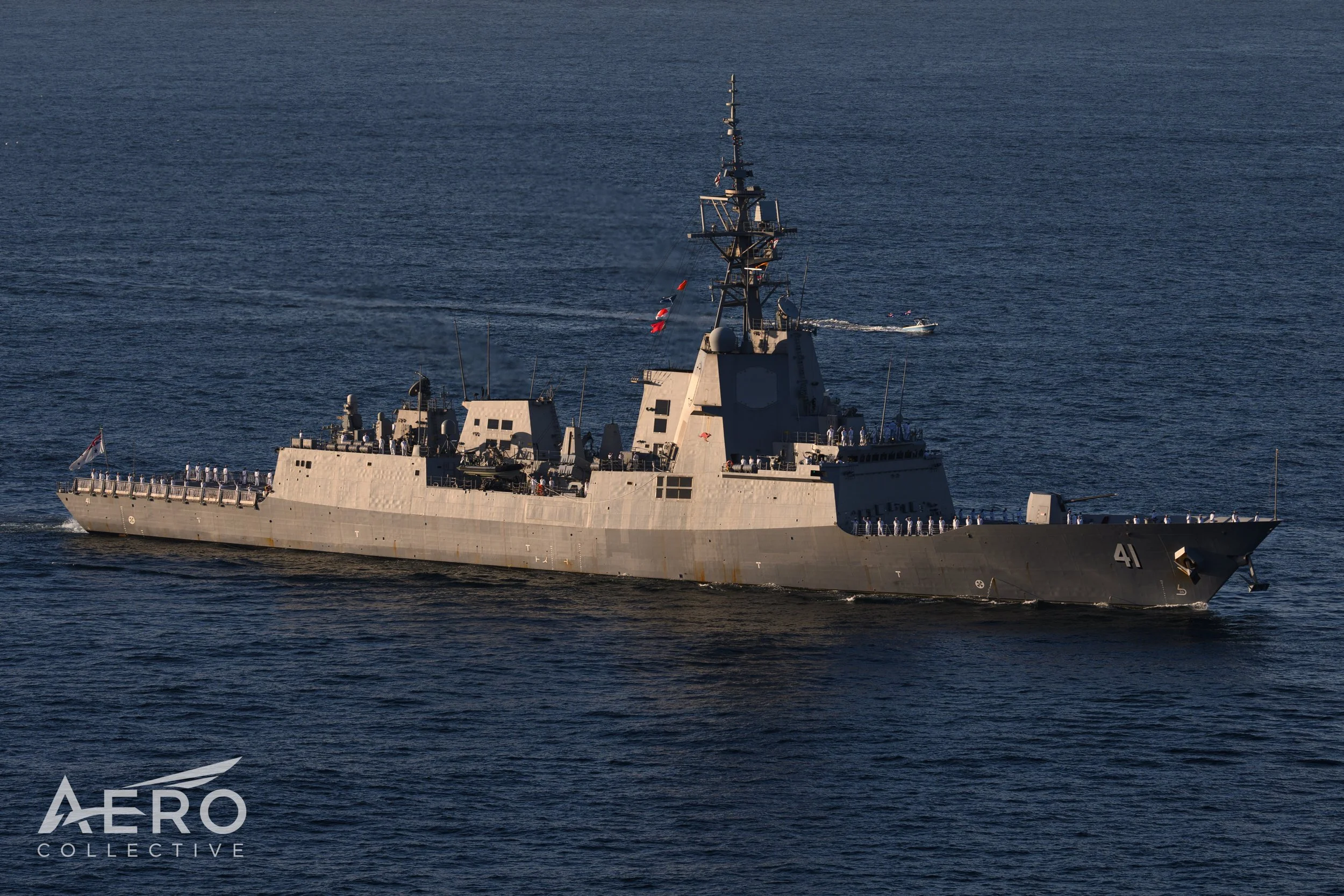
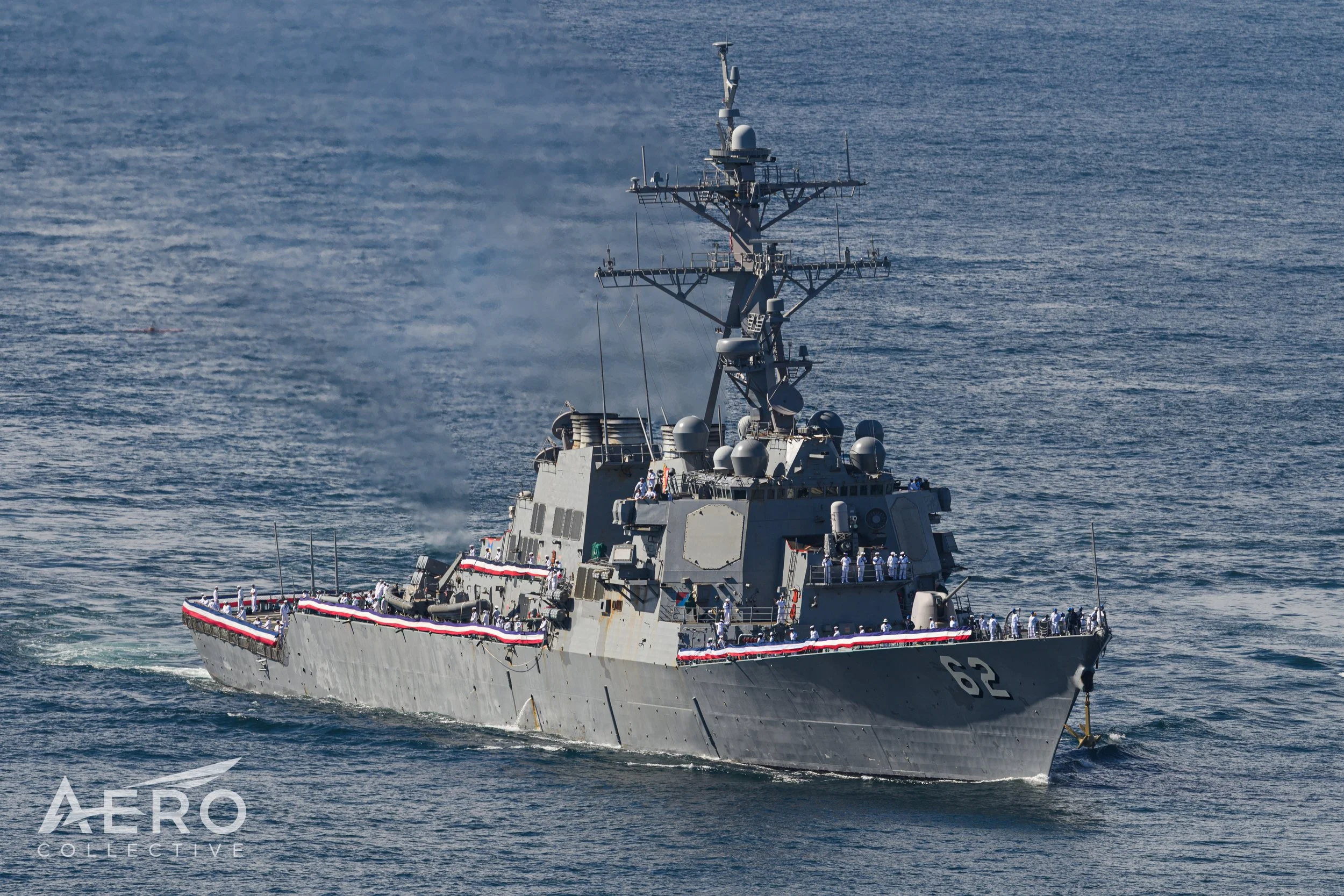
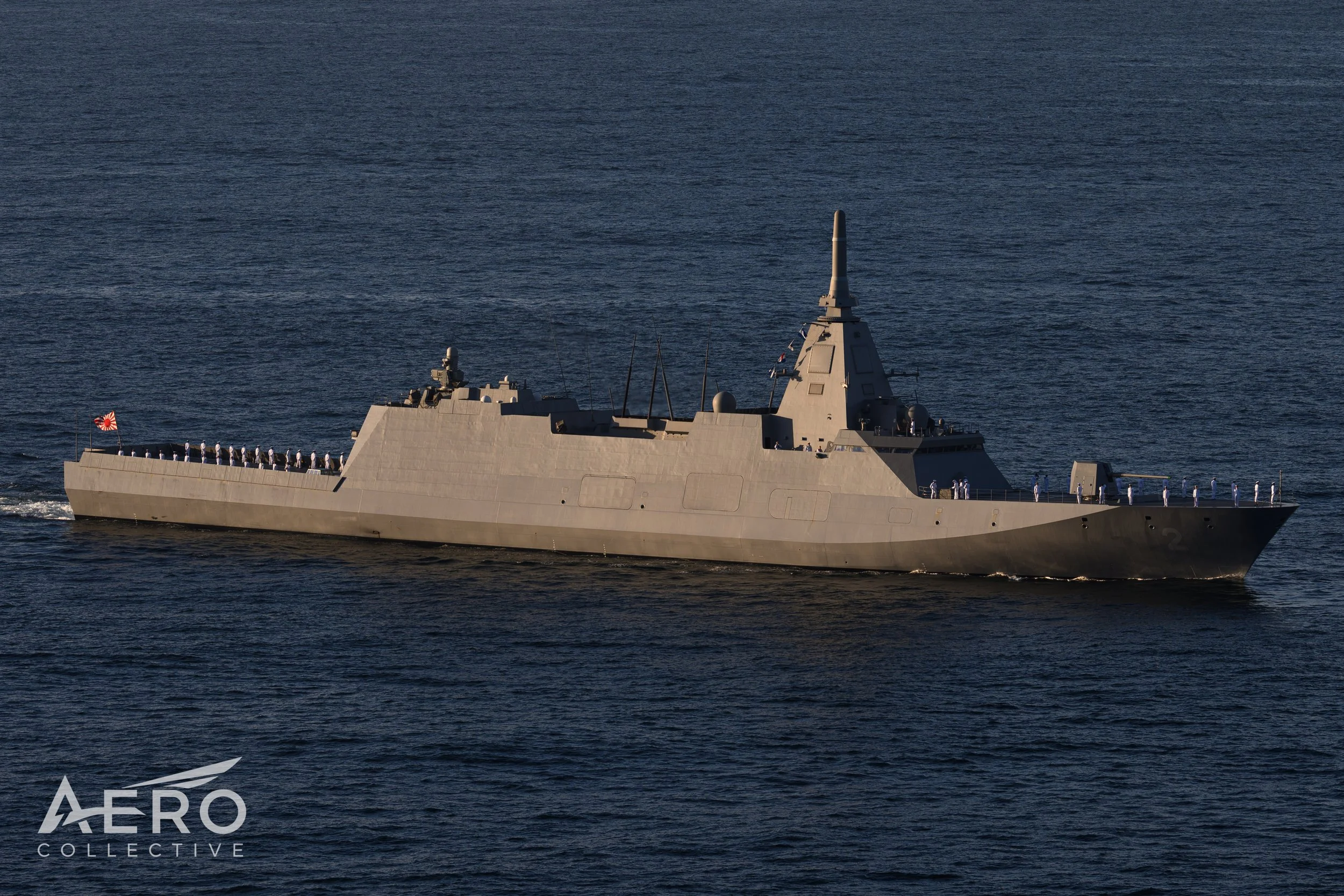
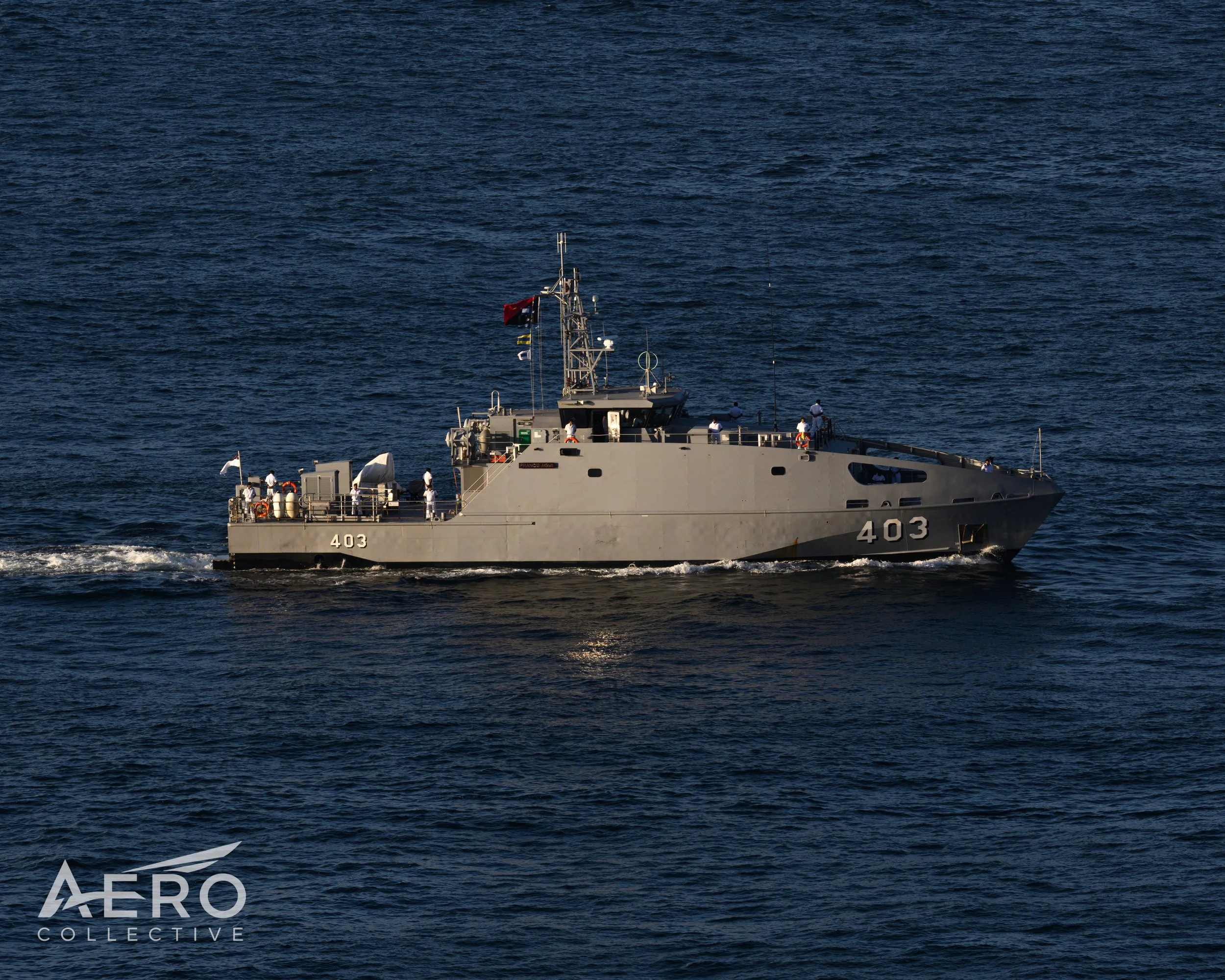
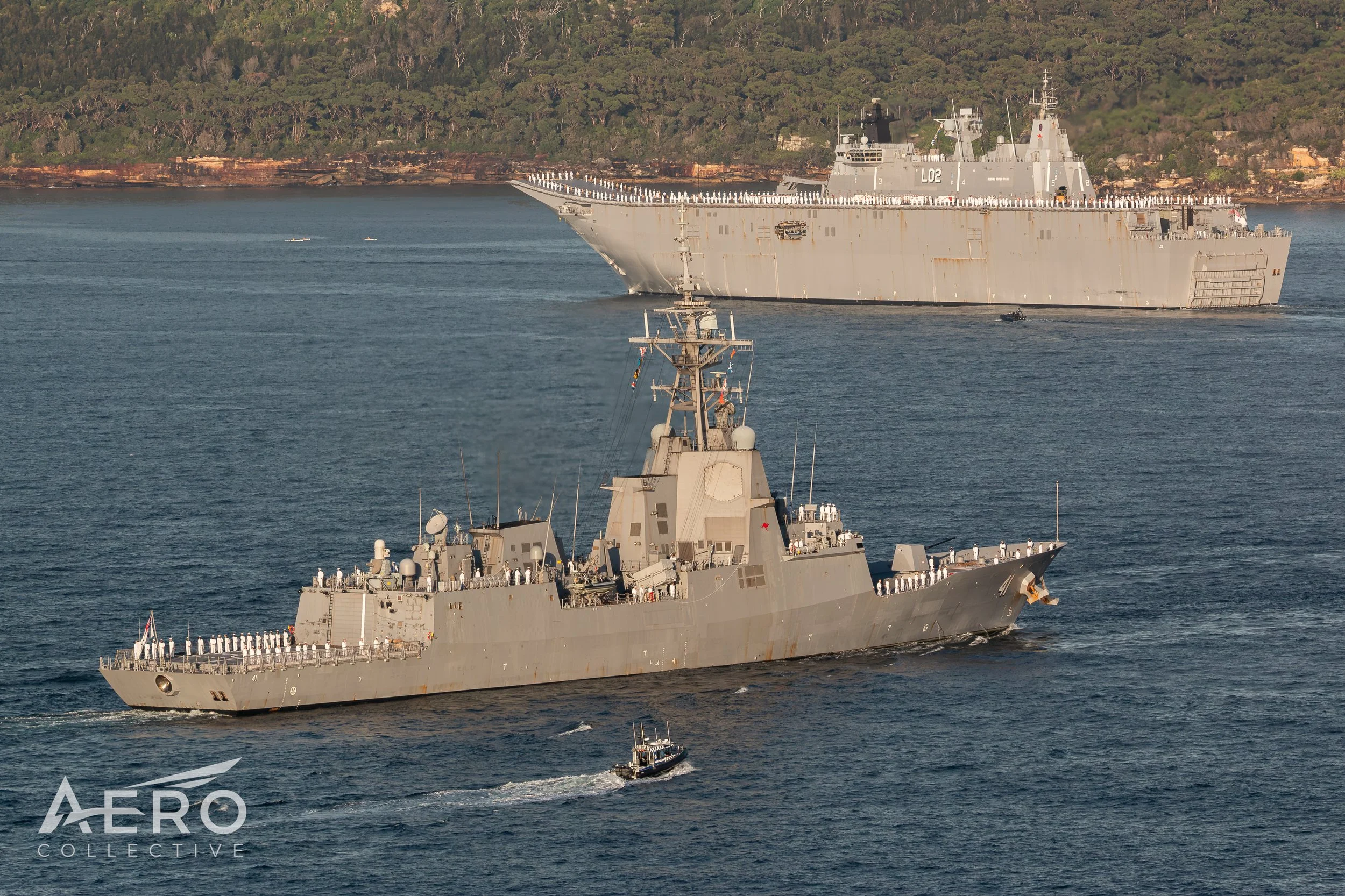
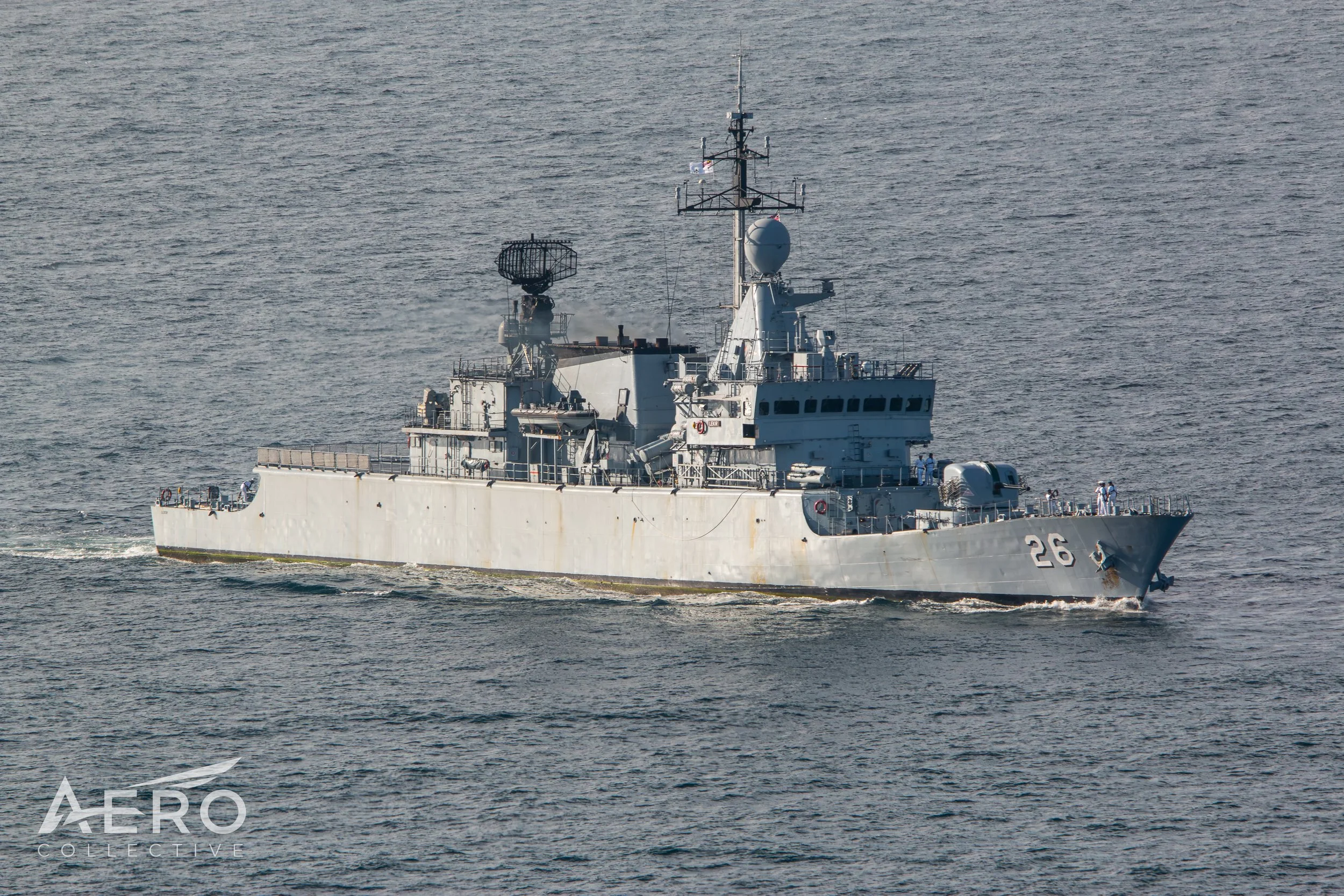
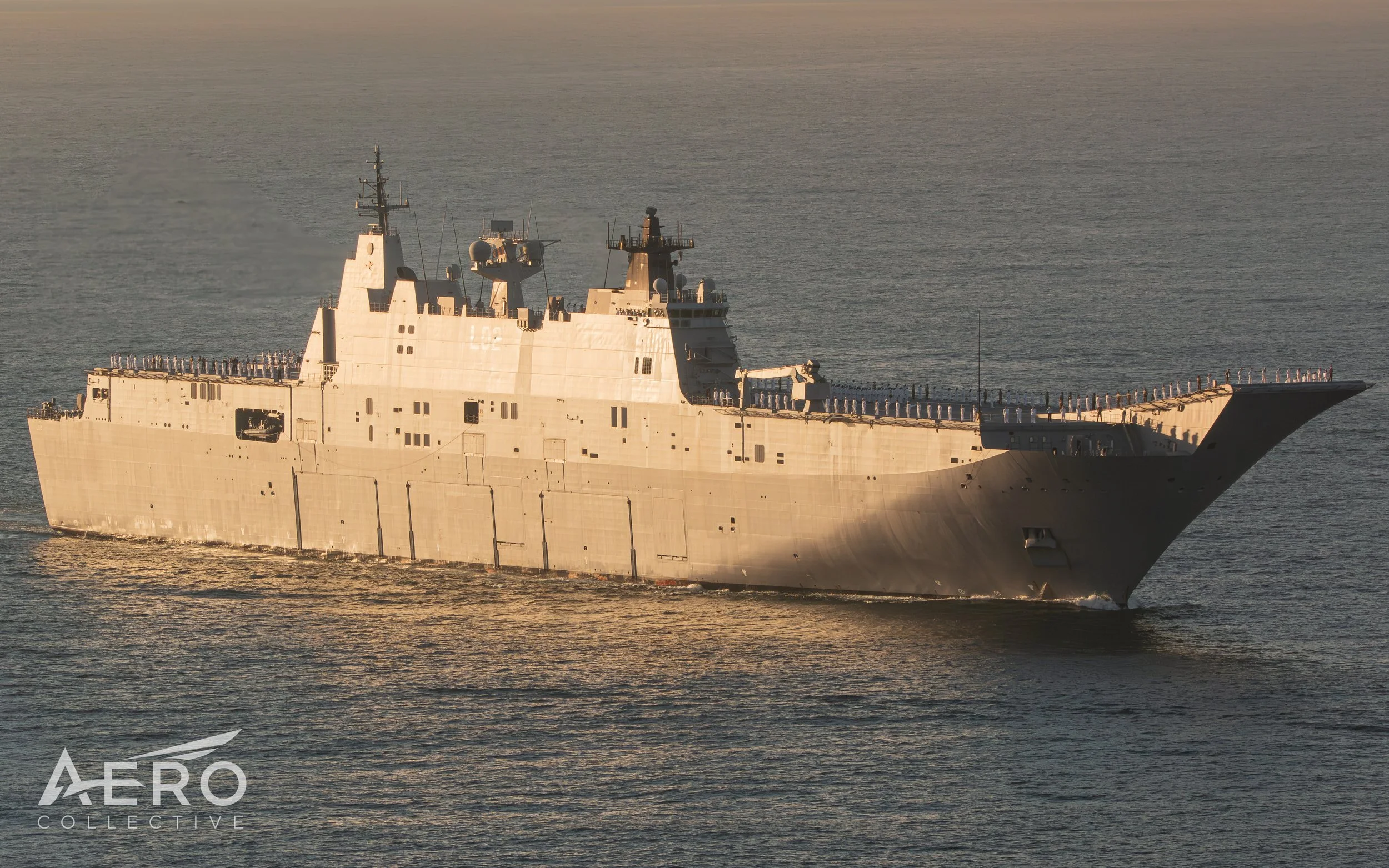
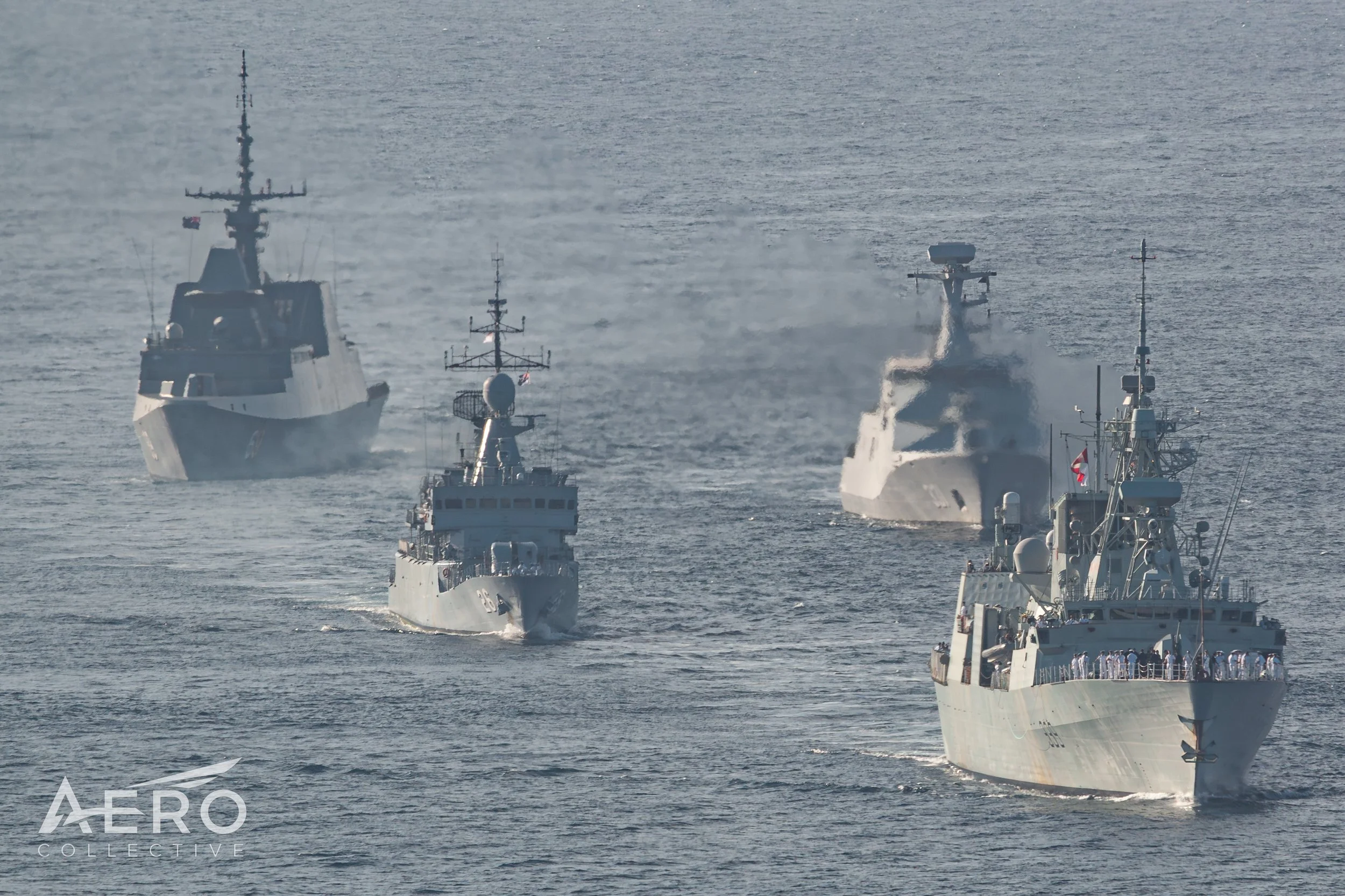
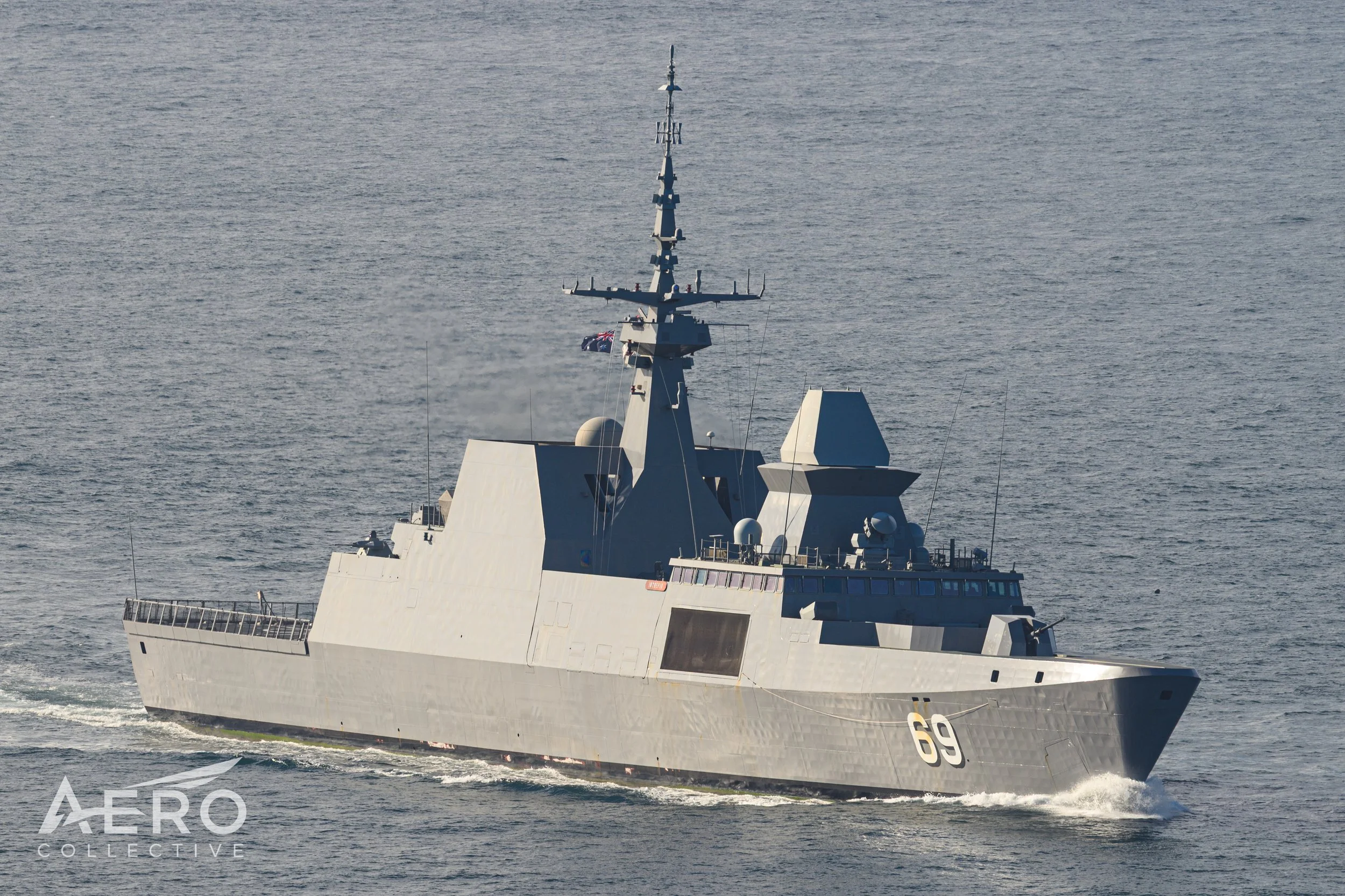
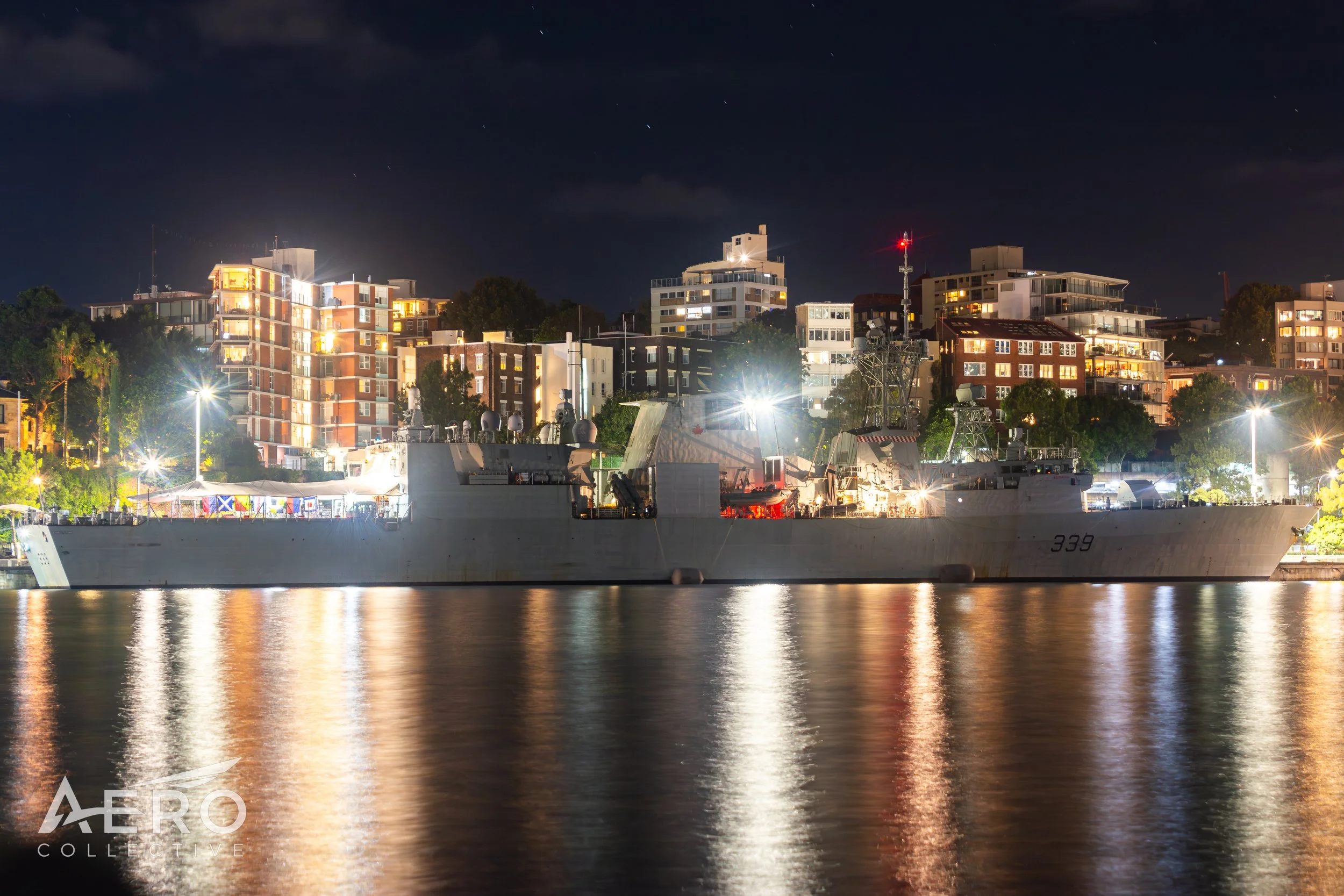
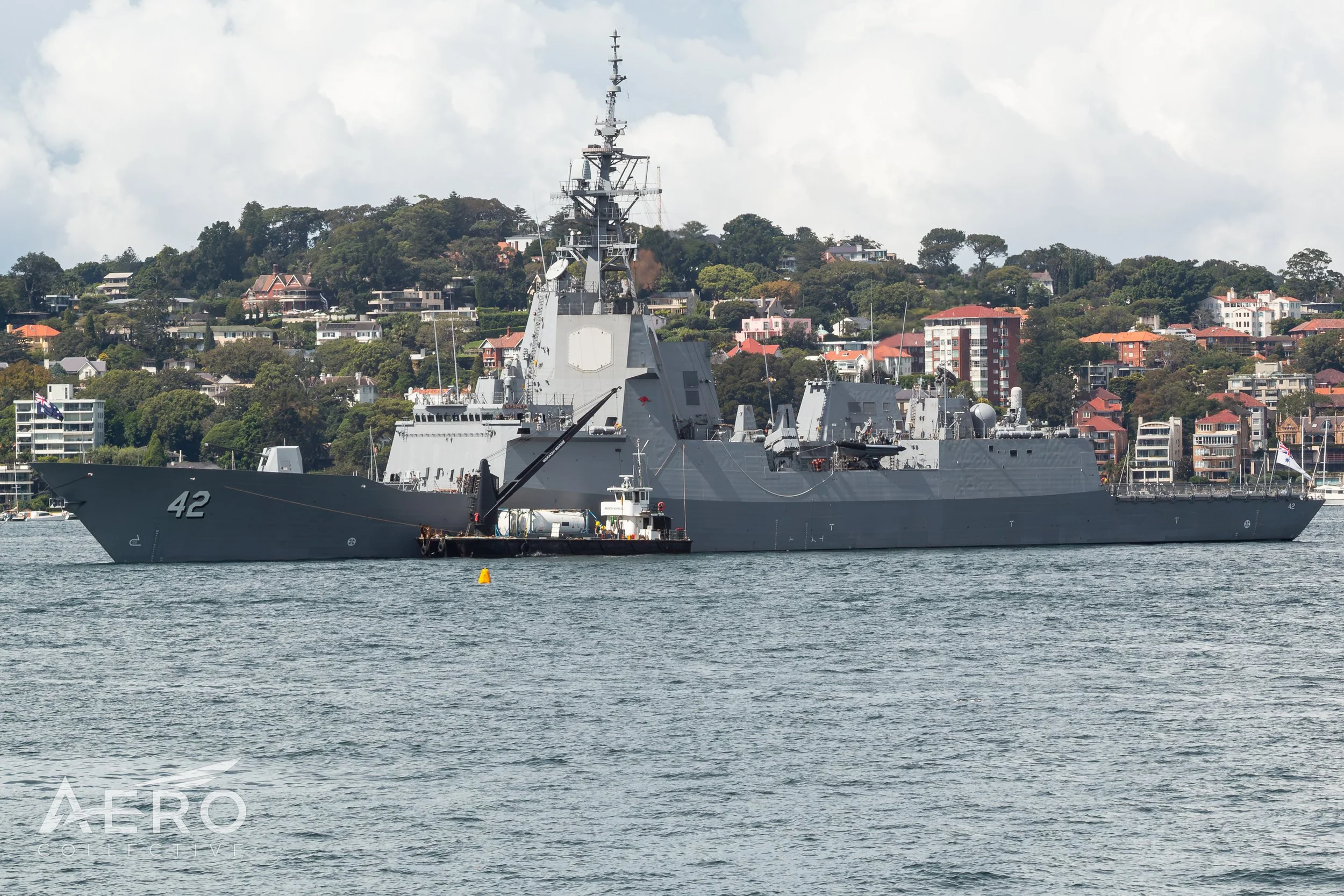
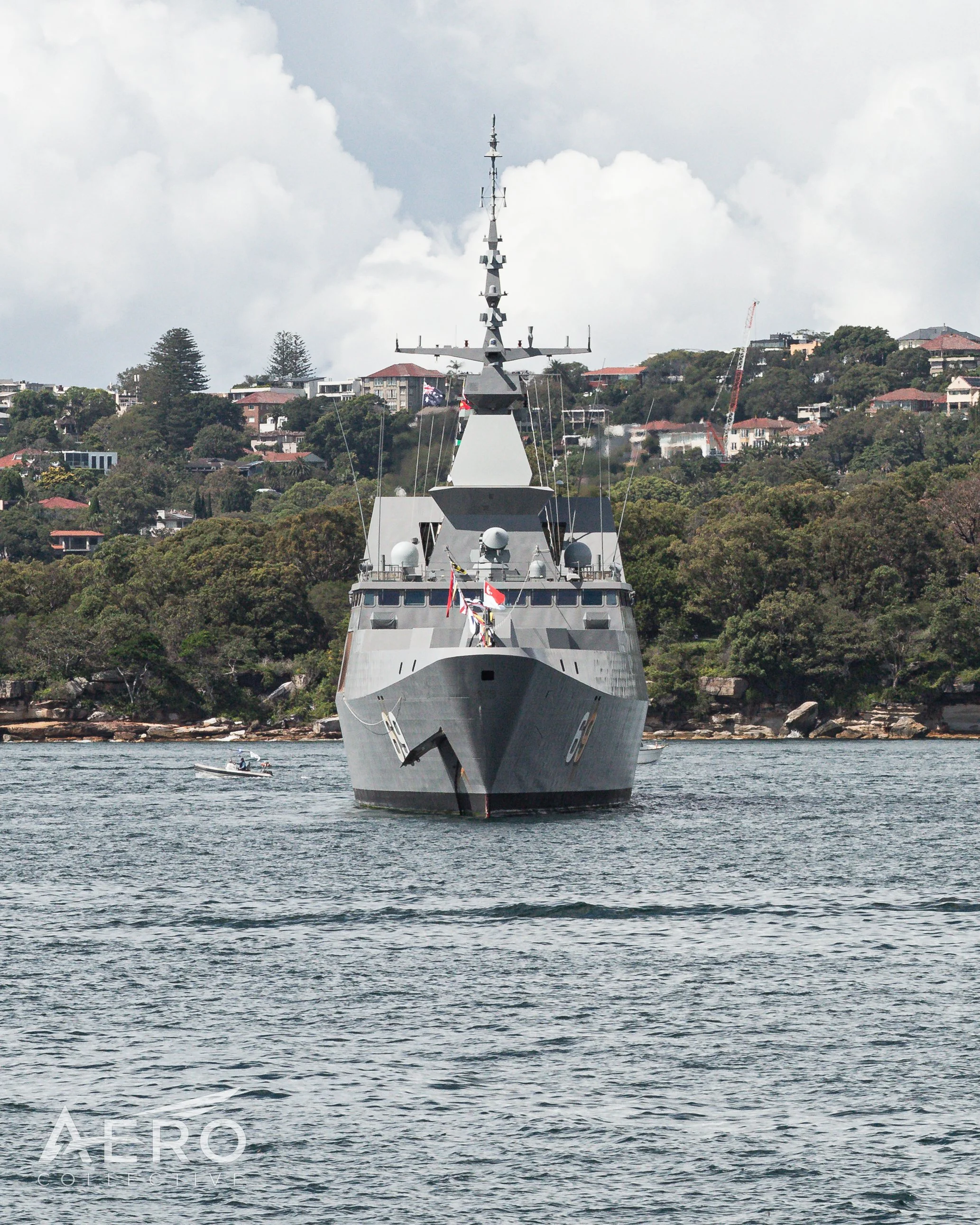
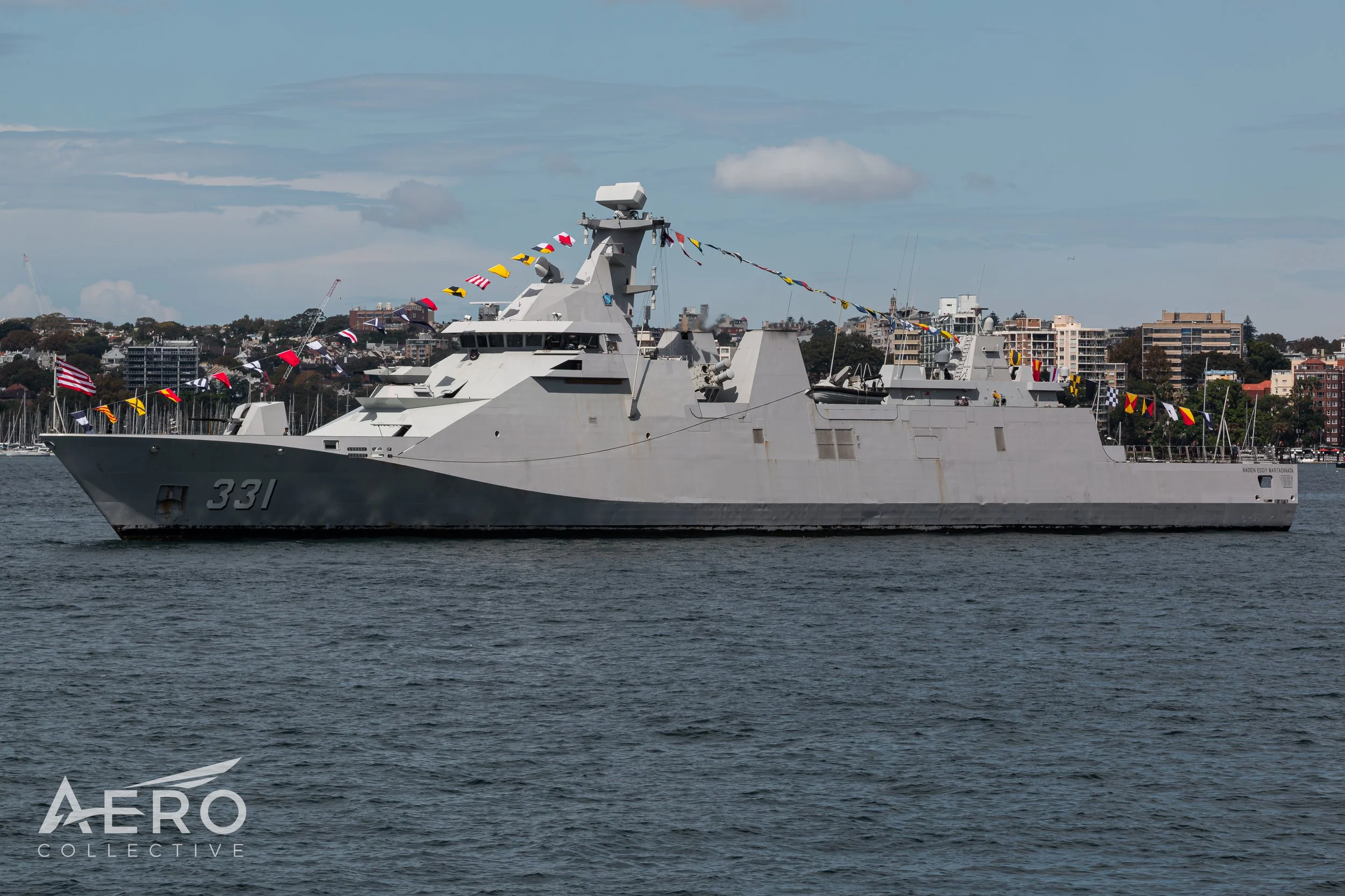
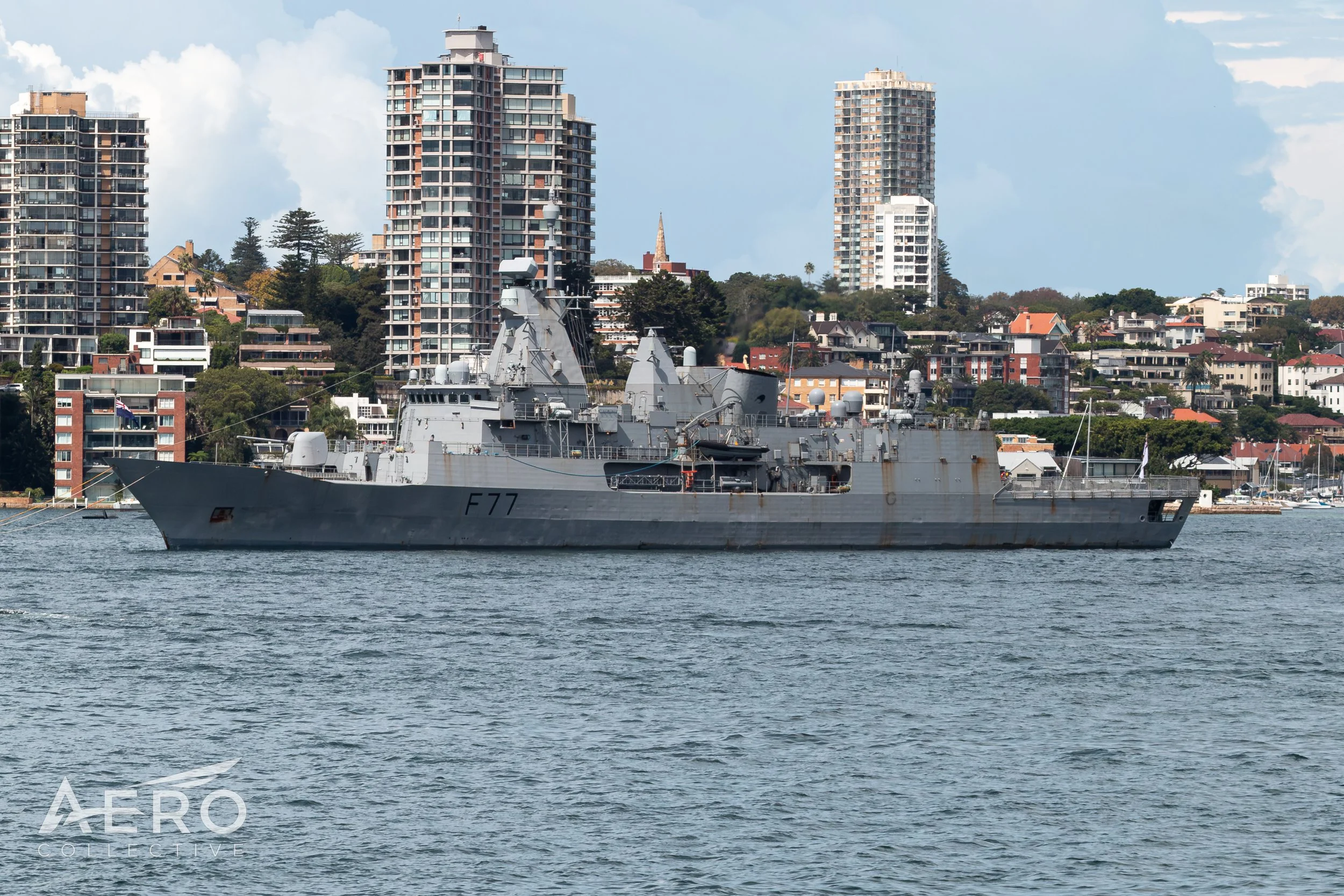
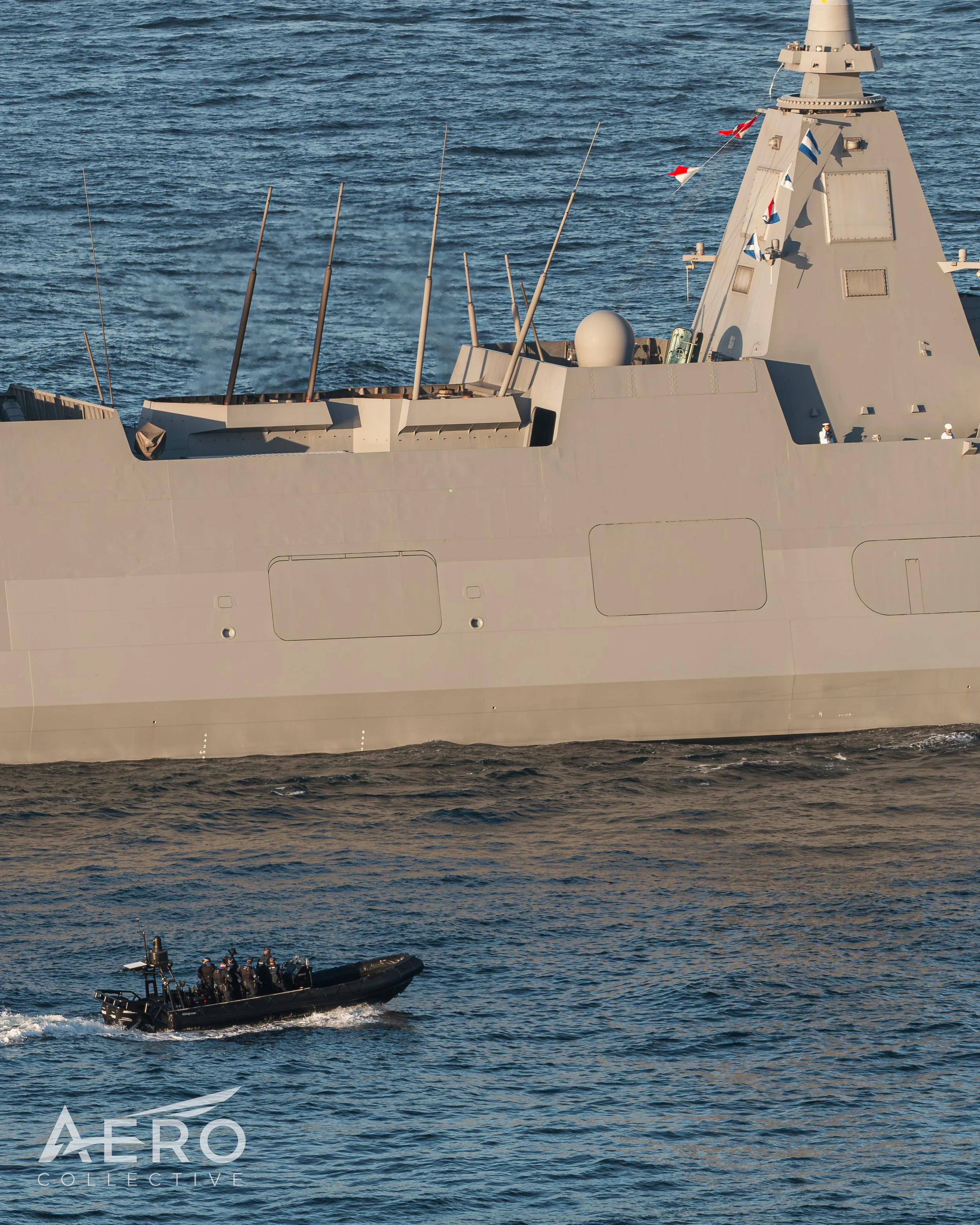
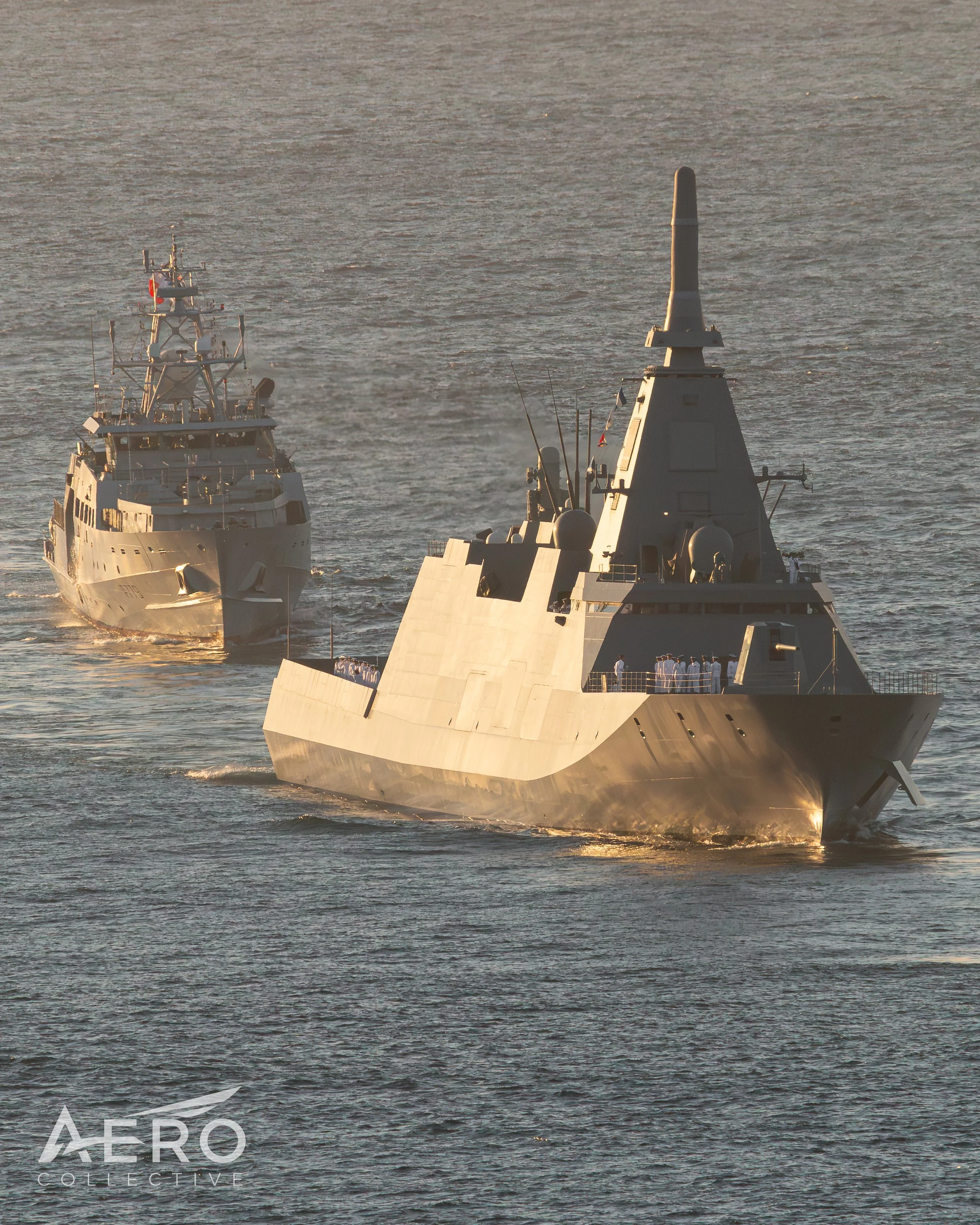
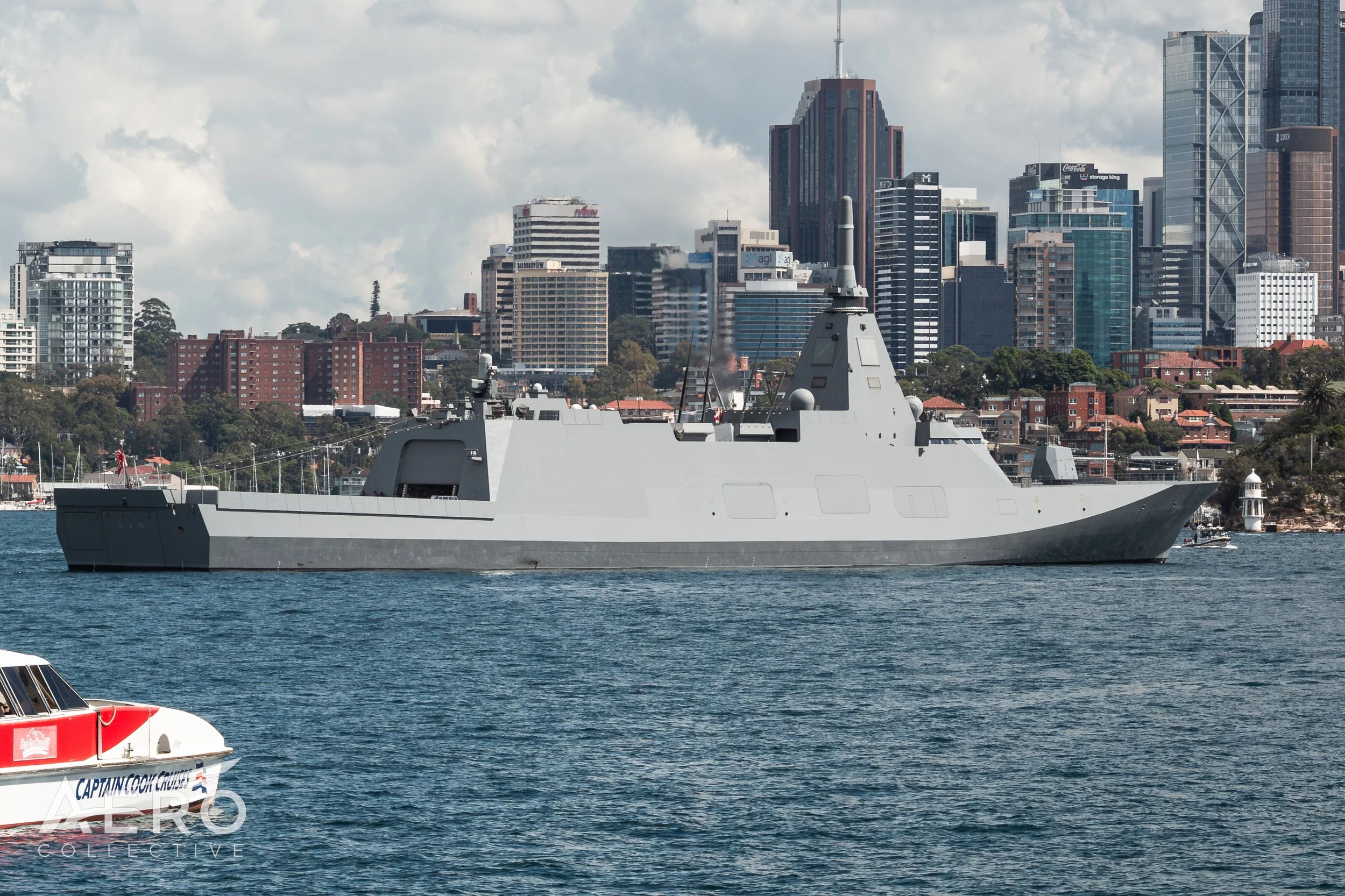
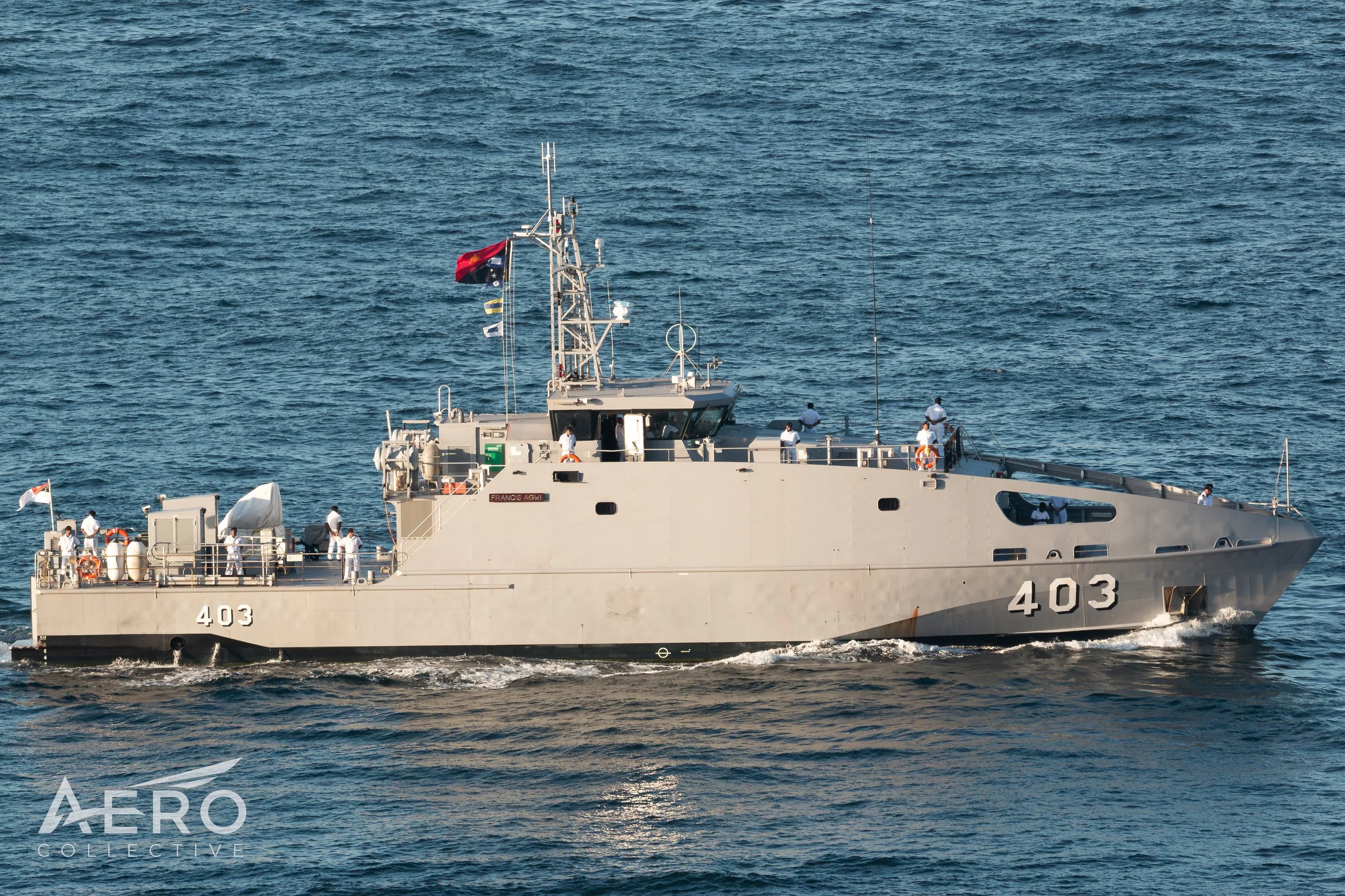
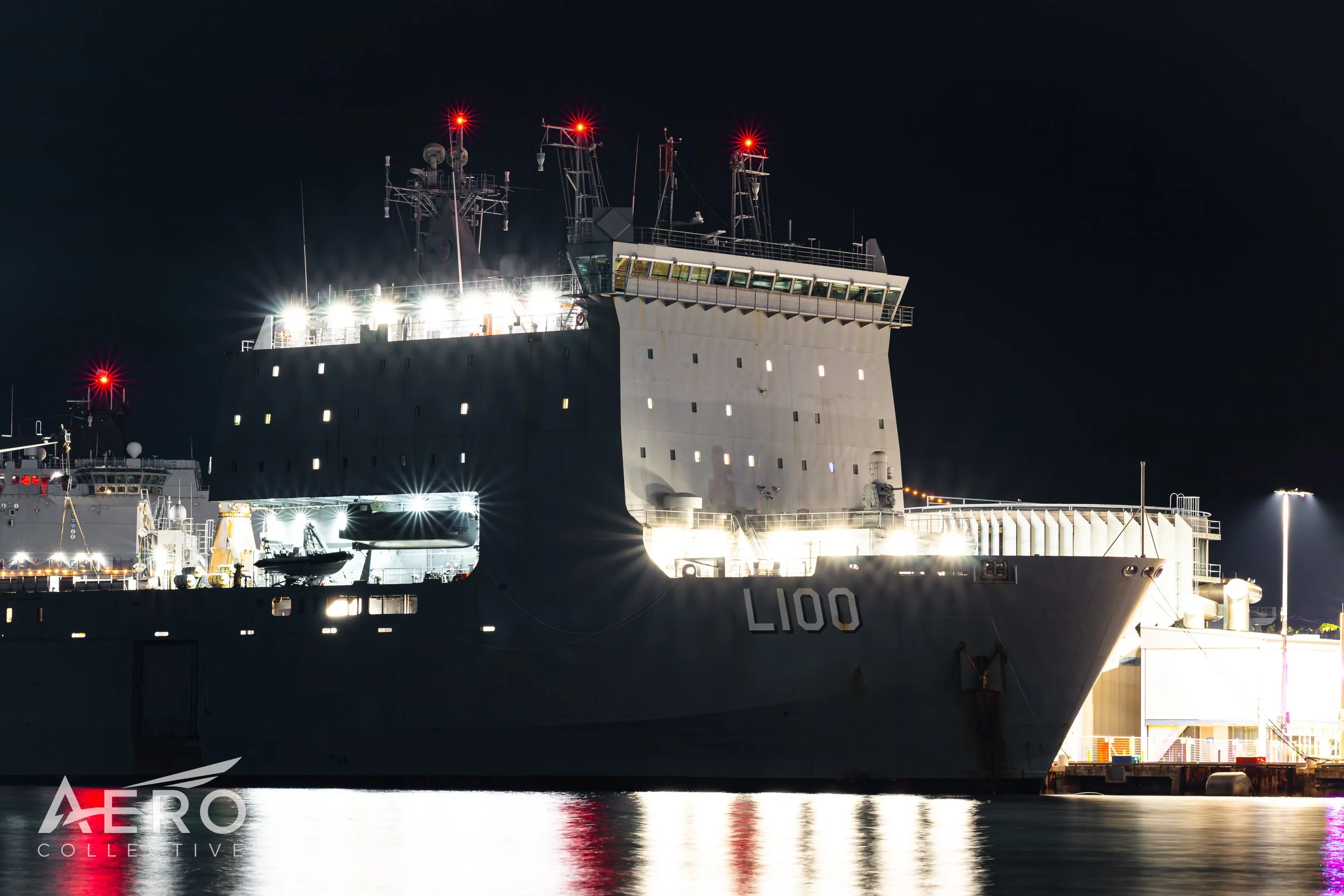
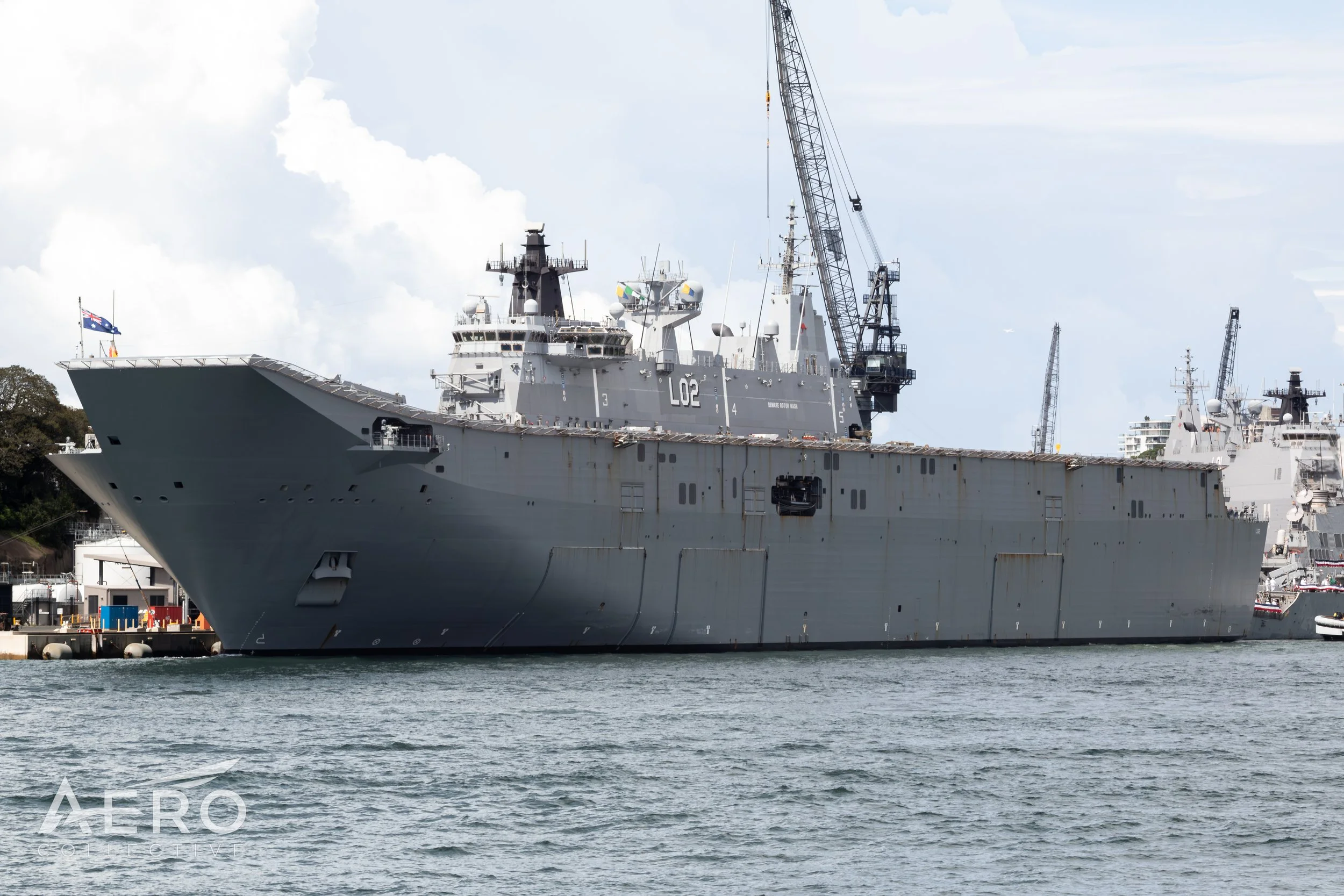
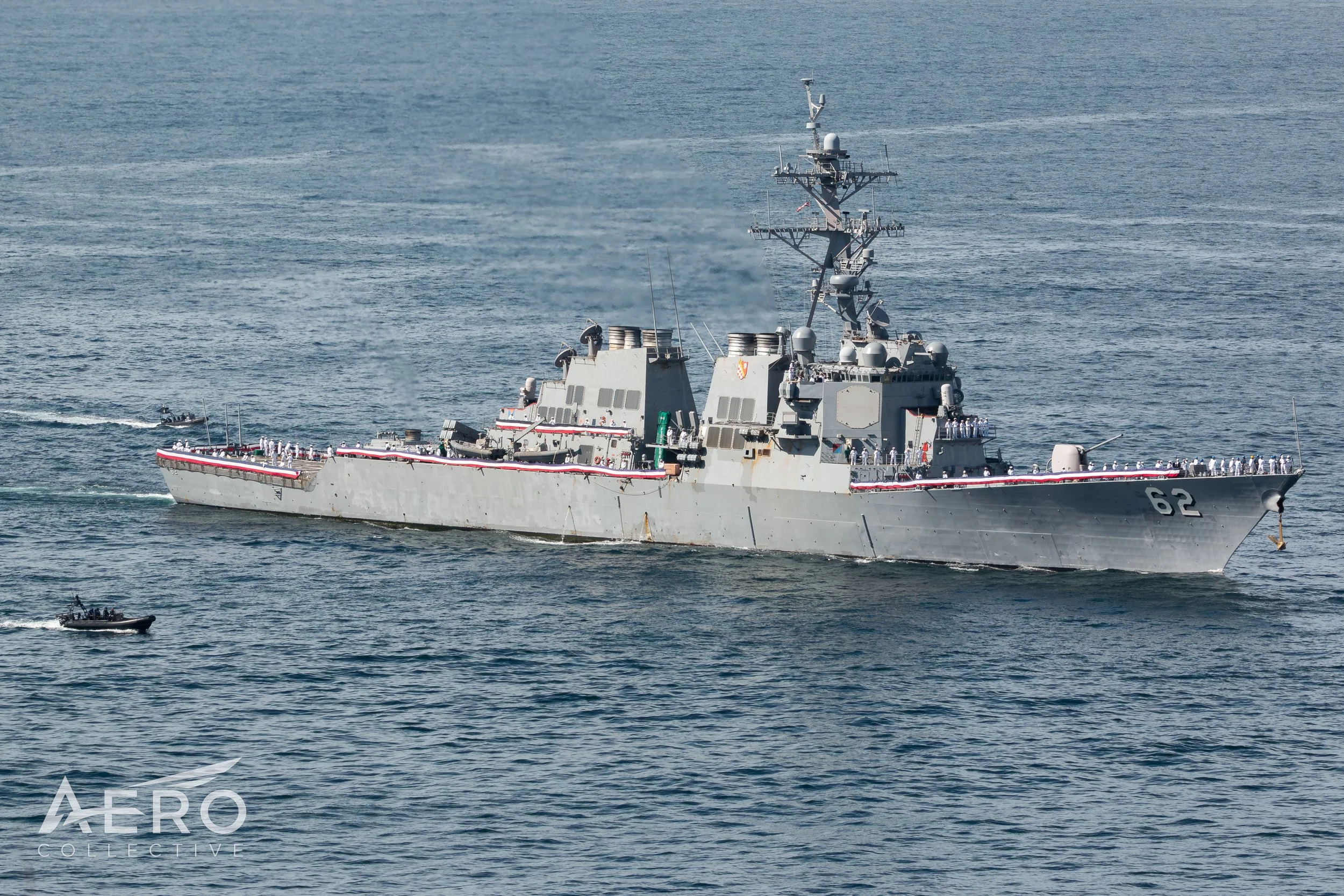
On March 1st 1901, the Royal Australian Navy, then known as the Colonial Naval Forces, was officially formed. 125 years later, Australia’s premier sea-borne defence force has held its largest celebration since 2013, with over 30 ships from 19 countries participating, including the United States, Canada, Japan, Singapore, India, and Vietnam.
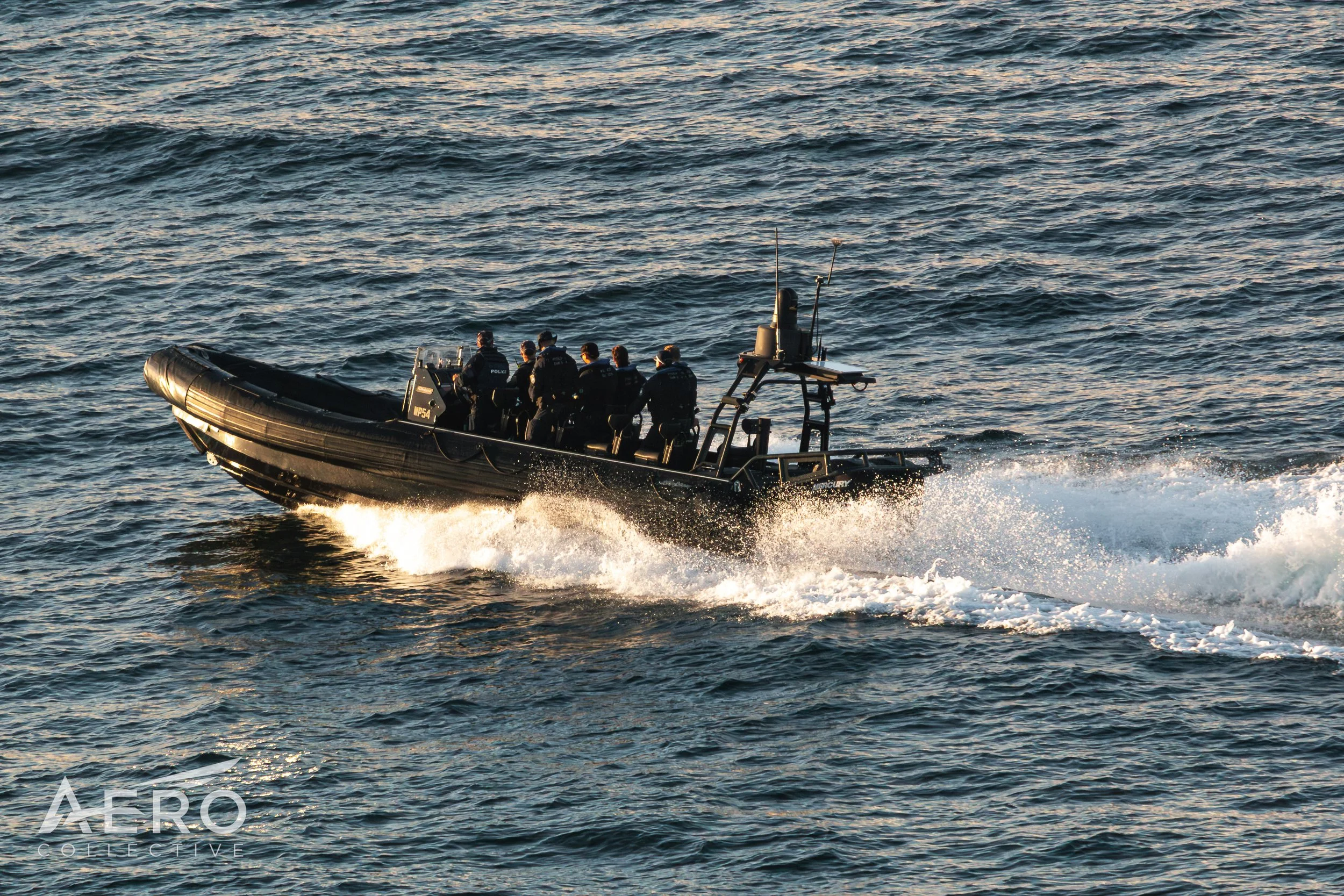
The Exercise Kakadu International Fleet Review took place on the 21st of March 2026 and featured celebrations across Sydney Harbour, including flypasts and a ceremonial gun salute. “Exercise Kakadu is an opportunity for Australia and its international partners to undertake combined multinational maritime activities ranging from constabulary operations to high-end warfare.” Over 6,000 personnel took part in the International Fleet Review on Sydney Harbour.
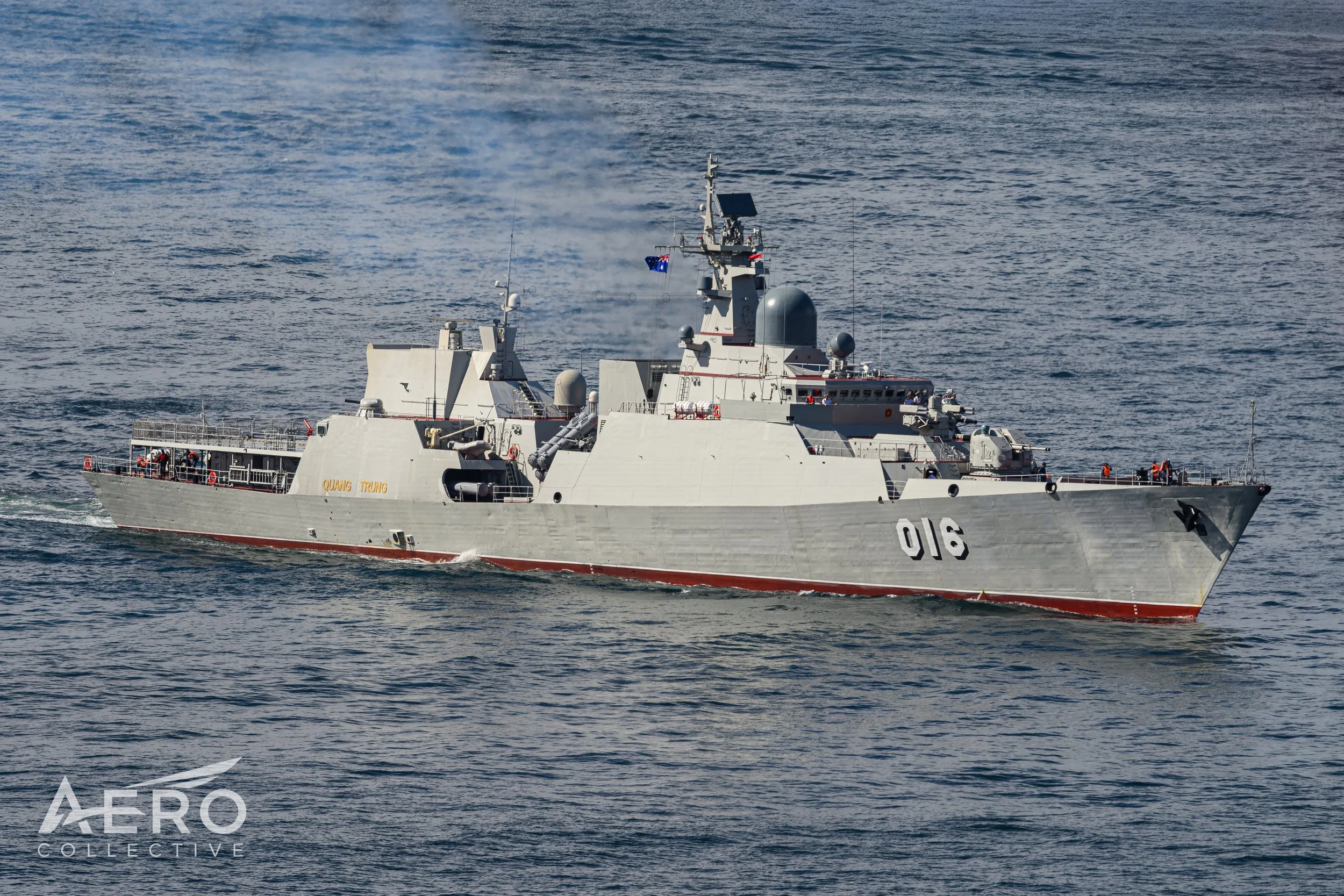
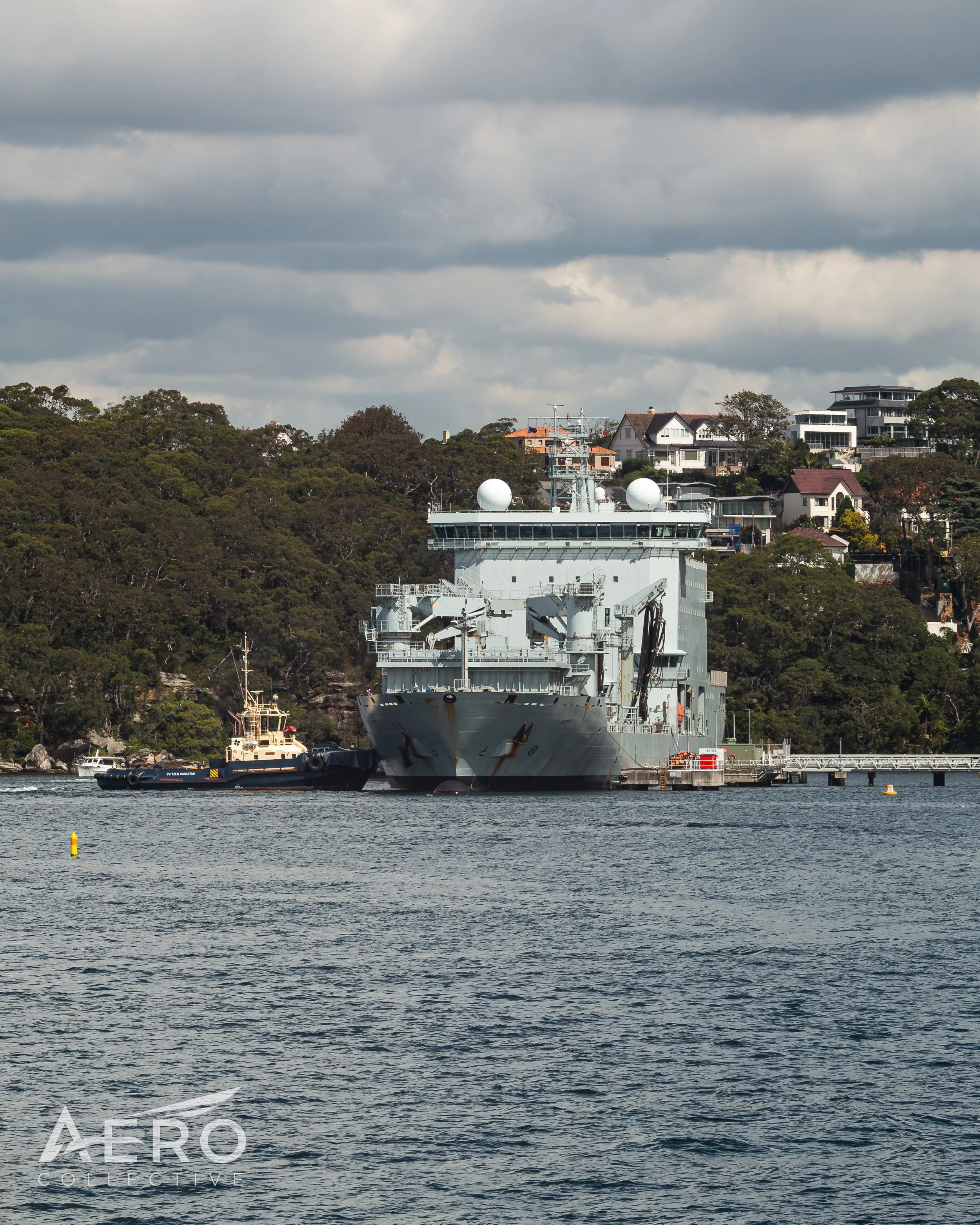
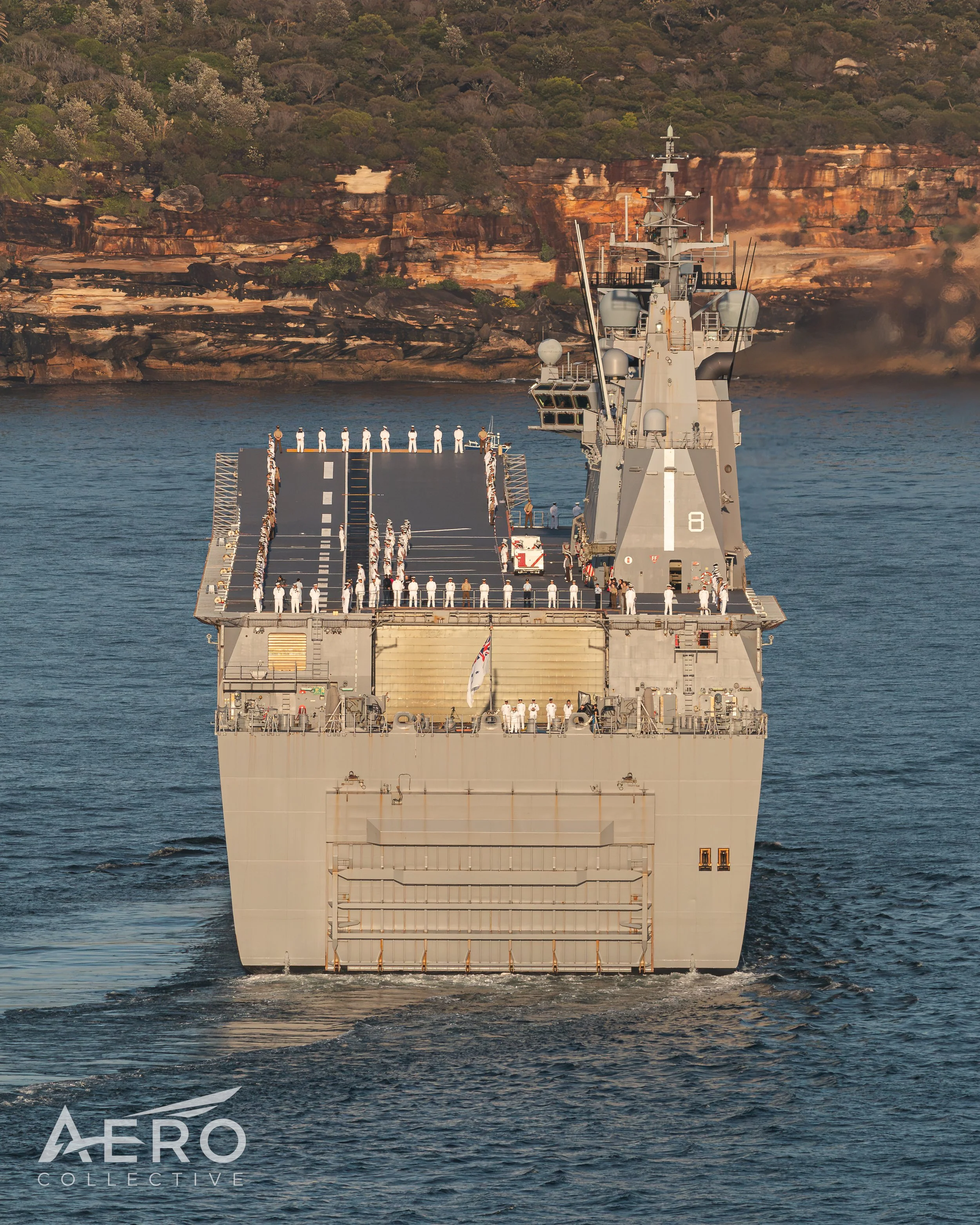
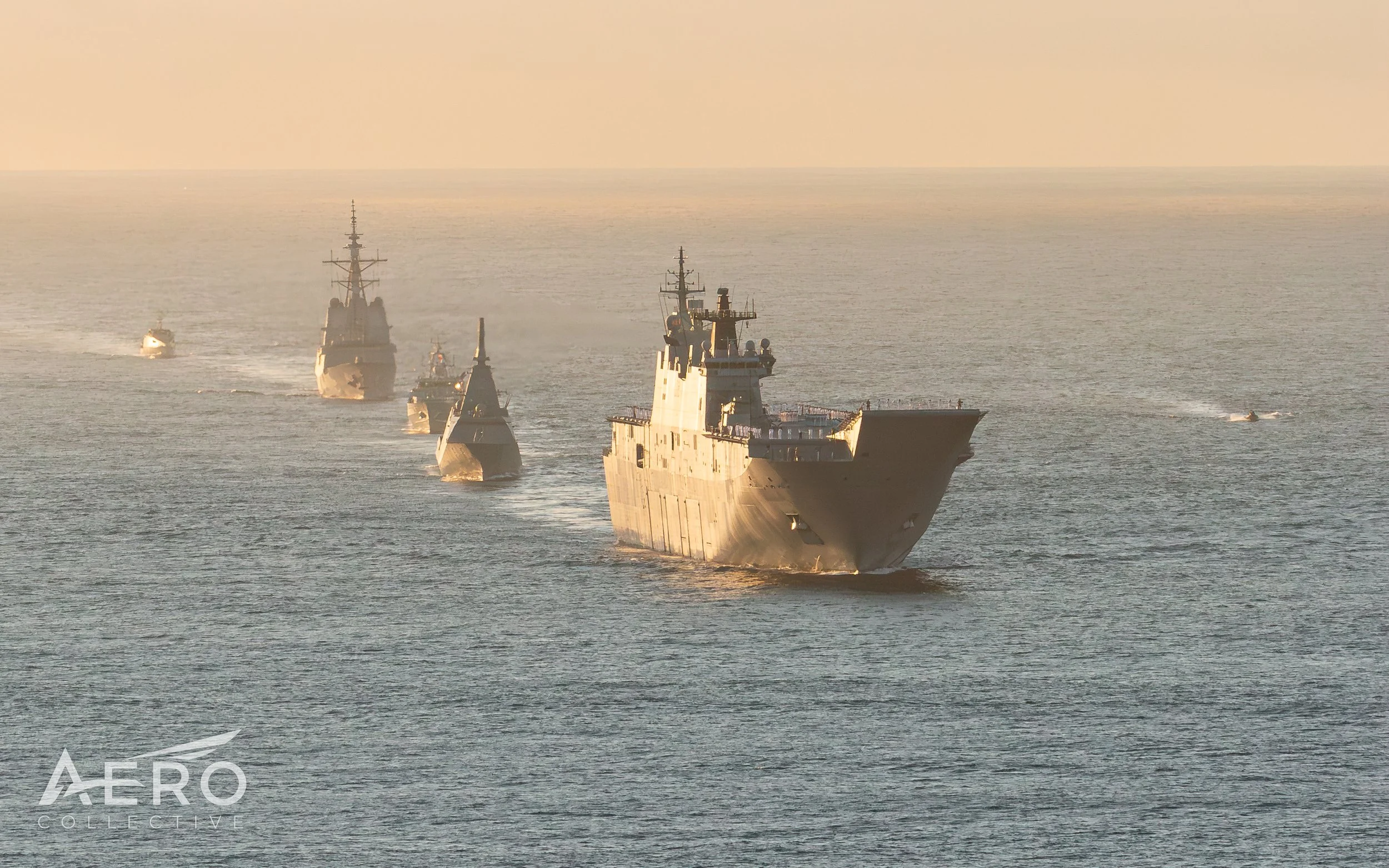
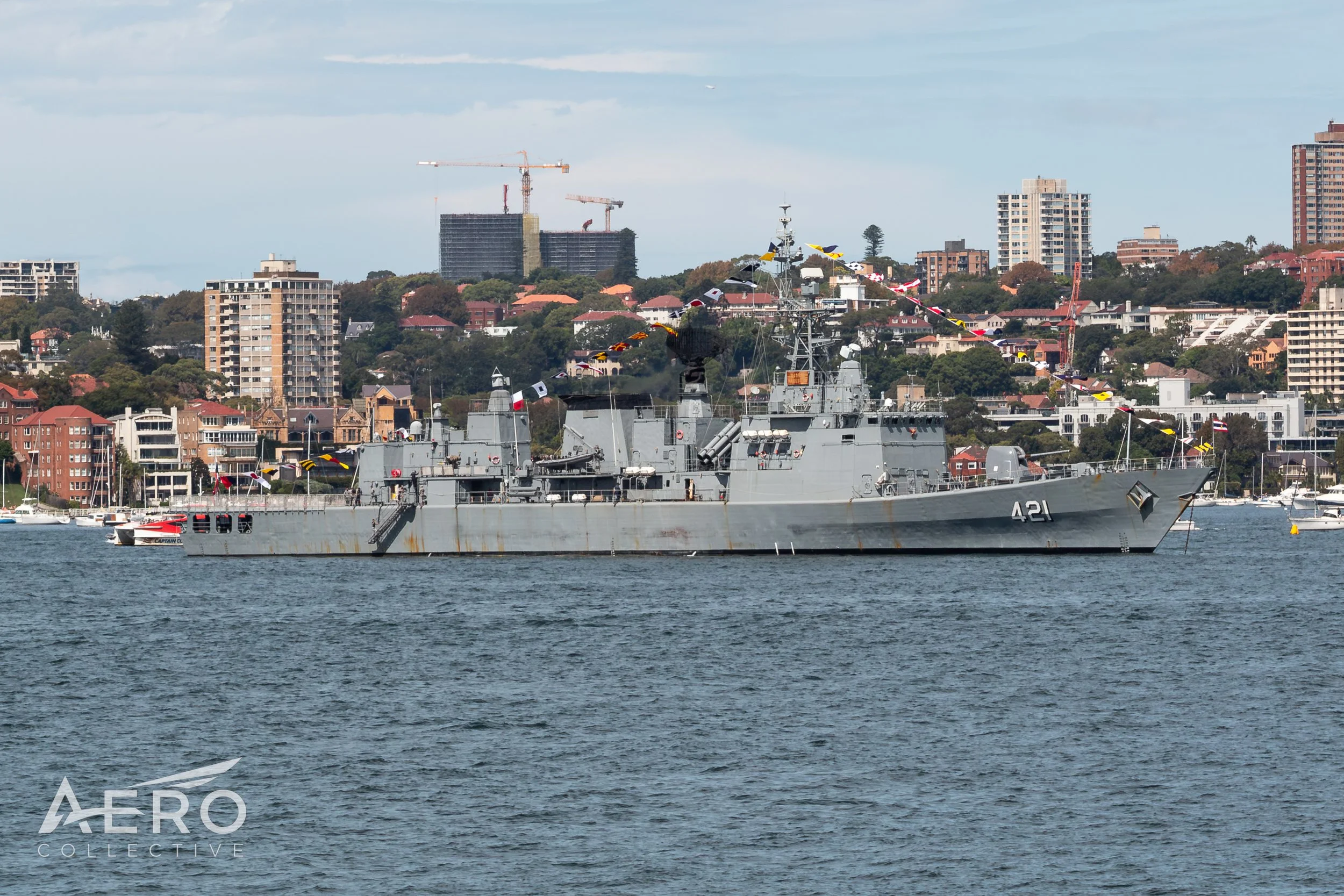
Before sunrise, a steady stream of naval vessels began flowing into the Harbour, with the first division entering Sydney Heads at 6am. Four more divisions followed, with the final ship entering the harbour at roughly midday. At 2pm, the HMAS Leeuwin began the official fleet review, receiving a ceremonial salute as it passed all participating vessels. The Leeuwin was escorted by a column of ships trailing it from east to west towards the Harbour Bridge. The HMAS Leeuwin, named after Cape Leeuwin on the south-western tip of Western Australia, is a Leeuwin-class survey ship (AGS) equipped with multibeam echo sounders to survey the ocean. With less than half of Australia’s maritime waters still not surveyed to acceptable standards, ships like Leeuwin help map the ocean floor and make commercial vessels safer. In a historical first, Vietnam’s Gepard-class frigate, the Quang Trung, marks the first-ever visit of a Vietnamese People’s Navy vessel to Sydney Harbour.
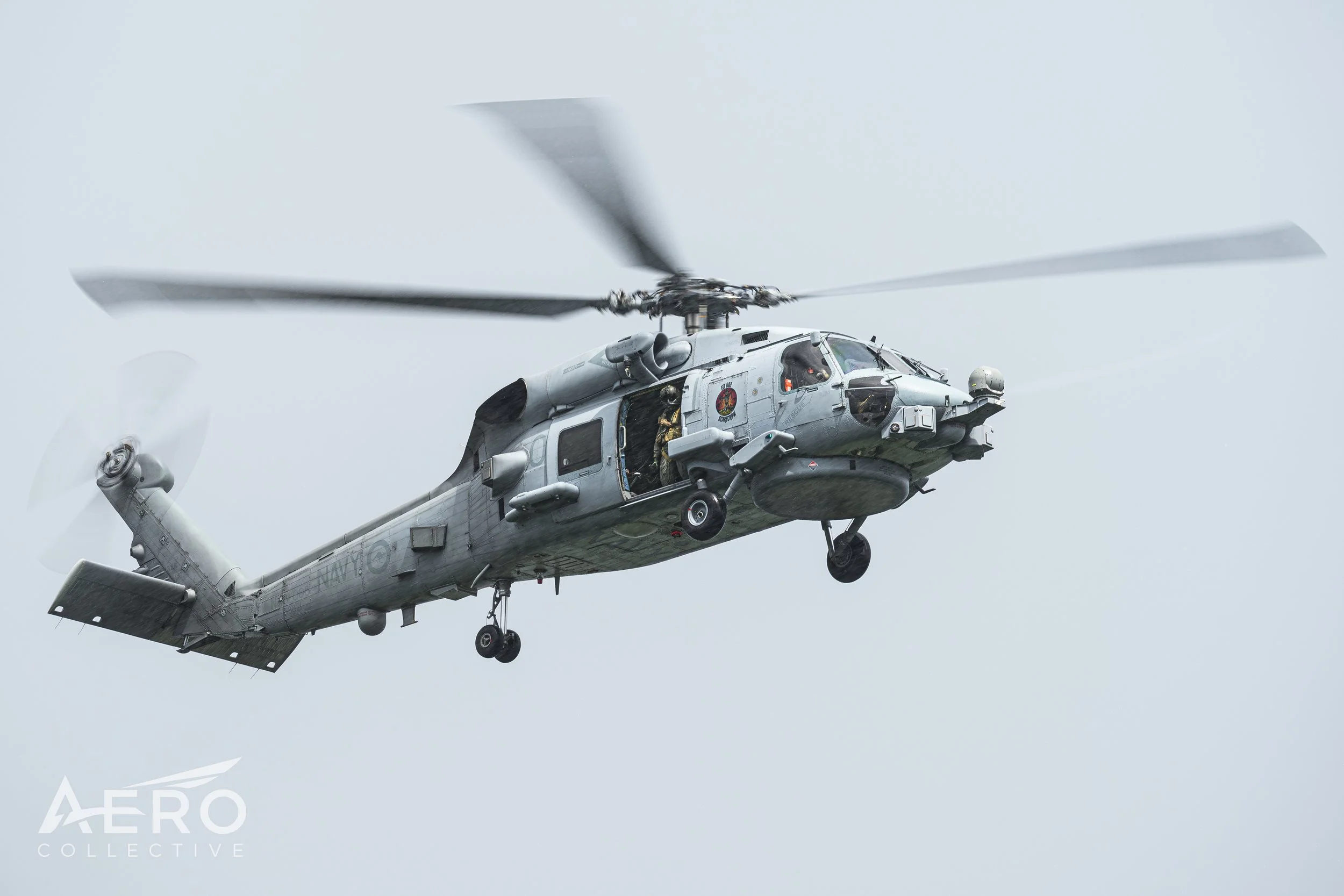
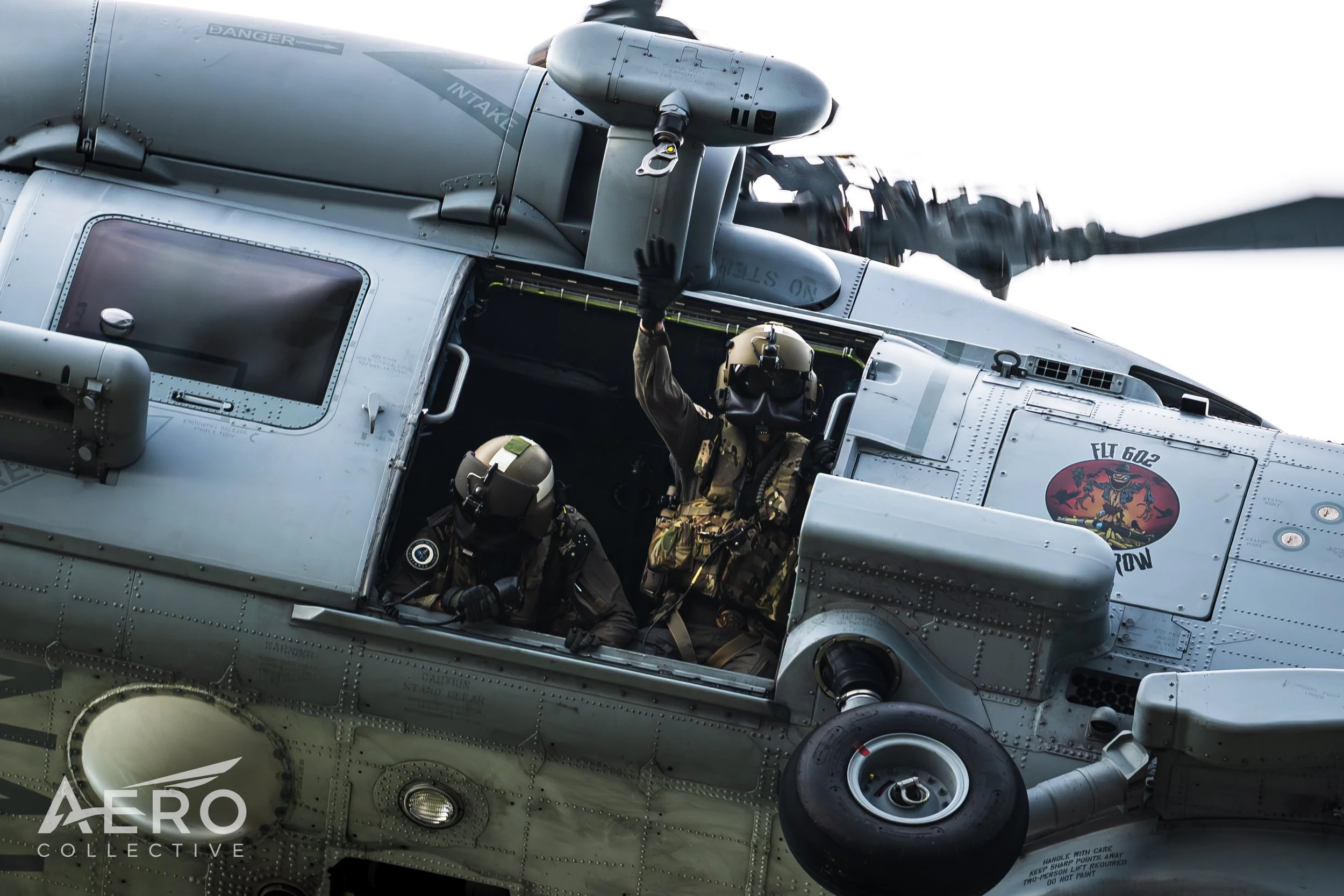
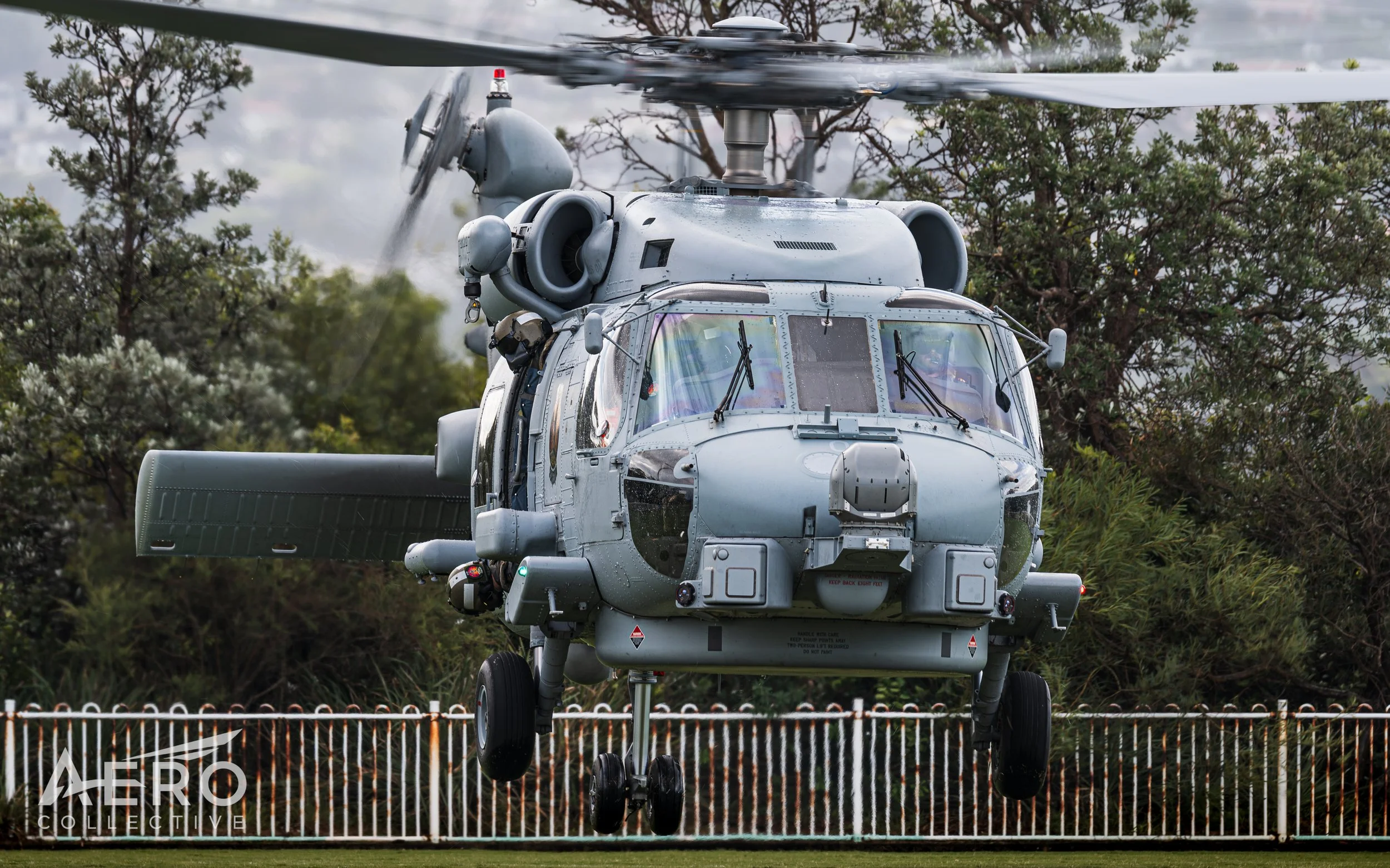
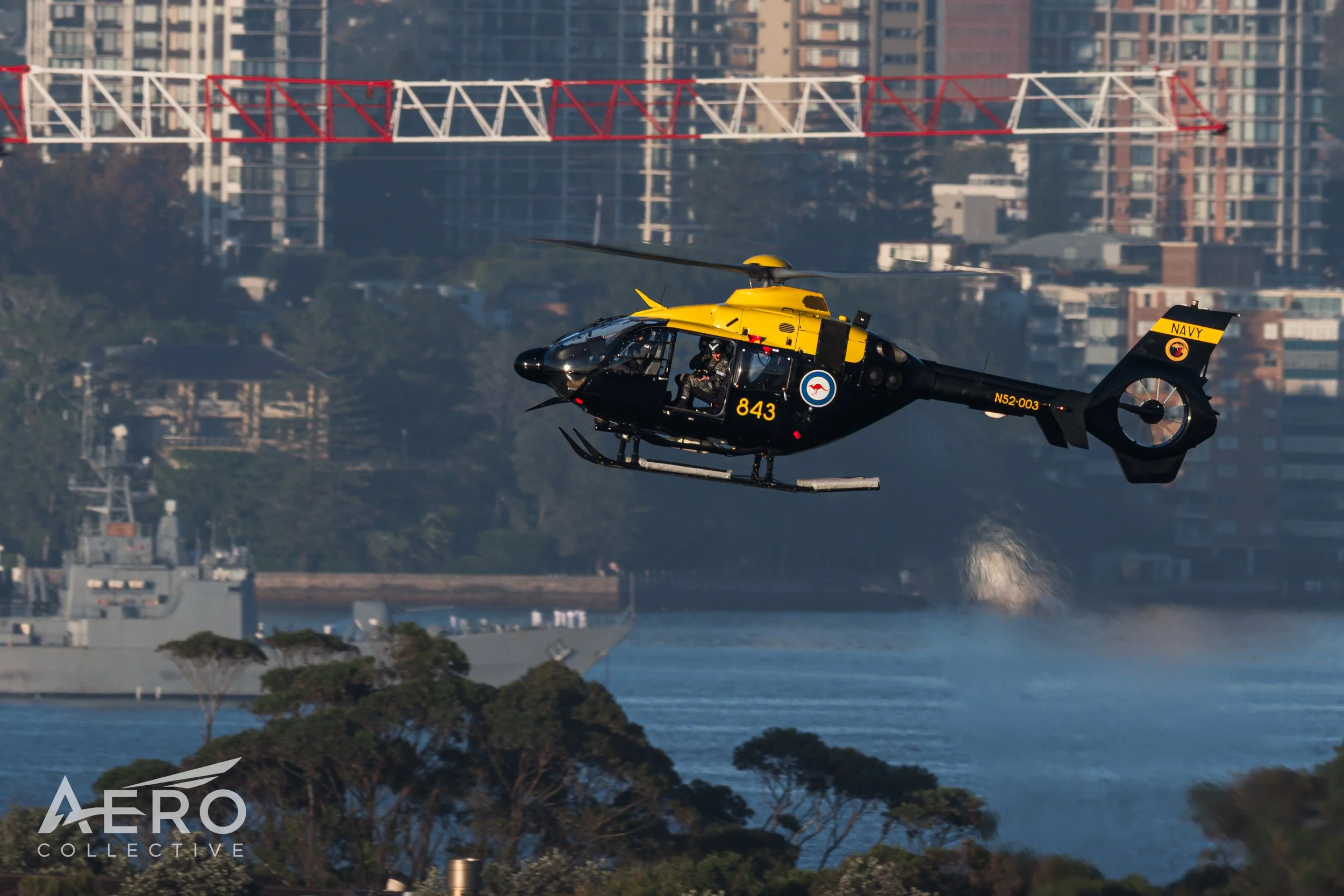
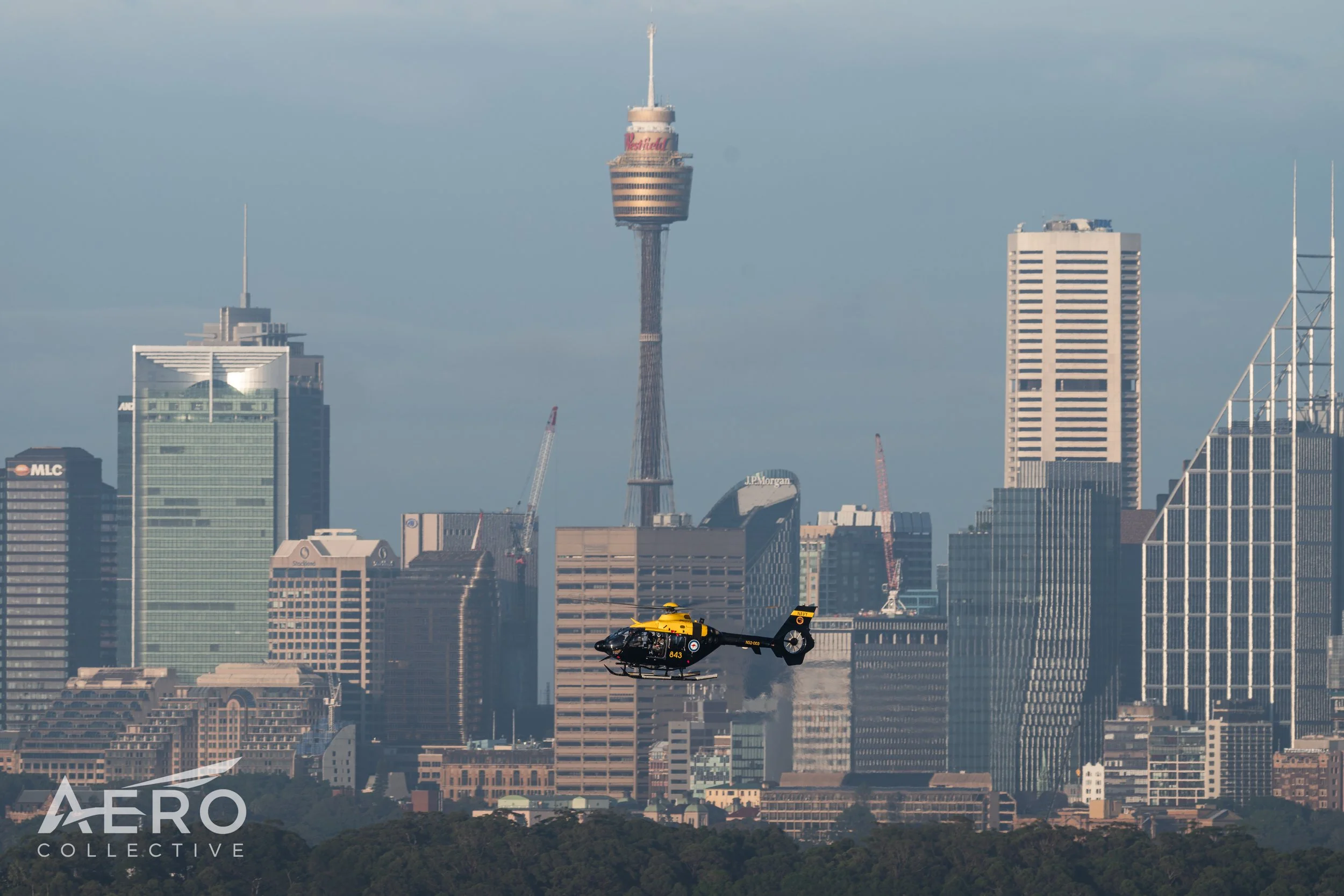
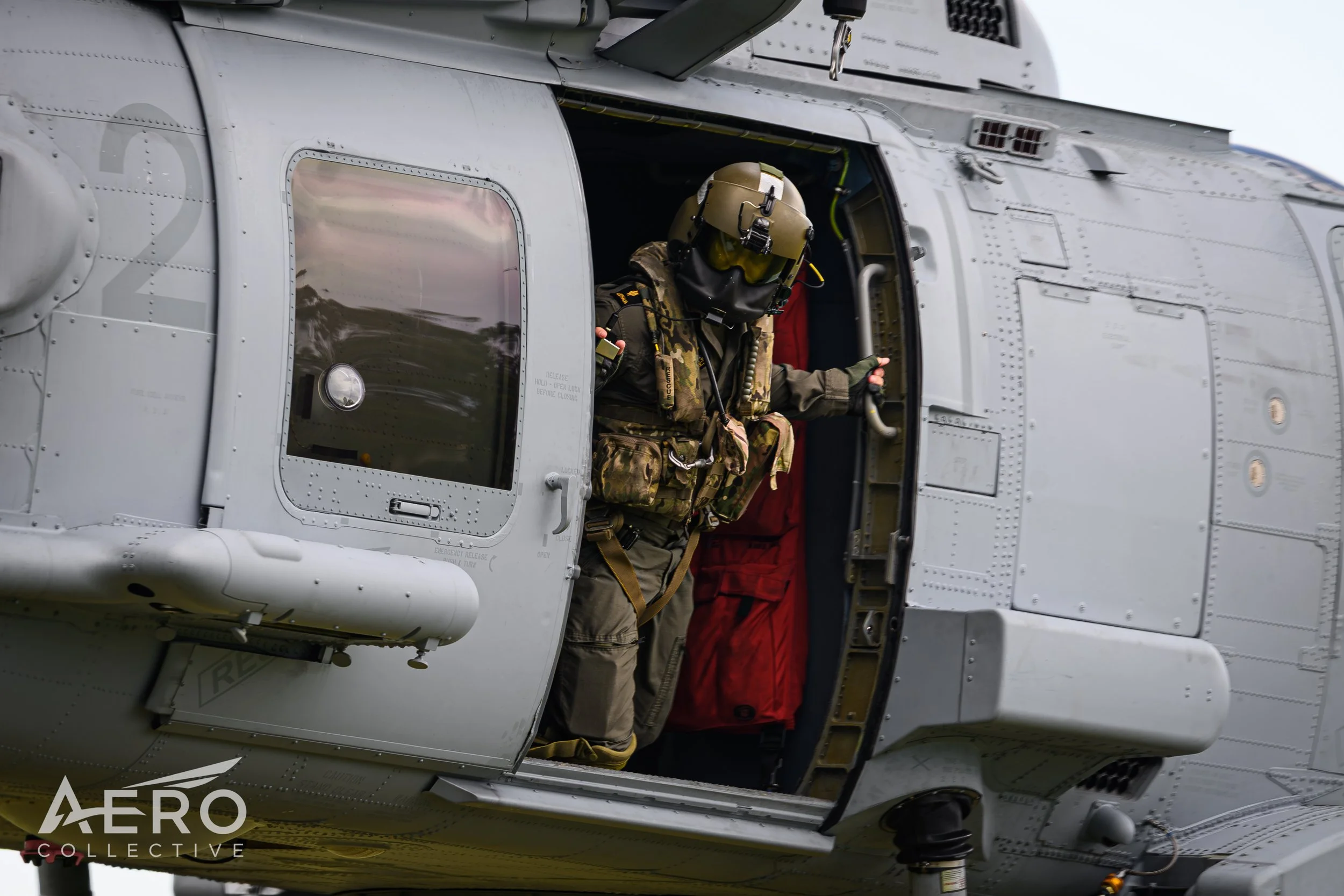
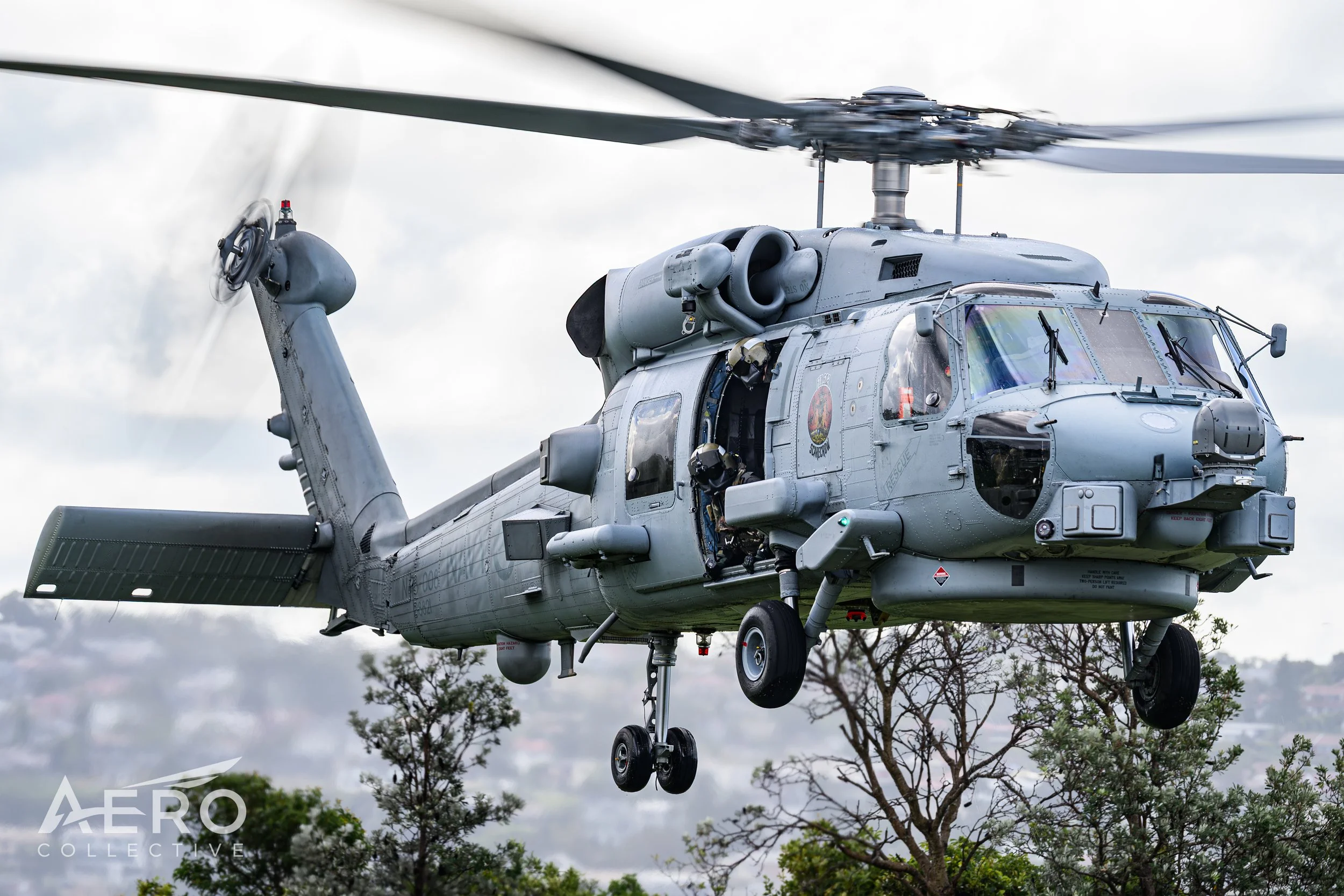
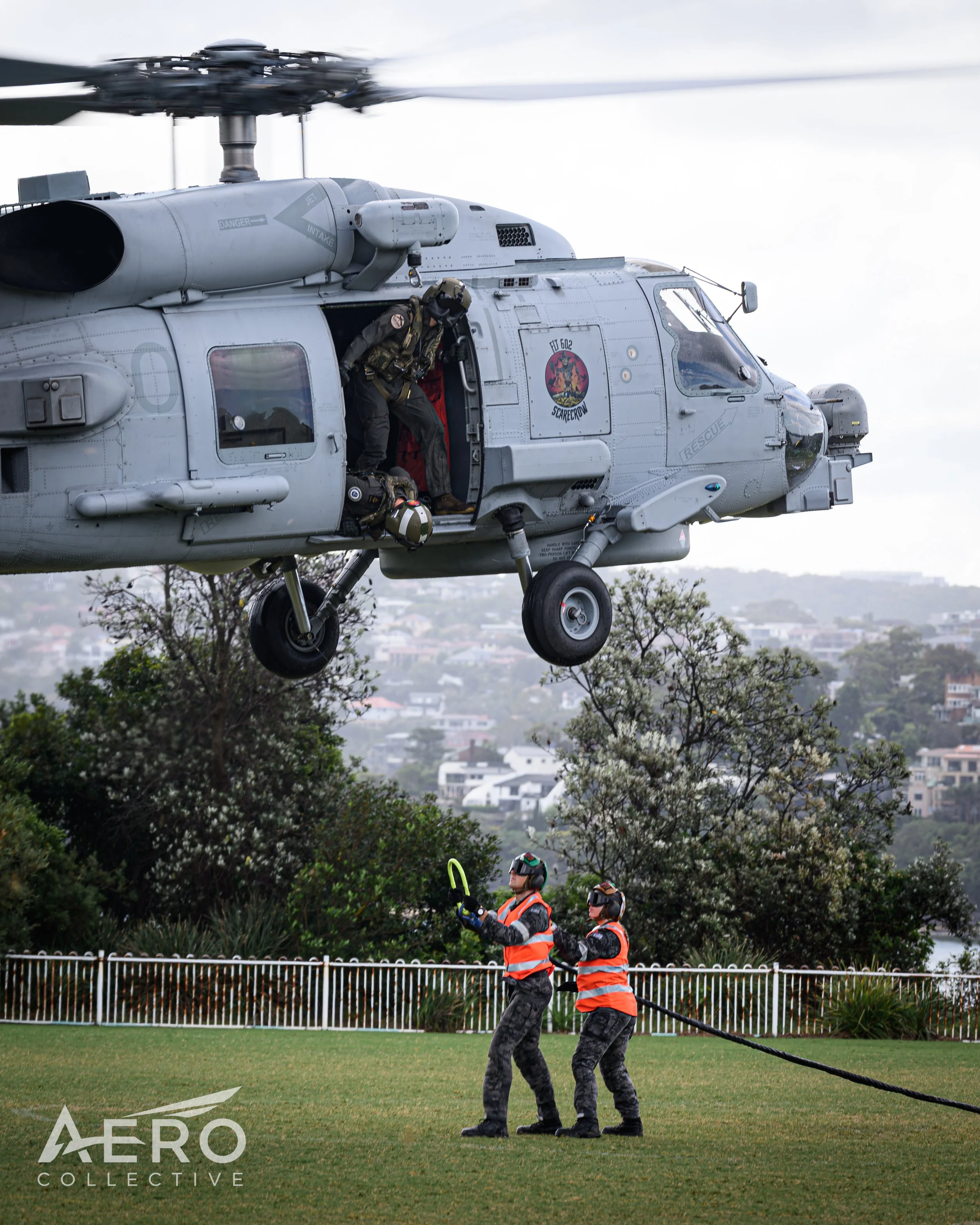
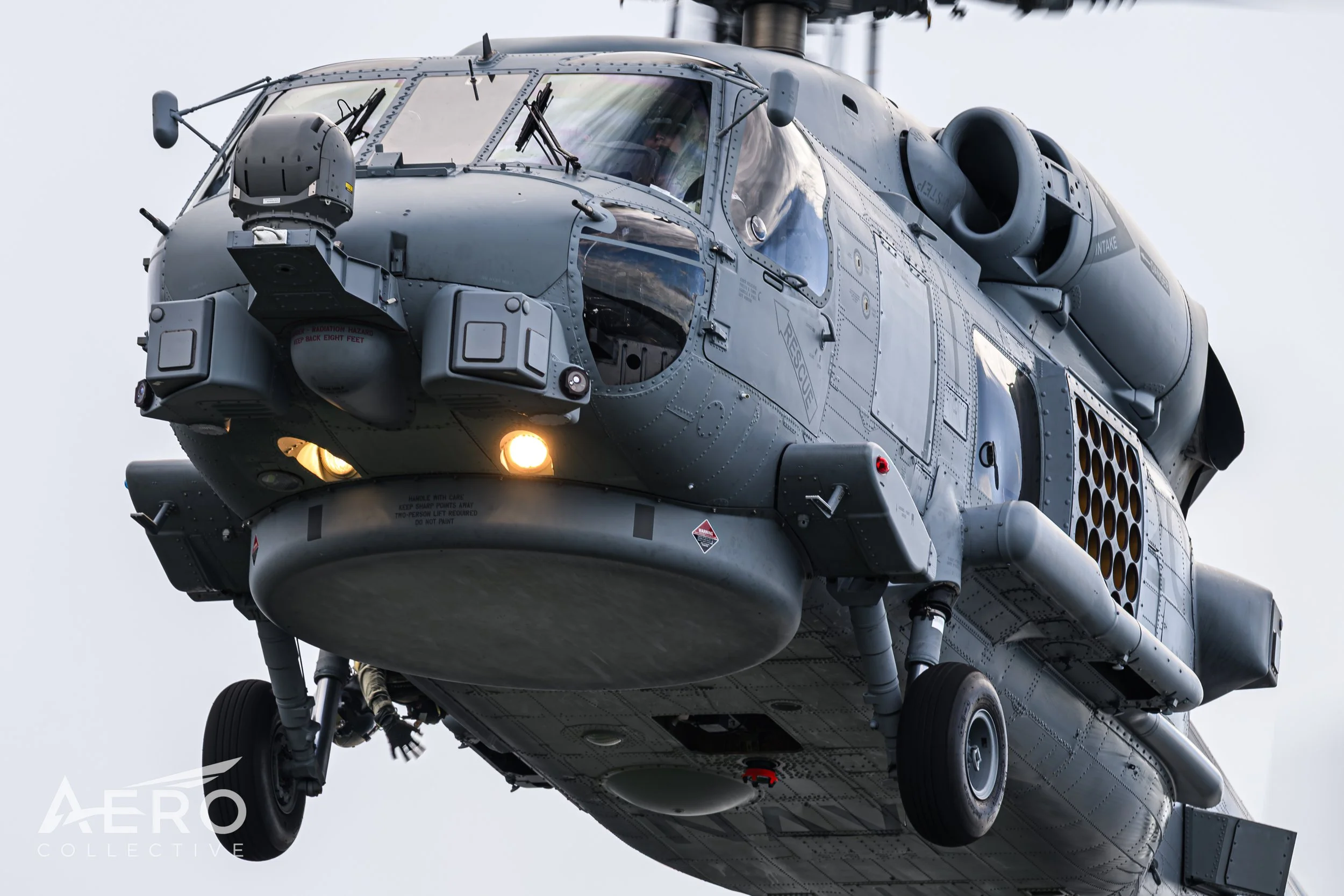
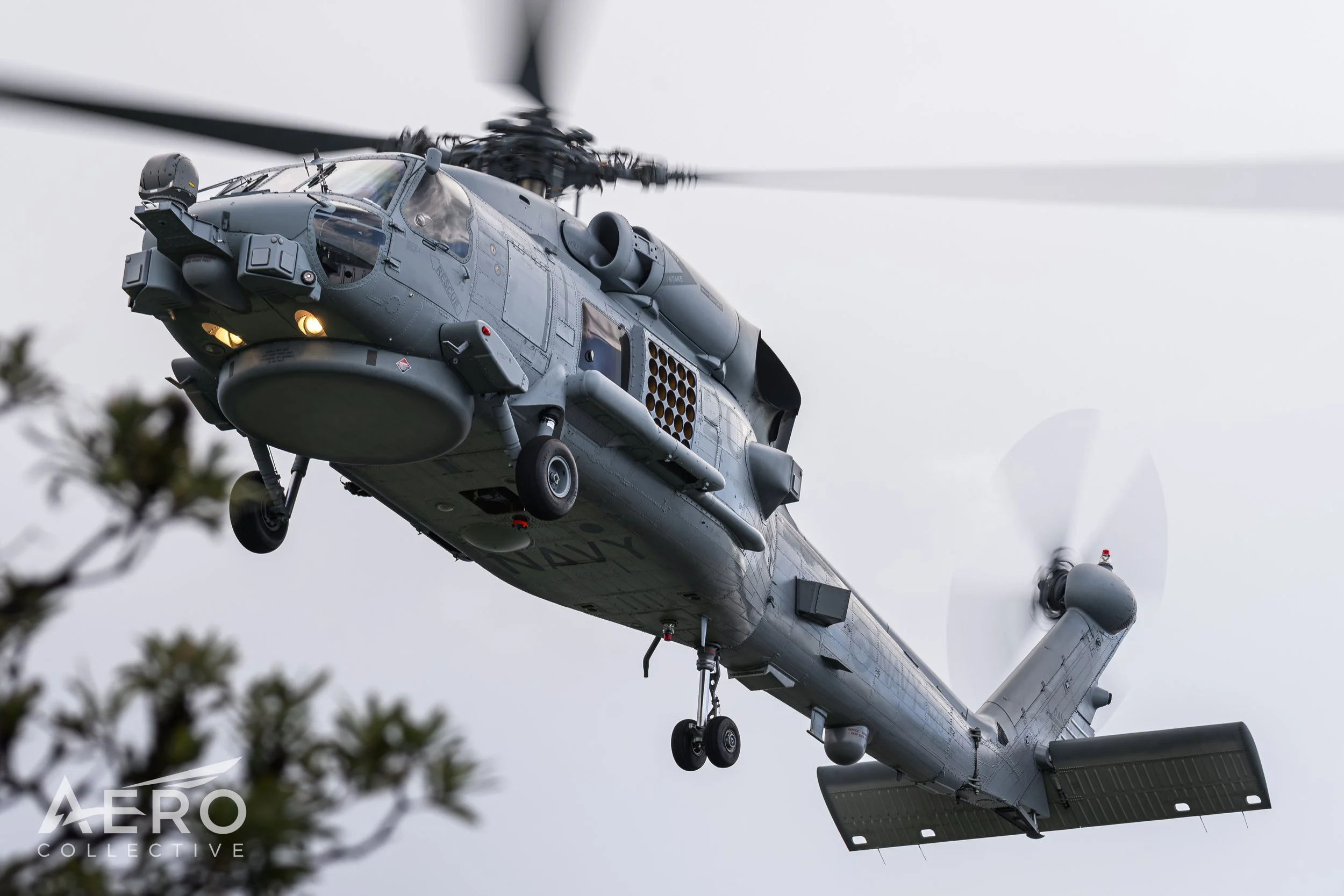
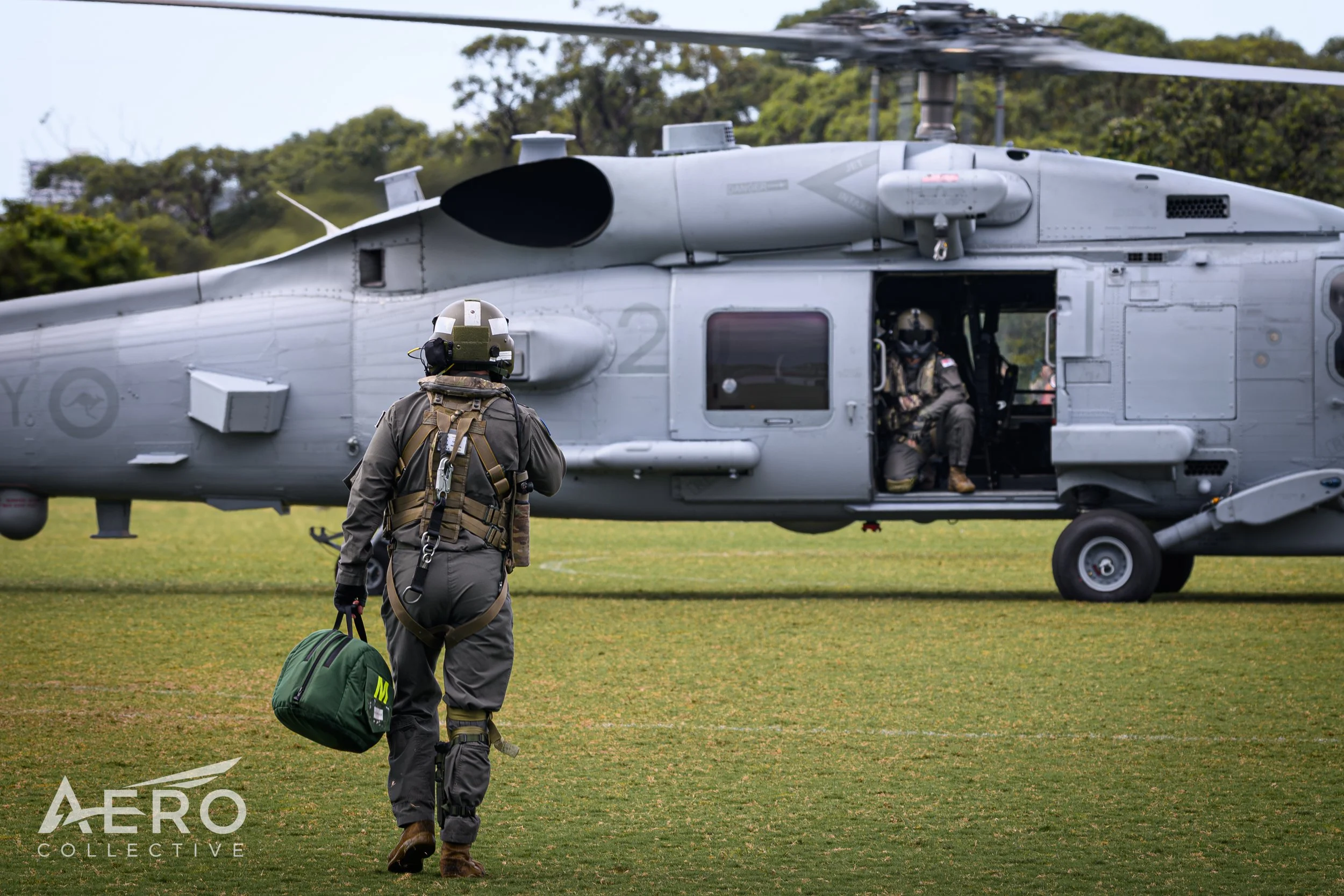
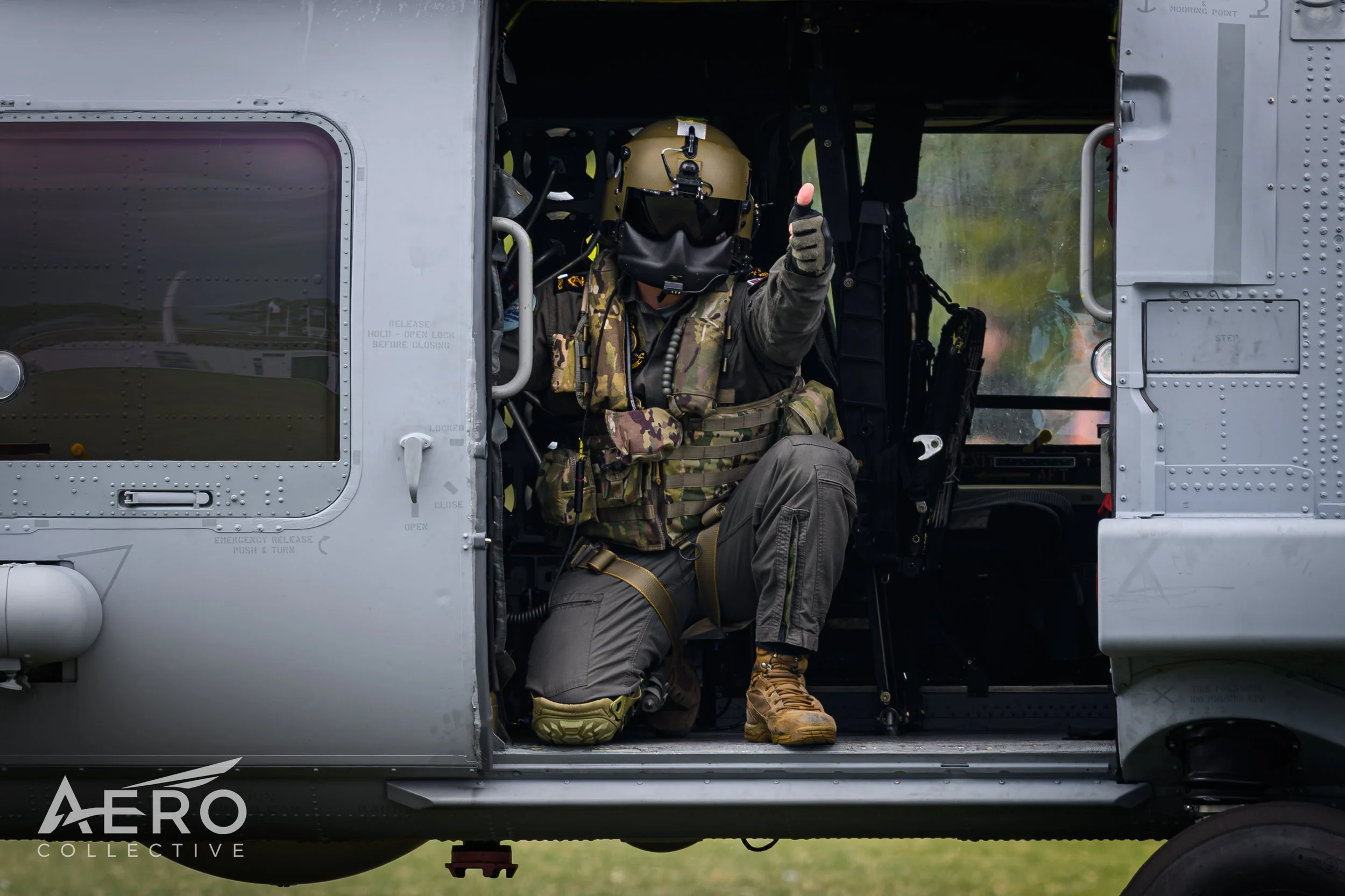
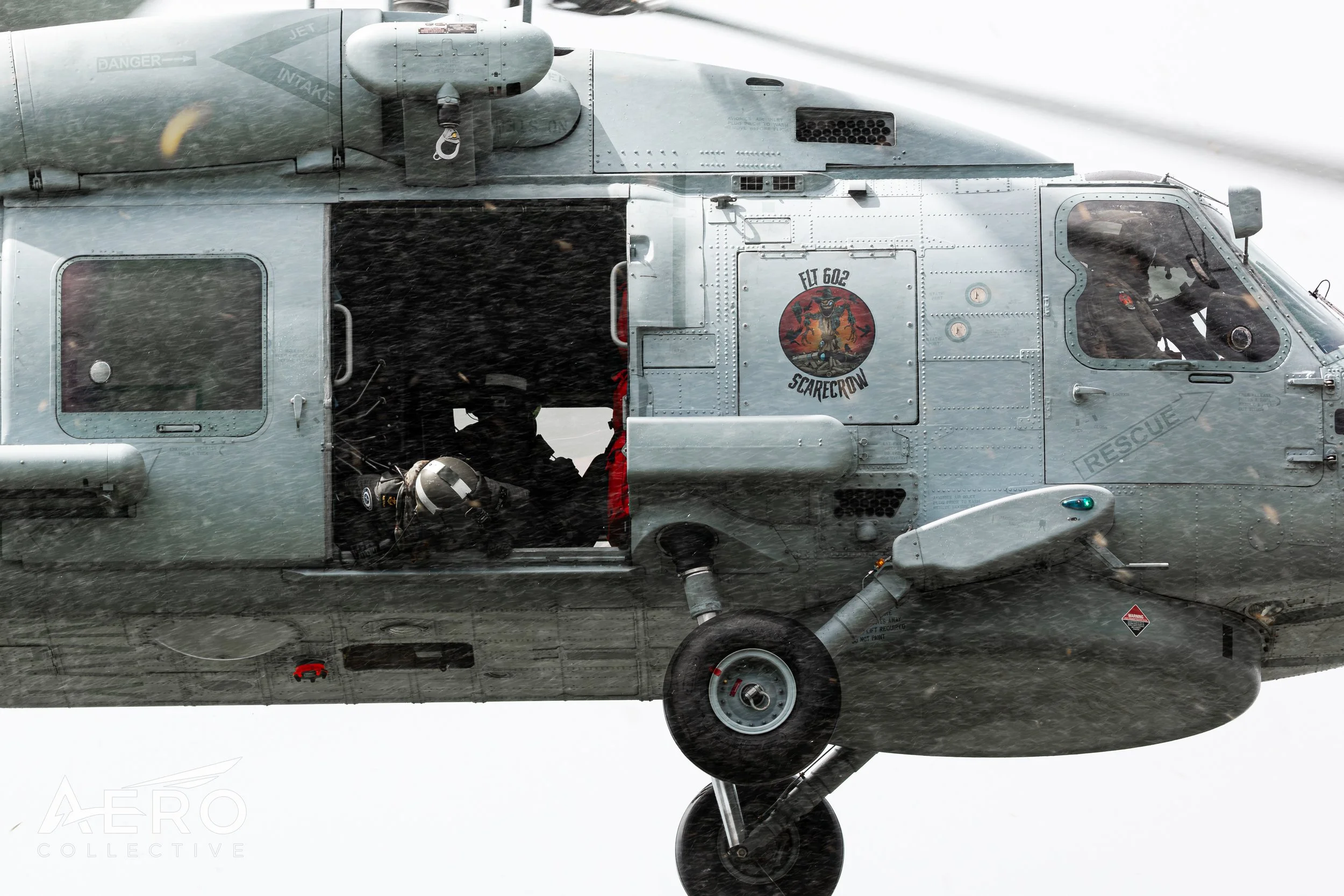
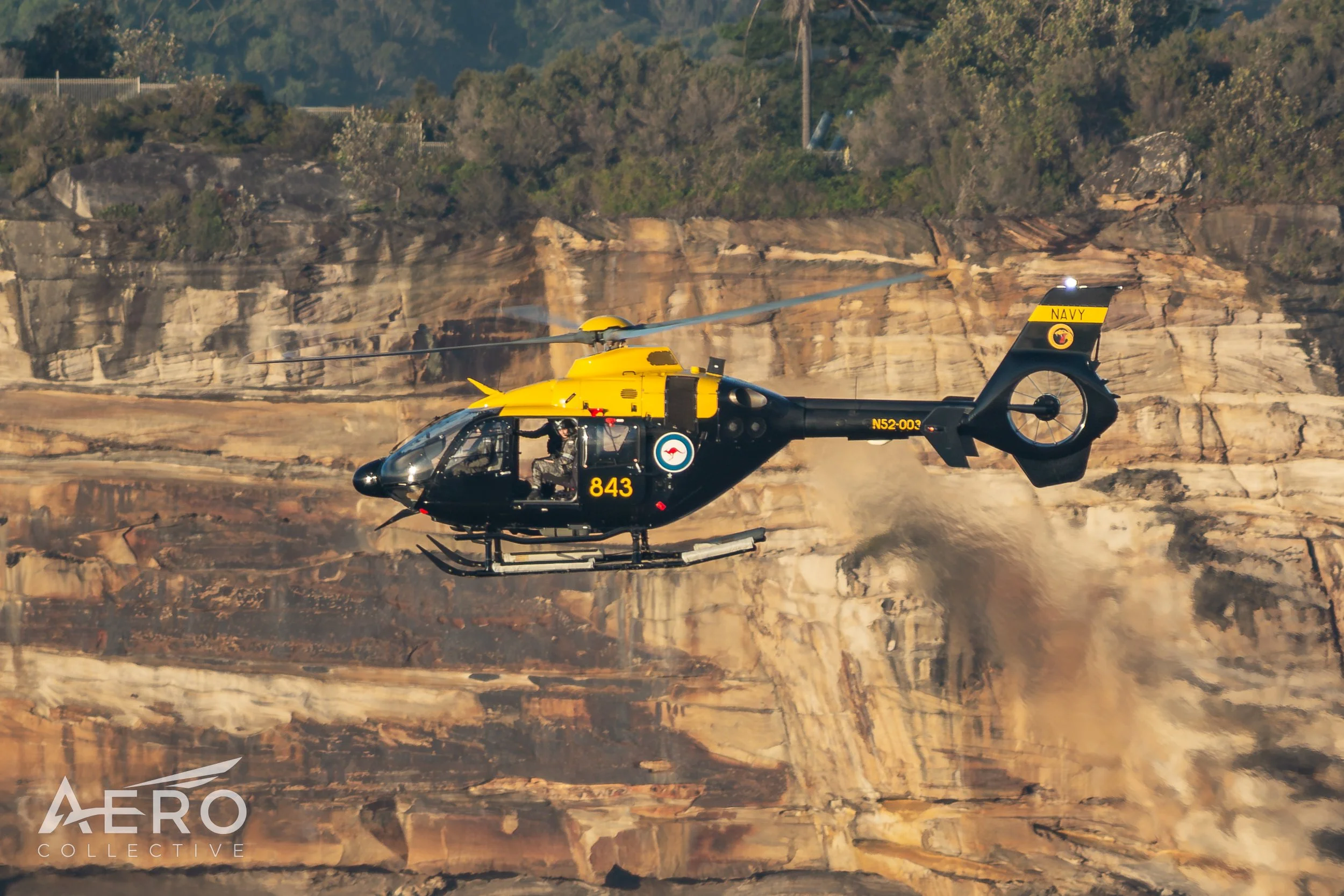
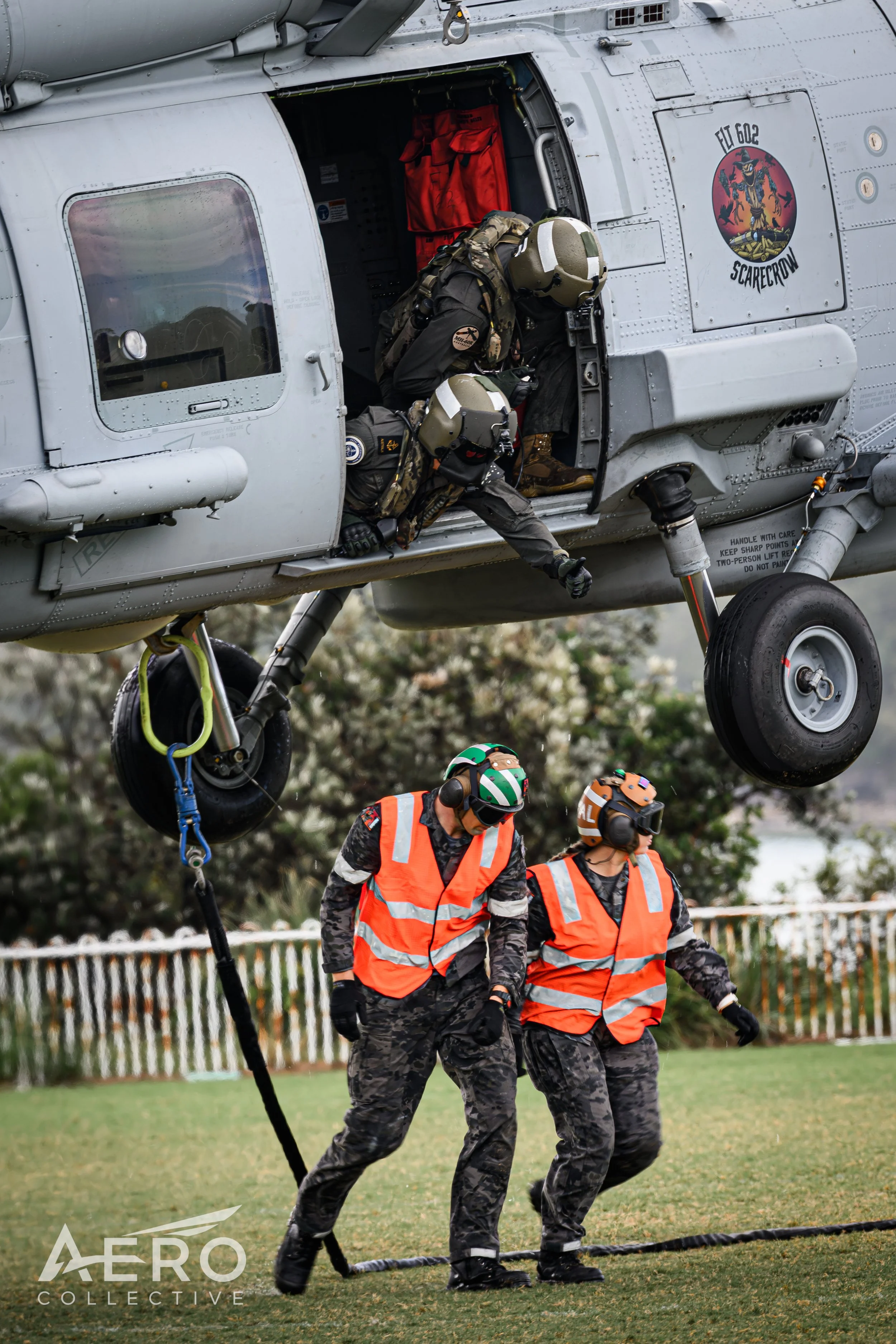
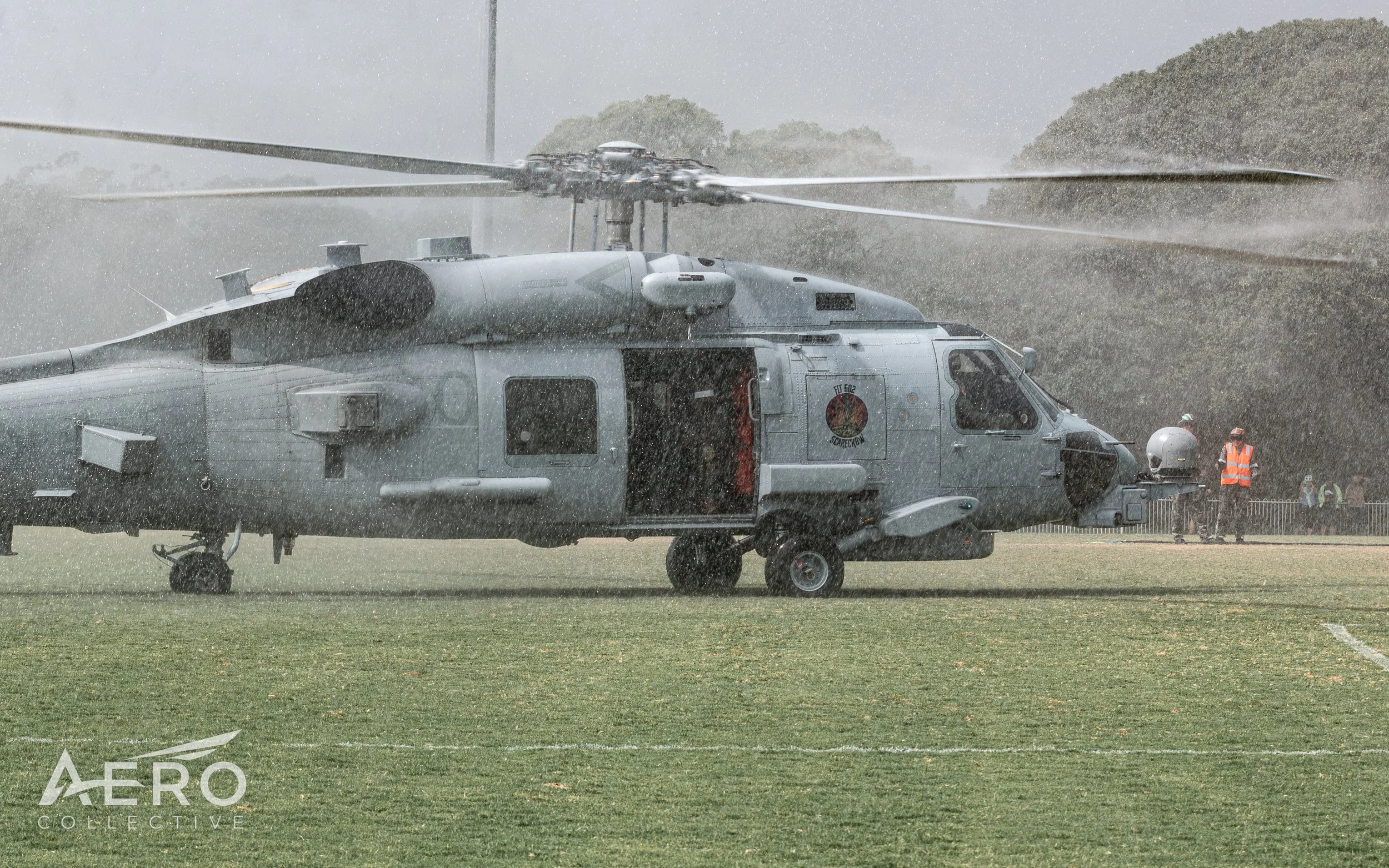
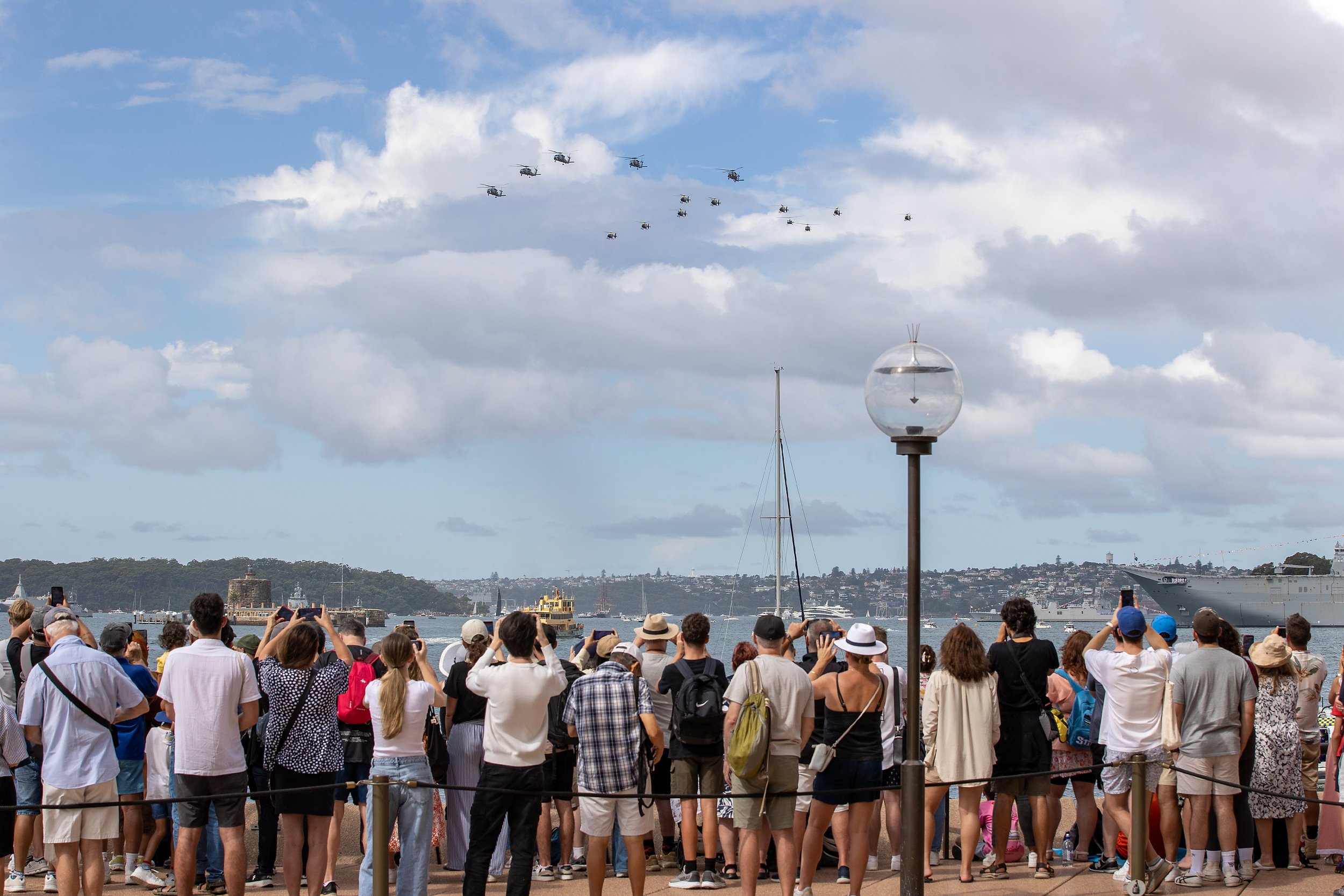
Upon the Division's arrival, the Navy Fleet Air Arm and the Royal Australian Air Force staged a show whilst gun salutes and the Fleet Review itself took place on the harbour. The Royal Australian Navy’s Fleet Air Arm is a component of the RAN with an extremely rich history dating back to 1947. Responsible for managing aviation assets within the Navy, it was founded in 1947 when the RAN purchased two ex-British aircraft carriers. Over the years, the Air Arm has moved from its early propeller aircraft, such as the Hawker Sea Fury, into the Jet Age with the de Havilland Sea Venom and the Douglas A-4 Skyhawk. Today, the FAA operates the MH-60R Seahawk anti-submarine warfare helicopter, the EC-135 trainer, and the now-retired MRH-90 Taipan Multi-Role Helicopter. For the fleet review, the Fleet Air Arm conducted a large flypast comprising 15 helicopters across three types. 5 MH-60Rs led from the front, with 8 EC-135’s in the middle and two heritage UH-1Hs operated by the Historical Aviation Restoration Society following closely behind.
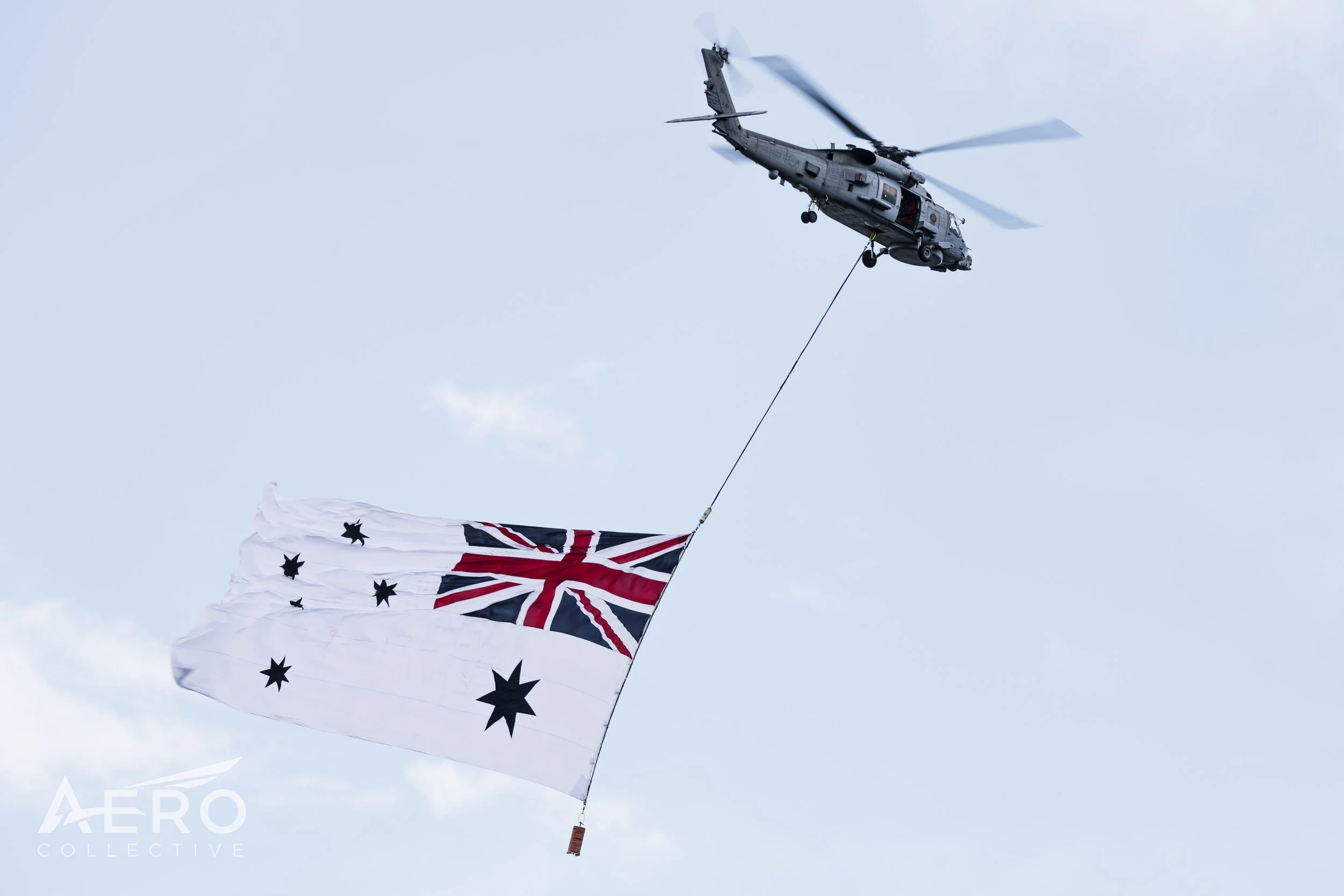
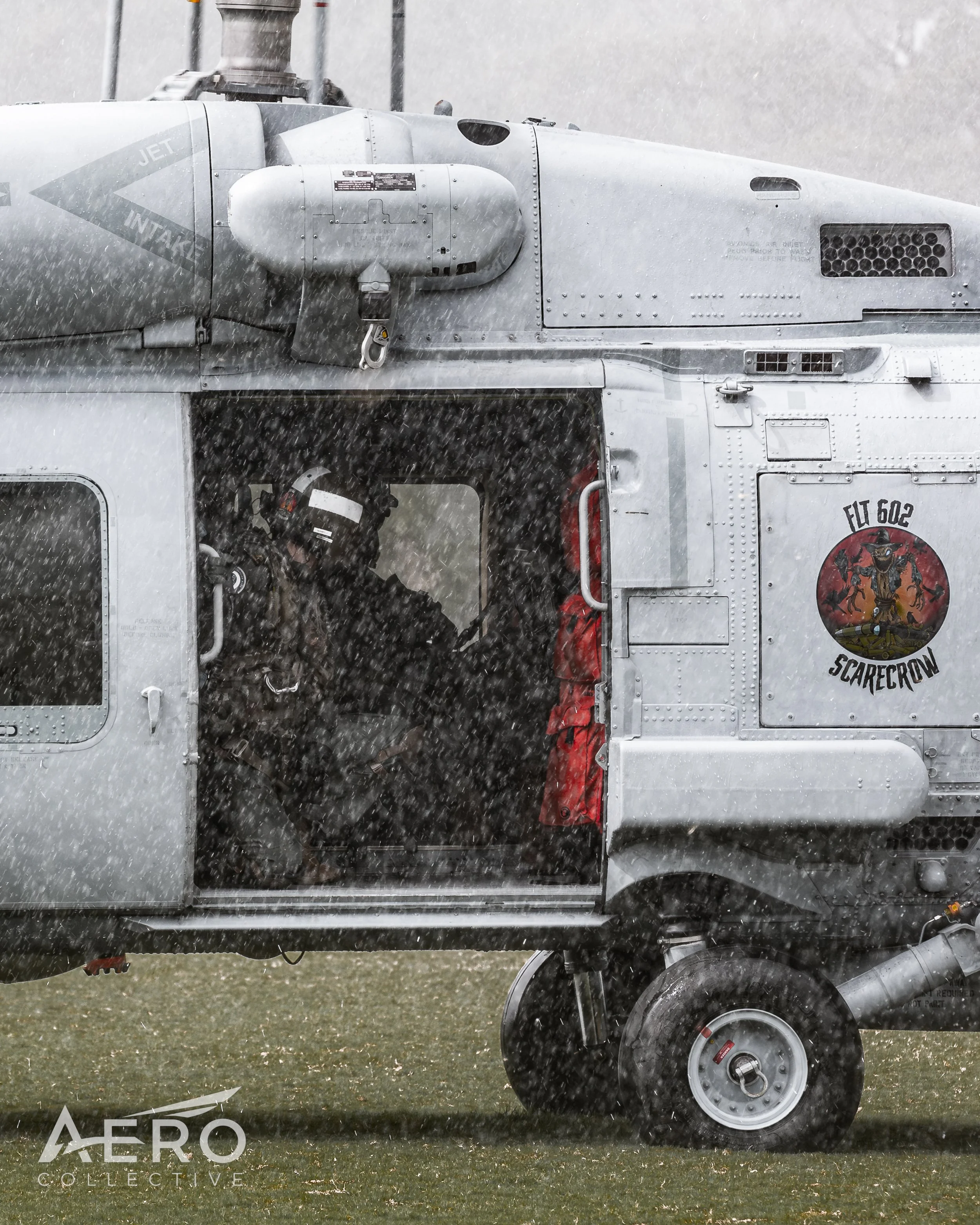
Accompanying the mass heli flyover, the Fleet Air Arm had an MH-60R underslinging the RAN Ensign. After landing at HMAS Penguin in Mosman, the aircraft encountered severe weather and was forced to sit on the ground briefly. Still, the crew eventually got the Seahawk airborne and completed the planned laps around Sydney Harbour. Displaying the classic white Australian Flag that has represented the RAN since 1967, the MH-60R, registered N48-008, flew past the iconic Sydney skyline for thousands of passers-by to see.
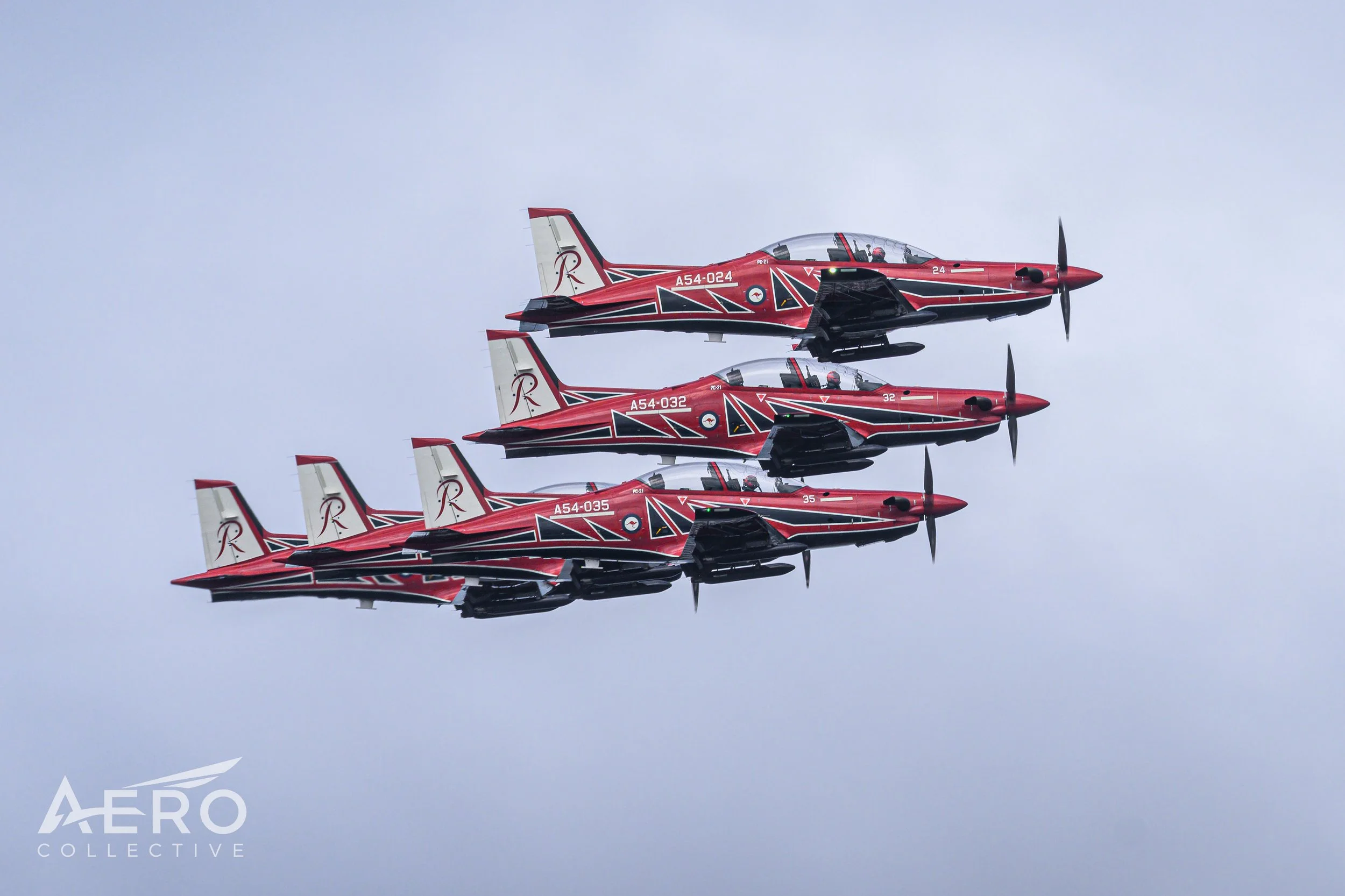
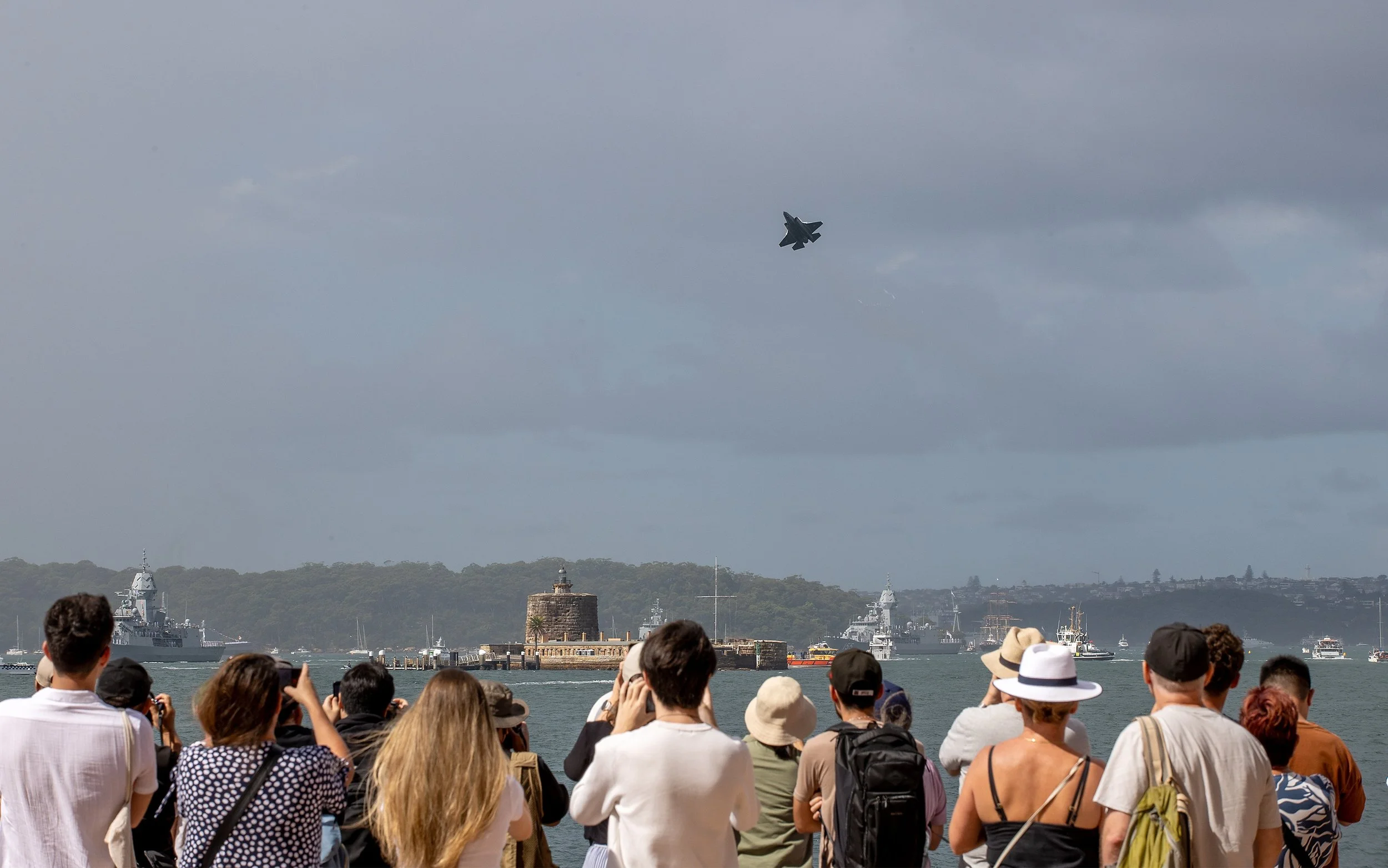
Alongside the Fleet Air Arm, the Royal Australian Air Force also took to the skies over the Parramatta River multiple times. Australia’s most modern warfighting aircraft, the F-35A Lightning II conducted a short flypast with its afterburners engaged, which was followed by the RAAF Roulettes. The Roulettes are the RAAF’s aerobatic display team operating the Pilatus PC-21 trainer out of East Sale, Victoria. Comprising six of the highest-skilled pilots in the Defence Force, the “Rollers,” as they are known, have a deep history dating back to 1970. Originally flying the Macchi MB-326 Jet Trainer, they then switched to the PC-9 and now the modern PC-21 turboprop trainer. During their display, they push the aircraft to the limit, reaching speeds of over 650km/h at heights as low as 80 metres.
The International fleet review provided a valuable opportunity for Australia and partner nations to come together to celebrate the Royal Australian Navy's maritime heritage, strengthen diplomatic ties, and enhance interoperability between naval forces through shared exercises and displays of maritime capability. Exercise Kakadu is expected to return in 2028.